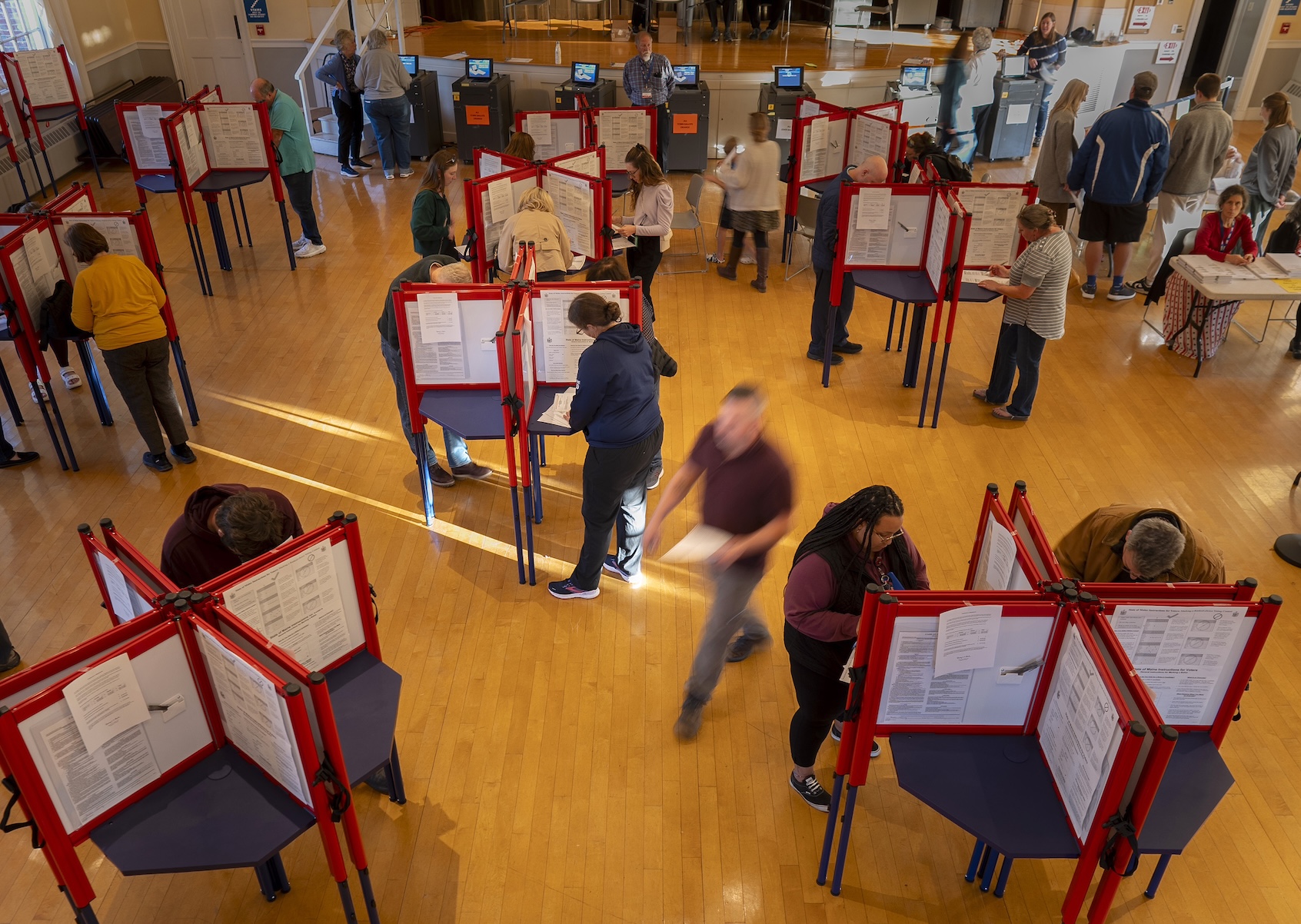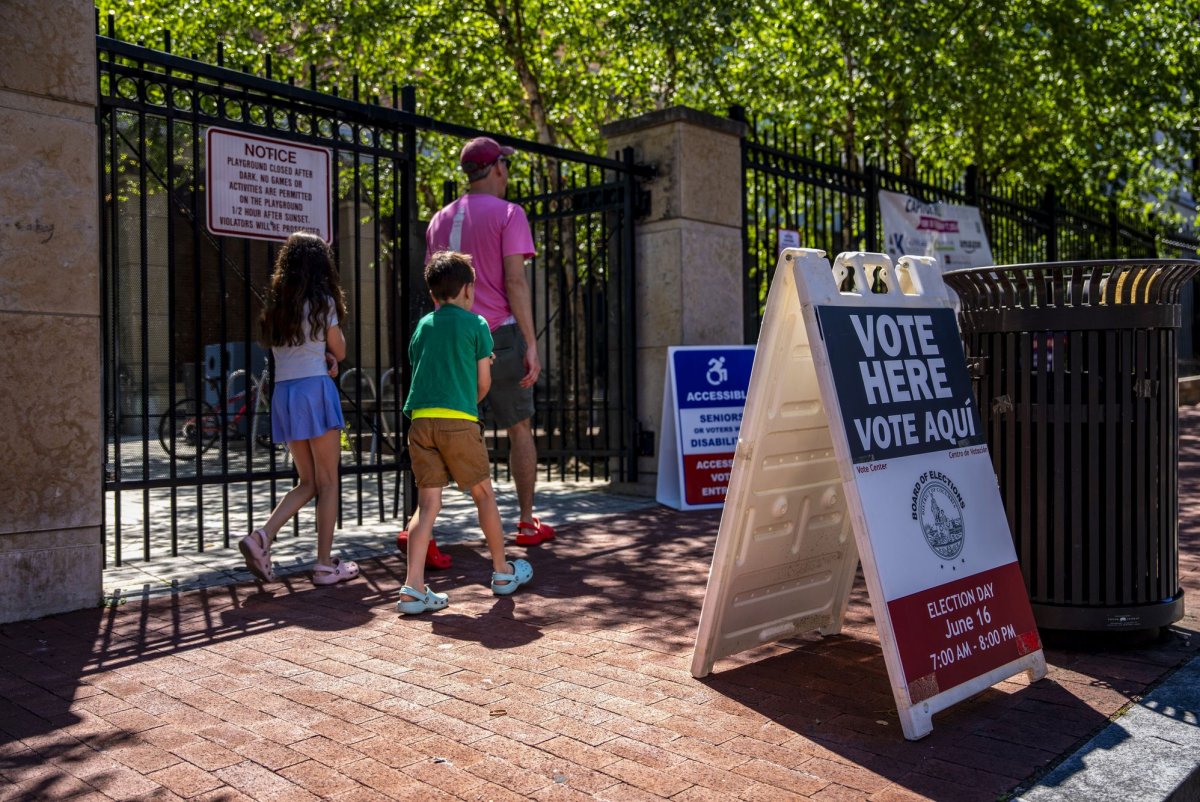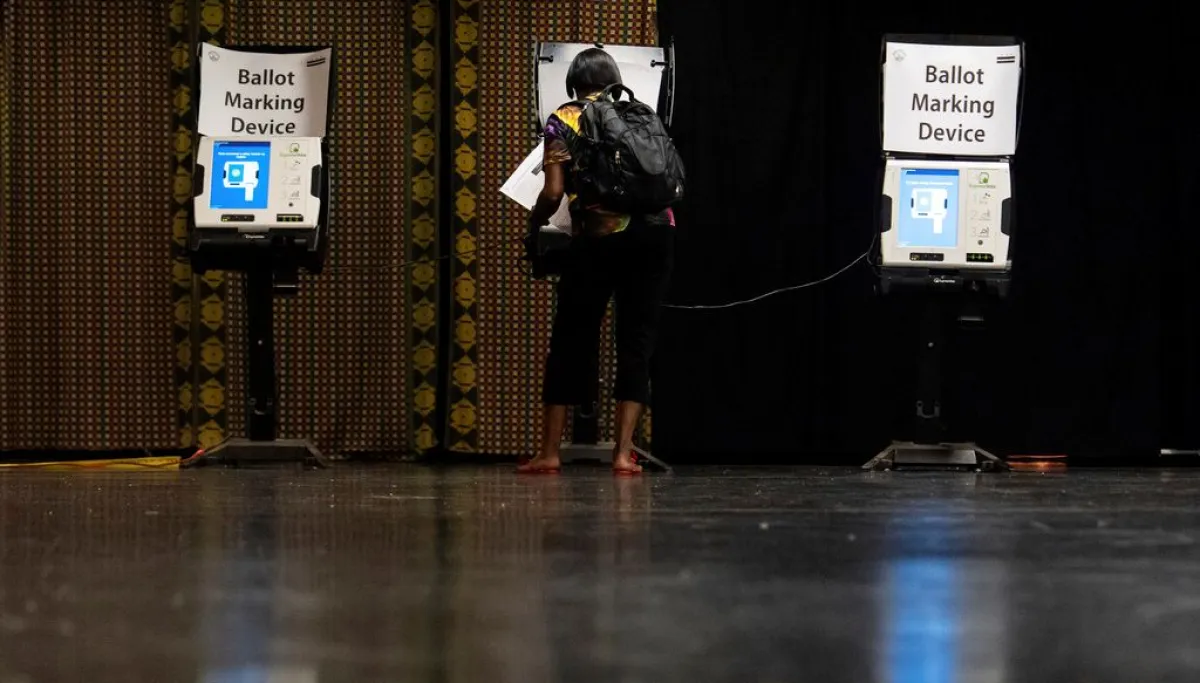
Elections are the cornerstone of a functioning democracy, and the 2026 election cycle is already underway with several closely watched races across the country. In less than two weeks, voters in Washington, D.C., will use a new voting system for the first time: ranked choice voting.Ranked choice voting allows voters to rank candidates in order of preference rather than selecting just one. In Washington, voters can rank up to five candidates for a given office. Voters are not required to rank all five choices, but election officials encourage voters to rank candidates in the order they prefer without skipping rankings or selecting the same candidate more than once.If a candidate receives more than 50% of first-choice votes, they win outright. If no candidate reaches a majority, the candidate with the fewest votes is eliminated. Ballots cast for that candidate are then redistributed to voters’ next-ranked choices. The process repeats until one candidate receives a majority of the remaining votes.
When the ranking system is used in multi-winner elections, such as city council races, the percentage of votes needed to win a seat is less than 50% since more seats are up for election.
Ranked choice voting has expanded across the country over the past two decades. The voting method is required in eight states, banned in 19 states, and holds an unclear legal status in the other 23 states.