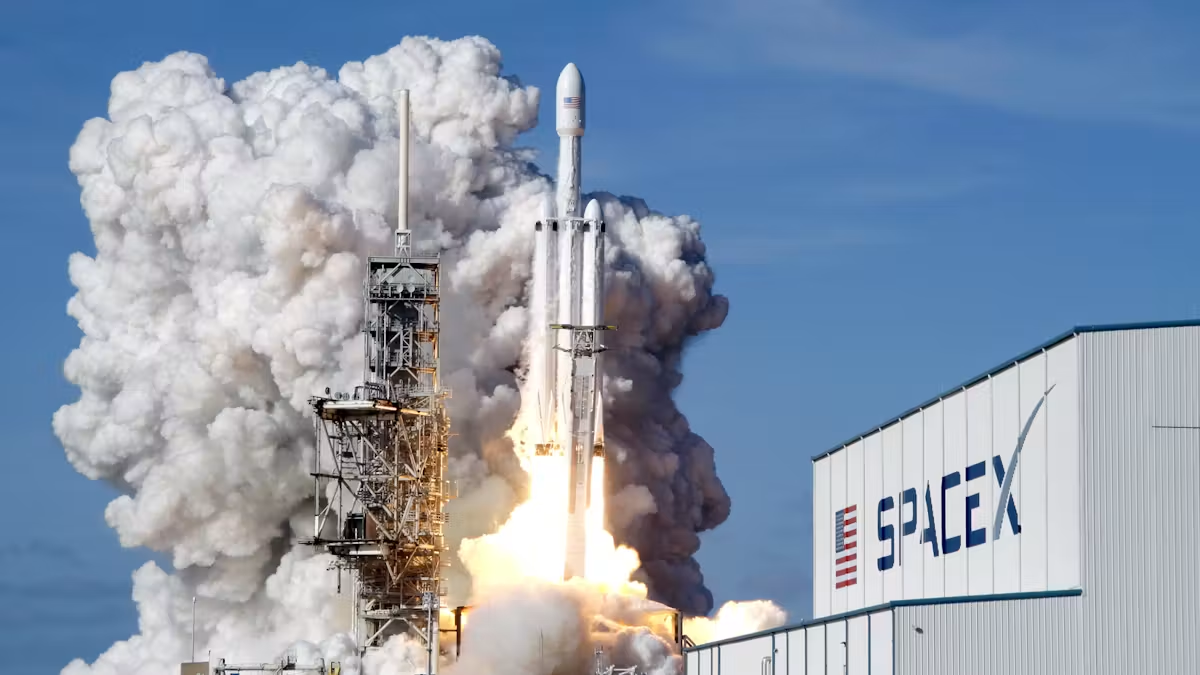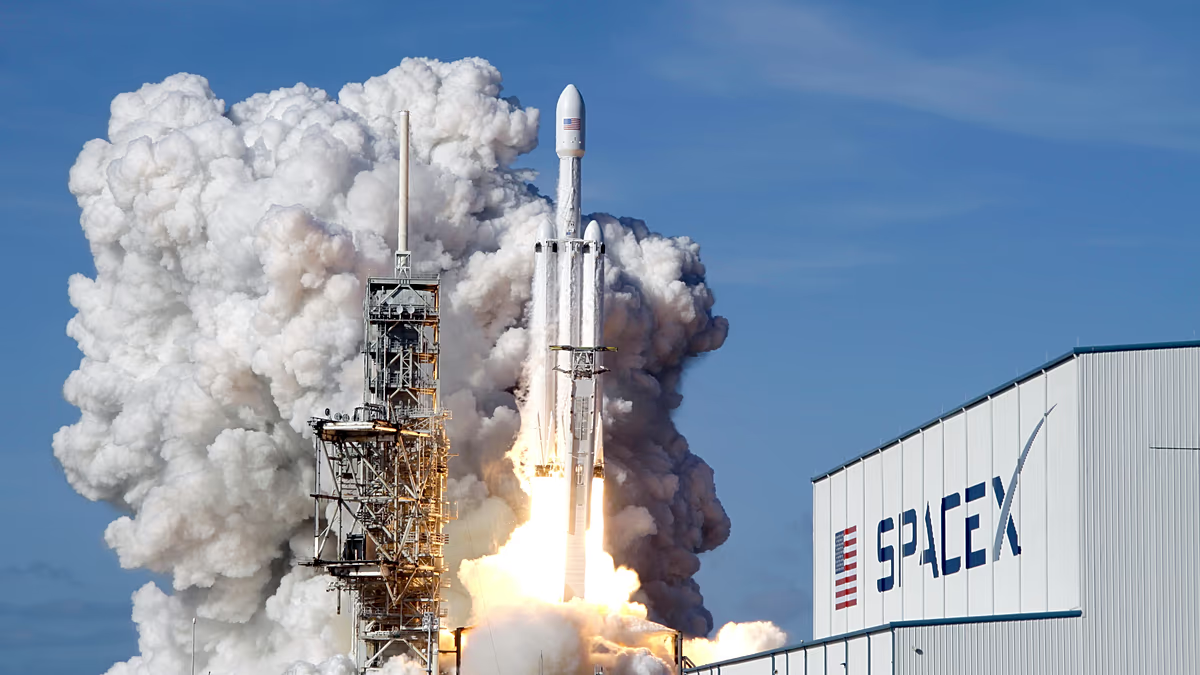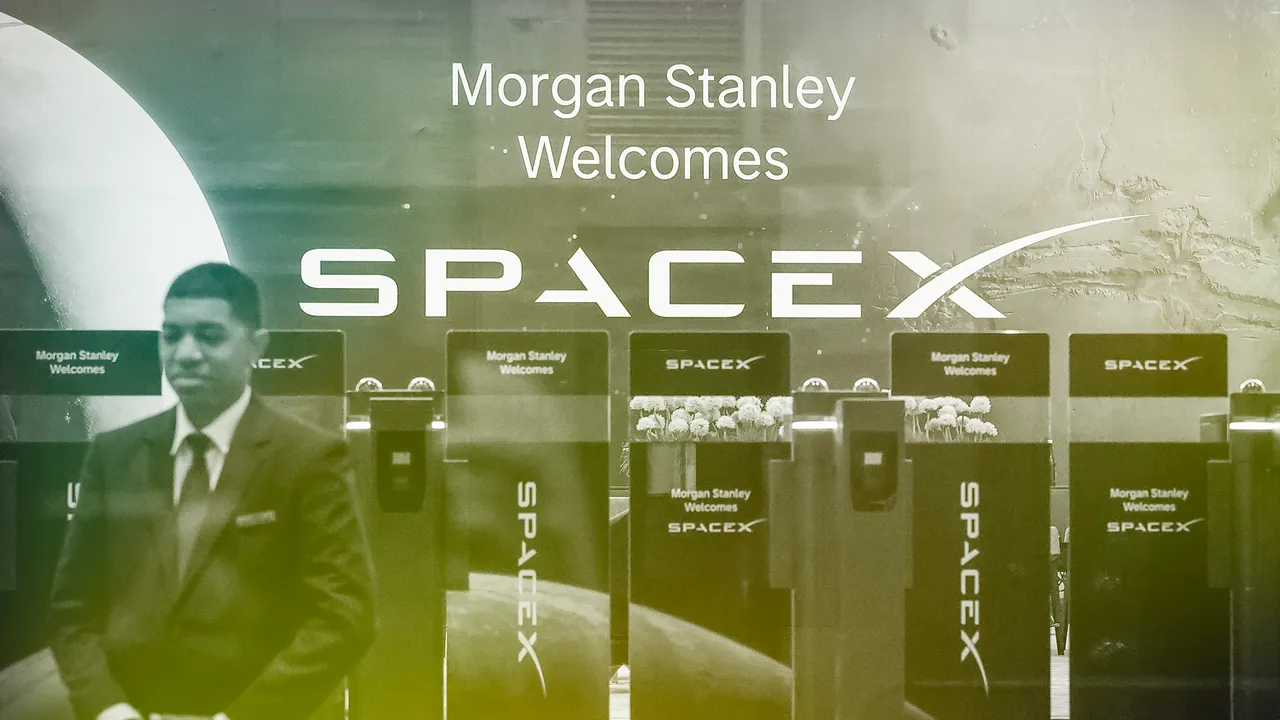
The pending SpaceX IPO is generating lots of buzz by introducing the most valuable enterprise of all time at an expected market cap of $1.75 trillion. Clearly, that gigantic number signals investors’ confidence in the future growth and profitability of AI. But it also sets the bar for what SpaceX must achieve going forward to reward the folks and funds who bought the pre-offering shares in the underwriting, and will rush to load up when the opening bell rings at the Nasdaq at its debut, slated for mid-June.
As this writer has previously noted, one of America’s top valuation experts has put precise numbers on the benchmarks SpaceX needs to hit if investors are going to pocket anything like the gains you’d want for betting on this ultra-risky stock. David Trainer, CEO of research firm New Constructs calculated these bogeys for both revenues and profits ten years hence. It’s no secret that investors are willing to pay big based not on SpaceX’s current size and profitability, but its prospects for stupendous future growth. Indeed, SpaceX’s S-1 filing famously revealed that it lost $4.9 billion in 2025 on puny revenues of $18.7 billion.
Trainer’s model uses discounted cash flows projections to pinpoint the results SpaceX must show to justify a $1.75 trillion valuation. By Fortune‘s estimates, he’s positing that investors will want a total annual return of around 10% over the next decade to deem SpaceX a decent buy. That number, by the way, is extremely modest given that we’re talking an investment that the pure math judges as the longest of long shots.