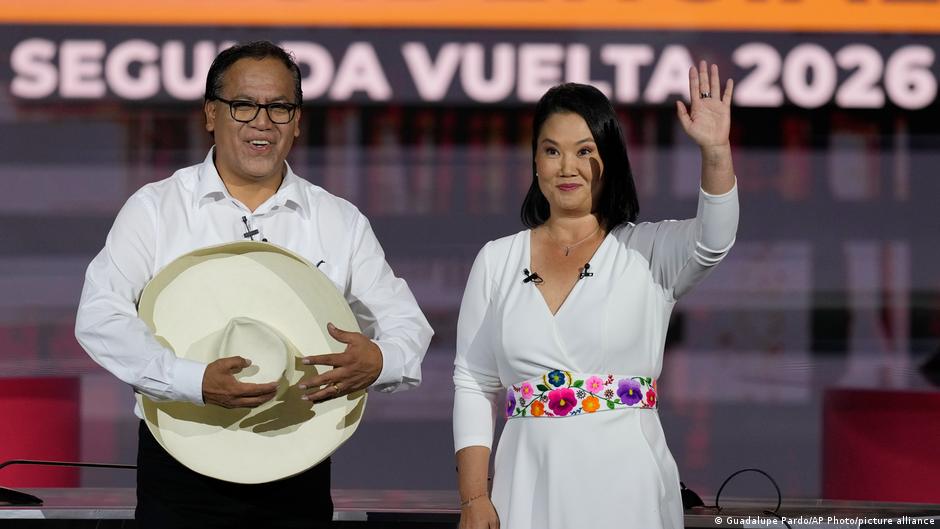
Nine presidents in 10 years — the figure speaks volumes about the current state of Peruvian politics.
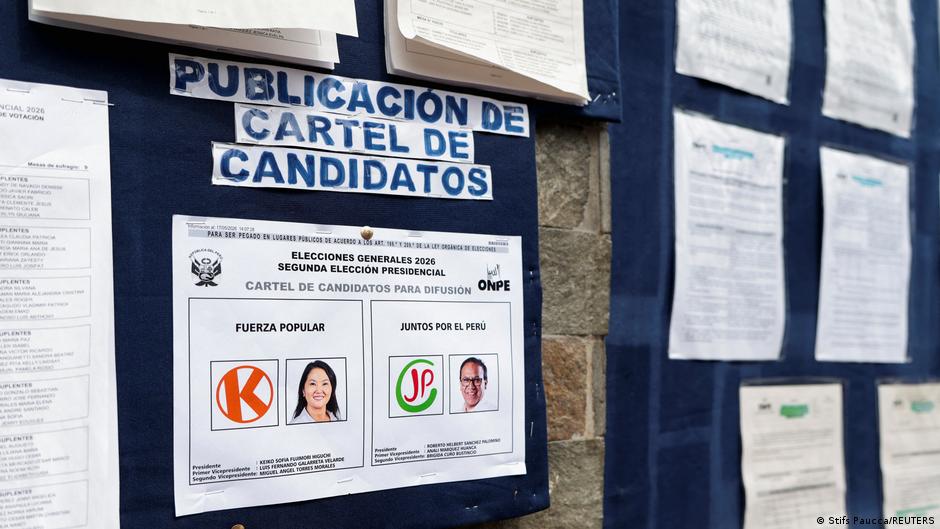
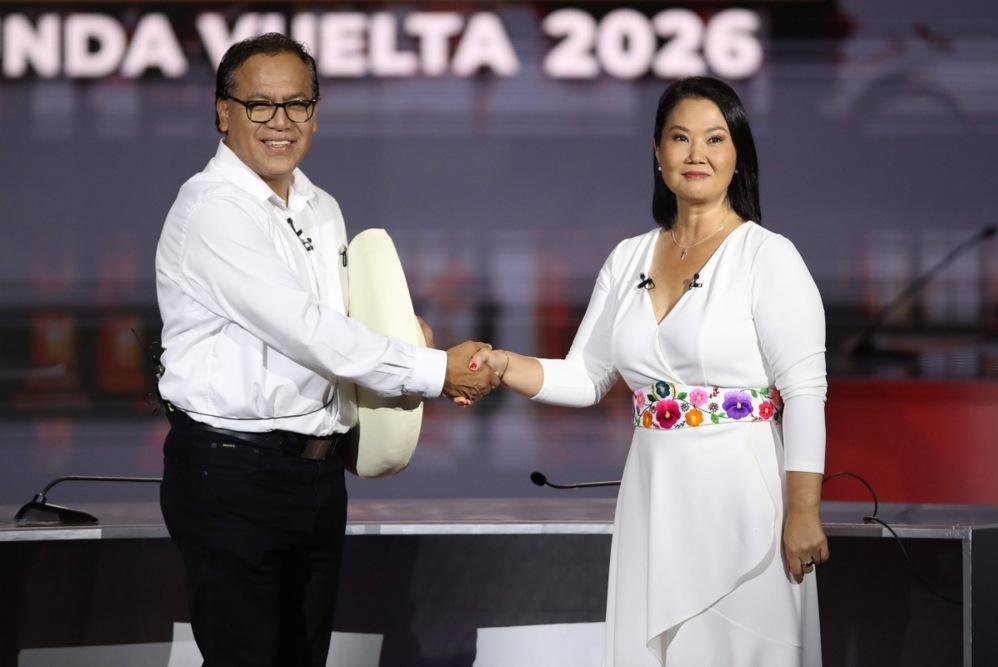
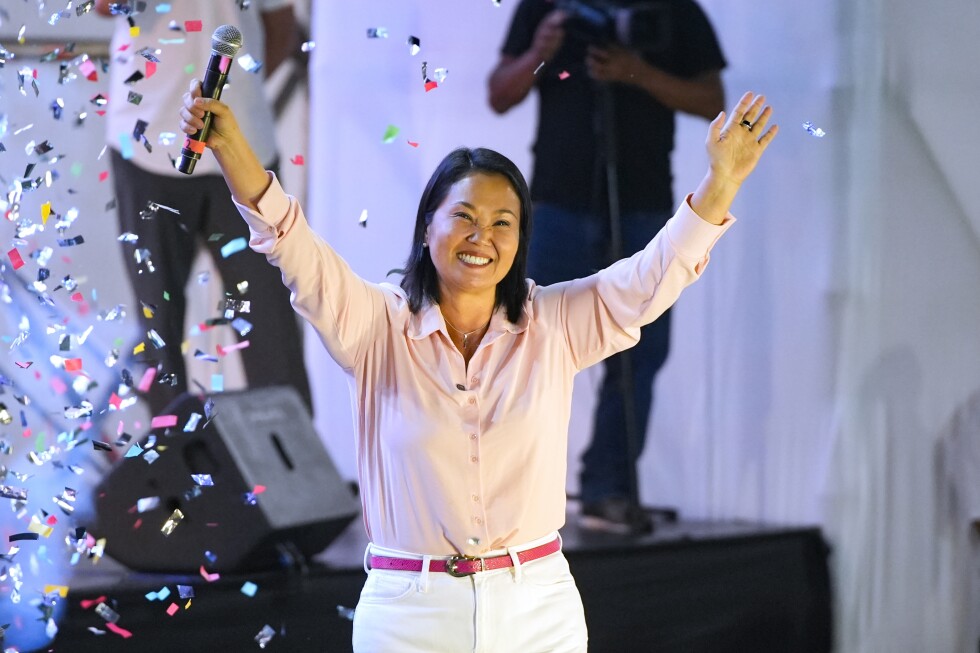
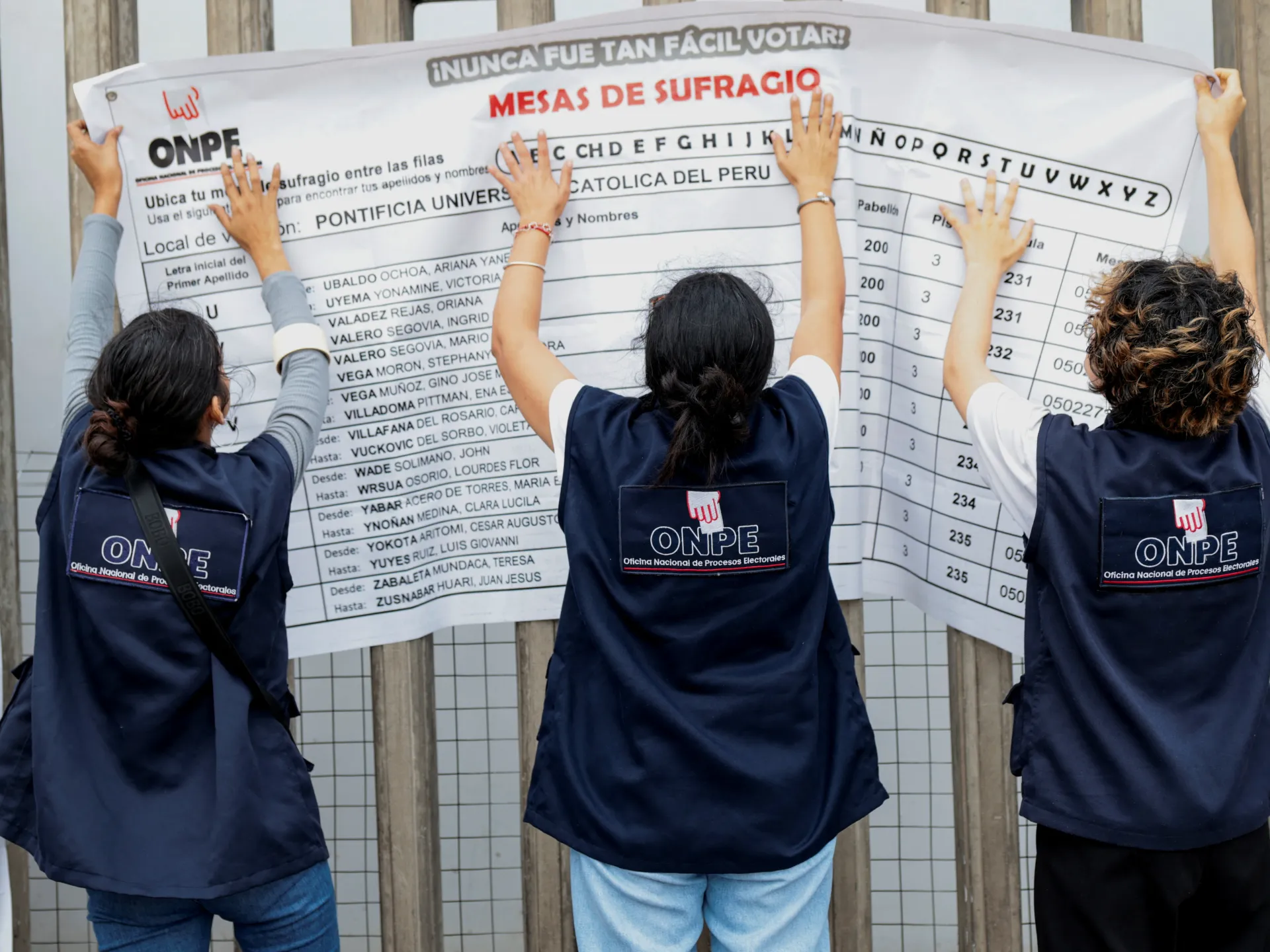
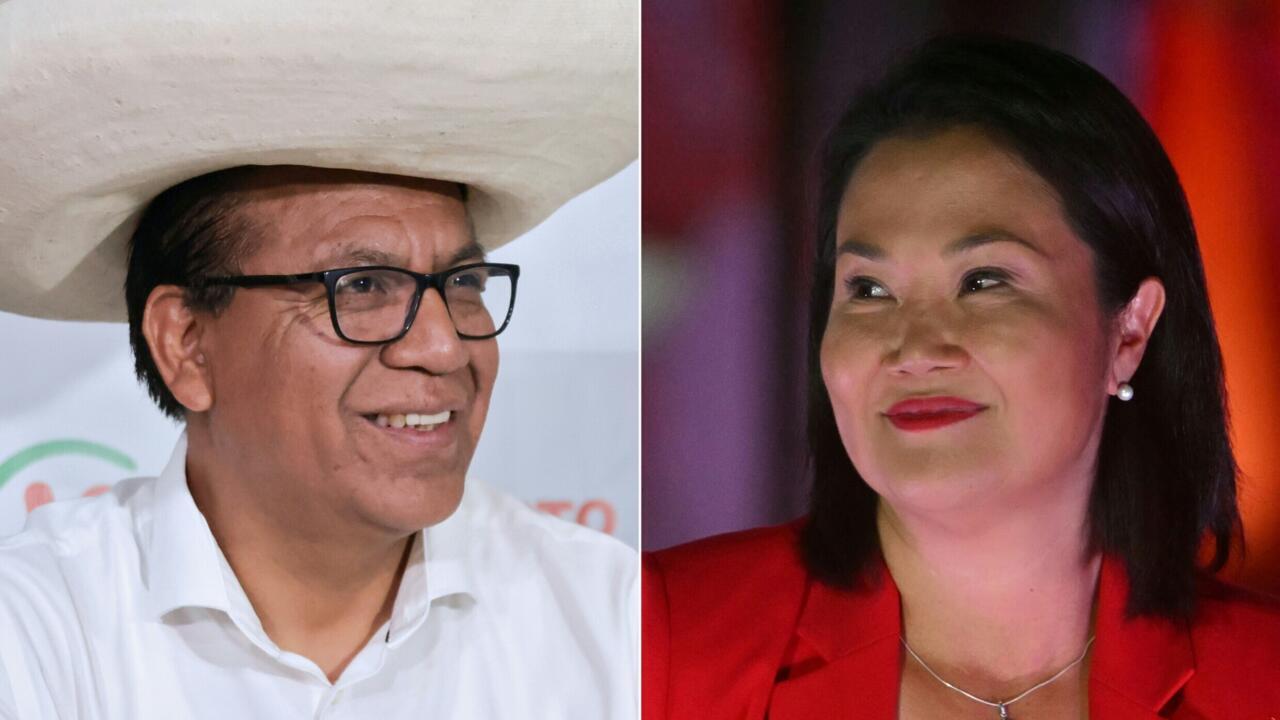
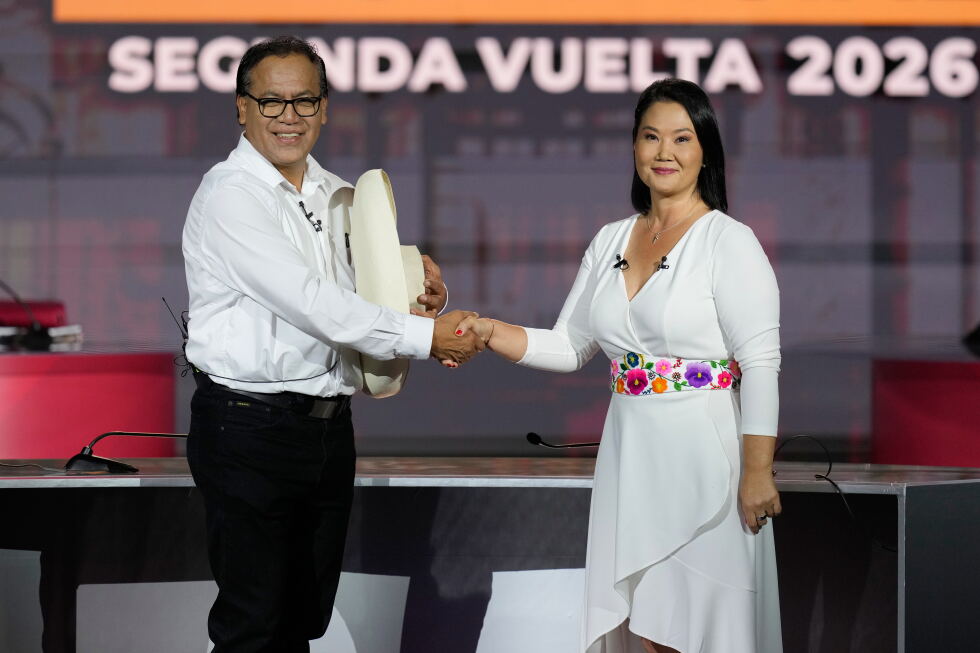
On Sunday, voters will return to the polls. This time, they will choose between Keiko Fujimori, leader of the conservative Popular Force party, and Roberto Sanchez, the candidate for the left-wing Together for Peru. Whoever prevails at the ballot, Peruvians will vote in a climate of deep distrust of institutions, political fragmentation and growing concern over insecurity.
For many observers, the central question is not only who will win the presidency, but whether Peru will be able to break out of the cycle of political crises that has characterized its past decade.
The first round revealed the weakness of Peru's political system. Keiko Fujimori advanced to the runoff with just 17% of the vote, while Roberto Sanchez secured around 12%, highlighting a fragmented political landscape in which 35 presidential candidates competed. The result illustrates the extent to which both finalists lack broad support and enter the second round amid a profound crisis of representation.
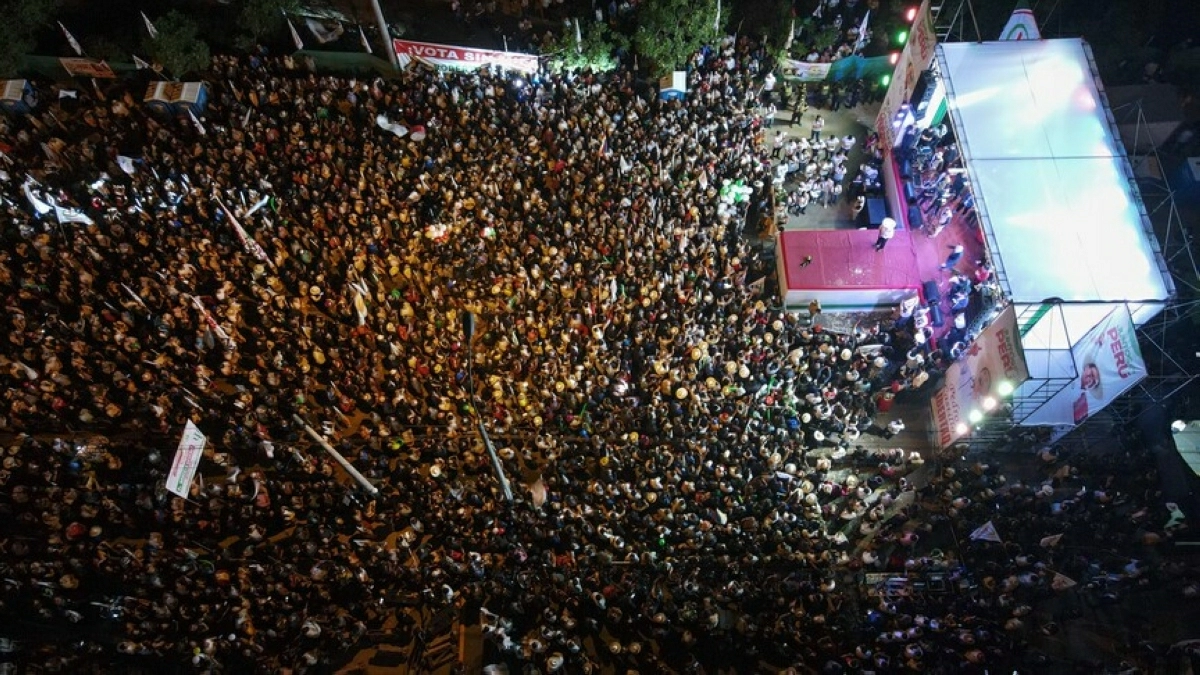
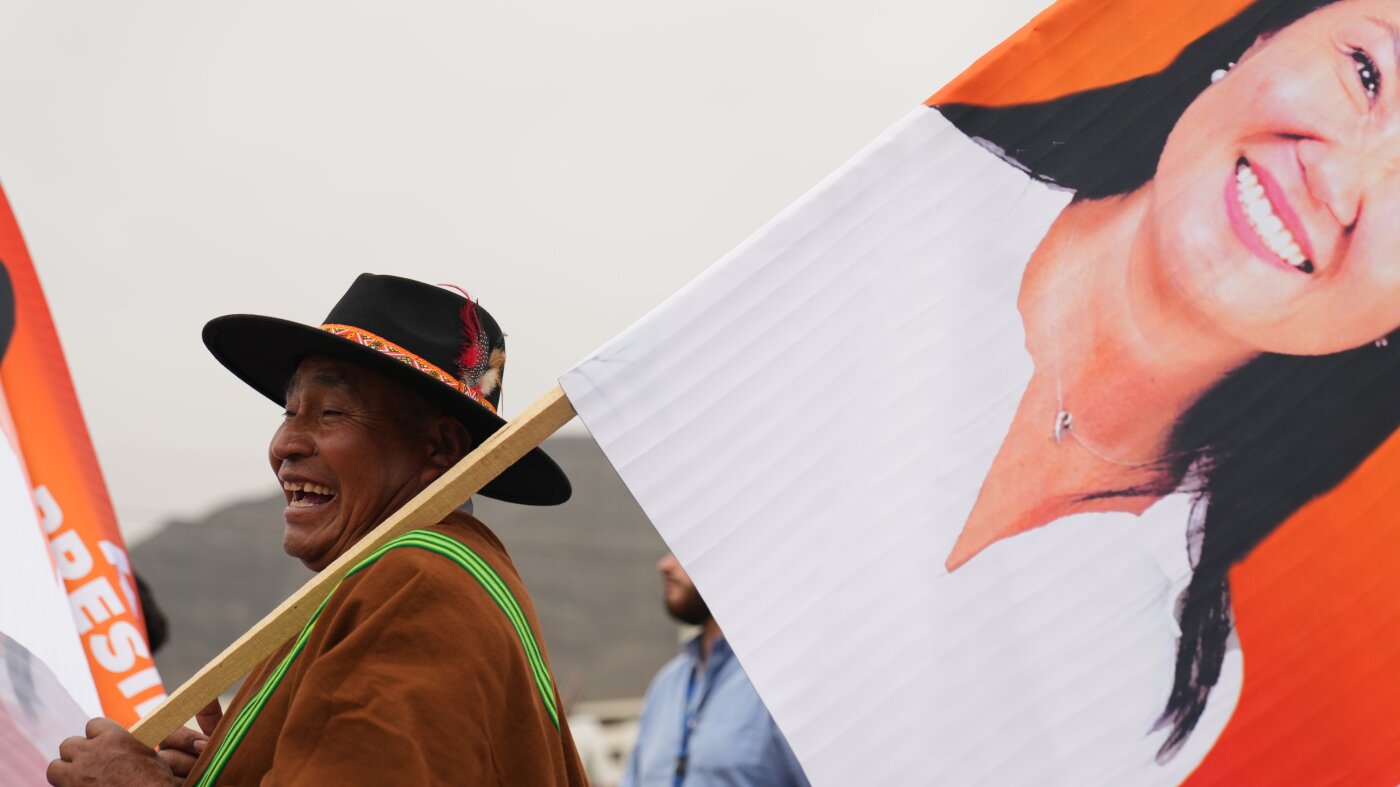
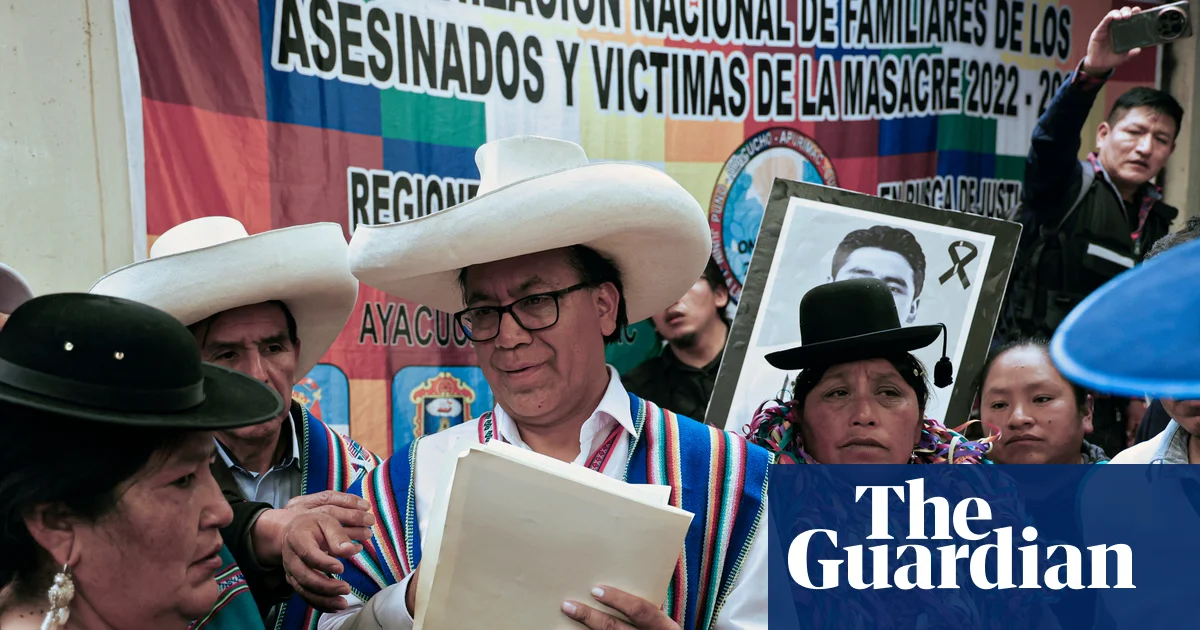
Peruvian society is divided between the capital, Lima and historically marginalized regions, particularly the Andean highlandsImage: Yaacov Dagan/Visually/picture alliance