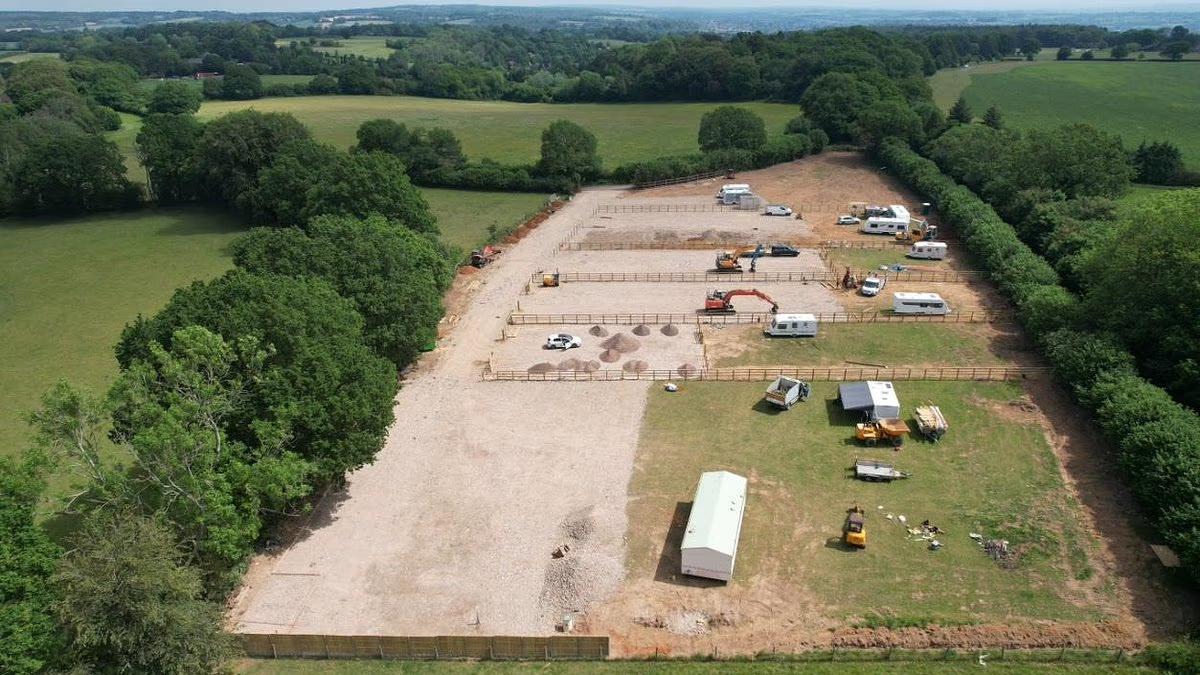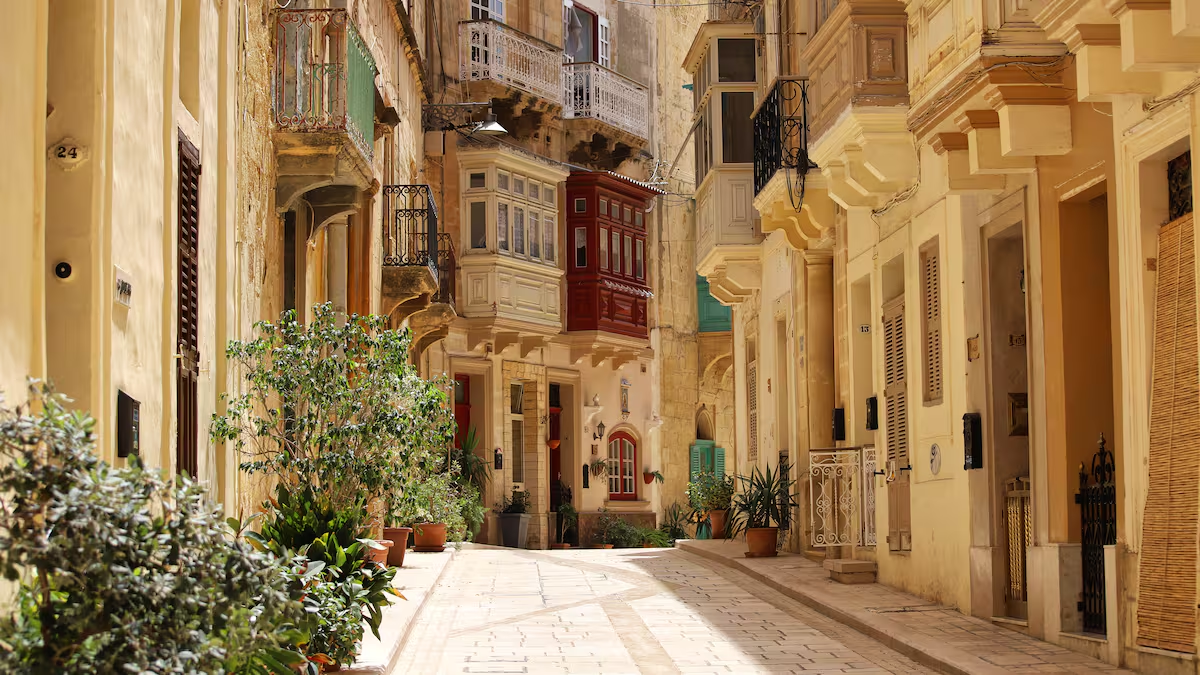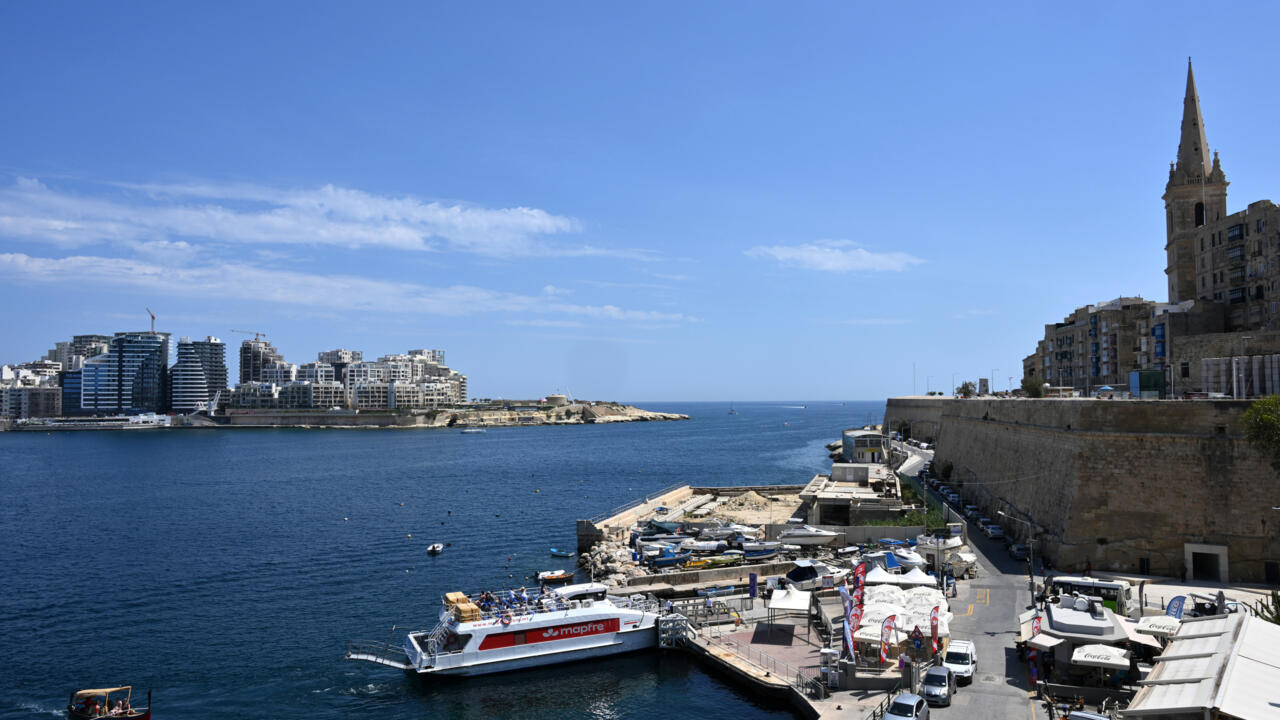
"Sometimes I wake in the night and think, 'My God, what if the diggers have come?'" Schembri, 42, told AFP after months of campaigning to prevent a road being laid across the plot.The tiny Mediterranean island is the most densely populated country in Europe, and approvals for new buildings are soaring despite scandals dogging the development sector.Malta sparked outrage last month over its decision to demolish a 19th-century British barracks to build a five-star hotel and housing complex, and experts warn the prehistoric Santa Verna Temple is also under threat from encroaching, pool-side luxury units.UNESCO issued a warning last year over the capital Valletta's World Heritage site status.But activist Andre Callus told AFP the "eating up of agricultural and green spaces" was an even bigger threat to the import-heavy country, which is on the front line of climate change and has few natural resources.
The tiny Mediterranean island is the most densely populated country in Europe, and approvals for new buildings are soaring despite scandals dogging the development sector © Alberto PIZZOLI / AFP
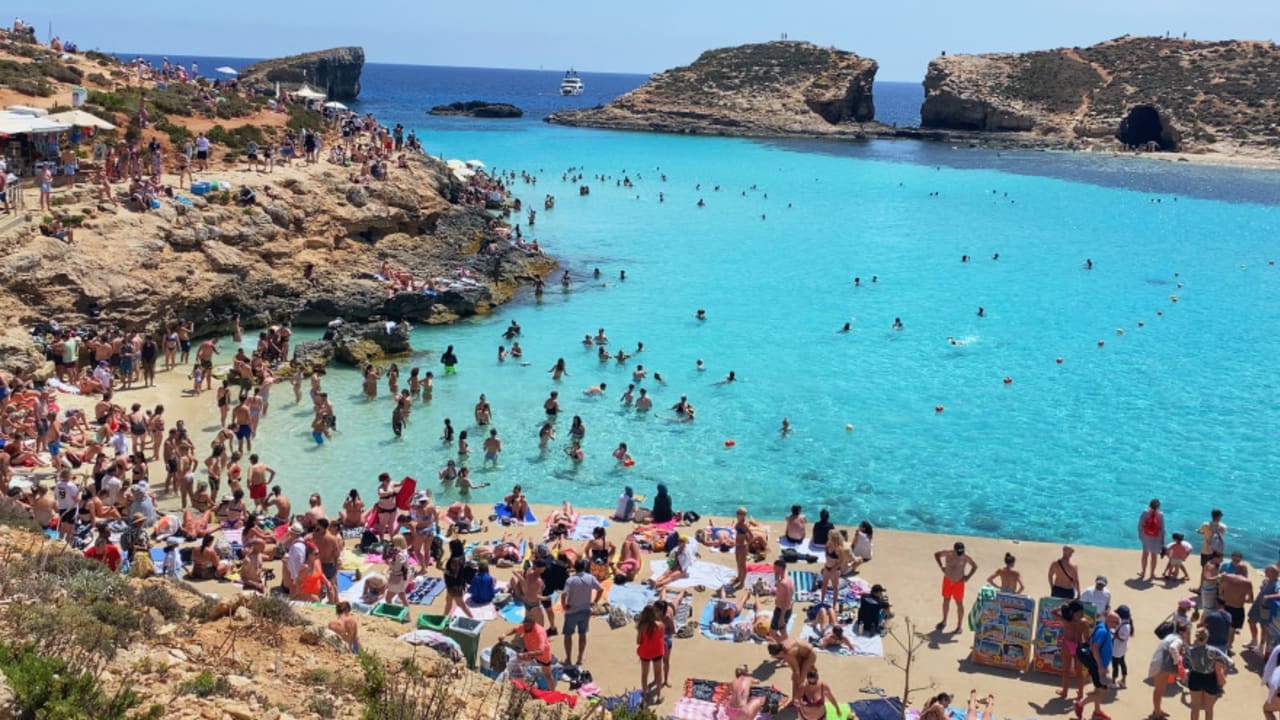
Malta's thriving economy, skyrocketing population and vast numbers of tourists -- around four million in 2025 -- are causing "massive development pressures on the land", said Callus, a member of rights campaign group Moviment Graffitti.The country's population has grown nearly 30 percent over a decade.People "suffocating" in over-developed towns are now escaping to the countryside and building there too, Callus said.'Major threat'Schembri's farming roots go back three generations, but her family donated the land decades ago to the Catholic Church, which in the 1990s gave it to the government to administer.Because the field in the southern part of Malta used to belong to them, the family paid a token rent."The feeling was that farming is top priority for the country, we need it for food, for security, so the government protected us," she said.But a 2006 change in the law meant plots across Malta could be built on.And as most farmers in Malta do not own the land they work, they cannot protect the fields, making the development push a "major threat to farming", Callus said.