The courtroom adjudicator stood up abruptly to interrupt a Ukrainian lawyer as he rapidly ran through the lengthy indictment of a Russian occupation official. A hundred Ukrainian lawyers, alongside British instructors and diplomats, adjusted their headsets, trying to follow the torrent of translated legal argument.
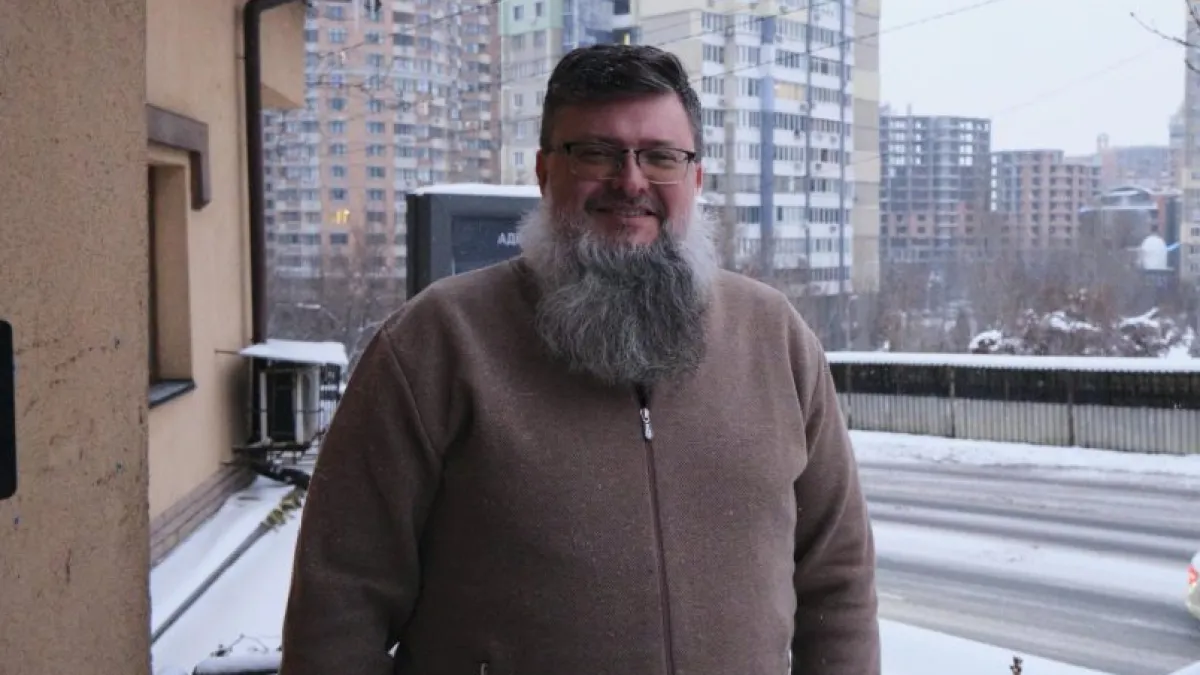
‘I ask you again, please, to slow down,’ the female adjudicator said. ‘If you keep speaking at these speeds, the translation team won’t make it to the end of the day.’ The Ukrainian prosecutor nodded, adjusted his glasses, and returned to the indictment.
Henadii Ivanovych Yazov, the First Deputy Governor of the occupied Kherson Oblast, stood accused of helping implement the Russian-imposed policy of coercing and deporting the occupied territory’s local population. The prosecution argued Yazov used administrative pressure, including passport restrictions, the deprivation of access to basic utilities and deportation decrees, to force civilians either into compliance with Russian rule or out of occupied regions altogether.
Future prosecutions would only survive international scrutiny if they are seen to be fair
The defence wasted no time in objecting: the evidence was insufficient to prove Yazov was carrying out a Russian state policy of forced deportation. They argued this merely showed an occupying administration attempting to govern hostile territory during wartime. The British advisers then stopped the proceedings to dissect the arguments.