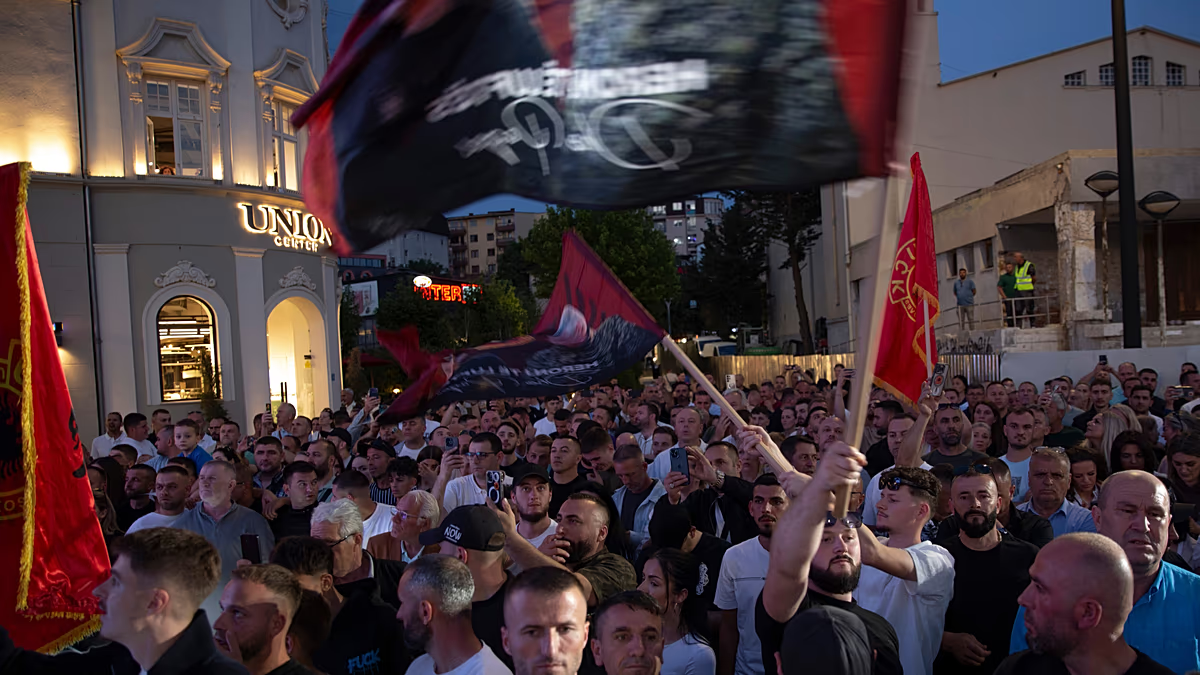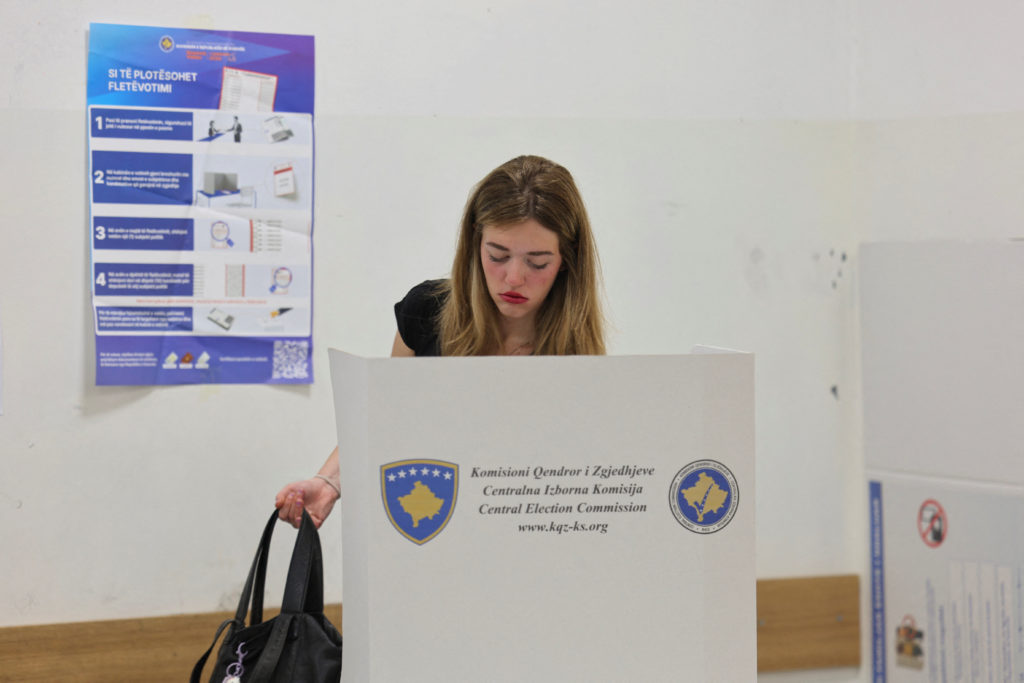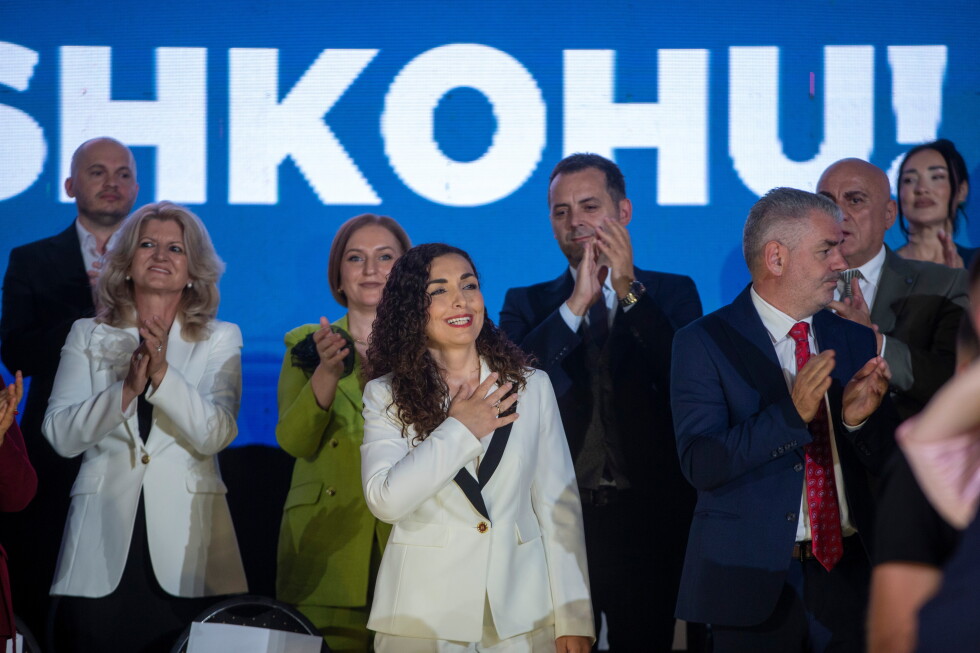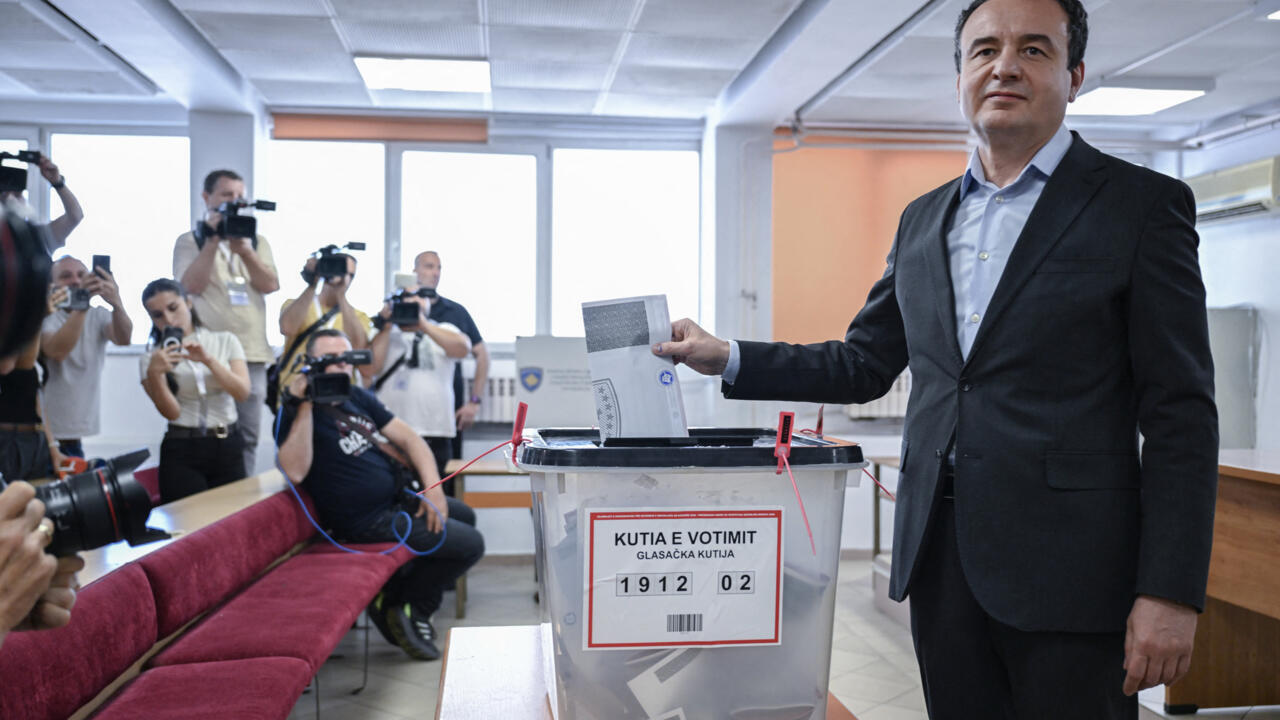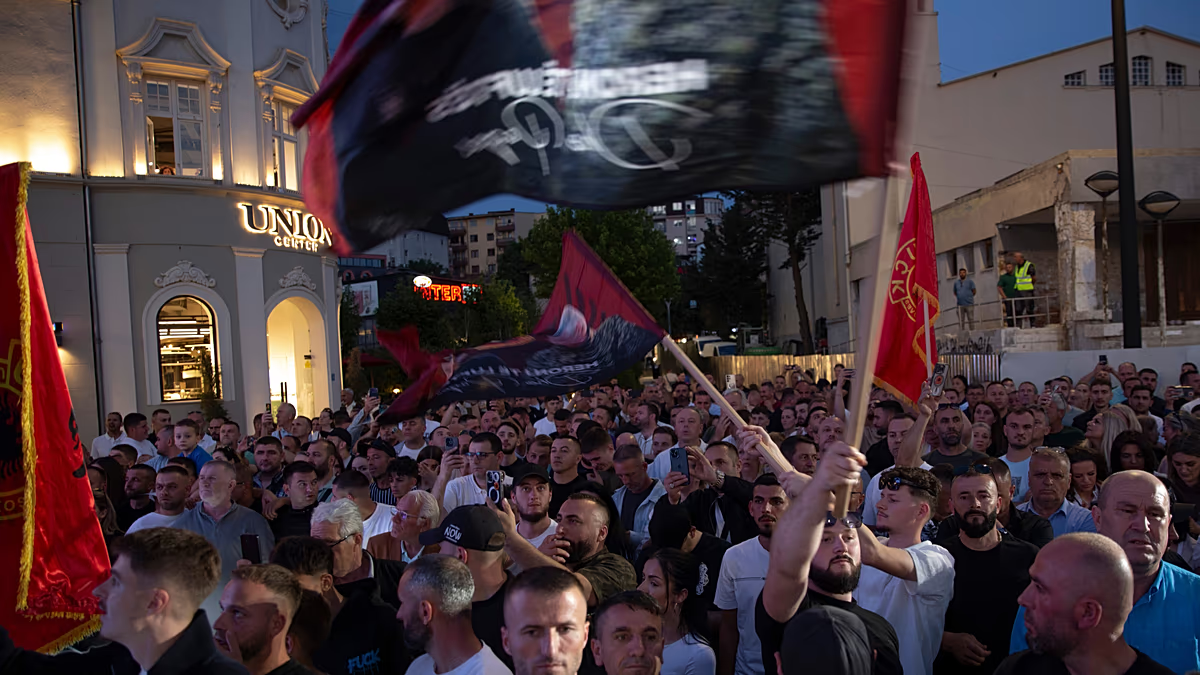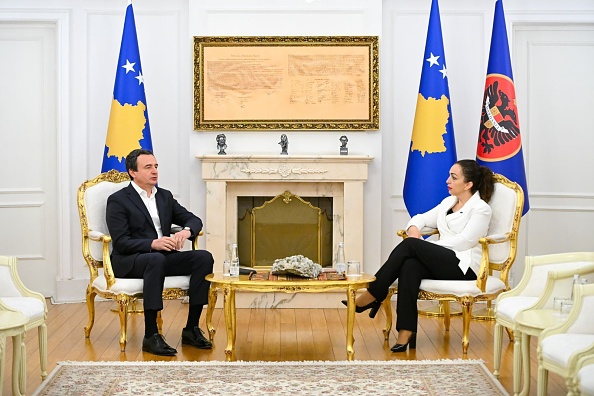
Kosovo has been trapped in a rolling political crisis, leaving it with only partially functional institutions
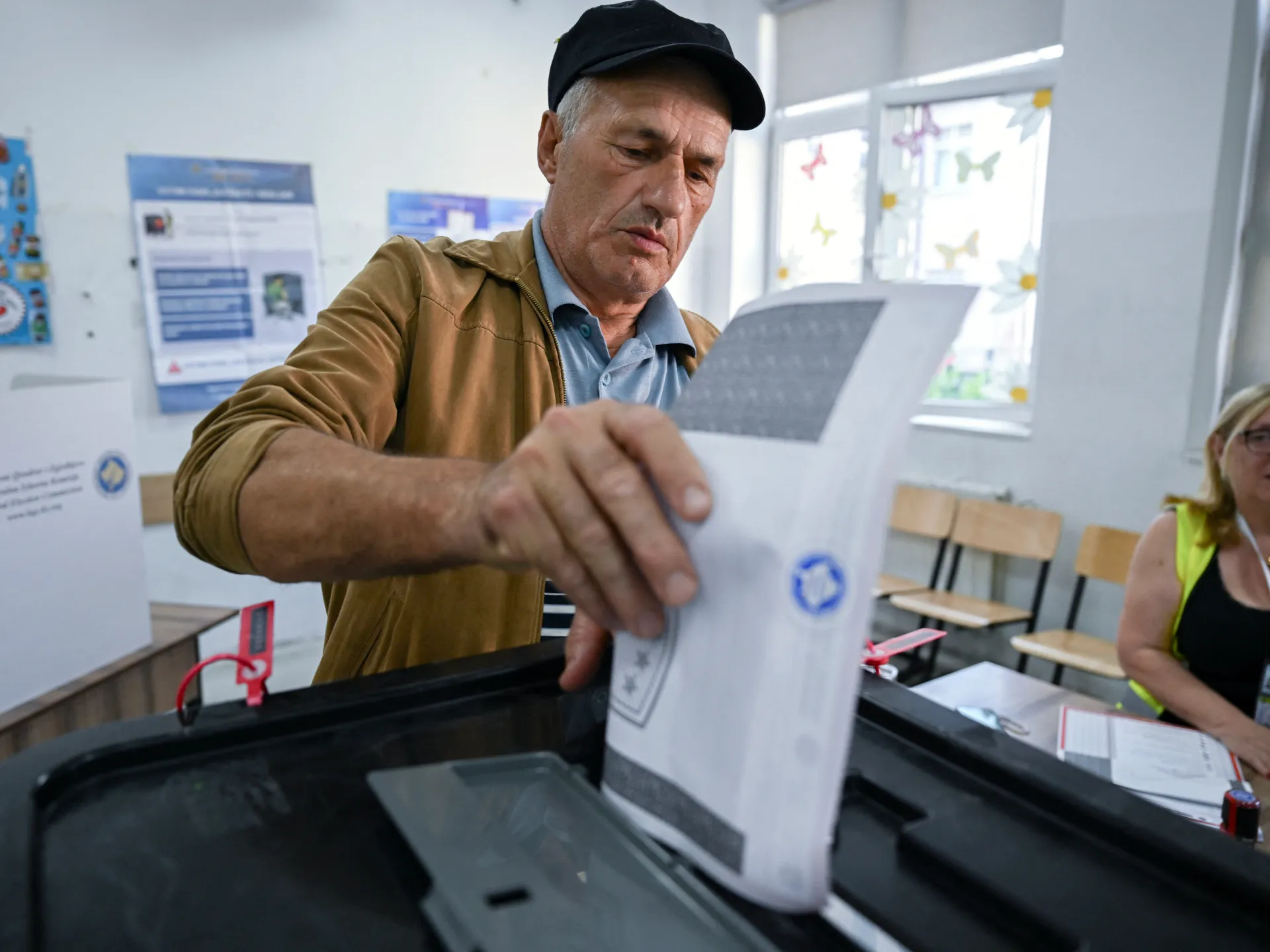
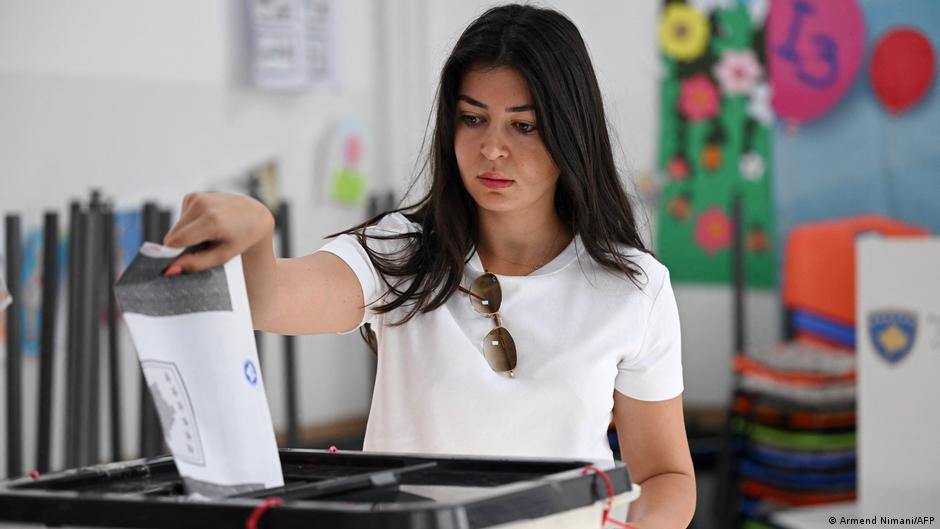
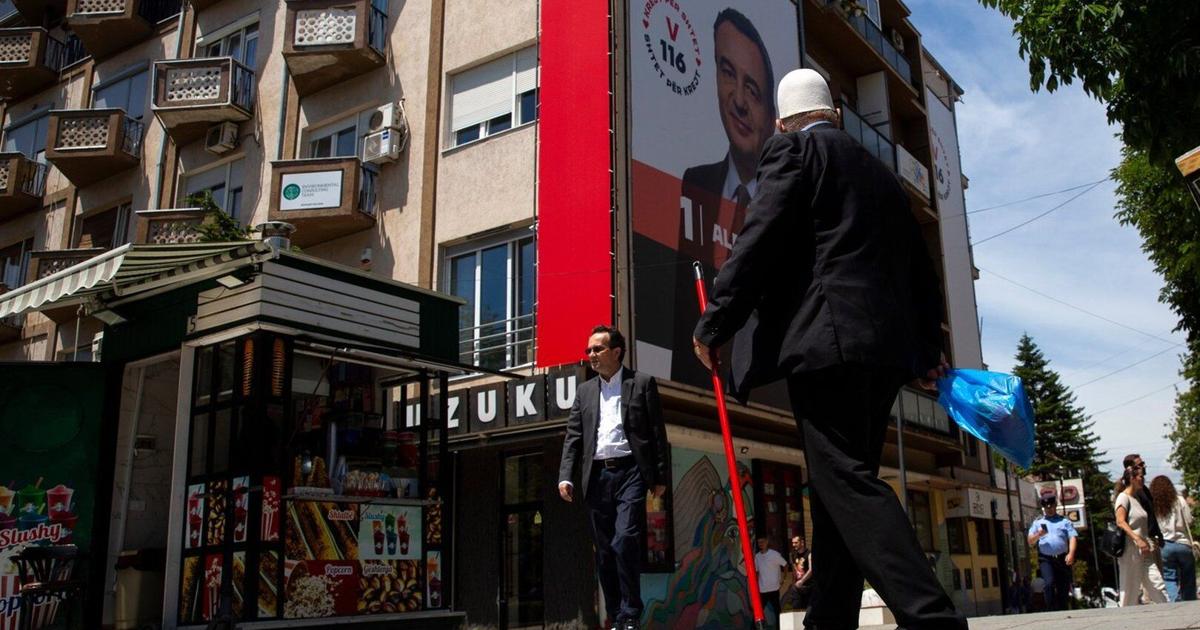
Voters in Kosovo will head to the polls on Sunday for the third time in just over a year, in a parliamentary election with major consequences for its relationship with the European Union.
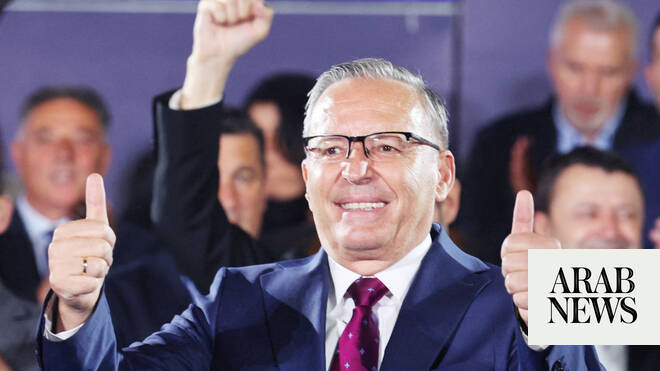
For much of the past year and a half, Kosovo has been trapped in a rolling political crisis, leaving it with only partially functional institutions. Much of the blame has fallen on Prime Minister Albin Kurti, a nationalist who critics say is unwilling or unable to compromise.
António Costa, the European Council president, visited Pristina on Wednesday and noted that the EU has invested €3.7 billion in Kosovo since 1999. He also made clear that “strong, stable and functioning institutions” and normalisation between Kosovo and Serbia are critical to Kosovo’s European path.
Log in to continue reading for free