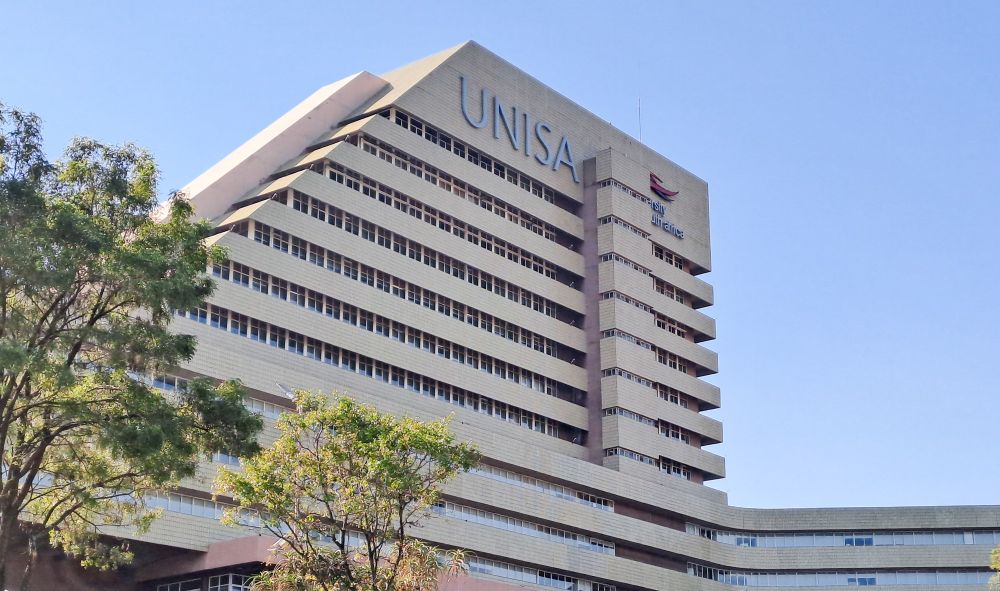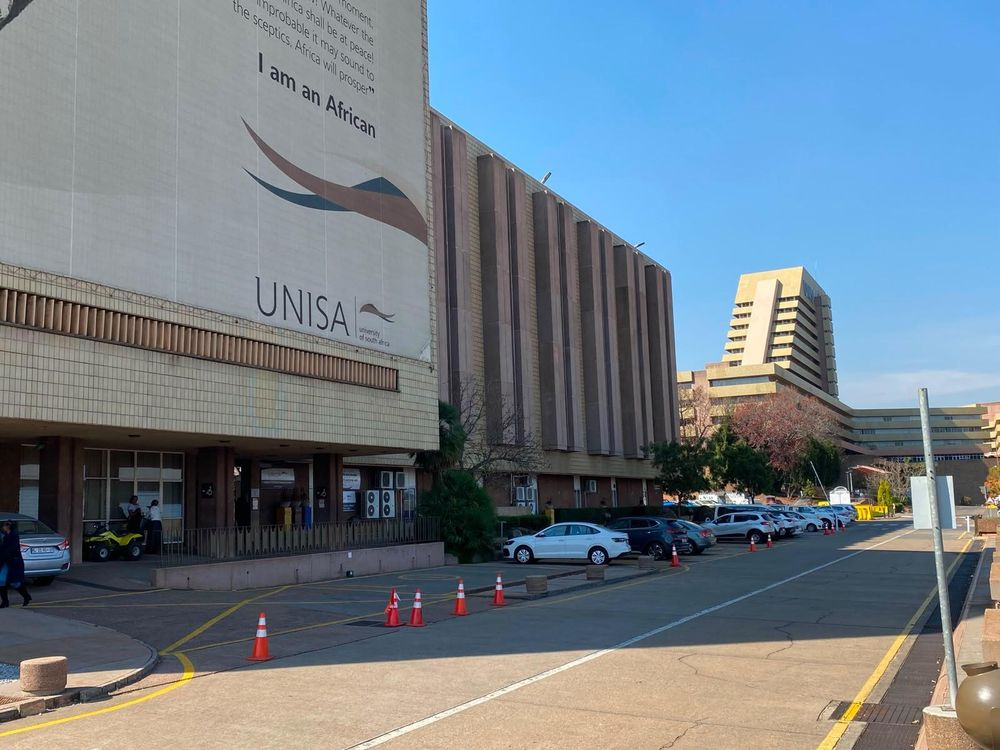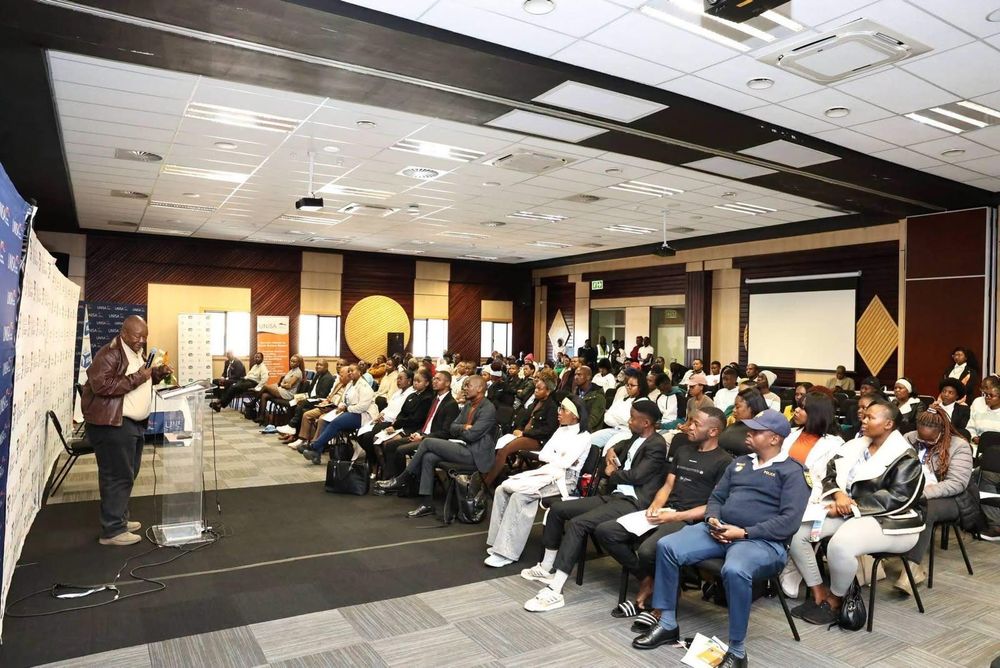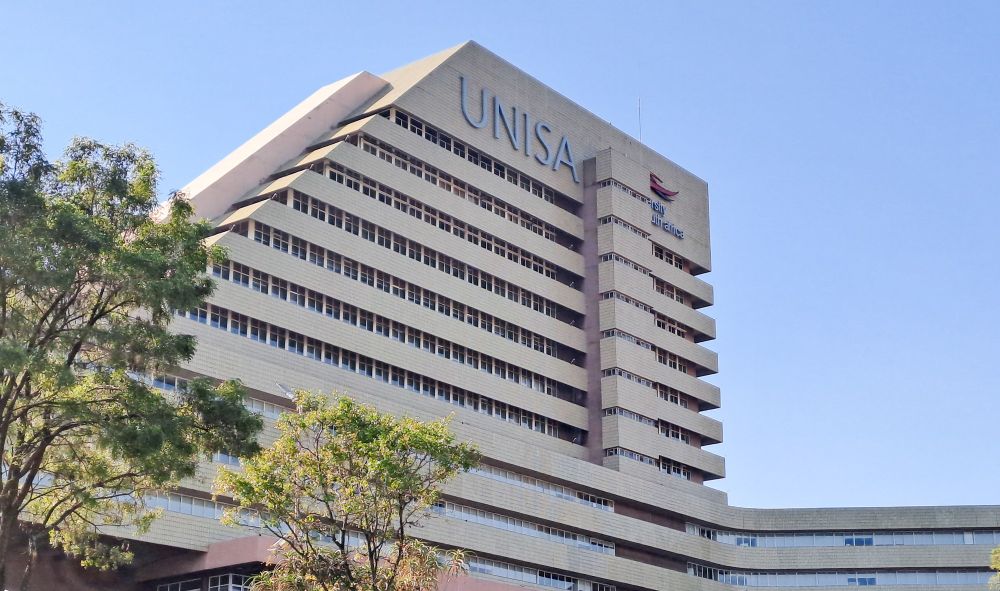
The University of South Africa (Unisa). The lesson from Sars is that institutions should not be defined solely by the challenges they encounter but also by their capacity to respond, adapt, and improve. Similar lessons can be drawn from Unisa's experience.
IT IS often said that one cannot praise a fish for swimming because swimming is intrinsic to its nature. Yet this analogy raises an important question in the context of leadership and public institutions: should exceptional performance be overlooked simply because it is expected?
Across many sectors, leaders are frequently judged by failures and shortcomings, while successes and institutional achievements receive comparatively less recognition. This tendency is particularly evident in public institutions, where public scrutiny is intense and where leadership is often evaluated through the lens of crises rather than progress.
South Africa’s democratic experience offers several examples of institutions that have successfully recovered from periods of difficulty and emerged stronger. The revival of the South African Revenue Service (Sars) following the challenges associated with state capture is one such example.
Once regarded as one of the country’s most effective public institutions, Sars experienced significant organisational disruption, declining public confidence, and weakening operational effectiveness.