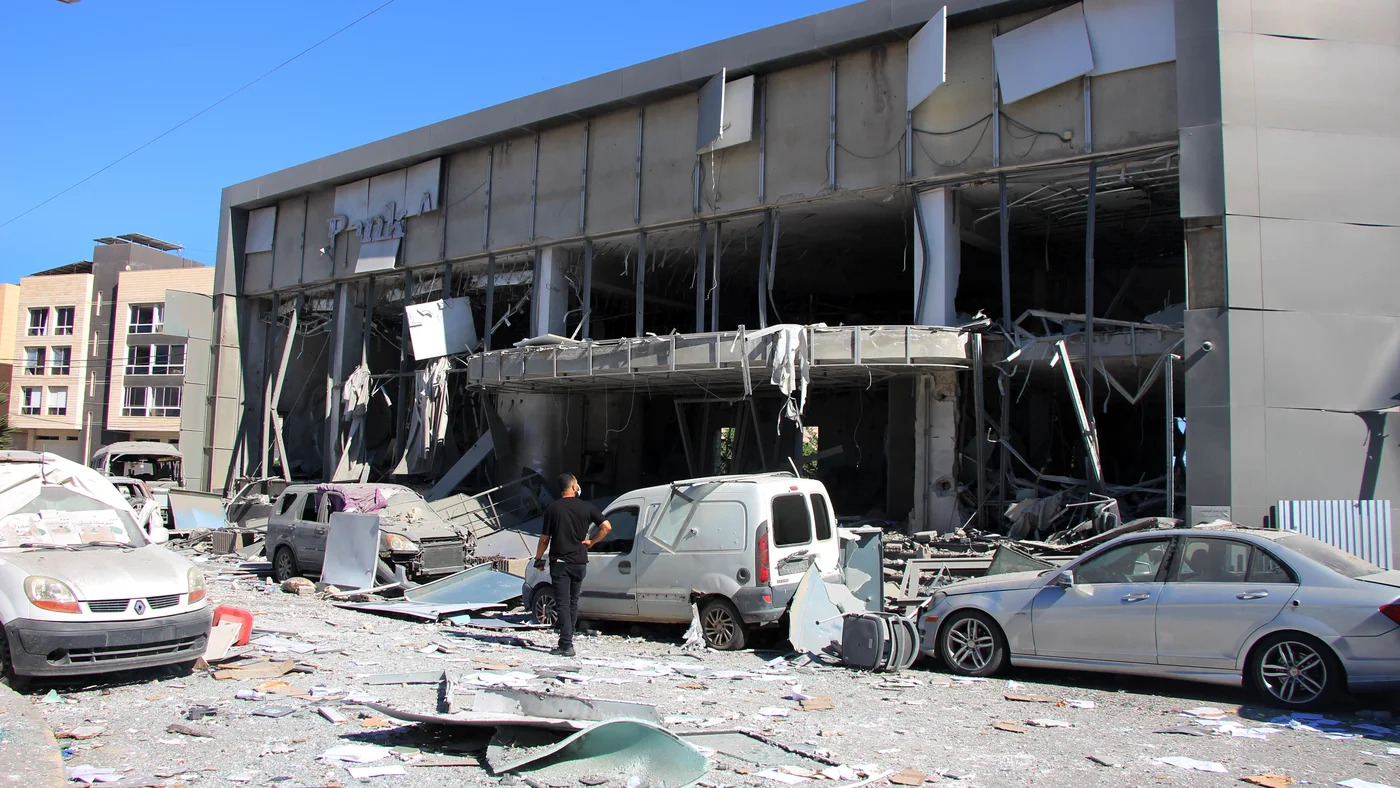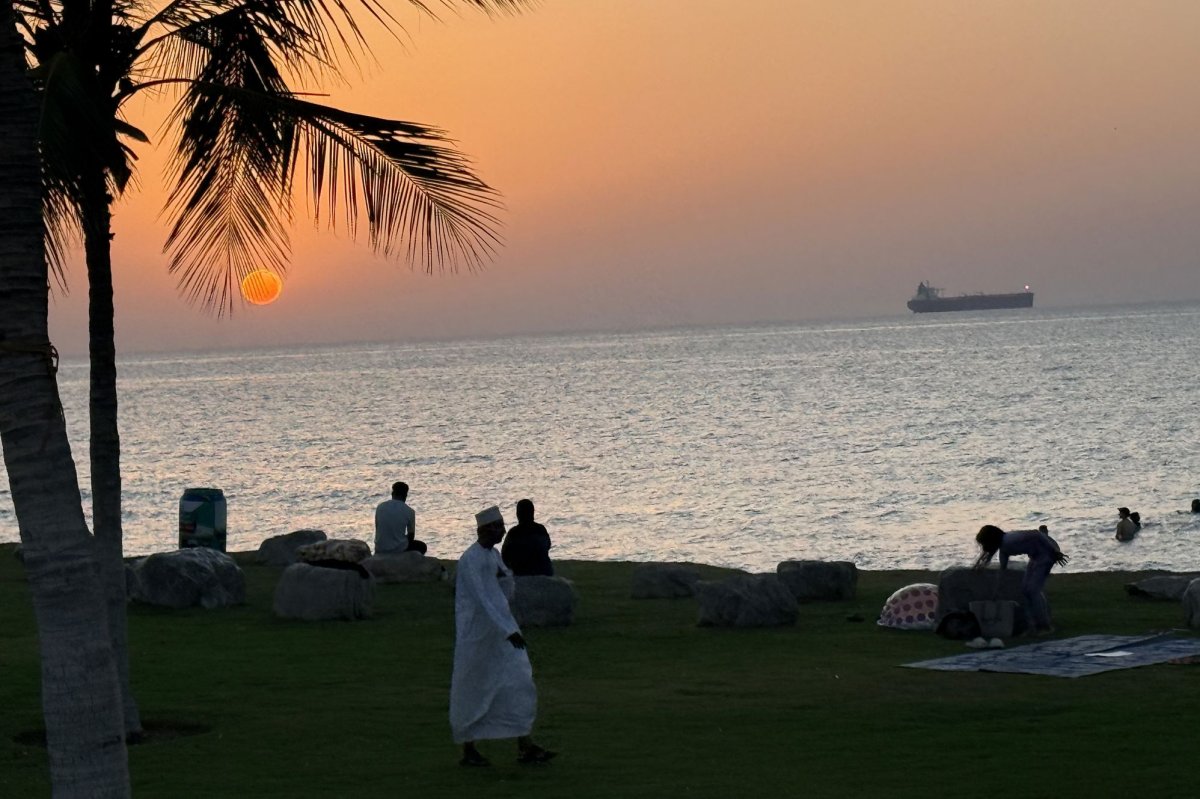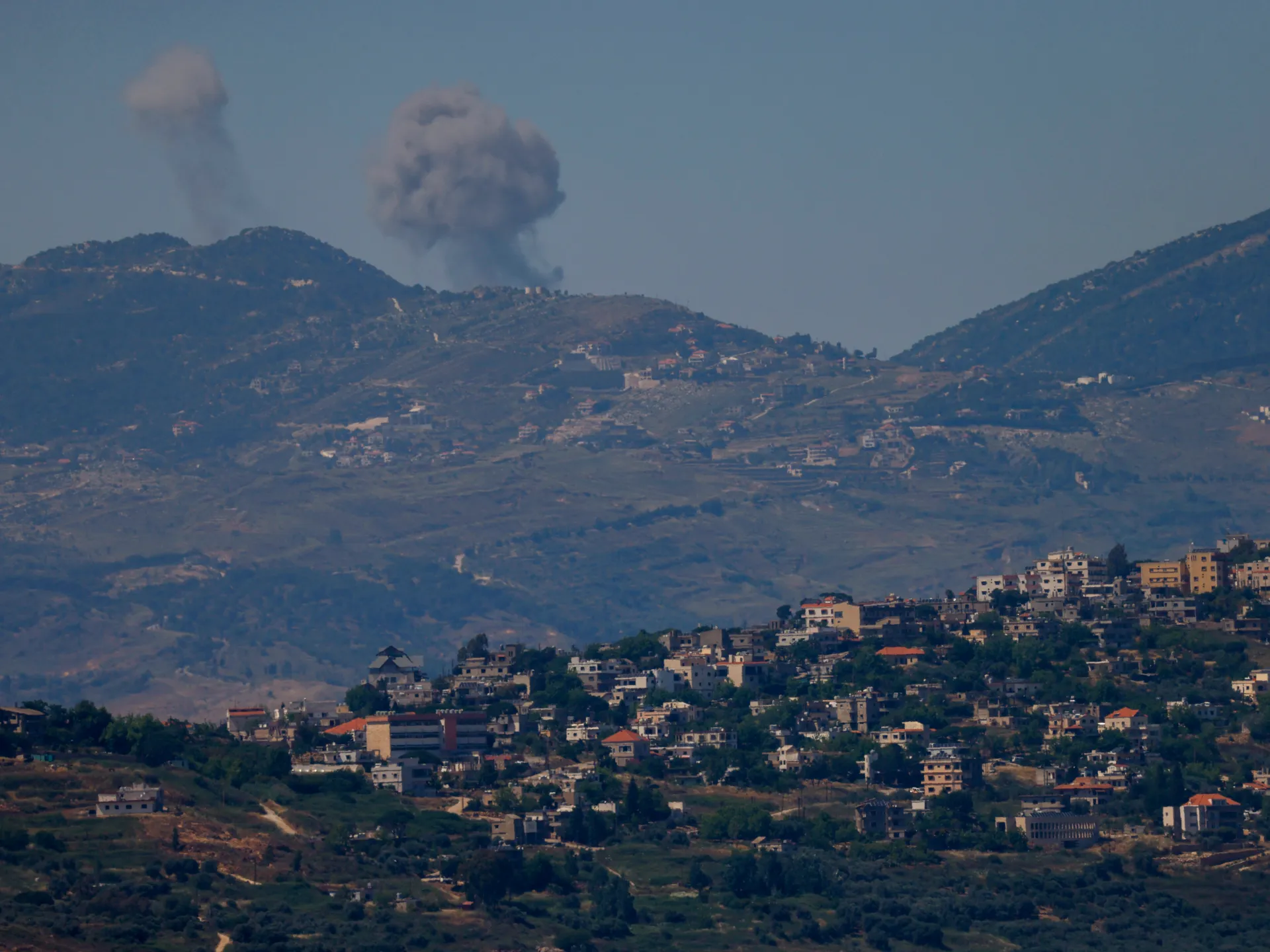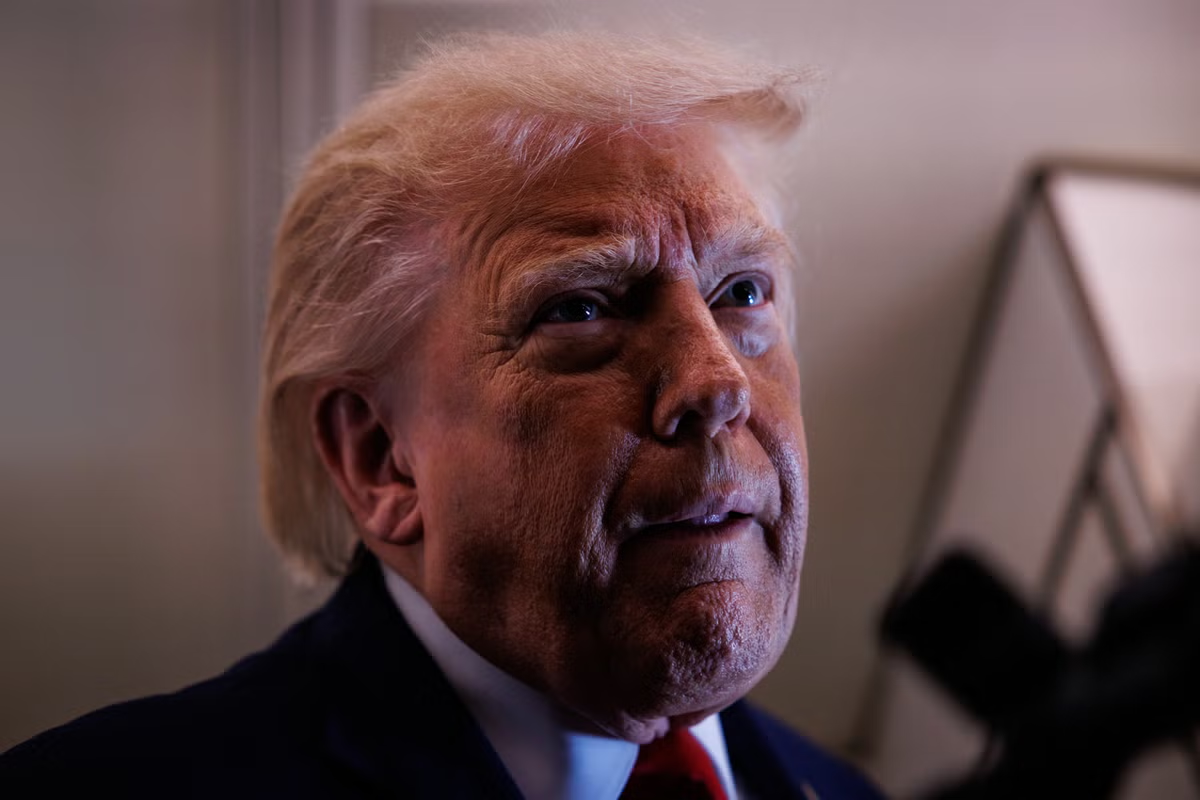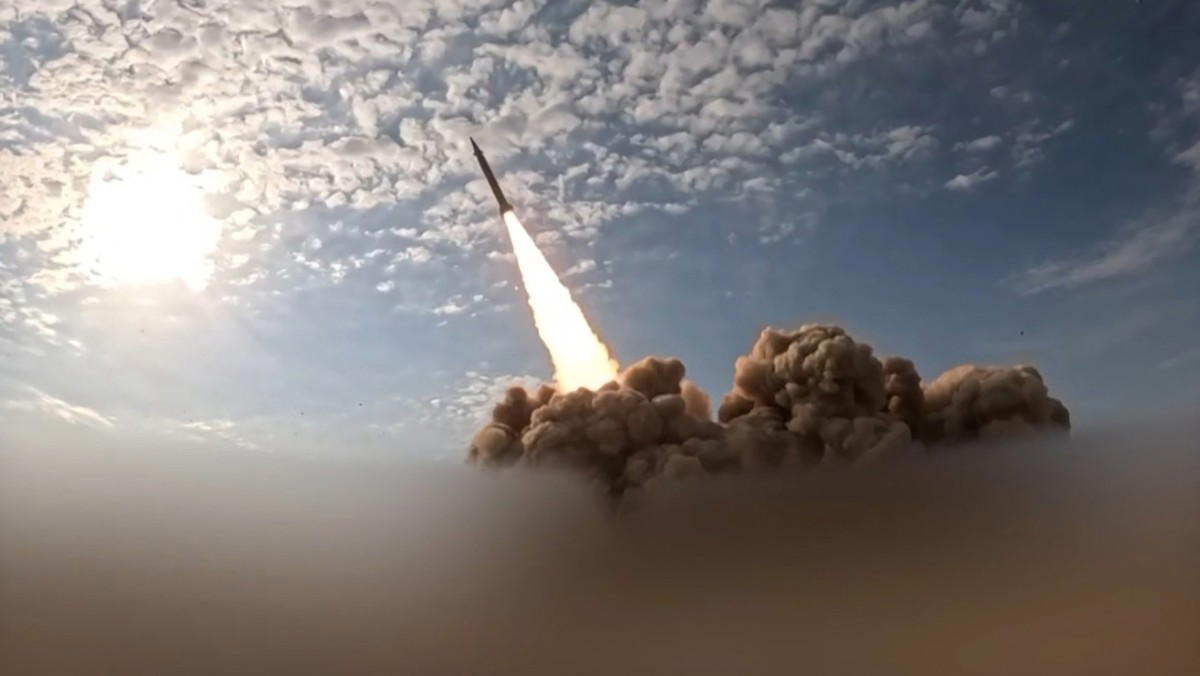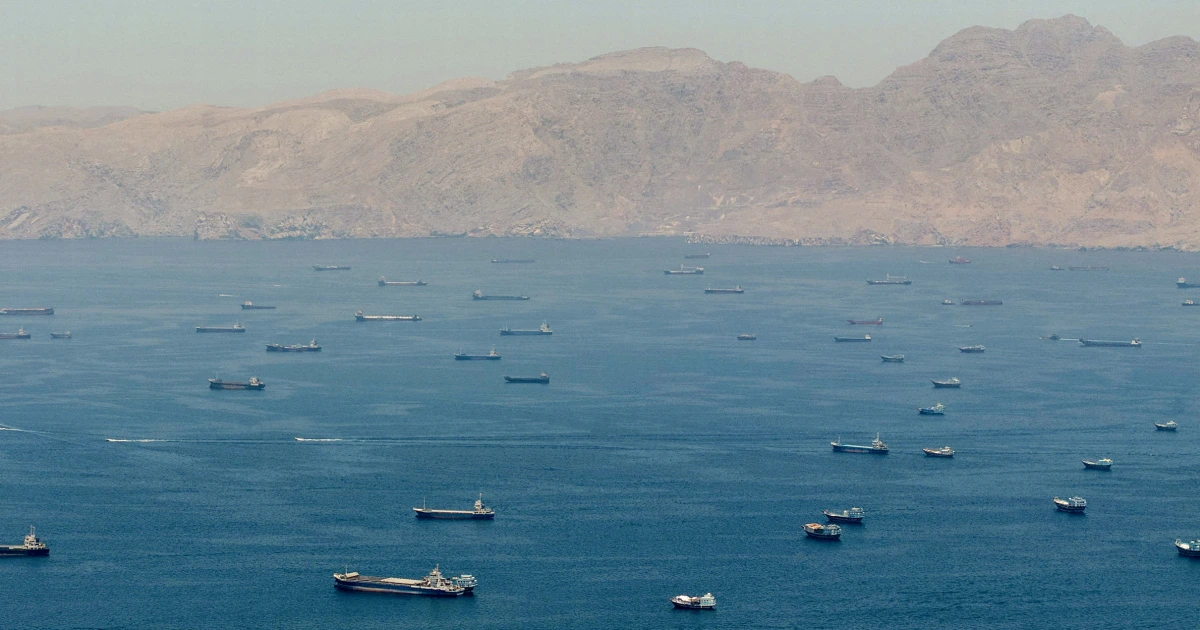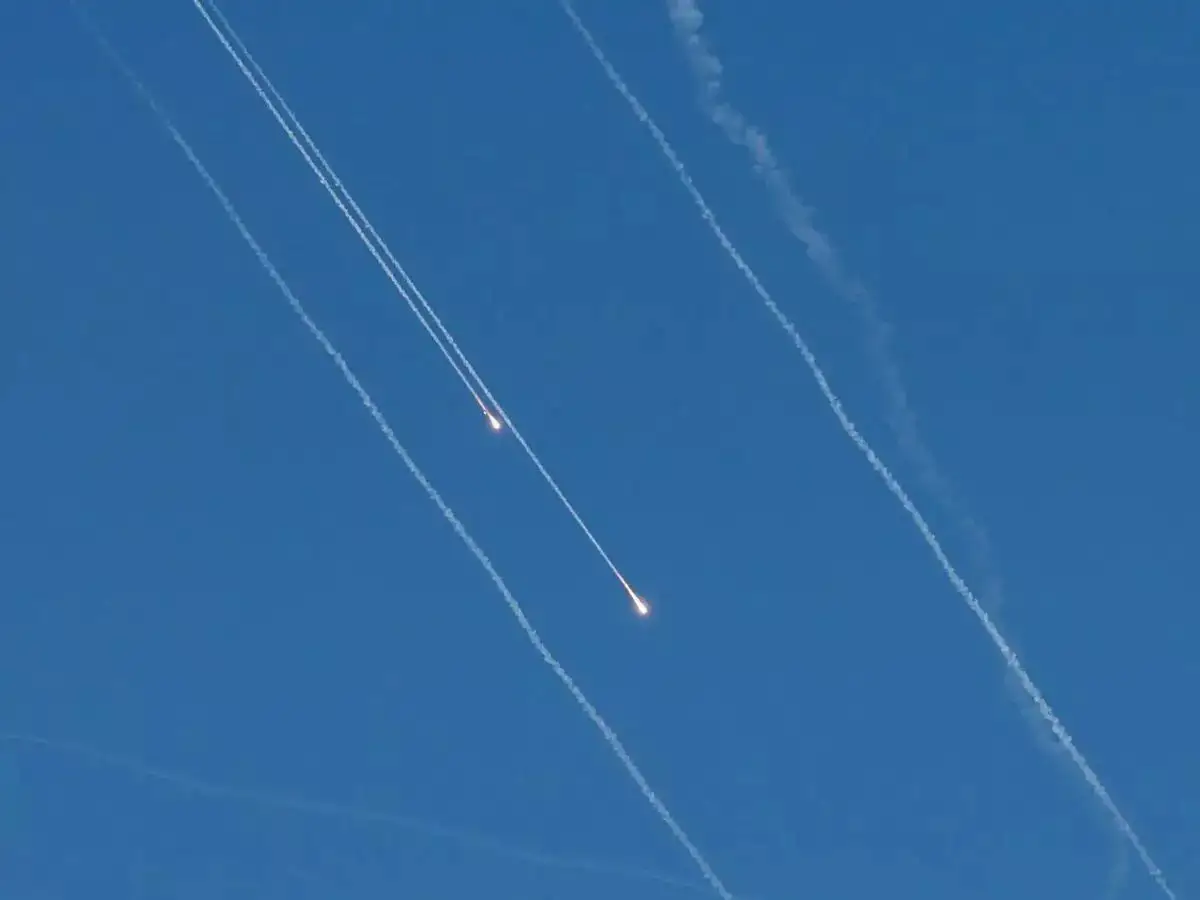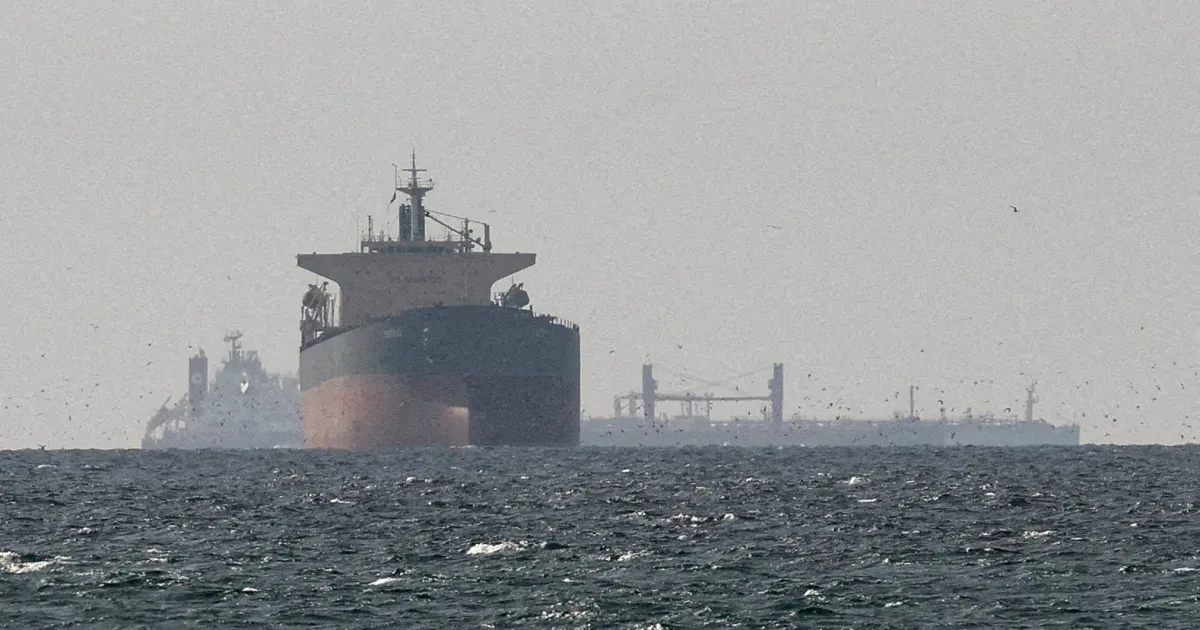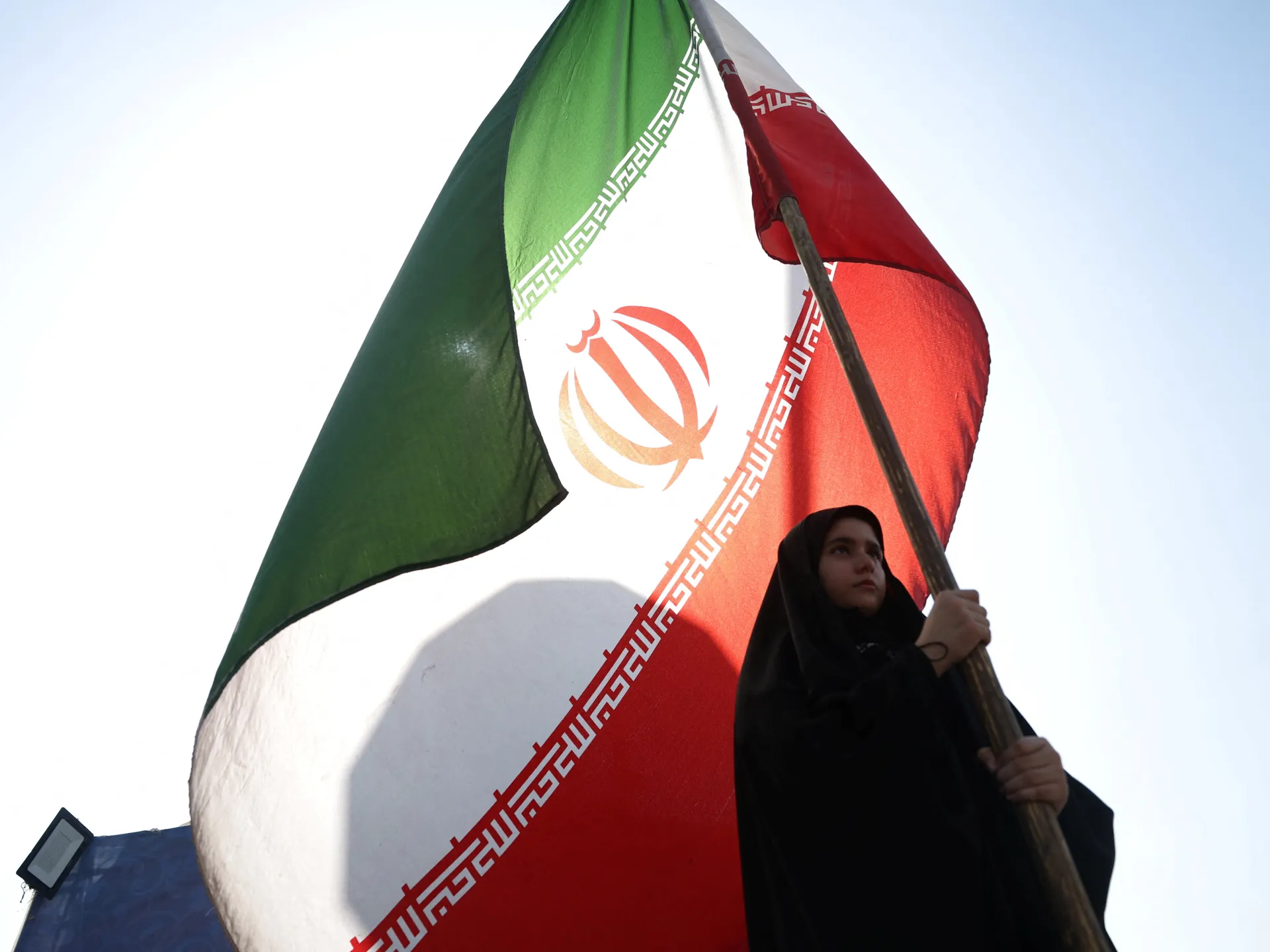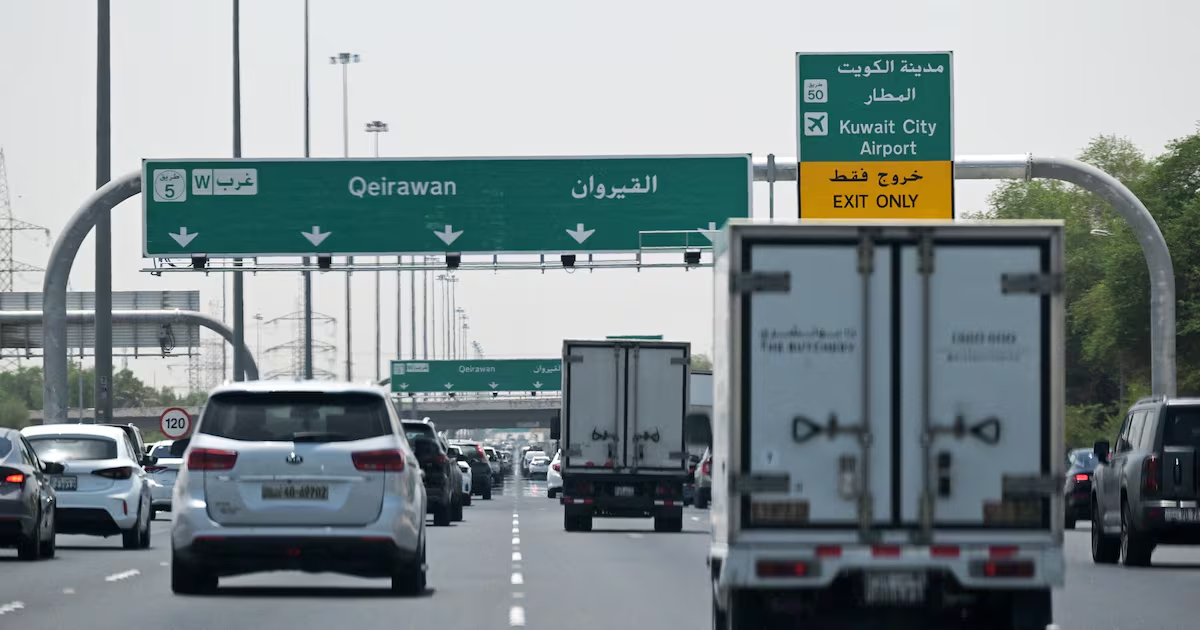
Iran launched seven ballistic missiles towards Kuwait and Bahrain late on Friday, US forces said.The strikes on the Gulf states came hours after US Central Command reported that four Iranian "one-way attack” drones had been shot down and that the US had struck coastal sites in Iran.The four Iranian attack drones were launched towards the Strait of Hormuz, Centcom said in a statement, adding that they posed an immediate threat to regional maritime traffic.US forces subsequently struck Iranian coastal surveillance radar sites in Goruk and on Qeshm Island to defend against further maritime attacks, Centcom said.Play00:28US attacks Iranian radar sites after drone threatIn a separate statement posted on X, Centcom said it intercepted six of the missiles Iran launched towards Kuwait and Bahrain, while the seventh "did not reach its intended target”."There are no reports of harm to US personnel, and Iranian claims of damaging US 5th Fleet headquarters in Bahrain are false,” the statement read. "Centcom forces remain vigilant and postured to continue responding to unwarranted Iranian aggression in self-defence,” it added.Kuwait's army said any explosions heard were the result of interceptions by air defence systems and urged the public to follow safety and security instructions issued by the relevant agencies.Iran said the attacks against “enemy bases” in the region were in response to US military aggression against the Iranian city of Sirik and Qeshm Island in the Strait of Hormuz.It warned its “enemy” that it faces a “complete closure” of the Strait of Hormuz if attacks continue.The attack on the Gulf is the second one this week. A Iranian drone strike on a passenger terminal in Kuwait's international airport killed one person and wounded 63 more on Wednesday, as the conflict escalated between Tehran and US forces in the Gulf. Washington and Tehran have been engaged in largely indirect negotiations to secure an interim deal to halt the three-month-old war that would leave issues including Iran's nuclear programme to further negotiations. However, several weeks of peace talks are yet to produce a resolution to the conflict.As part of any agreement, Tehran wants access to billions of dollars in oil revenue, waivers on sanctions on crude exports, the lifting of a US blockade on its ports and leverage over the strait. Iran has effectively blocked the strait, where about a fifth of the world's oil transited before the war. US President Donald Trump is facing mounting domestic political pressure due to rising gas prices to bring the unpopular war to an end. He told NBC that while most of Iran's drone and missile manufacturing facilities had been destroyed, the Iranians still have access to about a fifth of their missiles."They have some missiles, they have some drones. I would say percentage wise, maybe 21 per cent to 22 per cent of their missiles. It's a lot of missiles, but it's not what it was when we first attacked,” Mr Trump told NBC News' Meet the Press programme, according to excerpts released by the network on Friday.When asked why Iran’s leaders – if as desperate as he has portrayed them – were not more inclined to strike a deal, Mr Trump said:"Because they are strong. They're proud. There are things they never thought they'd be doing that they're going to have to do, they've got no choice, and it takes a little while.”Israel and the US launched the war with air strikes on Iran in late February.
Iran attacks Kuwait and Bahrain with seven ballistic missiles | The National
Strikes come hours after US military intercepted Iranian drones heading for the Strait of Hormuz
567 words~3 min read