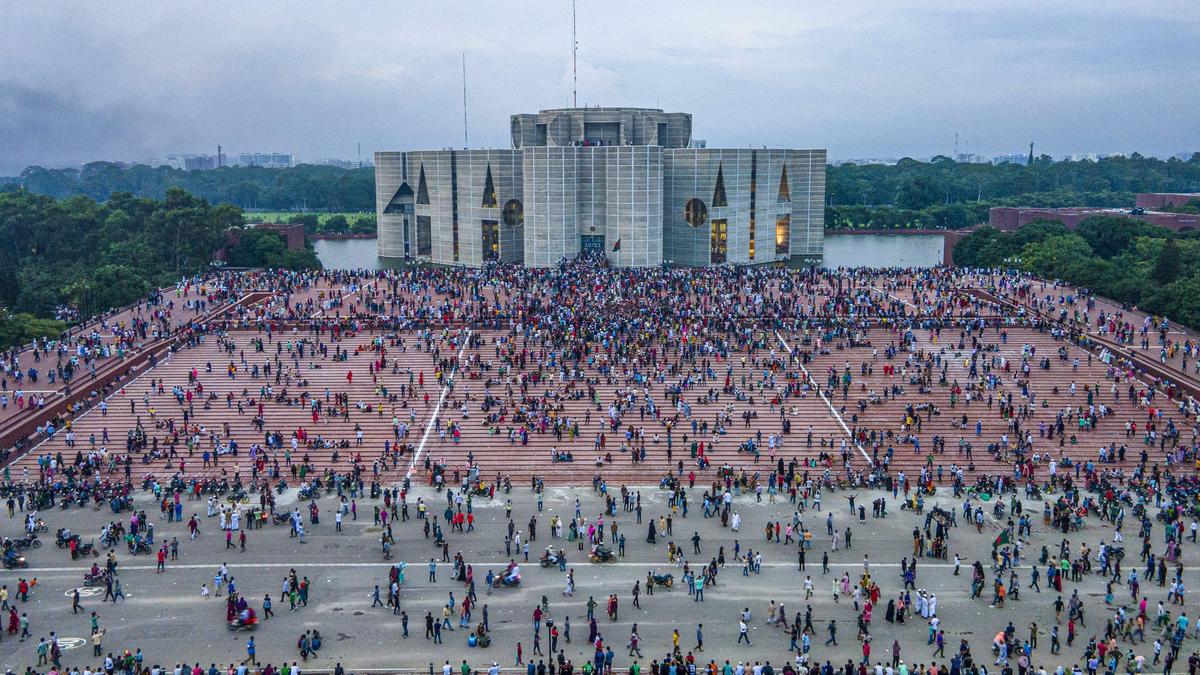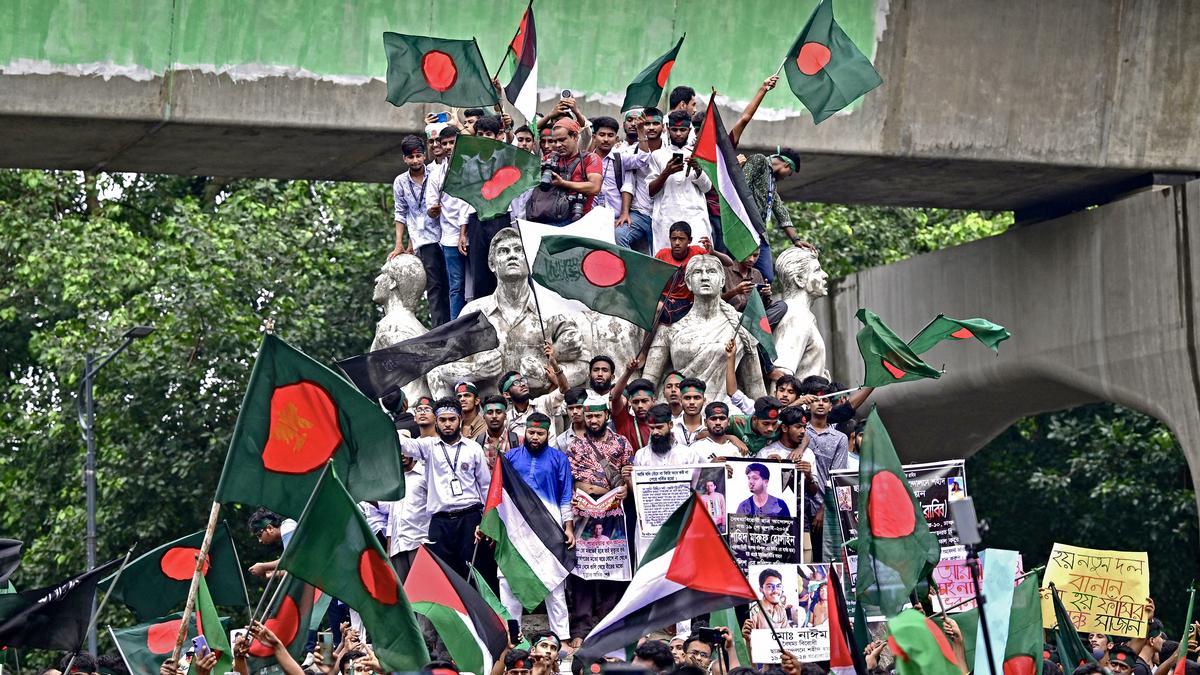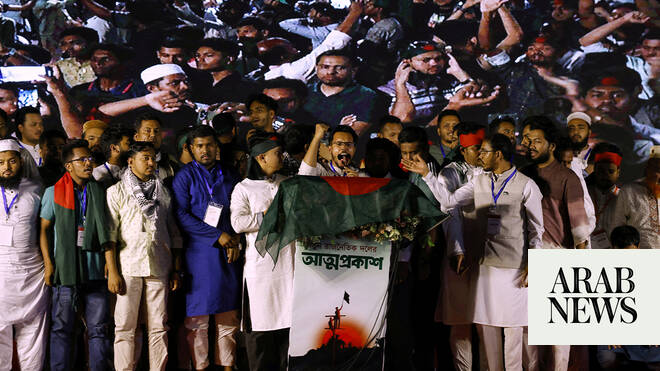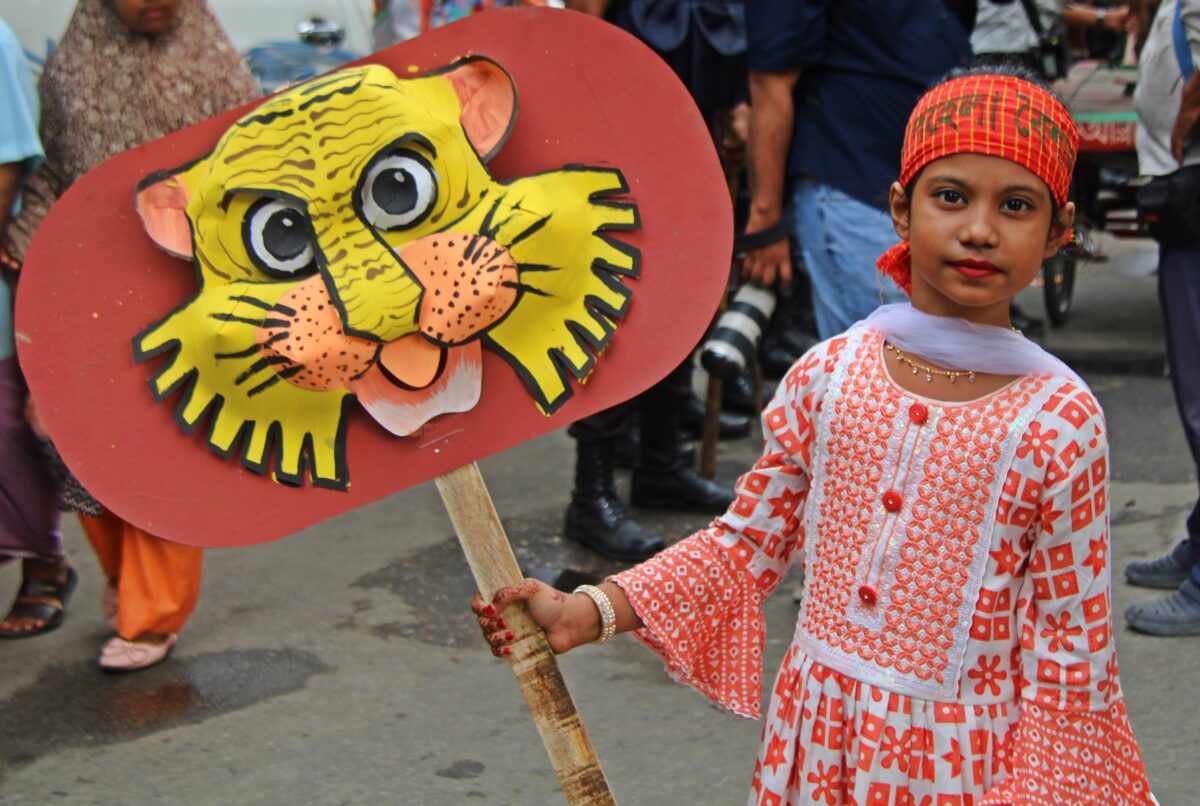
The April 2026 dispute over Bangladesh’s UNESCO-listed Bengali New Year procession — Mangal Shobhajatra — revealed how the country’s post-election politics have shifted toward centring conservative religious expectations. The procession has often been associated with Bengali secular and cultural nationalism, yet during the interim period following the 2024 July Uprising, the celebration was renamed to Anondo Shobhajatra.
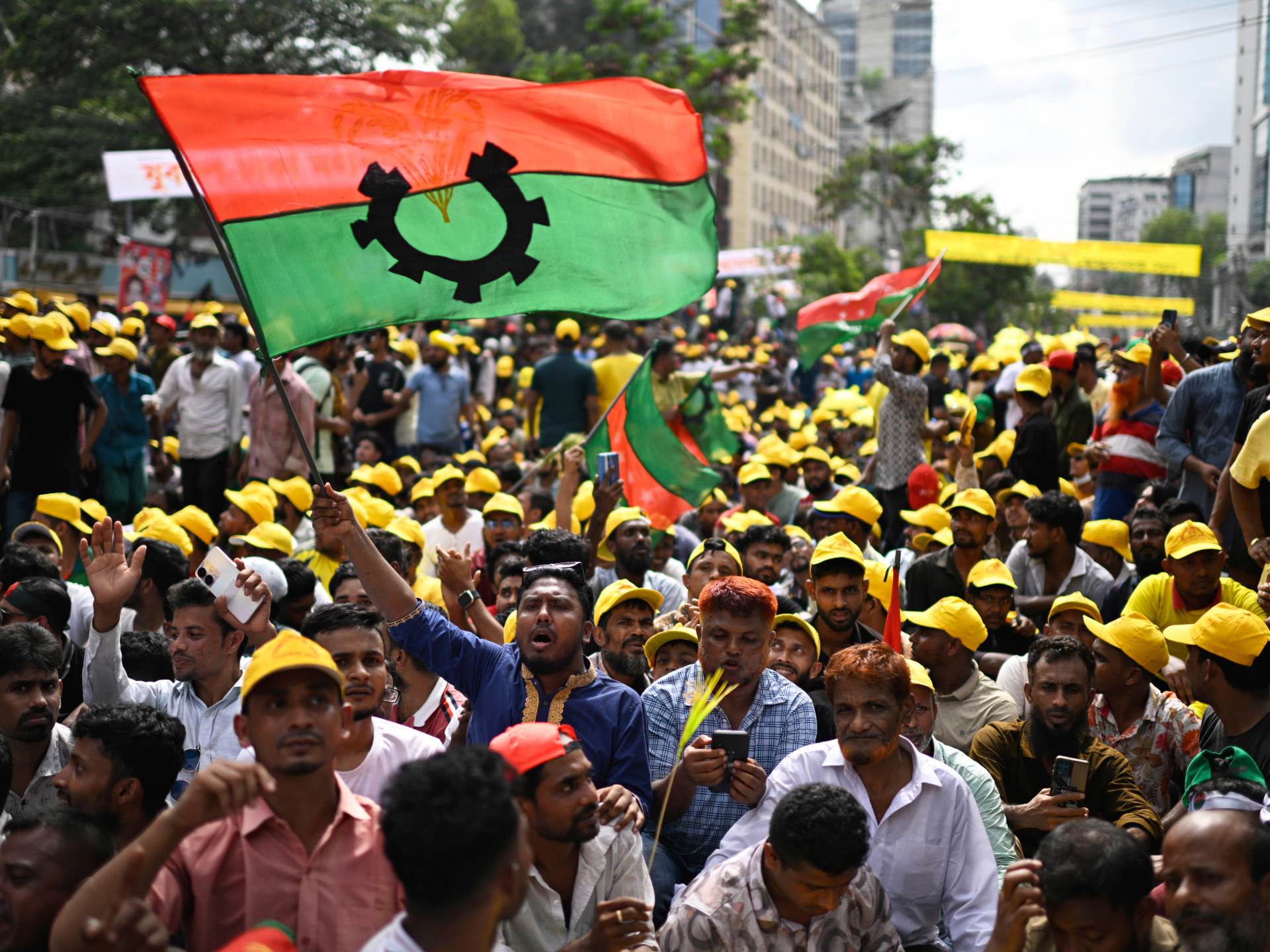
After the 2026 election, the Cultural Affairs Minister from the ruling centre-right Bangladesh Nationalist Party (BNP) initially indicated that the earlier name would be restored. That statement drew criticism from Bangladesh’s prominent Sunni Islamist advocacy group Hefazat-e-Islam and other conservative religious groups. The event was finally given the comparatively neutral name Boishakhi Shobhajatra. Officials framed the change as administrative and cultural. But for many Bangladeshis, it looked like another concession over a public symbol of pluralistic Bengali identity. Radical groups have previously targeted Bengali New Year celebrations that have come to represent secularism and diversity.
In Bangladesh and South Asia more broadly, political competition appears increasingly confined to a conservative spectrum rather than a traditional left–right divide. The decades-long rivalry between the Awami League government and the BNP was often seen as a contest between secular Bengali nationalism and religiously inflected Bangladeshi nationalism. Though imperfect, that competition still offered voters meaningfully competitive visions of the state, citizenship and national identity.