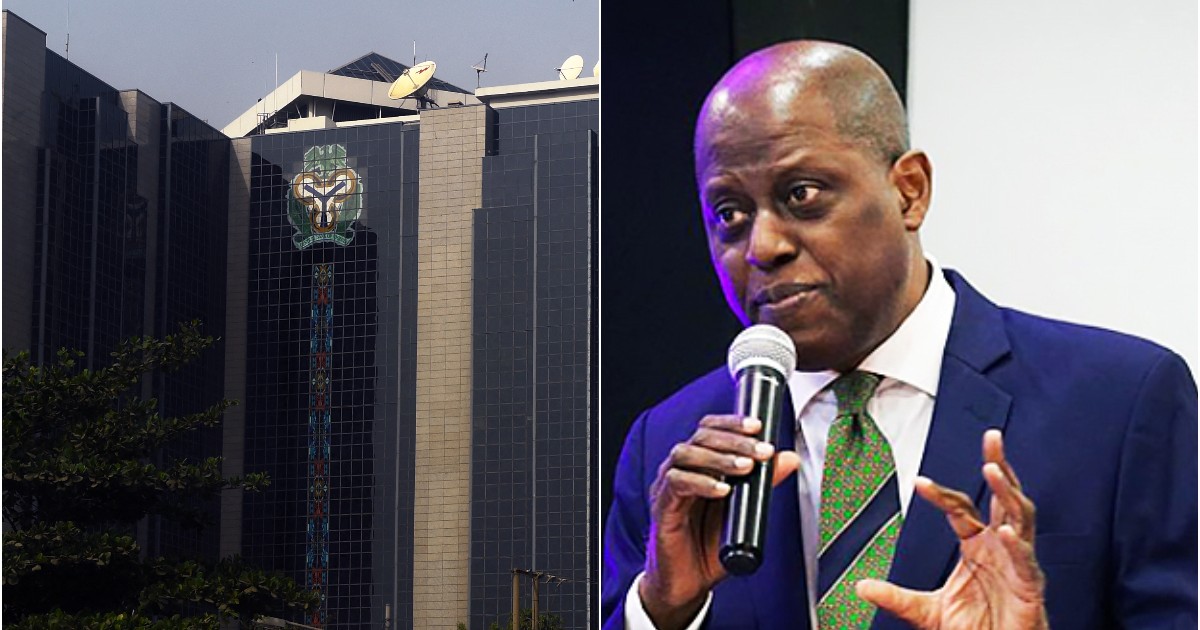
James Emejo writes that the recent unveiling of the revised Foreign Exchange Manual by the Central Bank of Nigeria is a watershed in ongoing effort to restore order, rebuild confidence and deepen transparency in the country’s foreign exchange transactions.
At a time when the country is seeking to stabilise macroeconomic conditions, attract sustainable capital inflows and strengthen investor confidence, the revised framework provides a clearer rulebook for all participants in the FX ecosystem.
For years, the country’s FX market had been weighed down by opacity, distortions, weak liquidity, multiple pricing practices and heavy dependence on central bank interventions. Market confidence was often undermined by uncertainty around access to foreign exchange, delays in settlement, documentation inconsistencies and concerns over market discipline. Against this backdrop, the revised FX Manual represents more than an administrative update to part of a broader institutional attempt to create a more transparent, rules-based and market-oriented foreign exchange system.
CBN Governor, Mr. Olayemi Cardoso, made this intention clear at the official launch of the fourth edition of the FX Manual in Abuja, where he described the framework as a cornerstone of ongoing reforms aimed at strengthening transparency, deepening liquidity and restoring confidence in the market.