Story audio is generated using AI
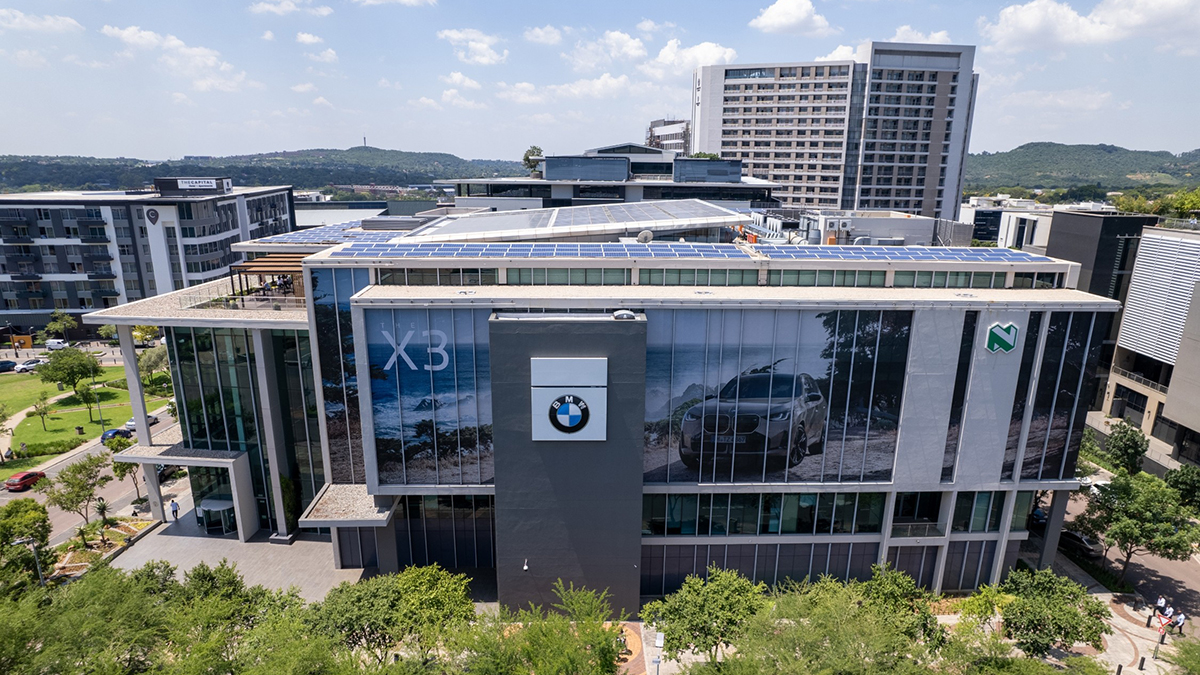
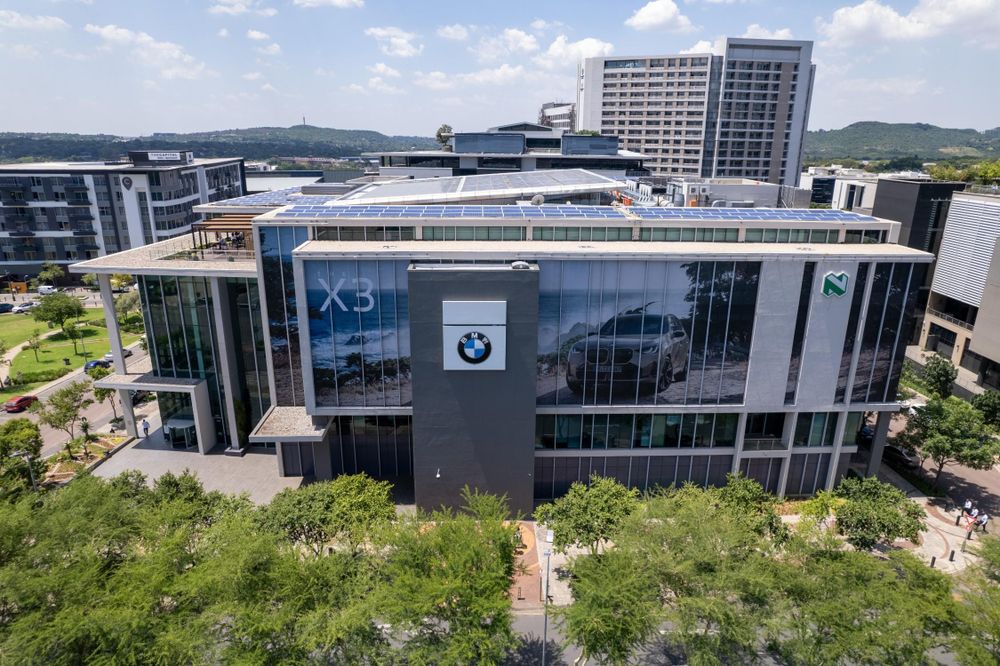
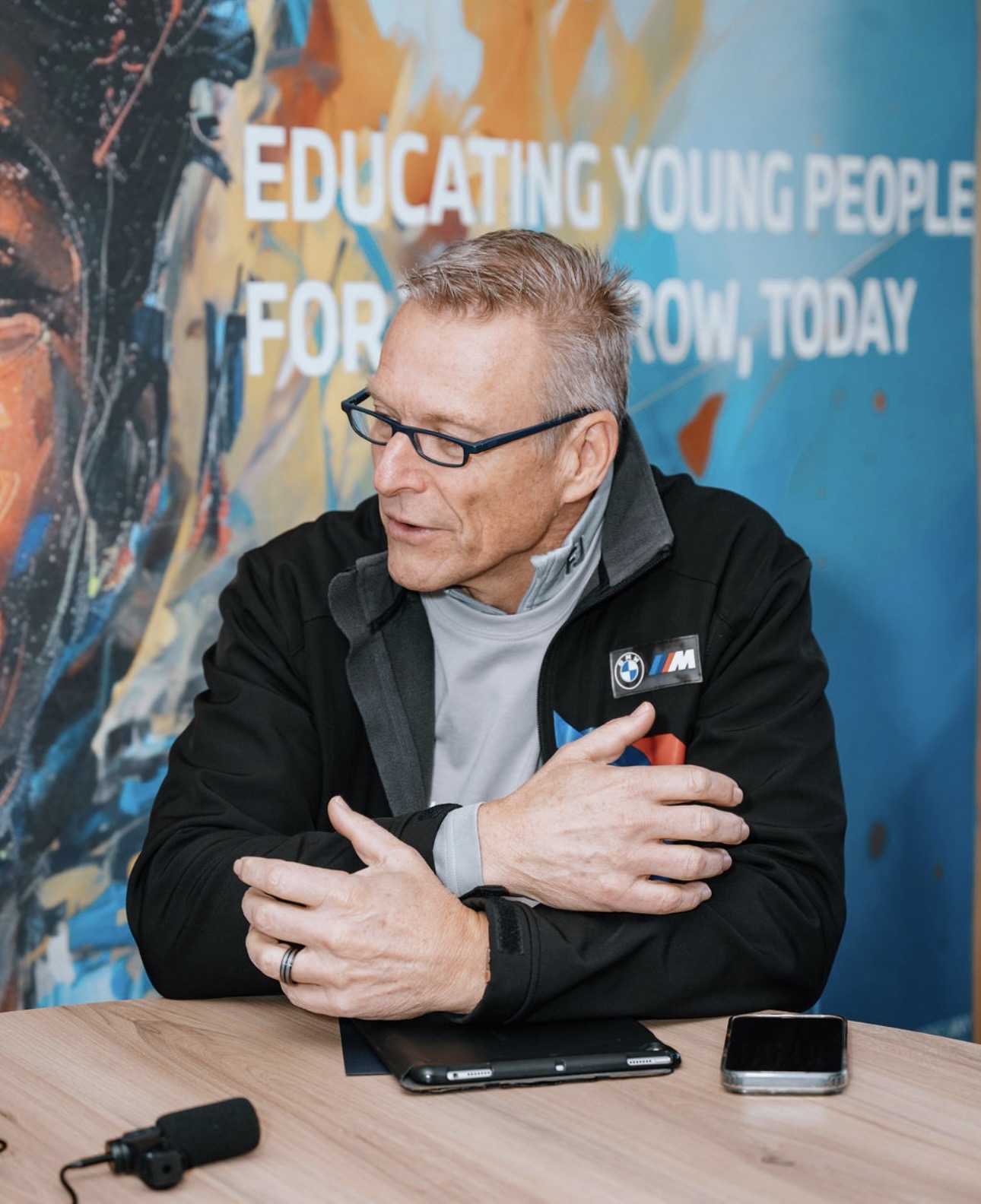
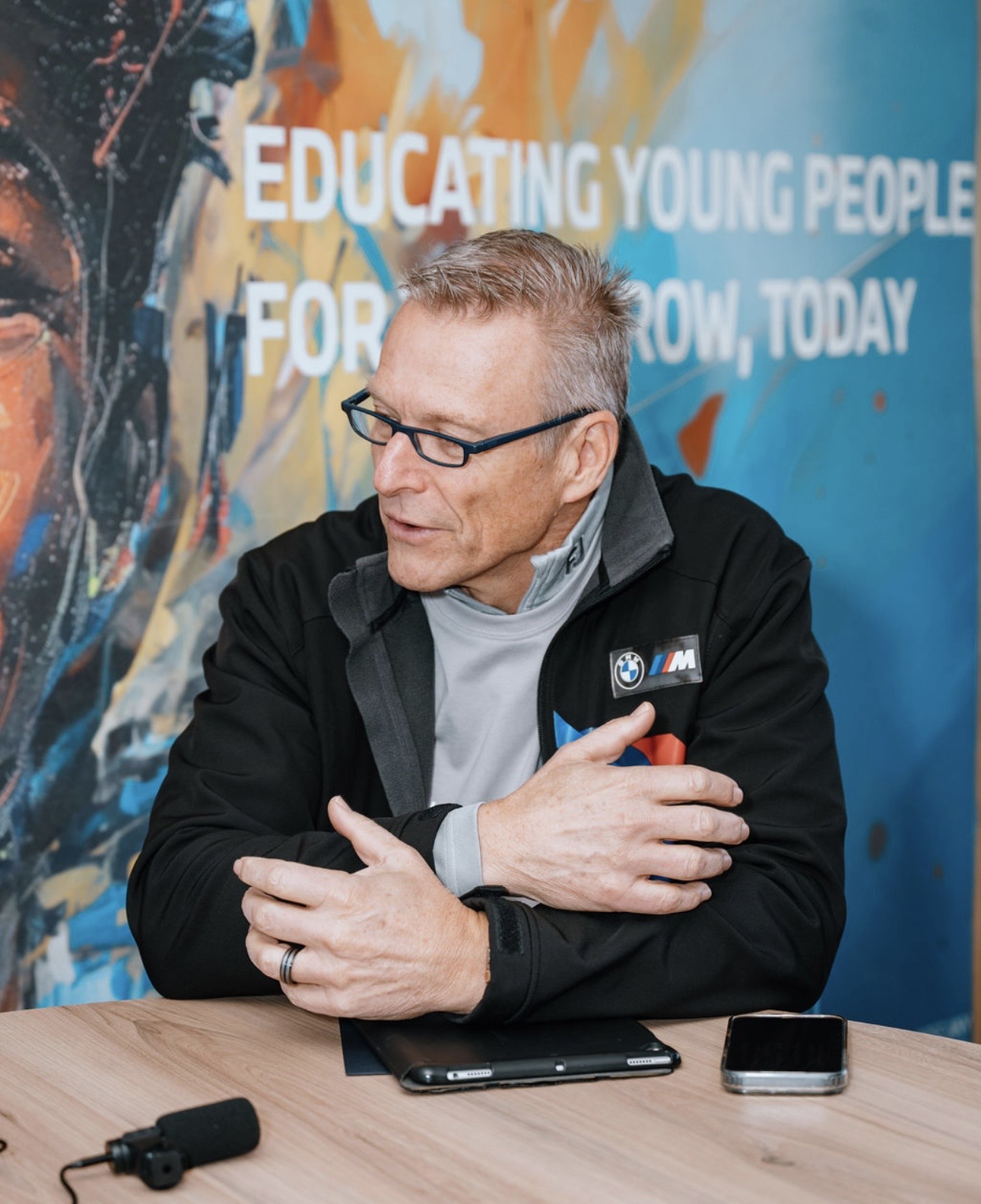
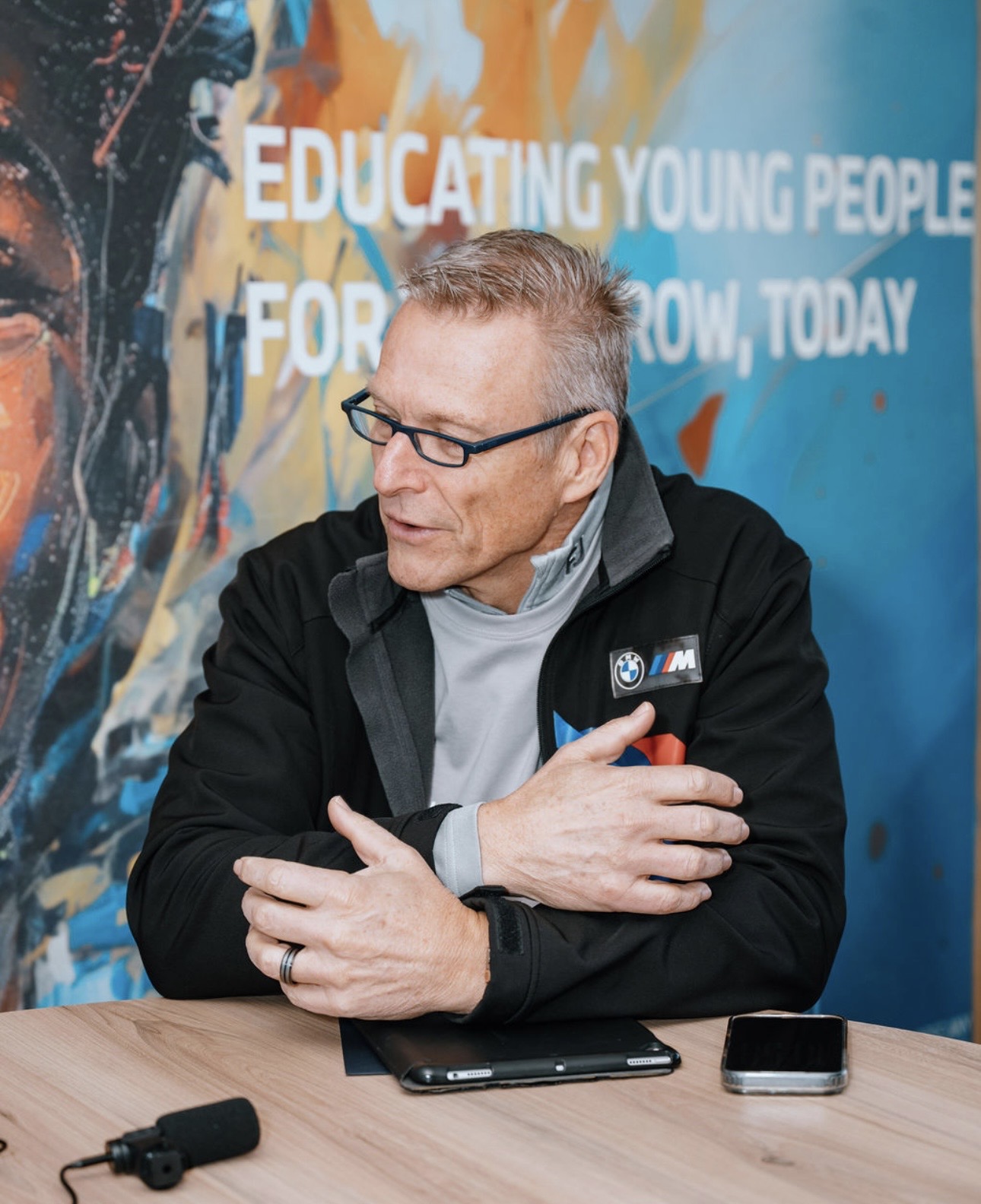
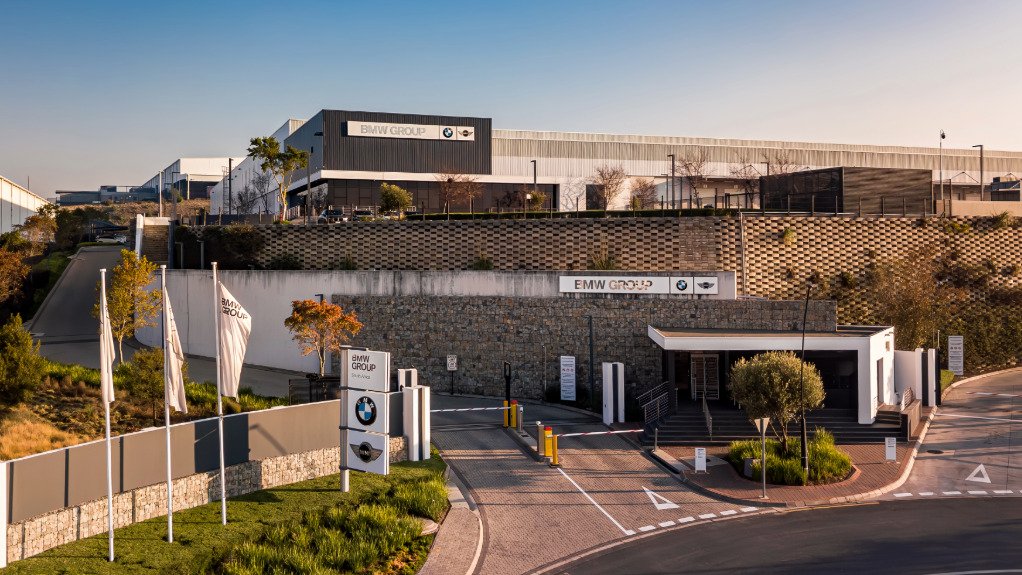
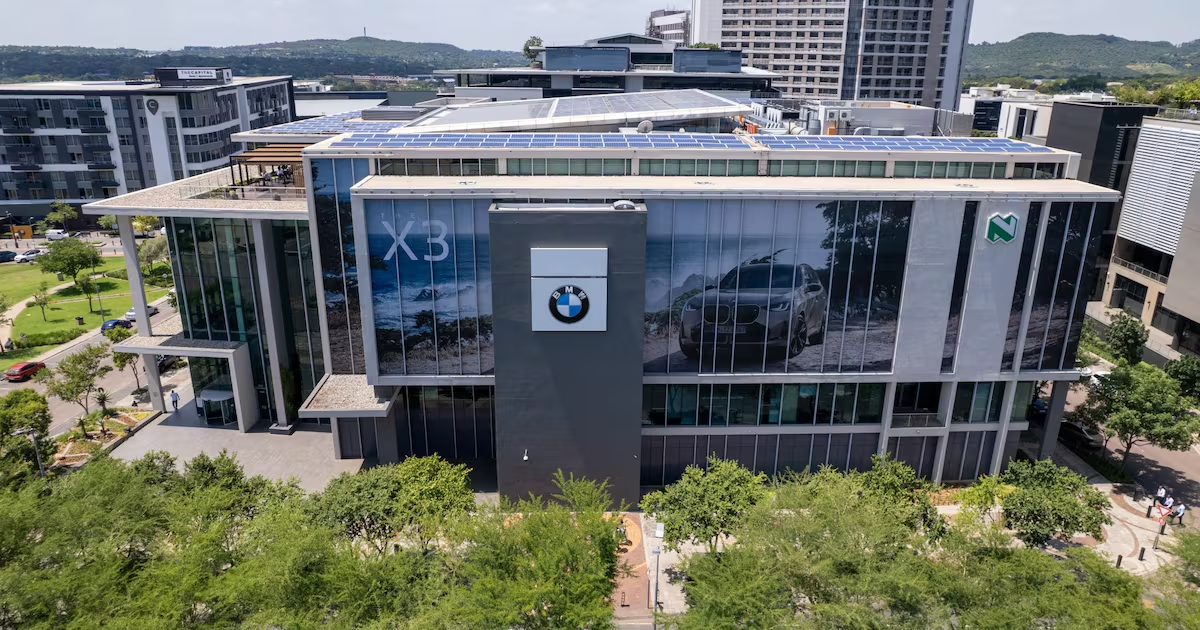
BMW’s IT Hub in South Africa has evolved over two decades from a small technology experiment into one of the German automaker’s most important global digital operations, developing software and managing systems used across 134 countries.What began in 2006 as a small specialist support unit exporting South African technology skills to the rest of the world has grown into the largest BMW IT Hub outside Germany. Today, the Pretoria-based operation employs thousands of technology professionals and serves as a cornerstone of BMW’s global digital ecosystem.Established as one of four BMW business entities in South Africa, the hub now develops and manages systems supporting the automaker’s vehicle production, finance, treasury management, human resources, sales, digital retail and after-sales services worldwide.“We started with the idea of taking highly skilled technology talent from South Africa to the rest of the world,” said Jochem Goller, board member of BMW AG for customer, brands and sales.Twenty years later, that vision has evolved into a global software operation employing roughly the same number of people as BMW’s Rosslyn vehicle manufacturing plant.The hub’s economic impact has also expanded significantly. Over the past several years, it has created more than 2,600 new jobs through continued growth and is expected to contribute more than R4bn to South Africa’s economy in 2026. BMW estimates that the operation indirectly supports approximately 40,000 people through jobs and economic activity generated in surrounding communities.The hub’s 20th anniversary comes at a time when software is becoming increasingly important to the automotive industry. Goller said in an interview that the profile of automotive talent is changing rapidly as vehicles become more connected and digitally enabled.“Before, most of our engineers were mechanical engineers because you would build engines and gearboxes,” he said. “Today, you need mechanical engineering knowledge, but you also need software engineering skills. Without a certain knowledge of software, you can no longer become an automotive engineer,” Goller said. BMW increasingly views its vehicles as software-defined products, where AI, data analytics, digital interfaces and over-the-air functionality play a growing role in both vehicle development and customer experience.That shift has elevated the strategic importance of BMW’s South African technology hub. Software developed at the hub supports virtually every stage of the automaker’s value chain. One of the hub’s most significant innovations is AIQX, an AI-powered quality inspection platform. The system uses machine learning, cameras and computer vision technology to inspect vehicle components in real time, identifying defects, missing parts and quality issues before vehicles leave the production line.The platform has already been rolled out through more than 1,200 applications across BMW’s global production network and can detect everything from incorrectly installed safety belts and manufacturing defects to paint imperfections and abnormal vehicle sounds.The hub also operates BMW’s global production control centre, monitoring 20 manufacturing plants worldwide on a 24-hour basis and providing real-time support for critical production systems.Beyond manufacturing, South African-developed software is helping transform how BMW sells vehicles globally. The hub played a leading role in developing BMW’s direct-sales platform, which was first piloted locally before being expanded across 24 European markets.More than 400 software specialists work on systems supporting the entire customer journey, including online vehicle configuration, trade-ins, vehicle recommendations, invoicing and delivery.According to Peter van Binsbergen, CEO of BMW Group South Africa, the software developed locally has become a competitive advantage for the company. “The customer journey part of what we do as a business is one of the strongest examples of what the IT Hub has achieved,” he said.Van Binsbergen also highlighted the development of a technology that creates a complete digital history of every vehicle produced, tracking manufacturing specifications, production records and vehicle data throughout its lifecycle. “You have a full digital file of the history of this car to always refer back to if questions are asked by authorities, if the car is sold and the car is exported. And I think that was a brilliant creation by the IT Hub,” he said.The South African operation has become increasingly important to BMW’s AI ambitions. Teams at the hub manage AI platforms used by more than 20,000 BMW employees globally, develop specialised AI assistants and support software development teams across the organisation.While concerns persist globally about AI replacing jobs, BMW executives believe the technology is more likely to reshape roles than eliminate them.“People who use AI will replace people who do not use AI,” said Goller. “There will be certain tasks that become automated, but new jobs are also being created. If you do not embrace AI and learn how to work with it, it will become difficult to find work.”