Story audio is generated using AI
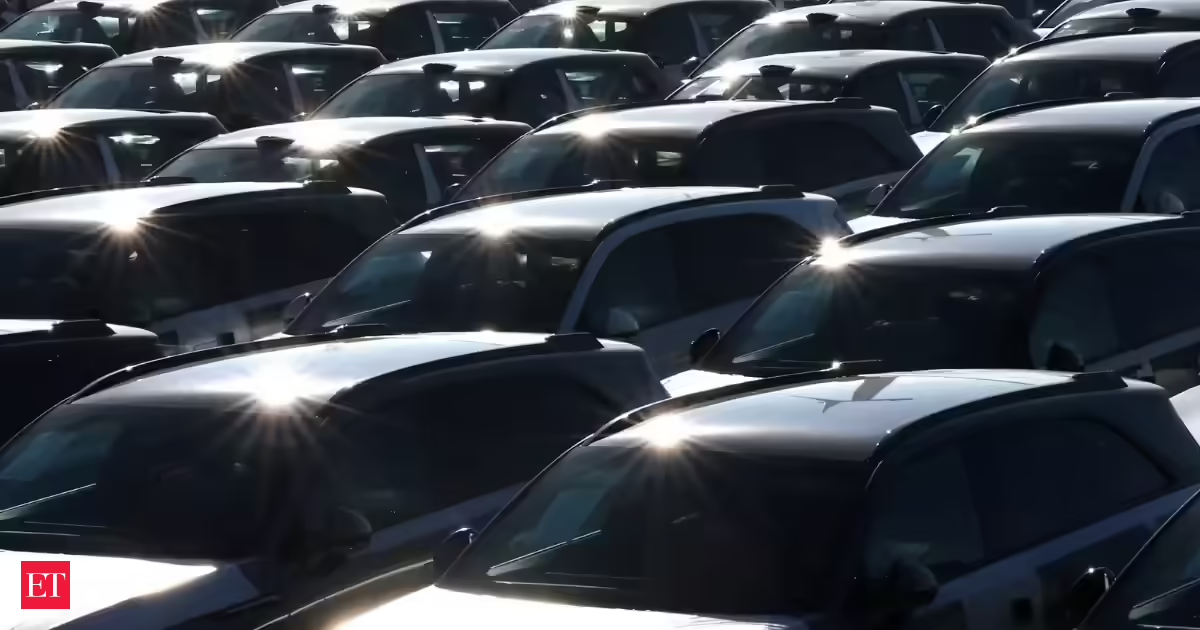
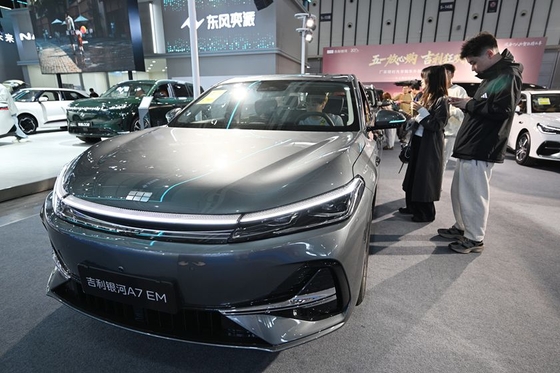
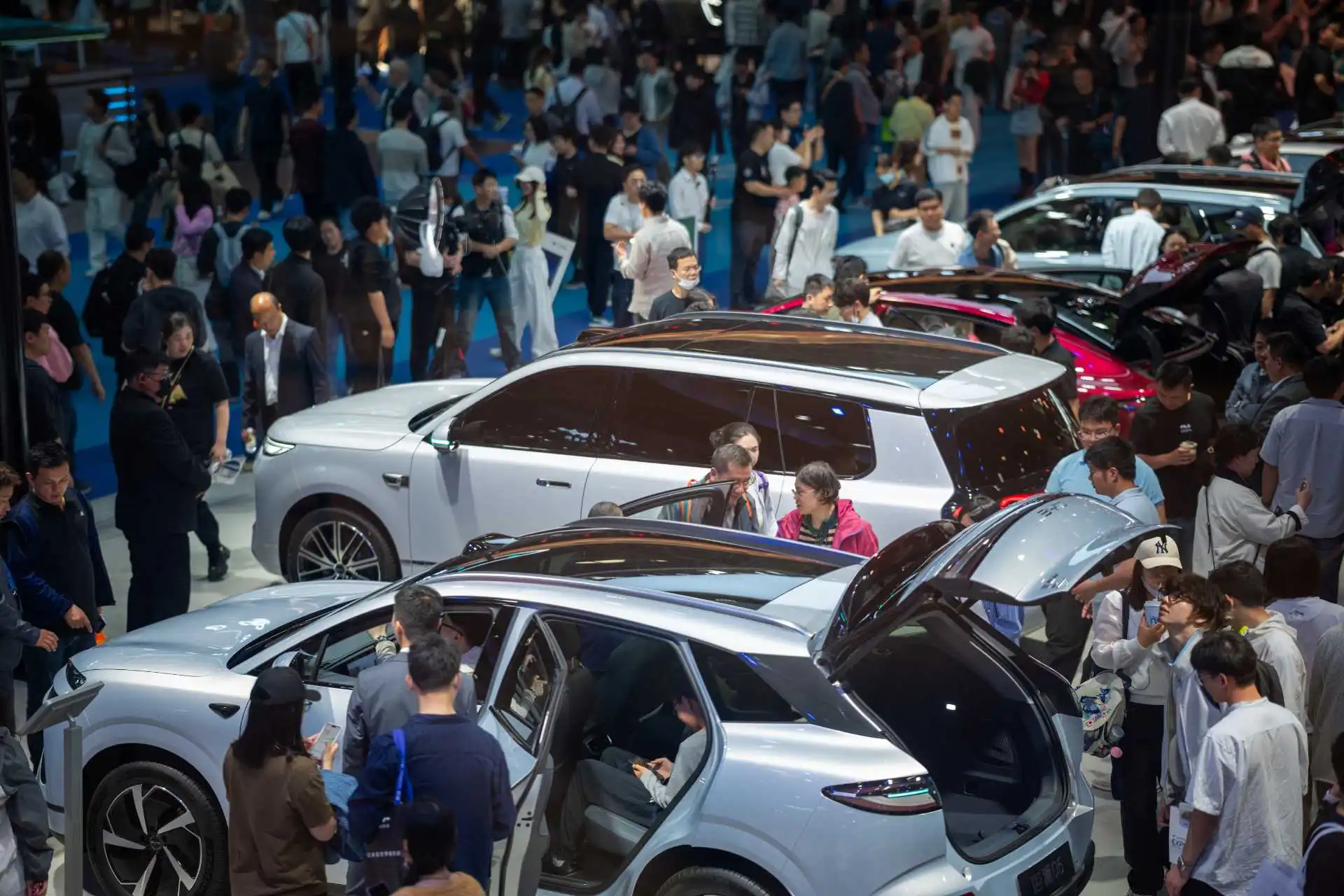
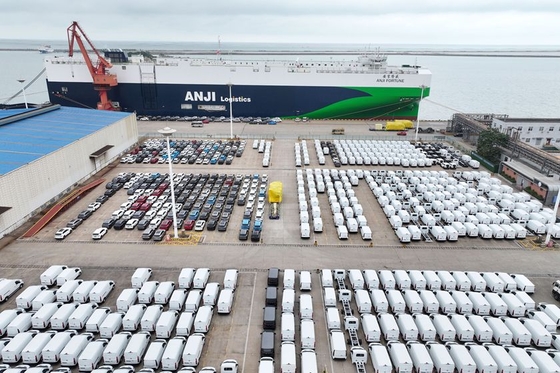
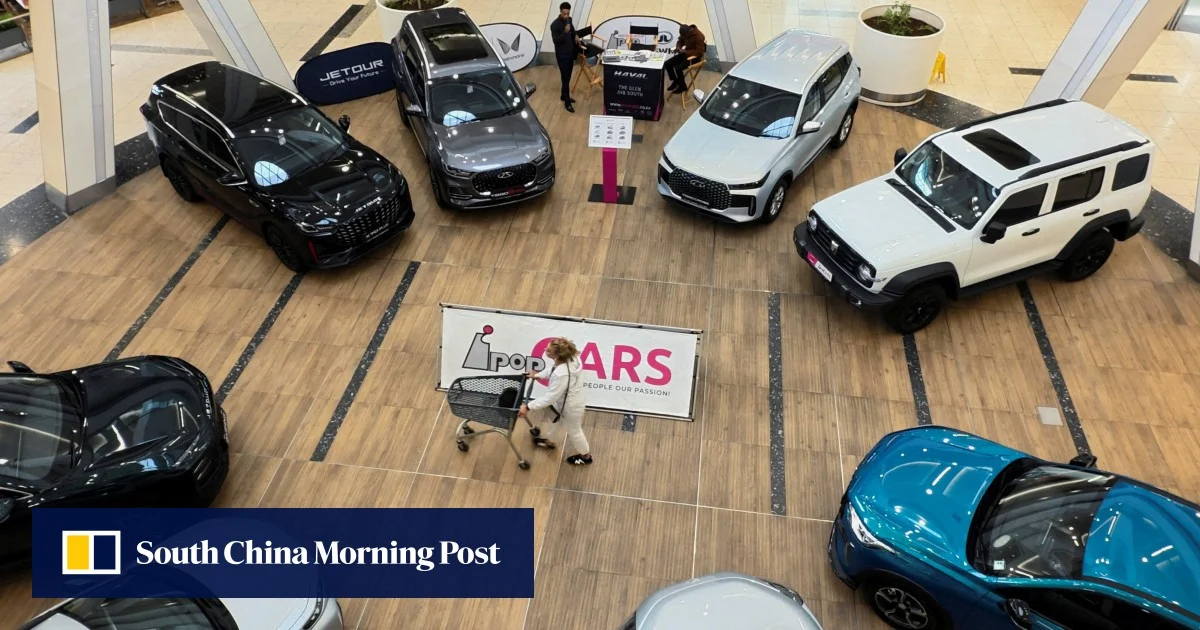
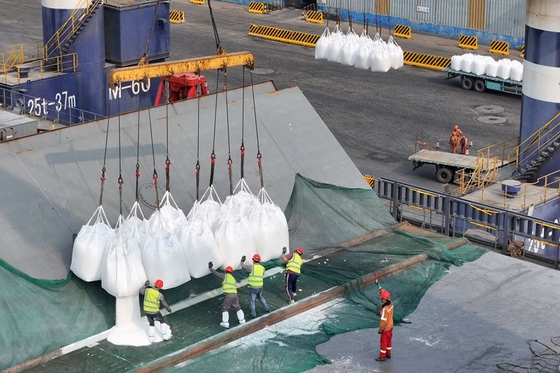
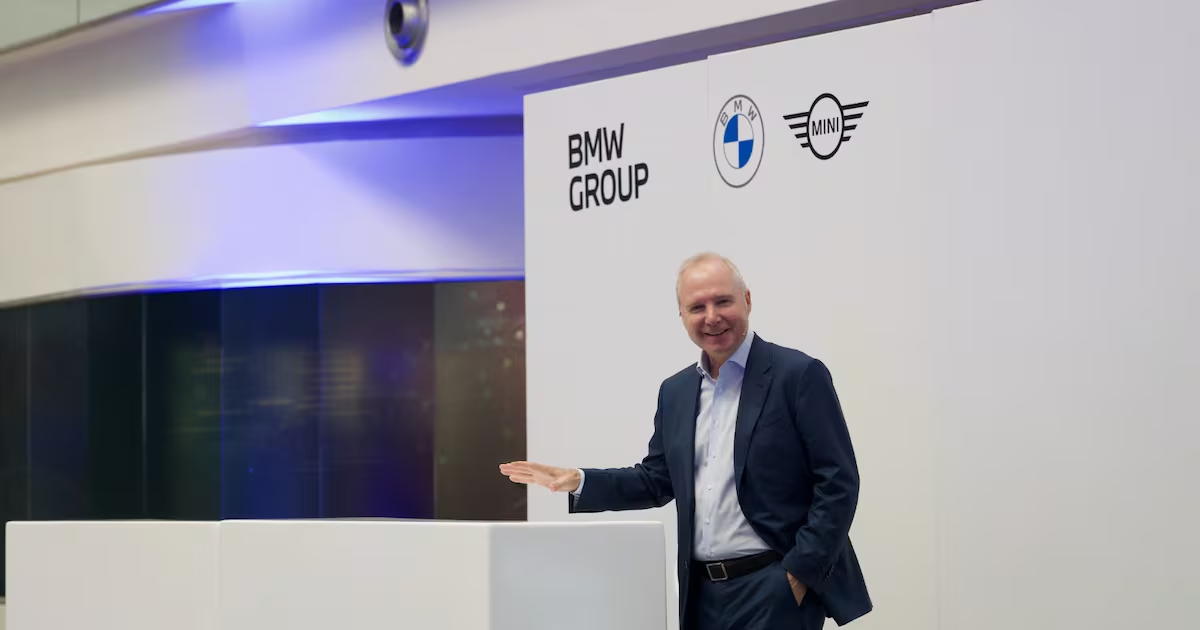
Chinese carmakers are rapidly gaining global market share as overproduction drives an aggressive export push into key regions.While China is the world’s largest auto market, an oversupply of vehicles is pushing manufacturers to expand beyond their domestic base, sending a wave of competitively priced cars into markets such as Europe, the UK and South Africa. The result has been rising market share for Chinese brands and intensifying competition for established automakers.In South Africa, Chinese brands now account for more than 20% of vehicle sales. In the UK, their presence has climbed to about 15%. In Germany, however, their market share remains “much lower”, according to BMW board member for customers, brands and sales, Jochen Goller.The influx is reshaping the competitive landscape, particularly in the entry-level and mid-range segments. Chinese vehicles often come equipped with advanced technology and are priced below comparable models from established manufacturers. This has forced traditional players to defend their market share while adapting to a faster-moving and more competitive environment.We are seeing a sharp increase in the market share of Chinese brands— BMW's Jochen Goller“There is significant overproduction, so many of those cars are no longer sold in China but are instead being exported to other regions. As a result, we are seeing a sharp increase in the market share of Chinese brands,” Goller said in an interview.Locally, some premium brands like BMW have so far held their ground, largely because Chinese competitors remain concentrated in more price-sensitive segments. Goller said BMW “is in a very strong position” given its focus on premium vehicles and its broad range of cars. “We are growing in South Africa. In the first five months of this year, we delivered a very strong performance despite increased competition.”He added that BMW is one of the few global automakers with a strong presence across major regions, including Europe, China and the US. “This allows us to balance performance — if there are challenges in one region, they can be offset by strength in others,” he said.Equally important is the group’s integrated ecosystem, spanning dealerships, after-sales service, financing and resale value. “Take South Africa, for example. When customers buy a BMW, they know what the vehicle will be worth in three years’ time. They know parts are available and that they will receive support throughout the ownership journey. That is not easily replicated by a new entrant — and it is why we are resilient.”According to vehicle industry body Naamsa, new vehicle sales in May reached 51,071 units, driven largely by light passenger cars. Export volumes declined to 29,392 units, down 4.8% year-on-year.On electric vehicles (EVs), Goller said the global transition was well underway, but adoption rates differed significantly by region.“The trend is clearly moving towards full electrification, but the pace of adoption varies widely across markets,” he said.China is far ahead, with more than half of new vehicle sales consisting of fully electric or hybrid models. Europe trails at around 18%, while the Americas lag at roughly 6%. Within Europe, the disparity is stark: in Norway, nearly 90% of new vehicle sales are electric, compared with about 10% in Poland.Given these differences, BMW will continue to offer a mix of internal combustion engine vehicles, plug-in hybrids and fully electric models.While Chinese brands are often associated with their strength in EVs, their global expansion is not being driven solely by electrification.“Many assume that Chinese cars exported overseas are predominantly electric; that’s not the case,” Goller said. “Most are still plug-in hybrids or internal combustion engine vehicles.”