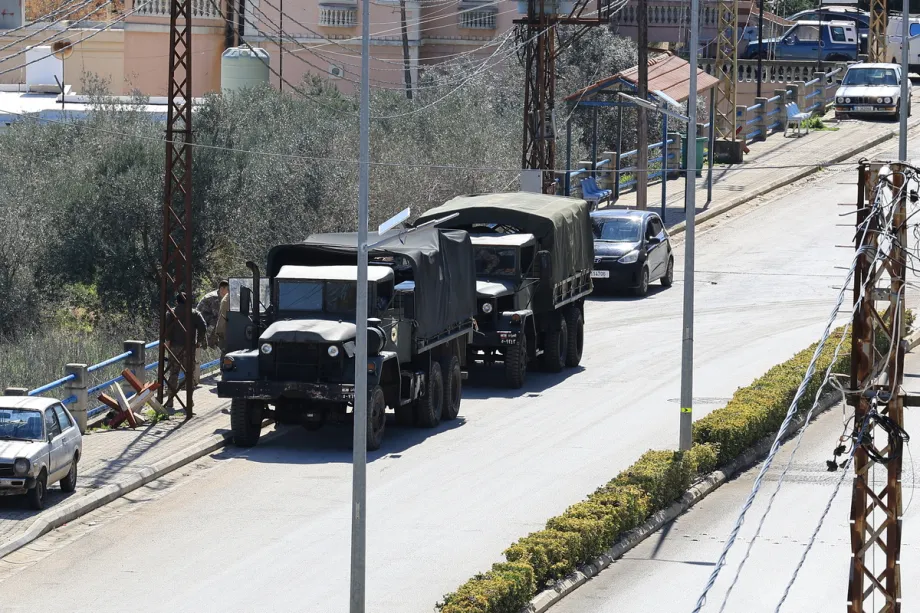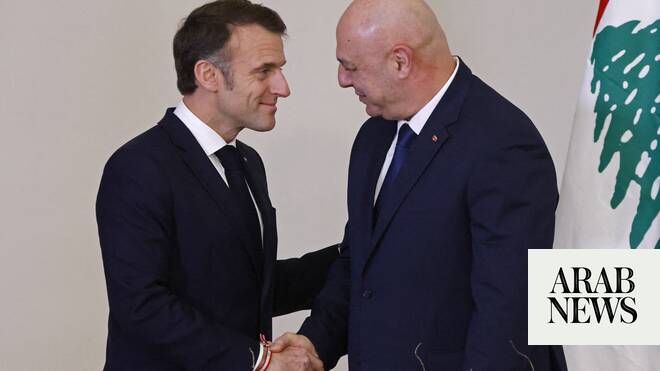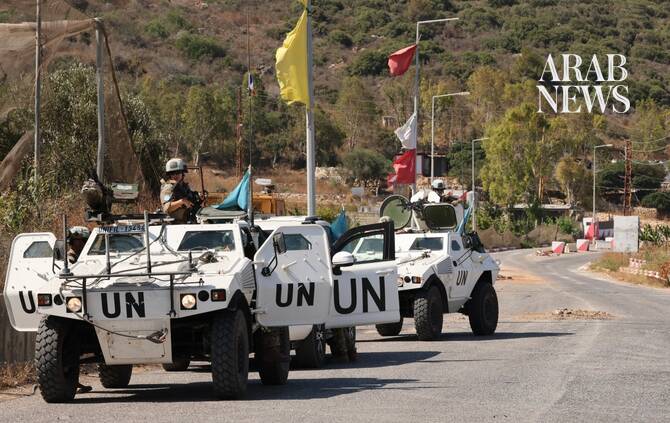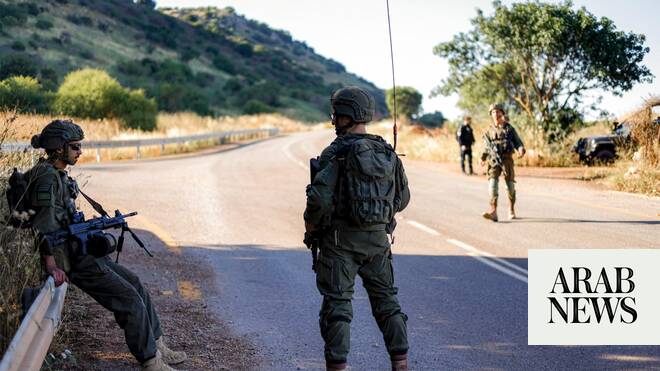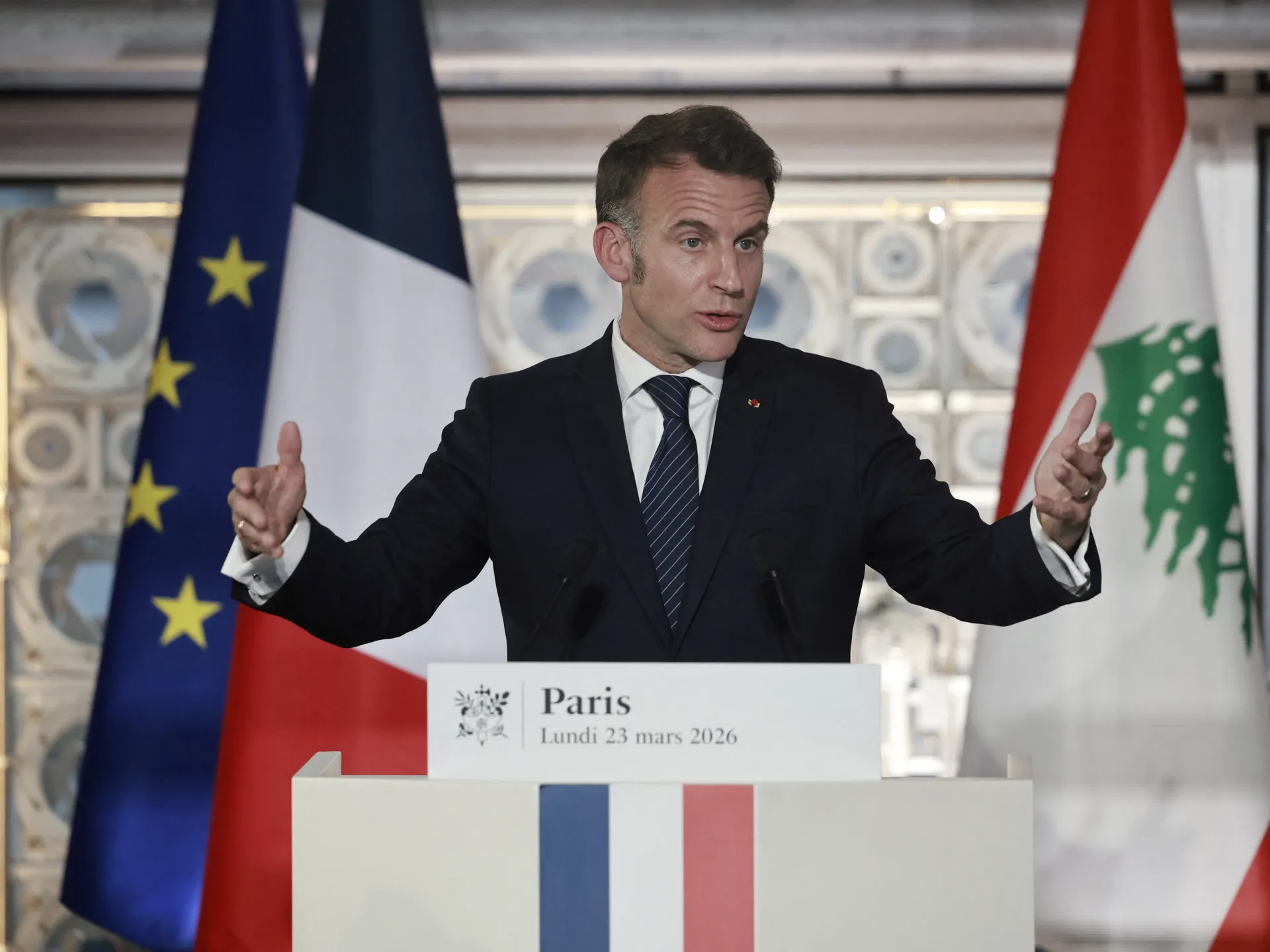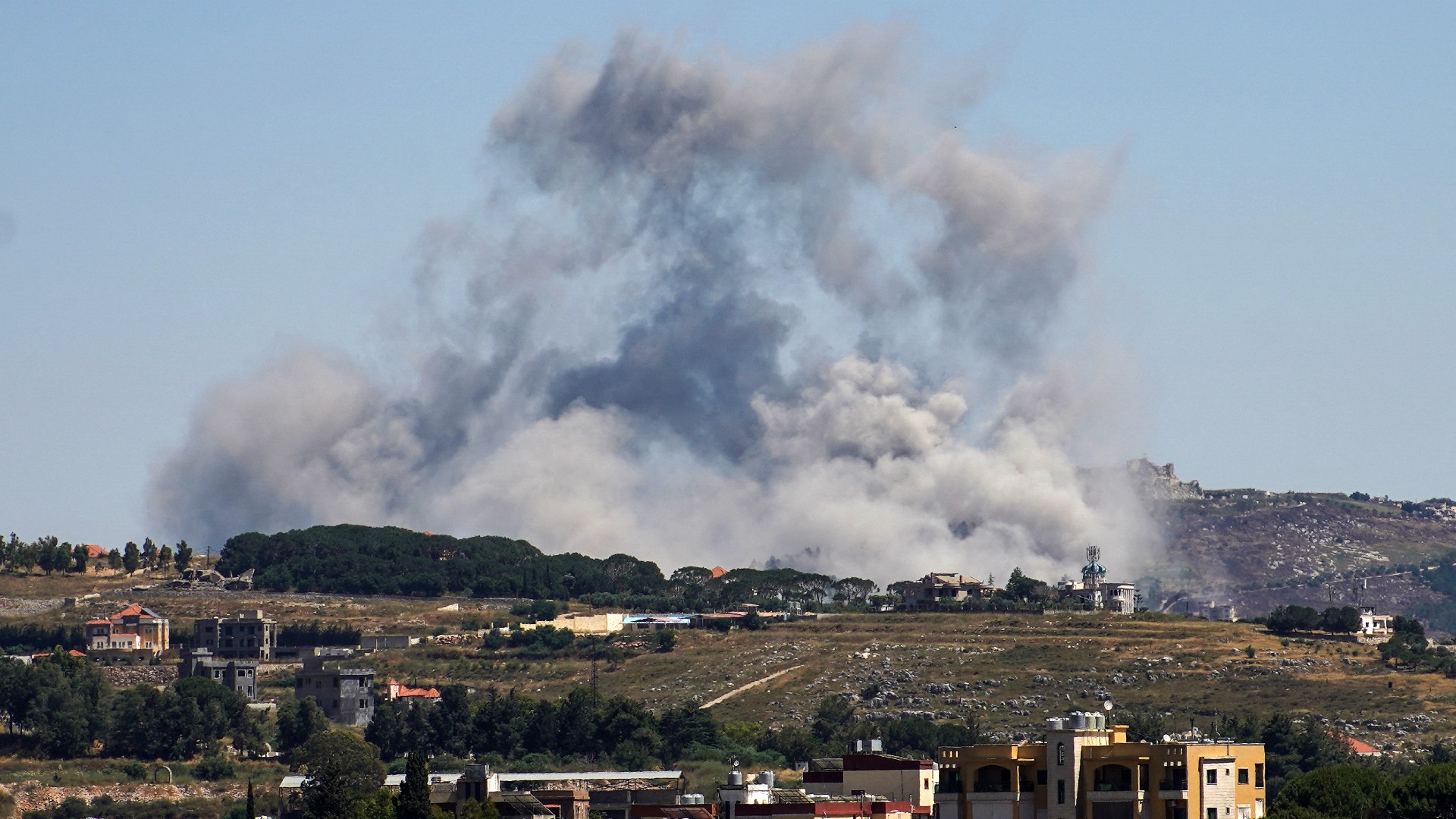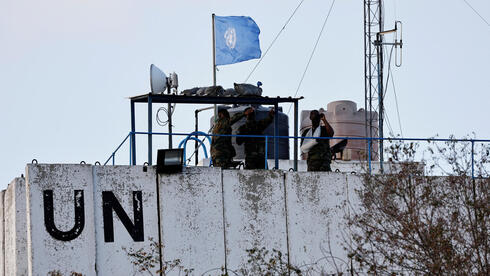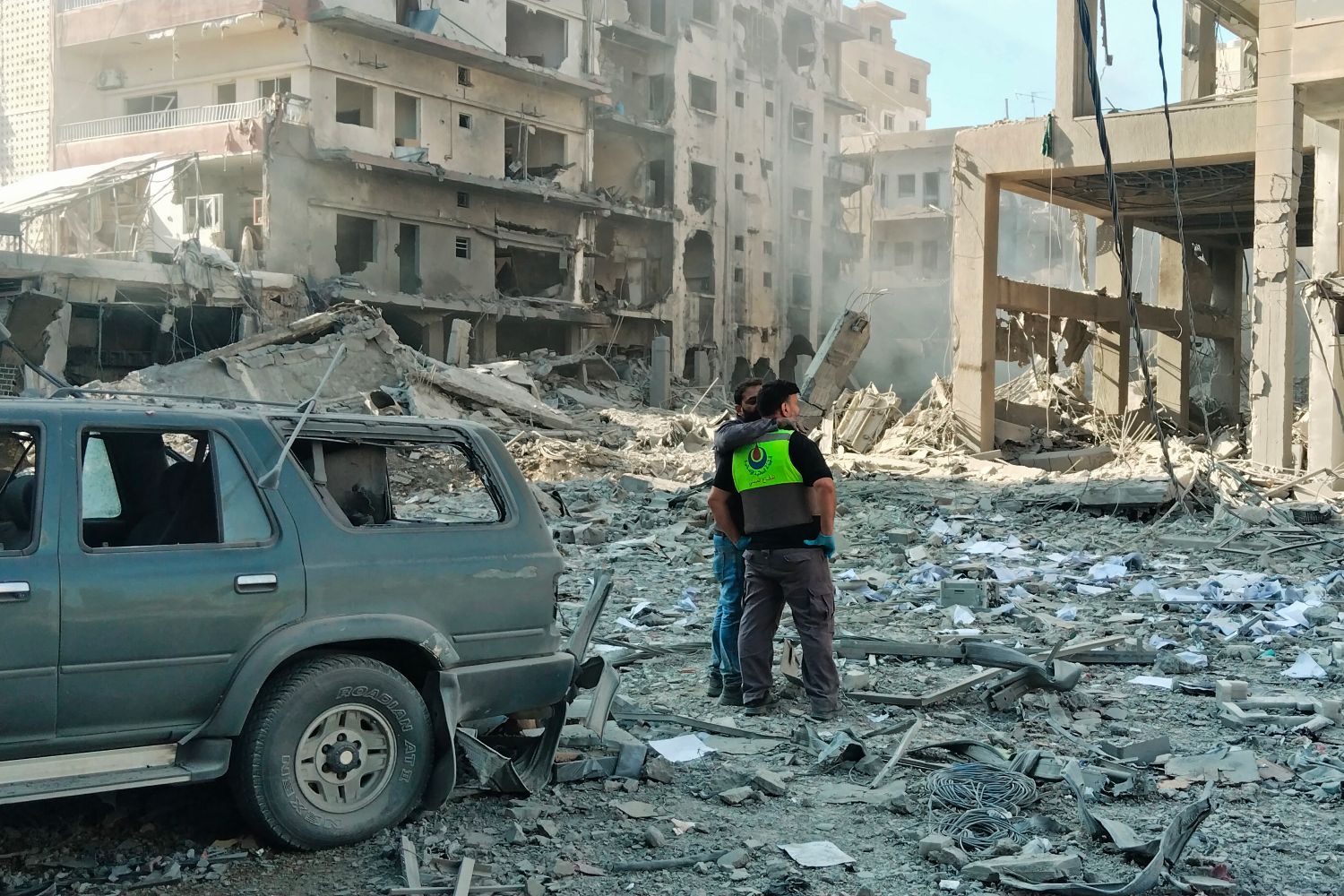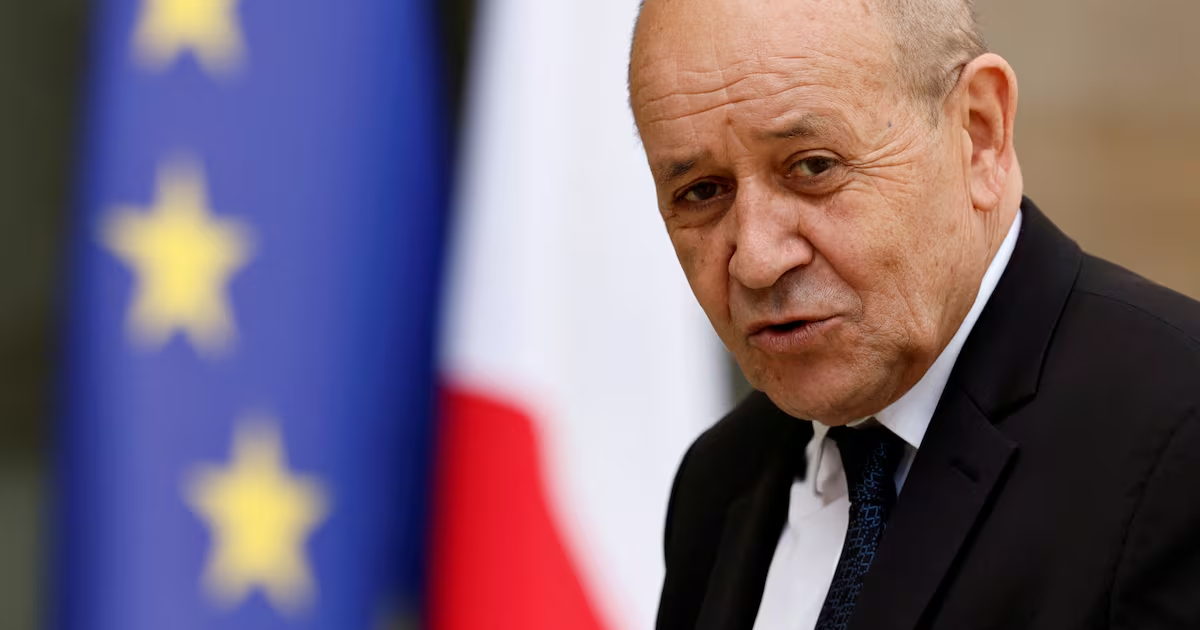
France is weighing alternatives to the peacekeeping force in south Lebanon, including a security mechanism that may not be deployed under a UN mandate, special envoy to Lebanon Jean-Yves Le Drian revealed.In an interview in Beirut, Mr Le Drian, said France “is ready” to help Lebanon maintain security in the south after the planned withdrawal of the United Nations Interim Force in Lebanon (Unifil) at the end of 2026.“France is available for an ad hoc international mission or a mission within the United Nations framework to fill the security vacuum expected at the end of the year,” he told The National, adding that the UN Secretary-General had already put forward proposals.“All our partners are worried about the security vacuum. [..] But today I repeat very clearly: France is ready,” he affirmed. He said other European partners, including Italy and Spain, could take part, adding that the mechanism's final structure would depend on Lebanon's needs.Mr Le Drian's visit to Beirut comes two days after the announcement of a fourth ceasefire following talks in Washington between Lebanon and Israel, which do not have formal diplomatic relations.According to a joint statement, the two countries agreed to establish “pilot zones” in which the Lebanese army would assume exclusive control of the territory, excluding all non-state actors. The ceasefire would also require a “complete cessation” of hostilities by Hezbollah.But despite the announcement, fighting has not stopped. Israel has continued to bombard southern Lebanon and, on Friday, issued forced displacement orders for residents of at least eight villages in the Sidon district. Israeli forces also remain inside the “Yellow Line”, an area encompassing dozens of villages now under occupation, many of which have been razed in recent weeks.Meanwhile, Hezbollah, the main armed group fighting Israel and not a party to the negotiations, has dismissed the ceasefire as “illusory” and kept launching rockets and drone attacks. French special envoy Jean-Yves Le Drian meets with Lebanese Prime Minister Nawaf Salam at the Government Palace in Beirut. EPAInfoIran, Hezbollah's main backer, has also rejected the Washington announcement, saying Israel must withdraw from its current positions in Lebanon and return to the lines that existed before the war started.Mr Le Drian acknowledged that it is not always “easy” to implement a ceasefire. “What I can say is that there is a desire, in the conclusions of Washington, to achieve a ceasefire,” he said.“From that point of view, I find the mechanism satisfactory, even though it requires considerable political will,” he added.Significant step forwardMr Le Drian said France fully supports the Washington process, which led to the first direct talks between Lebanon and Israel in decades, stressing that only the US had the ability to “bring together” the two countries.The direct talks, he stated, have prevented Lebanon from becoming the “victim” of negotiations in which it had no seat at the table.Iran has sought to link Lebanon's fate to its own, saying that a ceasefire in Lebanon is a prerequisite for any broader agreement with the US to end regional hostilities. Lebanese President Joseph Aoun has accused Iran of using his country "as a bargaining chip in its negotiations with the United States.”Play00:40Trump wants to separate talks on Lebanon and IranFor Mr Aoun, it was "essential to have direct discussions between Lebanon and Israel precisely to avoid Lebanon becoming hostage to negotiations" taking place elsewhere. Mr Le Drian lauded the idea of the “pilot zones” planned by the ceasefire announcement as a “significant step forward”, allowing both the Israeli withdrawal and the deployment of the Lebanese Armed Forces on the territory “in an intelligent and gradual manner". On Thursday, Lebanese Prime Minister Nawaf Salam said the army would begin deploying to the “pilot zones” in southern Lebanon, without specifying which zones were concerned. No official map has been released, and the exact limits of the areas remain unclear.The same day, Israeli Defence Minister Israel Katz said the military would continue operating in Lebanon and would not withdraw “for the time being”.A Unifil armored vehicle patrols the southern Lebanese border area. AFPInfoMr Le Drian repeated that France “strongly” condemns “Israeli occupation, which is completely unacceptable" under international law. “We also condemned with great determination Hezbollah's actions since 2 March,” he added. Asked about Israel's targeting of journalists, rescuers, and growing allegations of war crimes in Lebanon, he said: “France has very firmly condemned Israel's conduct.” The latest escalation began on March 2, when Hezbollah launched rockets at Israel in support of Iran, two days after Israeli and US forces began striking Iranian targets.Israel responded by launching a ground offensive into southern Lebanon, backed by intensive air strikes. The campaign has since killed more than 3,500 people, wounded around 10,000 and displaced more than one million, according to Lebanese authorities.
France weighs post-Unifil security force for southern Lebanon, envoy says | The National
Jean-Yves Le Drian reveals Paris is ready to take part in future security arrangements, as the latest ceasefire between Israel and Hezbollah comes under strain
787 words~4 min read