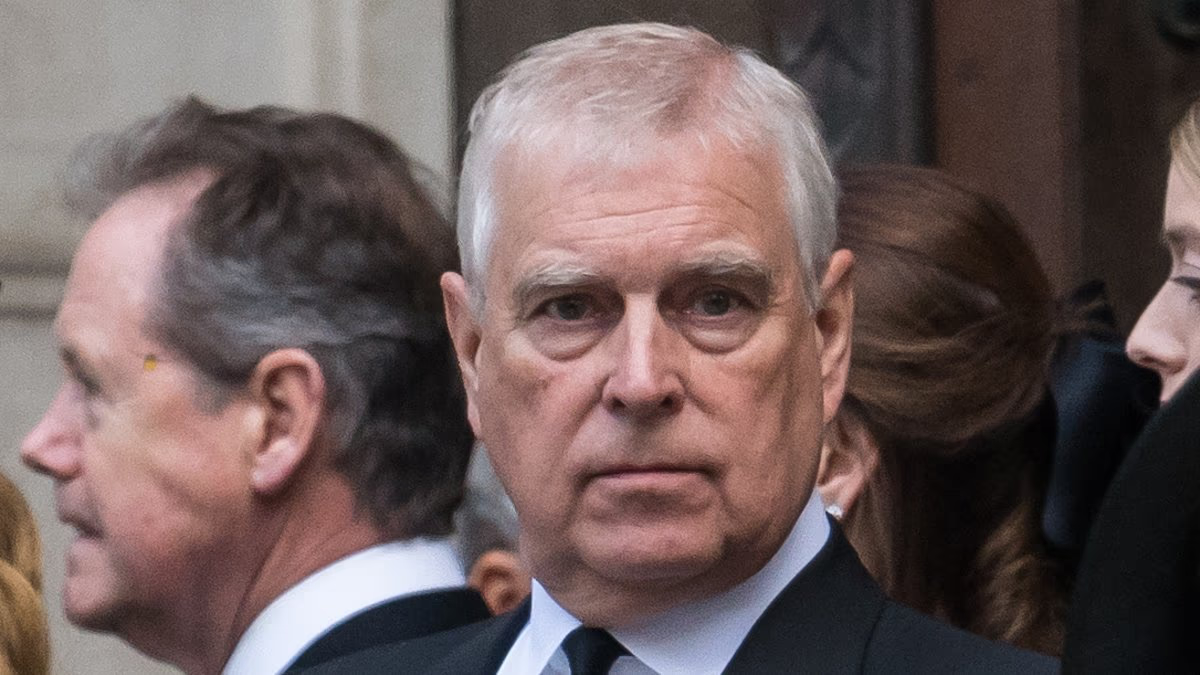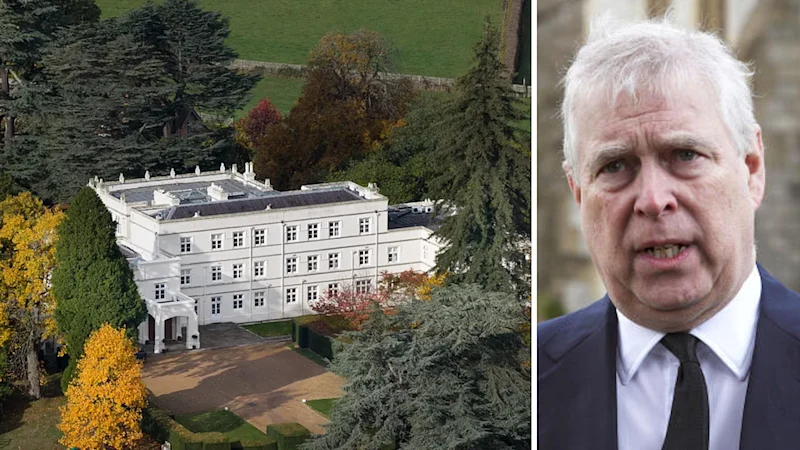
According to the National Audit Office (NAO), Andrew Mountbatten-Windsor rented out (sublet) three properties on the Royal Lodge estate in Windsor. Given that he only paid a peppercorn rent on the lodge and its associated land, including eight cottages, his former royal highness was making a potentially handsome return. However, the NAO doesn’t know how much Mountbatten-Windsor made out of his side hustle over a period of some 20 years, nor the identity of the sub-tenants.What’s gone wrong?A most obvious failing, potentially, is that Andrew wasn’t honouring the spirit of an arrangement that gave him somewhere to live post-divorce given his relatively modest personal income. Royal Lodge was formerly occupied by the Queen Mother and is a 30-roomed mansion – albeit old and expensive to maintain. Any income from subletting three of the eight cottages should have been returned to the Crown Estate which, additionally, is supposed to manage its vast holdings of land and property (including the UK coastline and rights to offshore wind farms) on a commercial basis. The income then helps fund HM Treasury and the Sovereign Grant from the government for the royal family to carry out official duties. But it seems Andrew kept the proceeds anyway. The other issue is the lack of transparency; the public has a right to know, yet not even parliament’s Public Accounts Committee, which oversees the NAO, knows what has been going on. Can we get our money back?No, because it would have to be traced and, in any case, Andrew Mountbatten-Windsor most likely no longer has the funds to repay anything much. Why was he on a peppercorn rent?It’s odd, because the Crown Estate is supposed to act to maximise returns. There’s an arrangement whereby the monarch can make use of some Crown Estate properties for the non-working members of the royal family and members of the royal household, with appropriate payments from their own more private funds, but this seems not to have happened. He was a working royal, so the idea was his rent was covered by his carrying out his duties. In addition, Andrew’s daughters Eugenie and Beatrice, plus their families, have their rent covered by the “privy purse” – ie the King personally – as does Andrew Mountbatten-Windsor in his new home on the King’s estate at Sandringham. Sarah Ferguson, former Duchess of York, benefited from Andrew’s arrangements while she was living at Royal Lodge with him post-divorce, but now has no assistance at all. Much of the King’s “personal” income derives from the Duchy of Lancaster, which is entirely separate from the Crown Estate but makes money in a similar way, from the properties and businesses it owns.Is there much more of this?Yes, and it’s complicated. The Prince and Princess of Wales pay an annual rent of £307,200, reviewed every five years, for their eight-bedroom Forest Lodge mansion at Windsor. William derives a substantial personal income from the profits generated by the Duchy of Cornwall, on which he pays income tax. Other arrangements include: the Duke and Duchess of Edinburgh pay a peppercorn rent for their Bagshot Park home in Surrey; and Prince and Princess Michael of Kent have their royal household rent paid by King Charles.According to the NAO, seven members of the royal family occupy five properties leased from the Crown Estate. Another 11 working royals live within the occupied royal palaces at no cost in exchange for their official duties. And there are three properties in the occupied royal palaces rented to non-working Royals. The royal household’s policy is to charge an adjusted rent of typically 60 per cent of the open market value. These three rents are currently paid by the Privy Purse.Isn’t this all a bit of a mess?Plainly, and the opacity of the system makes it both difficult to scrutinise and in fact harder to defend, because the public may suspect the worst – and the latest revelations about Andrew Mountbatten-Windsor’s personal finances aren’t helping dispel such suspicions. What’s the answer?For a start, more openness and effort to explain who gets what and why, plus a further streamlining of the rules to promote clarity and public acceptance. A more radical approach would be to dispense with the archaic and artificial distinction that has grown up since the eighteenth century between the “crown”, ie the British state, and the sovereign, and between the “private” wealth acquired by royals by dint of their official position and the public subsidy and tax breaks for the roles they play in the life of the nation.Thus “working royals” would be allocated a salary and quarters according to the wishes of the government and parliament acting for the people. The others would have to get jobs. At a time when the national housing crisis remains acute, such a reform might reassure the public that the monarchy is performing in a satisfactory manner. As the late Queen used to point out, a hereditary monarchy can only exist with the “support and consent of the people”.
Why weren’t we told about Andrew’s ‘side hustle’ as a landlord?
The revelation that the disgraced former prince was earning money from royal cottages brings into question again how the monarchy is funded, as Sean O’Grady explains
830 words~4 min read