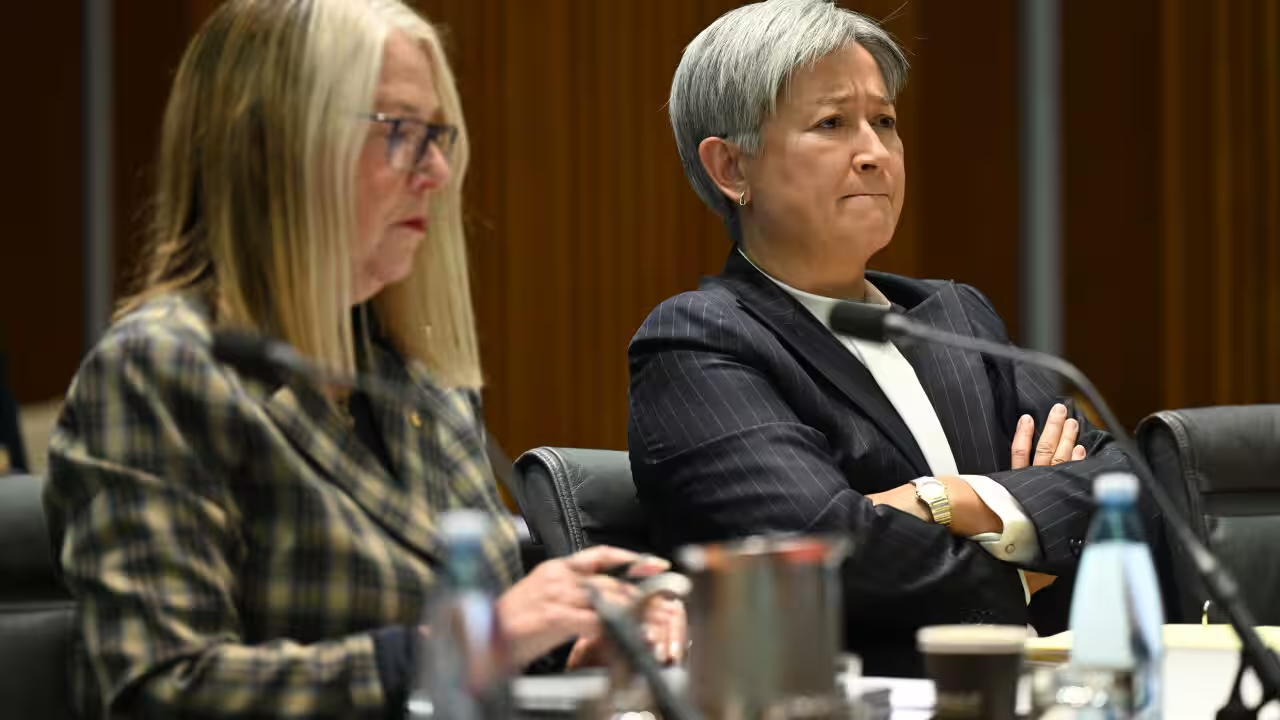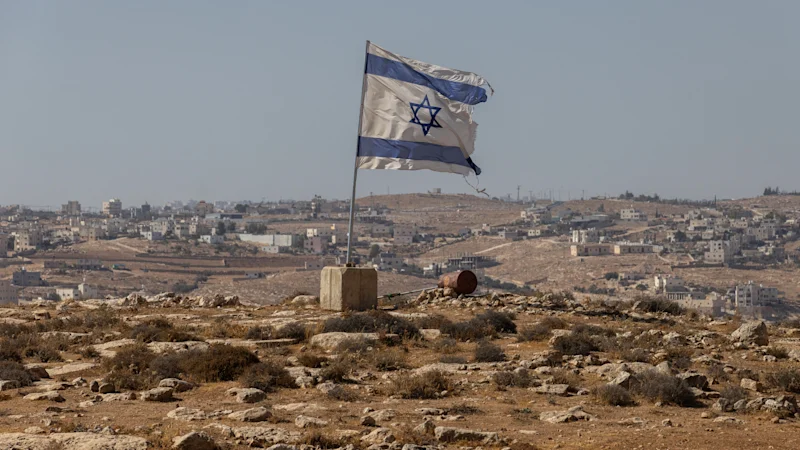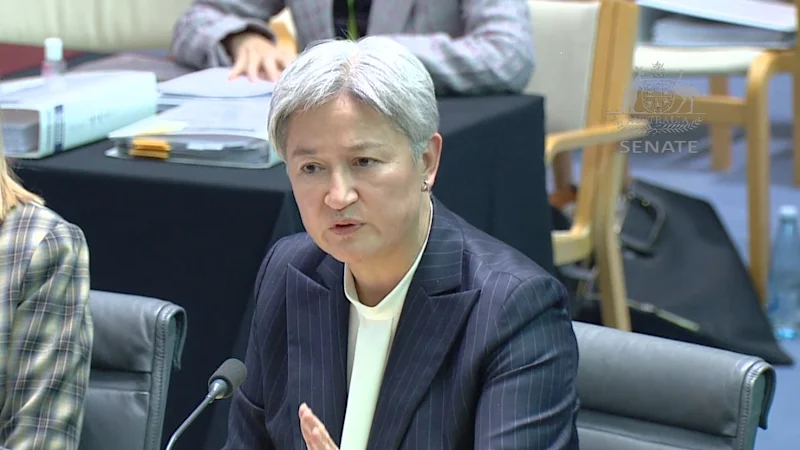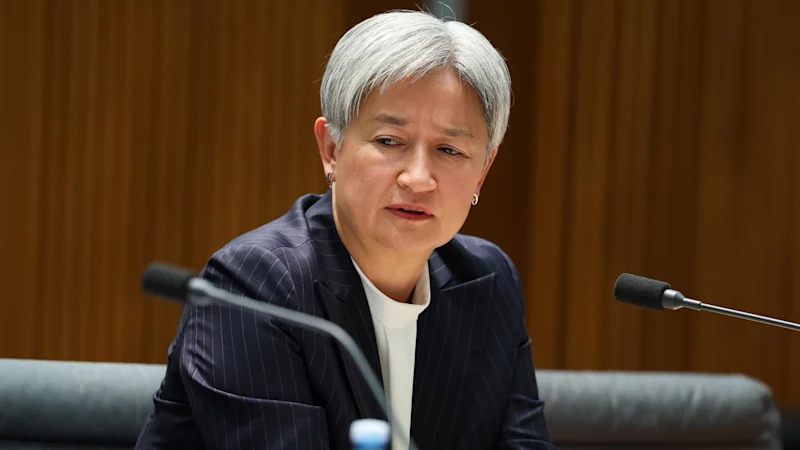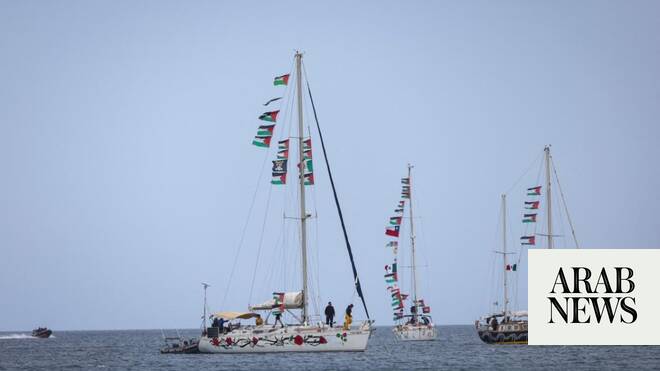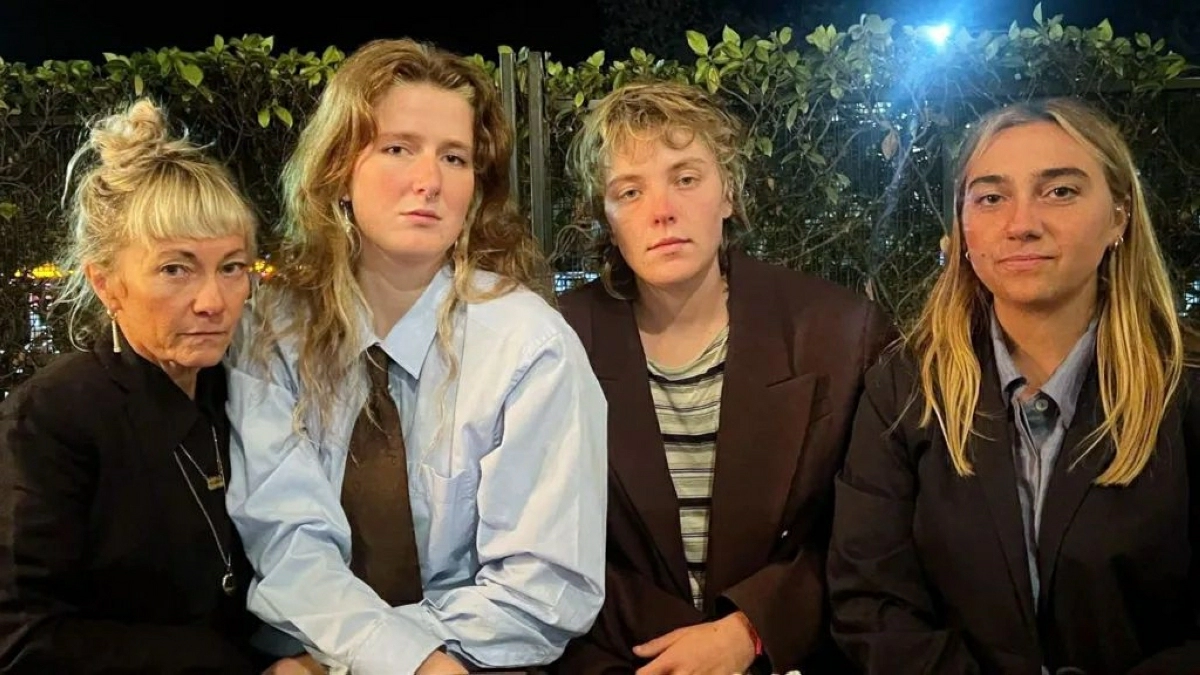
Last month the foreign minister, Penny Wong, called Israeli soldiers’ actions in relation to the Gaza humanitarian flotilla “shocking and unacceptable” and on Thursday she said that the treatment of Australian women on the flotilla was “unacceptable”. Former minister Ed Husic said that there are many actions the Australian government should take to address Israel’s continuing crimes in the occupied Palestinian territories. I agree with them both.I have spent the past five years collecting and analysing evidence of grave violations of international law in Gaza and the West Bank. Since October 2023, much of my work has focused on Gaza, where the scale of civilian suffering, destruction, displacement and deprivation has raised profound legal and moral concerns. Our UN commission of inquiry has concluded that Israel’s conduct in Gaza constitutes war crimes, crimes against humanity and genocide under international law.While attention has been drawn away by the Israeli-American war against Iran, this conduct is continuing. The death toll in Gaza continues to rise. Identified direct victims of the violence now number almost 73,000. Estimates of indirect deaths go into the hundreds of thousands. The strip is in ruins. Humanitarian access is still gravely restricted, while displacement, deprivation and insecurity continue on a massive scale, including severe malnutrition among infants and young children. Last October Israel controlled 53% of the Gaza Strip; now it controls 60% and the Israeli prime minister said last week that it intends to control 70%.Sign up for the Breaking News Australia emailNor is the crisis confined to Gaza. Violence and dispossession in the West Bank have intensified, accompanied by increasing settler attacks and deepening restrictions on Palestinian life. There is more and more evidence of torture, mistreatment and sexual violence in Israeli detention.International law, as interpreted and applied by the international court of justice, imposes obligations on all states, including Australia, to act individually and collectively in response to these atrocities. Australia may be far away and its influence limited but its international law obligations are not reduced by distance or political limitations. There are steps the Australian government can and should take. I have proposed 20 of them in a series of lectures I have been presenting with Professors Emily Crawford and Ben Saul around Australia, organised by the Association for the Promotion of International Law and Amnesty International Australia:
Australia has a legal obligation to act in response to Israel’s crimes. Here’s how | Chris Sidoti
I have spent the past five years collecting evidence of grave violations of international law in Gaza and the West Bank. All states, including Australia, must respond to these atrocities
644 words~3 min read