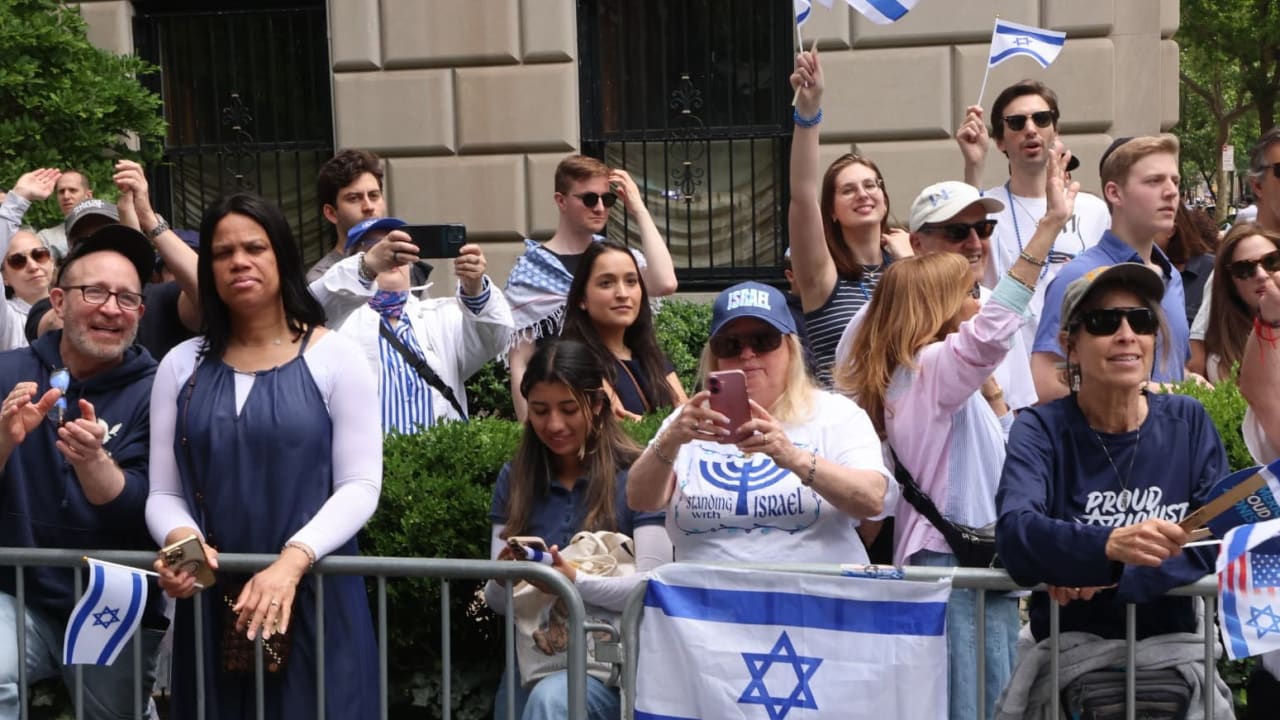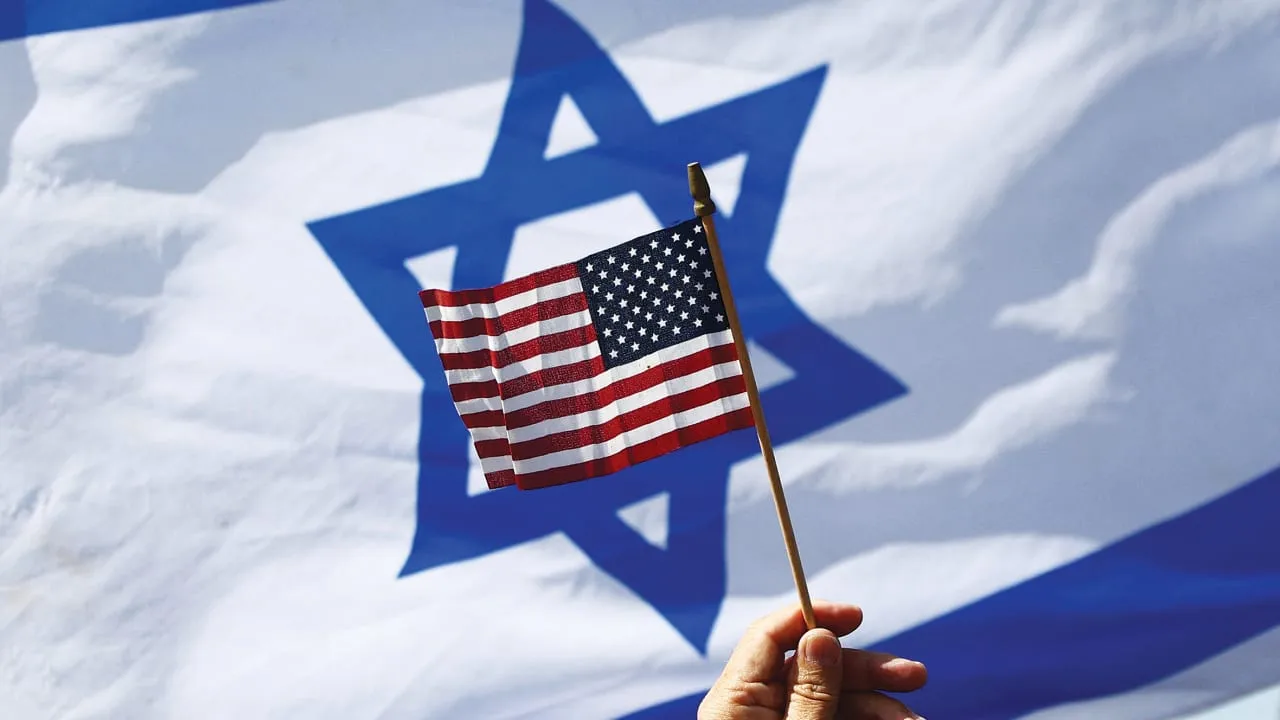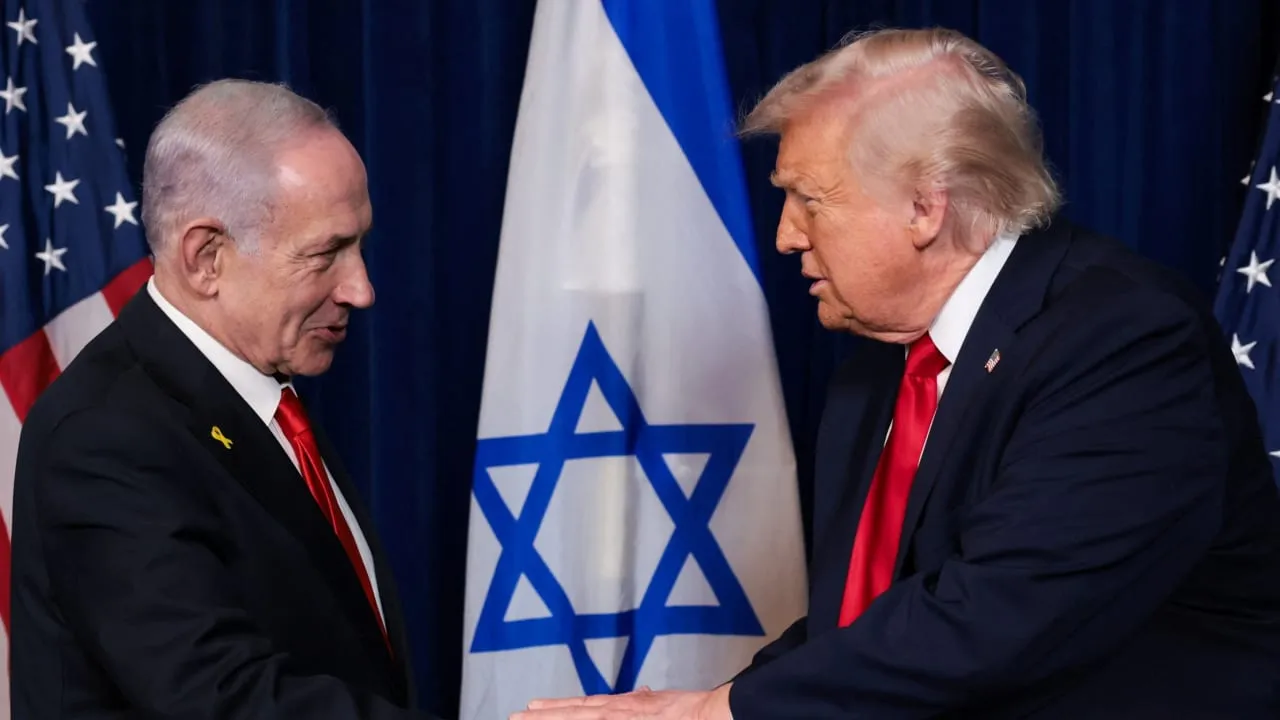
ByDAVID BEN-BASATJUNE 5, 2026 23:56For decades, the alliance between the State of Israel and American Jewry has been one of the pillars of Israel’s diplomatic, security, and strategic strength. American Jews were not only a source of financial and political support but also true partners in a shared journey – a central force in shaping American public opinion and a vital bridge between Israel and the world’s most important superpower.But in recent years, and even more so since the events of October 7, the question has become increasingly urgent: Is this historic alliance facing a deep crisis?The war that erupted after the massacre carried out by Hamas exposed not only the security threats facing Israel, but also the depth of the change taking place in broad segments of American society.On some of the most prestigious campuses in the United States – institutions long seen as symbols of free speech, pluralism, and tolerance – support for Israel has, at times, become an unwelcome position.American Jews [Illustrative] (credit: REUTERS)Jewish students report feelings of alienation, intimidation, and, in some cases, harassment because of their Jewish identity or their support for the State of Israel.Anti-Israel demonstrations, calls for boycotts, and the spread of one-sided narratives have become common.Too often, the line between legitimate criticism of government policy and the denial of Israel’s right to exist as the nation-state of the Jewish people has been crossed.Many Jews in the US feel they are being forced to explain and justify their very identity – a reality that would have been unthinkable only a few years ago.One of the main reasons for this shift lies in the growing gap between Israel and the younger generation of American Jews.The generation that experienced the horrors of the Holocaust, the War of Independence, and the Six Day War viewed Israel as a symbol of Jewish rebirth and national security. By contrast, many young Jews today grew up in a progressive and universalist culture in which identity politics, minority rights, and social justice play a central role. In that environment, Israel is sometimes portrayed as a strong and aggressive state, while the Palestinians are seen as the weaker side in need of protection.The problem is not only ideological. It also stems from the influence of social media, educational systems, and parts of the Western media, which often present a partial, and sometimes distorted, picture of the reality in the Middle East.In many cases, foreign money and influence have entered academic institutions, civil society organizations, and centers of public influence, creating a hostile climate toward Israel.The political dimensions of a growing divideIn this context, claims and oversight reports have emerged in recent years in the United States, raising serious questions about how American public funds reached groups that acted against the Israeli government.According to allegations raised in congressional hearings and oversight efforts, federal agencies, including the US Agency for International Development and the State Department, transferred funds during the Biden-Harris administration that reached, directly or indirectly, political and ideological organizations linked to terrorism and opposed to Israel’s policies.It has also been alleged that certain organizations enjoying nonprofit status in the United States may have supported extremist groups and anti-Israel campaigns in a manner inconsistent with the spirit of American law.If these claims prove true, they would represent a serious failure of public oversight and a blow to American public trust.This shift is also reaching the political system. In recent years, progressive voices adopting a critical, and at times openly hostile, approach toward Israel have gained strength.For many in the Jewish community, one of the most prominent symbols of this trend is the rise of New York City Mayor Zohran Mamdani, who is identified with sharply anti-Israel positions. The public debate surrounding him has intensified further because of the remarks of his wife, Rama, who frequently expresses harsh views toward Israel and does not hide her strong criticism of its policies.What concerns many people even more, however, is the fact that parts of New York’s Jewish community have chosen to give their political support to candidates of this kind.For many Israelis, and for quite a few Jews in the US itself, this is a deeply disappointing phenomenon. Some see it as a sign of a growing identity crisis, in which commitment to certain political values outweighs Jewish solidarity and commitment to the State of Israel.In the eyes of many Israelis, supporting candidates perceived as hostile to Israel is seen as damaging one of the Jewish people’s most important strategic assets.Some even describe it as a betrayal of the mutual responsibility that characterized relations between Israel and American Jewry for decades. Supporters of those candidates, on the other hand, argue that this is a legitimate expression of political pluralism and that support for liberal values does not necessarily contradict support for Israel.Either way, the very existence of such a debate reveals the depth of the change.In the past, support for Israel was almost a consensus among most mainstream streams of American Jewry. Today, it has become a political and partisan issue, and at times even a source of division within families and communities.Even so, we must not ignore the broader picture. Precisely after October 7, there were also remarkable displays of solidarity from American Jews. Many communities mobilized on Israel’s behalf, donated enormous sums, organized rallies of support, and used their public and political influence to support the security of the state. Many rediscovered a sense of belonging to the Jewish people and the understanding that the fate of Jews around the world and the fate of Israel are intertwined.The rising antisemitism worldwide does not distinguish between a Jew living in Jerusalem and a Jew living in Manhattan.Those who hate Jews because of their identity do not ask whether they support the Right or the Left, whether they are religious or secular, Israeli or American. This reality reminds us of a basic truth: Despite the disagreements, we are one people with a shared destiny.To prevent the divide from deepening, an effort is required on both sides. Israel must invest more in strengthening its relationship with the younger generation of Diaspora Jews, listen to their concerns, and engage with them in honest and respectful dialogue. At the same time, leaders of Jewish communities in the United States must strengthen Jewish and Zionist education and deepen familiarity with Israel’s security and historical reality.The alliance between Israel and American Jewry has never rested only on political interests. It was built on a sense of shared destiny, historical memory, and mutual responsibility.The great question facing both sides today is not whether disagreements exist between them, but whether they still see themselves as part of the same historical story.If the answer is yes, the alliance will survive the current crisis.If not, a rift may emerge that will be very difficult to heal.Precisely in an era of rising antisemitism, political polarization, and global threats, Israel and American Jewry need one another more than ever – not as a political choice, but as a historical, national, and moral necessity.The author is the CEO of Radio 100FM, an honorary consul and vice dean of the Consular Diplomatic Corps, president of the Israel Amateur Radio Club, and a former Israel Defense Forces Radio monitor and NBC News television correspondent.Follow us on Google
The crisis facing Israel and American Jewry’s shared future | The Jerusalem Post
The great question facing both sides today is not whether disagreements exist between them, but whether they still see themselves as part of the same historical story.
1,209 words~5 min read