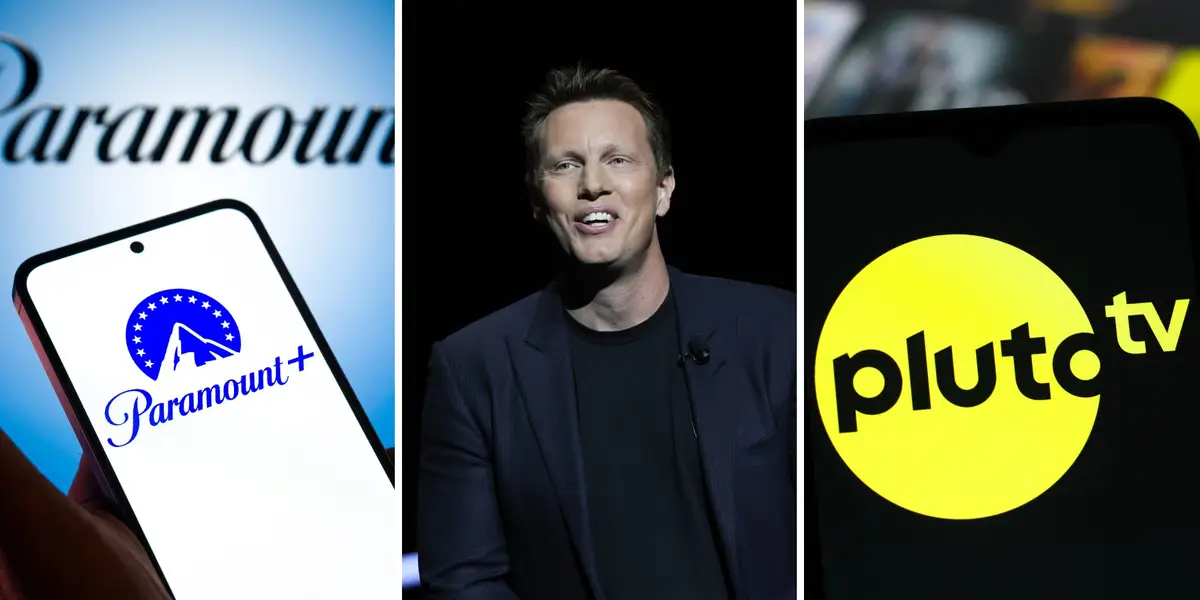
Dozens of advertising and media buying executives convened in late April at an event space near the west side of New York City, eager to get a look at what Paramount Skydance had to offer in its first “upfront” market under the control of CEO David Ellison. Attendees sat at long tables, dined on exquisitely prepared meats and fish, and listened to Ellison and actors from the company’s various “Yellowstone” programs talk about the alliances they might build with Madison Avenue. When the showcase ended, guests could sample from an array of desserts and hit a well-stocked bar far into the evening.
Now, Paramount is serving up something else: confusion.
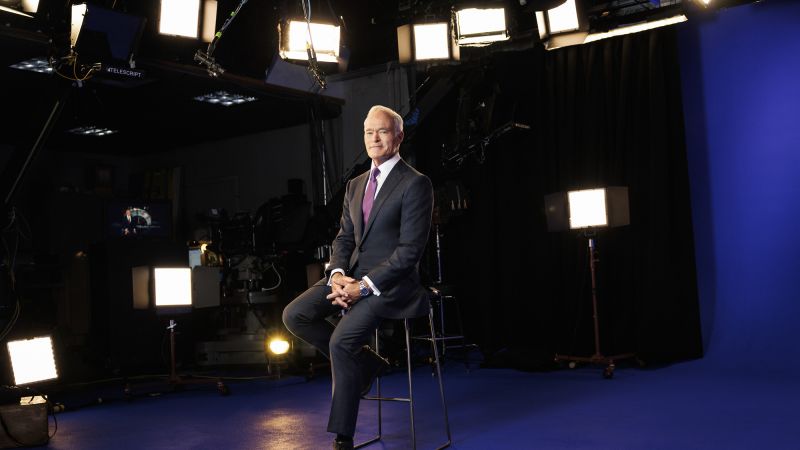
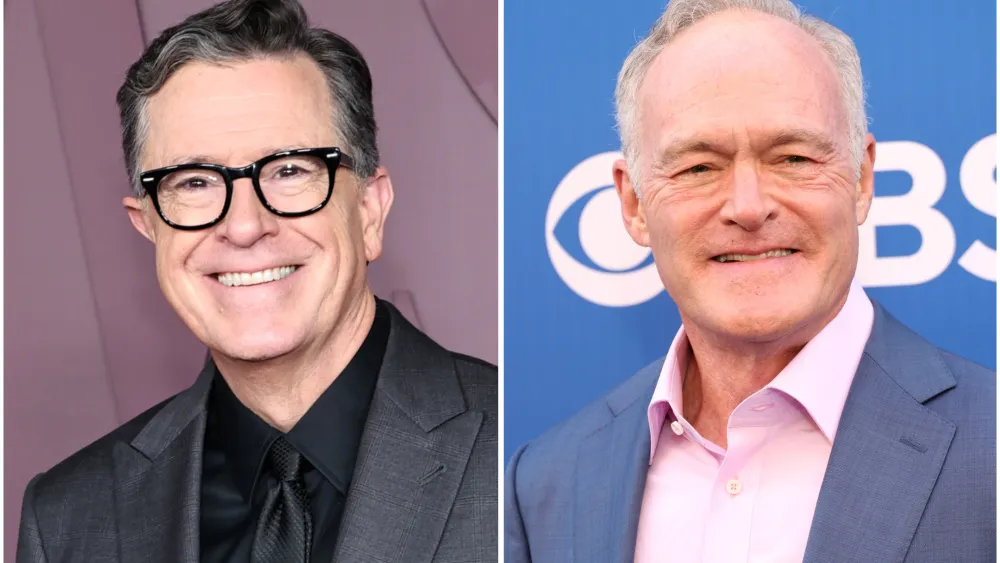
In the weeks since that meeting, the company has canceled “The Late Show with Stephen Colbert” and arranged for its two late-night hours to be leased to media entrepreneur Byron Allen, in a deal that will net CBS $15 million. And it has set in motion a radical overhaul of the jewel of the CBS lineup, “60 Minutes,” dispatching three of its correspondents along with several top producers.
Paramount has orchestrated these moves as it seeks millions of dollars from Madison Avenue as part of the industry’s annual “upfront” market, when U.S media companies seek to sell the bulk of their commercial inventory ahead of their next cycle of programming. Approximately 27% of Paramount’s revenue hinges on ad sales, according to Robert Fishman, a media analyst with the media-sector research firm MoffettNathanson. Paramount said it generated approximately $7.35 billion in revenue in its first fiscal quarter, which would represent nearly $2 billion in advertising.