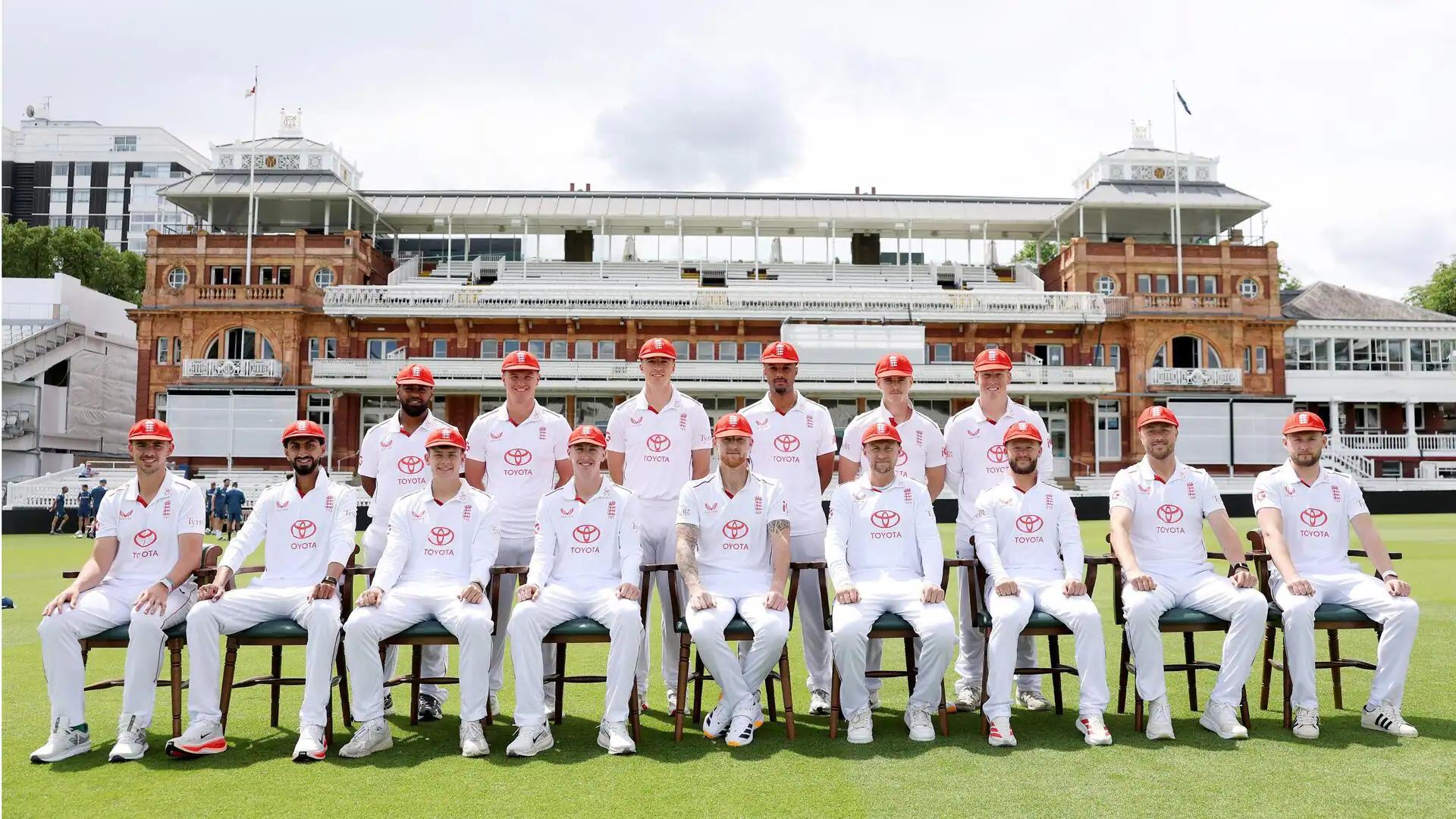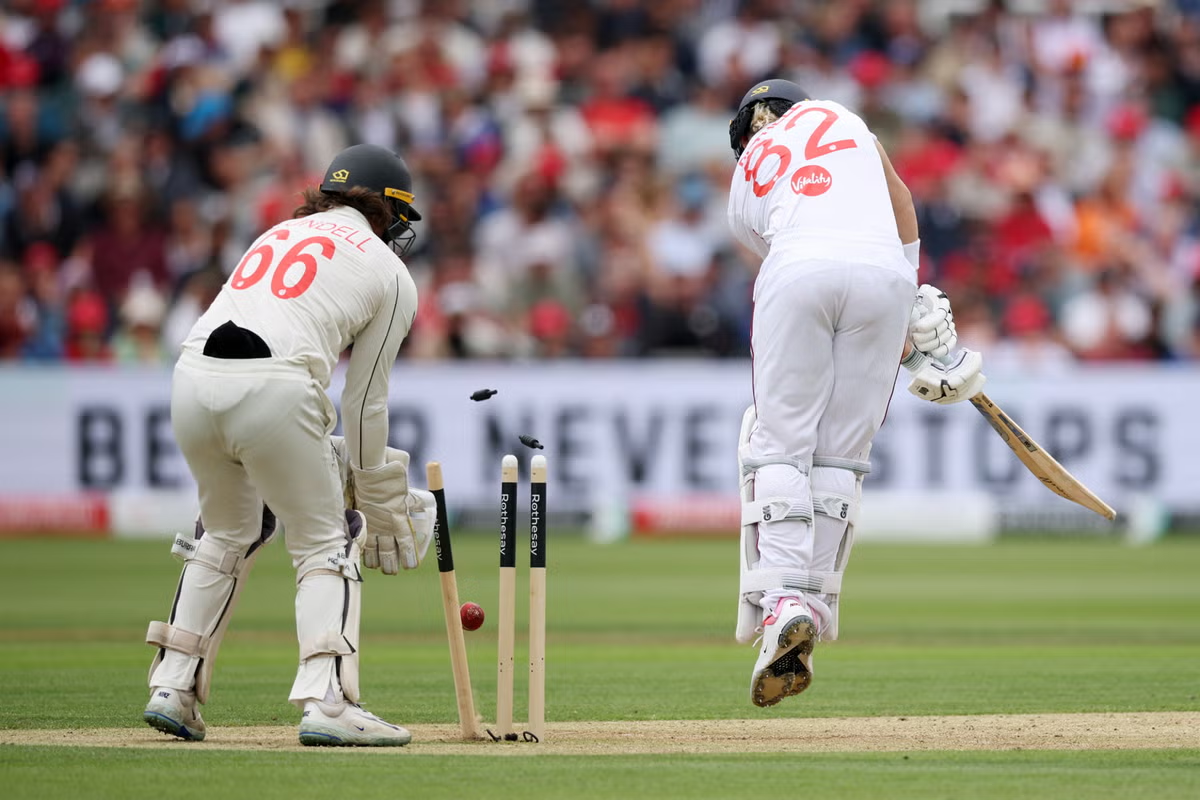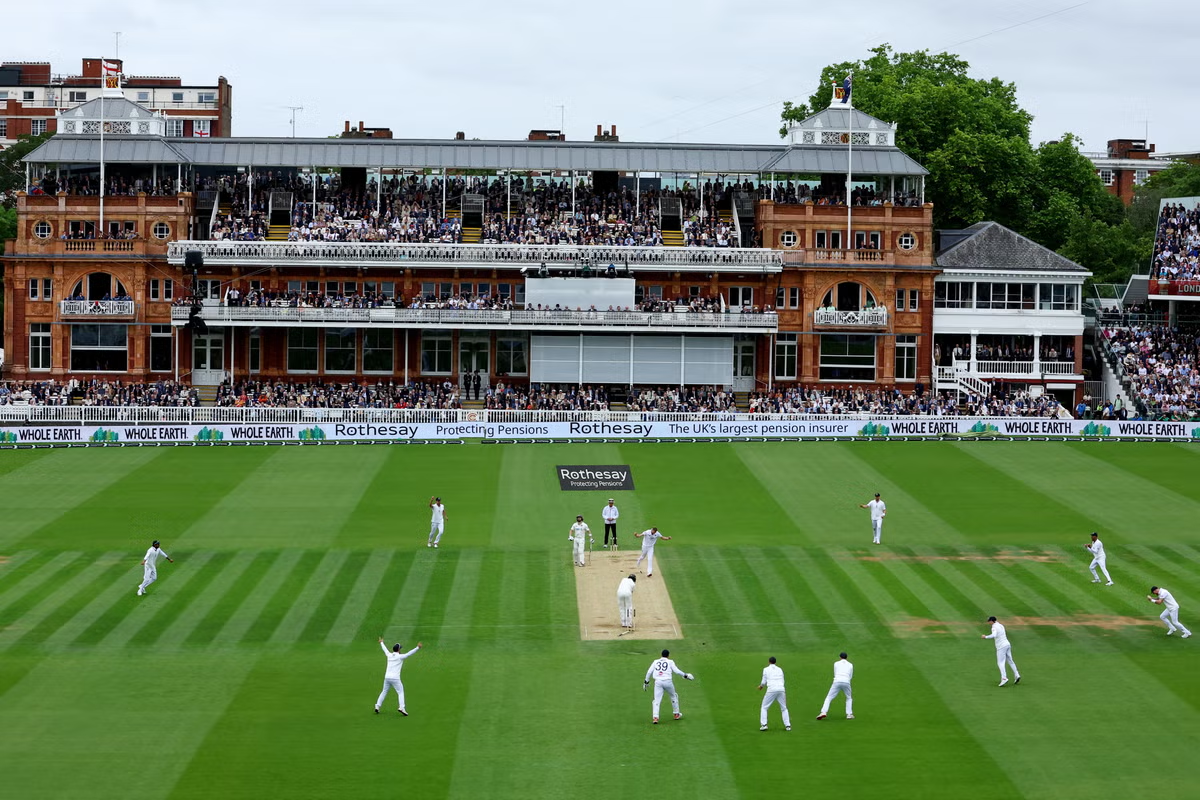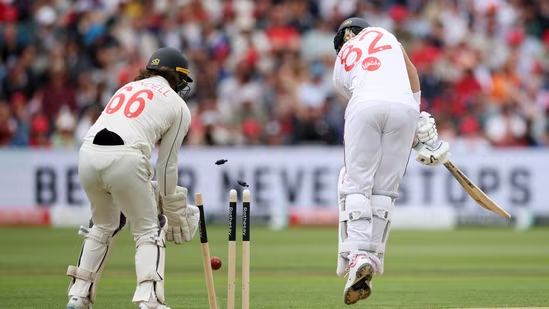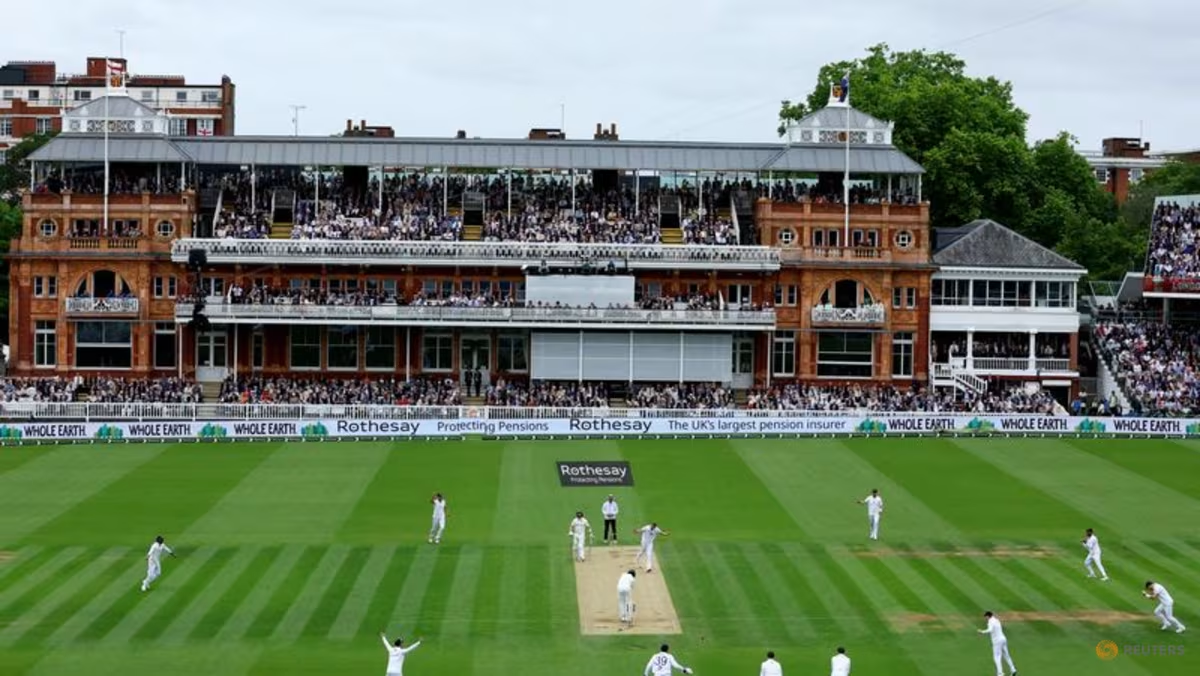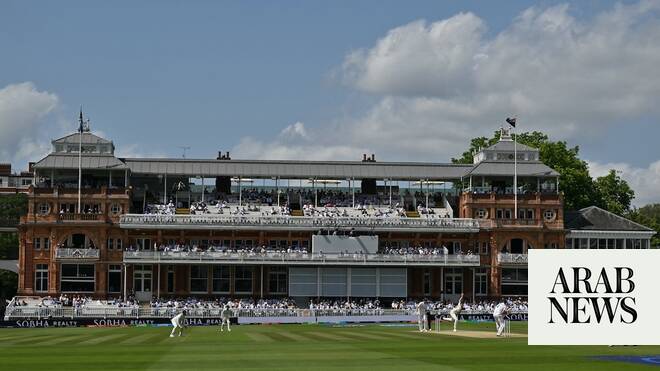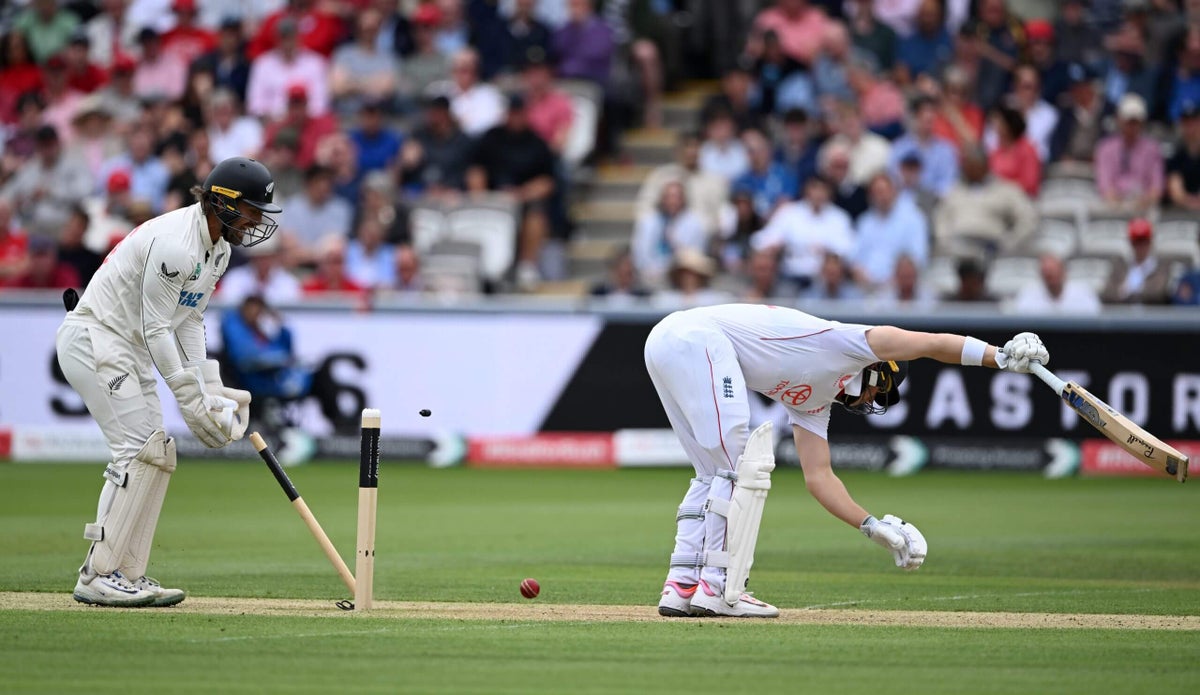
The Athletic has launched a Cricket WhatsApp Channel. Click here to join.The stage was set and Lord’s, as always, looked a picture.The most famous ground in cricket was already close to capacity and that unique buzz of anticipation, the ‘hum’, was spreading around the crowd. Then the first ball was bowled and an unsatisfactory tone was set.It was delivered by New Zealand’s Matt Henry at 11am on Thursday and literally ran along the ground wide of Ben Duckett’s off stump, dribbling towards wicketkeeper Tom Blundell. And so the ongoing saga of controversial Lord’s pitches began another chapter.Everything about Lord’s is perfect. Not least the mix of the old — the magnificent pavilion has stood since 1890 — and the new, in the elegant stands surrounding it that have been rebuilt in recent years to expand the ground to its current 31,100 capacity.And it is nearly always full for international cricket, as it has been for the first two days of the first Test between England and New Zealand, the 150th to be staged at Lord’s. More than any other ground in the world.Everything, that is, except for the pitches.They have become an increasing problem as the Lord’s groundsman Karl McDermott and his staff battle to pump life into the 22 yards of turf in each of the 20 surfaces on the square — only the middle five are central enough for the many major matches staged here — in the face of an ever-increasing workload.Everything about Lord’s is spectacular, apart from the strip (Gareth Copley/Getty Images)The pitch for this first Test is the ‘best’ example yet of the issues that are becoming acute for the MCC, the most famous club in world cricket and custodians of the laws of the game.By the close of the second day, 33 wickets had fallen — many to unplayable deliveries — and the variable bounce that is the biggest impediment to an equal contest between bat and ball was becoming increasingly pronounced.Put simply, it is not good enough. Not when Lord’s has an agreement with the ECB to stage two of the seven or sometimes six Tests staged each summer until 2031, and when this season a third Test will be staged at the ‘home of cricket’ as England’s women take on India.And not when at least one established Test venue has to miss out each season as a result — this year it is Old Trafford in Manchester — and the domination of Lord’s along with the Oval, another London ground that has a long-standing Test-staging agreement with the the England and Wales Cricket Board (ECB), creates an unequal geographical balance for match-going spectators.England’s Jamie Smith was one of a number of batters bowled by a delivery which kept horribly low (Gareth Copley/Getty Images)There are many reasons why Tests meant to last five days are becoming shorter — two of the five Ashes matches between Australia and England last winter finished in two days — including the impatient nature of the modern world and the changing face of a game. More and more batters, schooled in the short-form white-ball game, give their wickets away these days in the name of attacking cricket.Not this time.There was no ‘Bazball’ played by England as they were bowled out for 140 and 226, and no reckless cricket played by New Zealand in being dismissed for 113 and then struggling along to 36-3 by the close of the second day.
Does Lord’s really merit three England Test matches this summer?
The 'home of cricket' is also due to host Pakistan and a women's Test against India, but the quality of the strip has become a major concern
1,427 words~6 min read