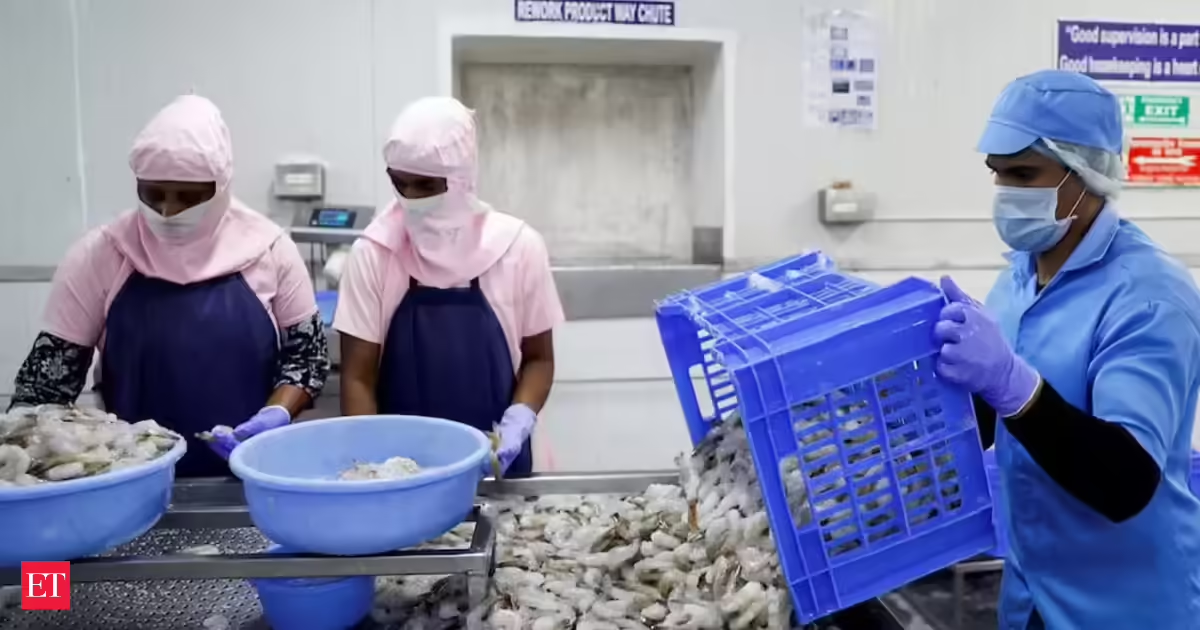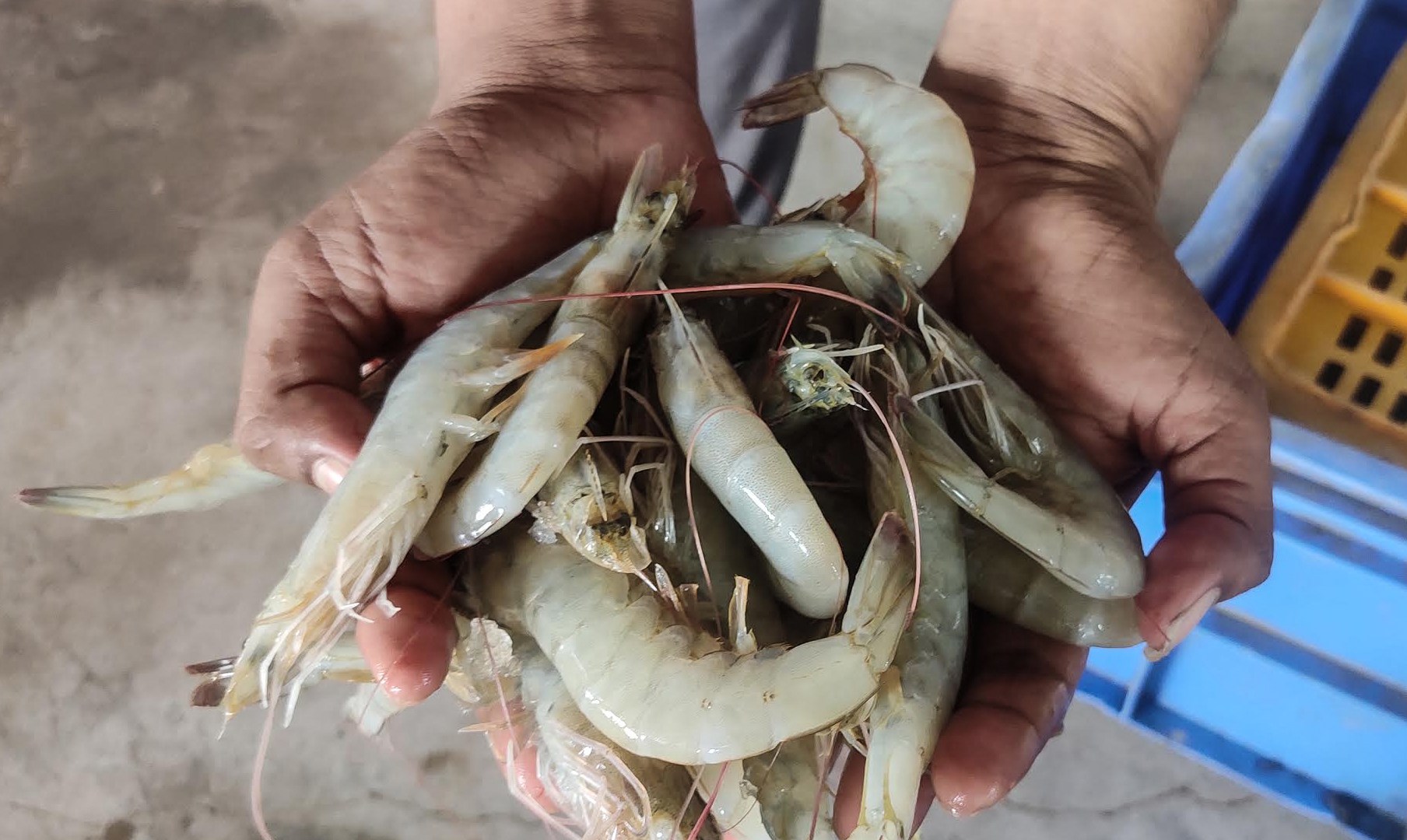
New Delhi: India's apex drug regulator has asked state authorities to intensify inspections of veterinary medical shops and report on enforcement action after shrimp exports faced a 43% rejection rate in major markets like the US, the European Union and Japan over the presence of two banned antibiotics.The Central Drugs Standard Control Organisation (CDSCO) issued the direction after the Marine Products Export Development Authority (MPEDA) flagged that residue of chloramphenicol and nitrofurans continued to be detected in shrimp consignments, despite the country banning both drugs in March last year. The contamination was traced to more than 40 farms in four states with Andhra Pradesh accounting for 74% of the implicated farms, followed by Odisha (13%), West Bengal (8.7%) and Gujarat (4.3%).The CDSCO has now asked states to furnish specific details including the mechanism in place to implement the ban, the number of inspections conducted at veterinary medical shops and their outcomes, and details of punitive action initiated or completed against violators.Chloramphenicol is banned in food-producing animals because even trace residues can cause aplastic anaemia in humans. Nitrofurans are prohibited due to the persistence of their metabolites in animal tissue and their potential carcinogenicity. Both carry zero-tolerance limits in seafood imported by the EU, US and Japan. The regulator has also directed that these drugs be supplied only to licensed manufacturers for authorised purposes with proper stock reconciliation and that violations be prosecuted under the Drugs and Cosmetics Act, 1940, and Rules 1945.
Banned substance in shrimp: Vet shops under close watch
India's top drug regulator is cracking down on veterinary shops. This action follows a significant rejection of shrimp exports to major markets like the US, EU, and Japan. The problem stems from banned antibiotics found in the seafood. Authorities are now demanding detailed reports on inspections and enforcement actions against violators.
242 words~1 min read