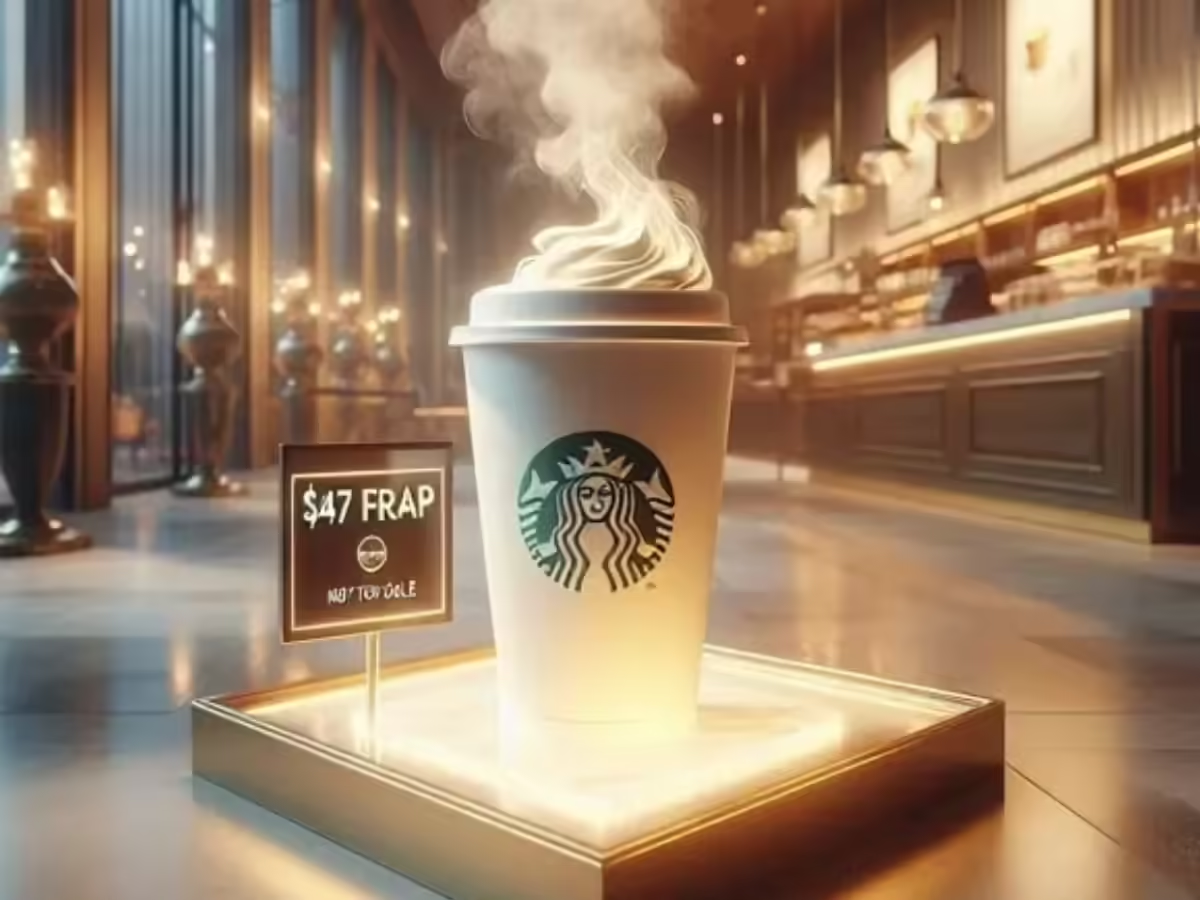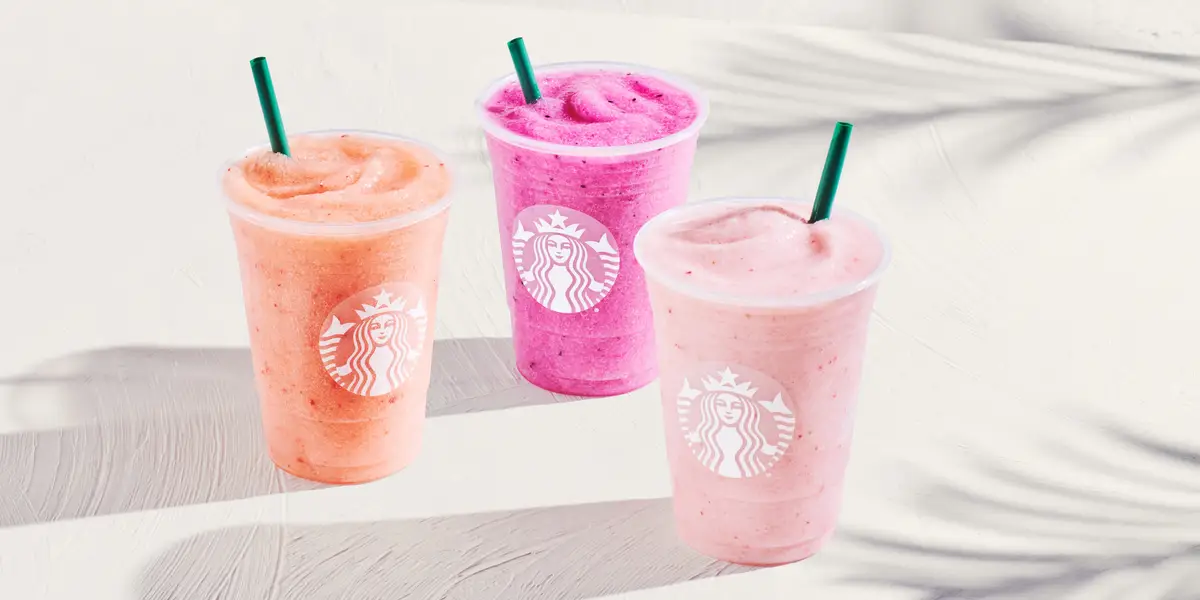
There's a blazer on Bond Street. You will never buy it. That is precisely why it exists.A salesperson once steered a teenage tourist-let's say, conspicuously overwhelmed by the price tags-toward a rack he had no business approaching. "Don't buy it," the man said, with the casual authority of someone doing a favour. "Just see it."What emerged was a coat priced at roughly the GDP of a small municipality. The tourist did not buy it. He bought the thing he had originally wanted, at a tenth of the price, and walked out feeling like he had gotten a bargain. The salesperson had made his sale without making his pitch. It was, in retrospect, a masterclass.Starbucks needs that jacket.The coffee chain that once convinced an entire generation that paying $4 for a cup was reasonable-a feat of psychological rewiring that deserves its own chapter in behavioural economics textbooks-has lately seemed uncertain about its next move. Pricing pressure, identity drift, a menu that reads like a committee document.The cure, counterintuitively, is not to simplify. It is to go more expensive. Conspicuously, almost offensively more expensive.One coffee on the menu. Priced at $40, or $50, or whatever number makes a first-time customer do a double-take and quietly recalibrate everything else on the board. Not a gimmick, but a gravity anchor. Once the eye has registered that number, the $8 oat latte stops looking like an indulgence and starts looking like prudence. The customer who was hesitating over upgrading from a tall to a grande now upgrades without a second thought. They are, by comparison, being responsible.This is not a new trick. It's a very old one. Luxury hotels put a $3,000 suite on their website for the same reason. The $300 room needs context.But anchoring is only act one. The real opportunity is the spice rack.Here is a product that currently does not exist, but should: small, well-designed pouches-ziplock, reusable, the kind of thing that signals care-containing single-origin spice blends. Cardamom. Clove (the C4TM blend). A cardamom-cinnamon combination for the adventurous. Each priced at $3 to $5 as an add-on.The pouches cost cents to produce. They are self-evidently optional. And they are, crucially, social objects-the kind of thing you add to a coffee when you are trying to impress someone, or simply when you want to feel that this particular Wednesday morning is not identical to the last one.Then, at the top of the pyramid: a saffron pouch. A $10 add-on. A pinch of something that has been expensive since before coffee was invented. The addition to your cup that requires no explanation because saffron explains itself.The economics of this are almost embarrassingly straightforward. Margins on spice pouches are extraordinary. The behavioural effect compounds the anchor at the top of the menu. And the customer who buys the saffron add-on is doing something Starbucks has always wanted its customers to do-feeling, however briefly, that this is not a transaction, but a ritual.There is a precedent for this logic in every ice-cream shop that has ever existed. The profit is not in the scoop. The profit is in the sprinkles, hot fudge, waffle cone upgrade. Parents know this. They buy it anyway. The margin lives in the add-ons, and the add-ons sell themselves because saying no feels smaller than saying yes.Starbucks built something genuinely difficult: a global, industrialised product that people nonetheless feel personal attachment to. That is the paradox it now has to work with. Industrialisation created the scale. But scale without differentiation eventually produces a race to the bottom.The move, when a mass brand needs to recapture margin and perception simultaneously, is personalisation layered onto the industrial base. Not a reinvention-a refinement. A saffron pouch here. A Bond Street jacket there.Ralph's Coffee understands this. The Louis Vuitton cafe understands this. The idea that a luxury house can operate a coffee counter without irony, and that people will queue for it, is the market telling you something clearly.The $47 frappuccino does not need to sell. It just needs to exist.
$47 frappuccino nobody asked for (but everyone needs): How Starbucks can cure its midlife crisis with a pinch of saffron, and some very old retail psychology - The Economic Times
Starbucks faces challenges and needs a new strategy. The article suggests introducing very expensive items to make regular coffees appear cheaper. It also proposes selling small, premium spice blends as add-ons. These additions offer high profits and enhance the customer experience. This approach is compared to luxury hotels and ice cream shops.
666 words~3 min read