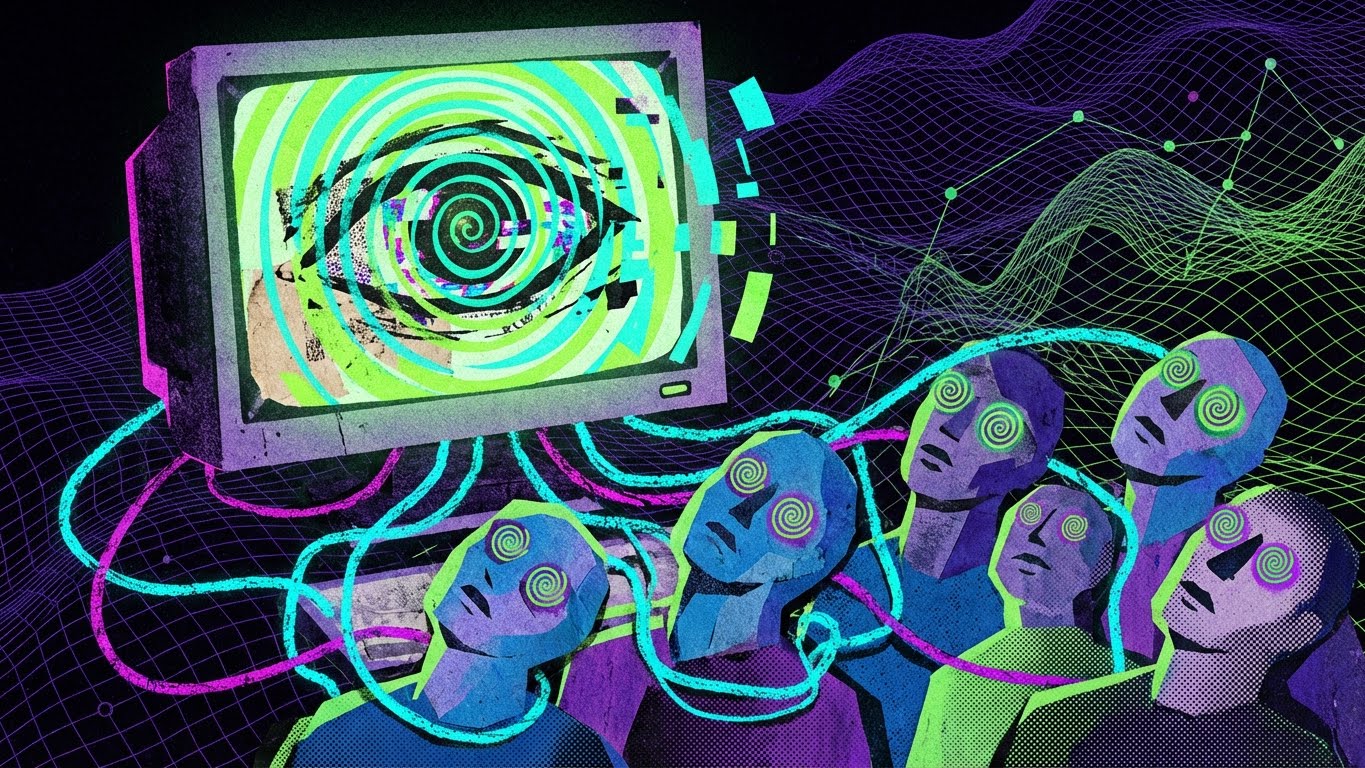
In October 2023, OpenAI CEO Sam Altman predicted that "very strange outcomes" would happen when AI gained superhuman powers of persuasion. This year made clear just how right he was—and how dangerous "understanding" can be as a business model.
When Sam Altman wrote on X on October 25, 2023, that he expected AI to achieve "superhuman persuasion" long before general intelligence, it sounded like an abstract warning from the industry's engine room. Such a shift, he added, "… may lead to some very strange outcomes."
via X
Two years later, that prediction reads less like sci-fi and more like a sober assessment. Chatbots don't need omniscience to profoundly affect people. They just need availability. By sounding personal and delivering tailored answers in seconds, they become comforting, reassuring—and seductive.
In the US, a catchy if vague term has emerged: "AI psychosis." Medical literature emphasizes this isn't a new diagnosis. According to a Viewpoint paper in JMIR Mental Health, it serves as a working term for cases where intensive chatbot interactions trigger or intensify psychotic experiences, particularly in vulnerable users.