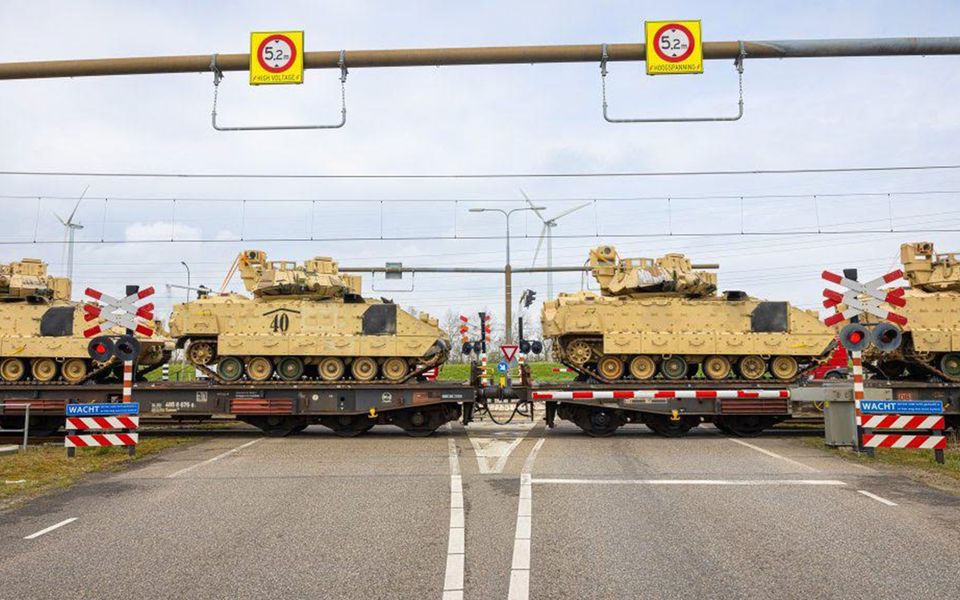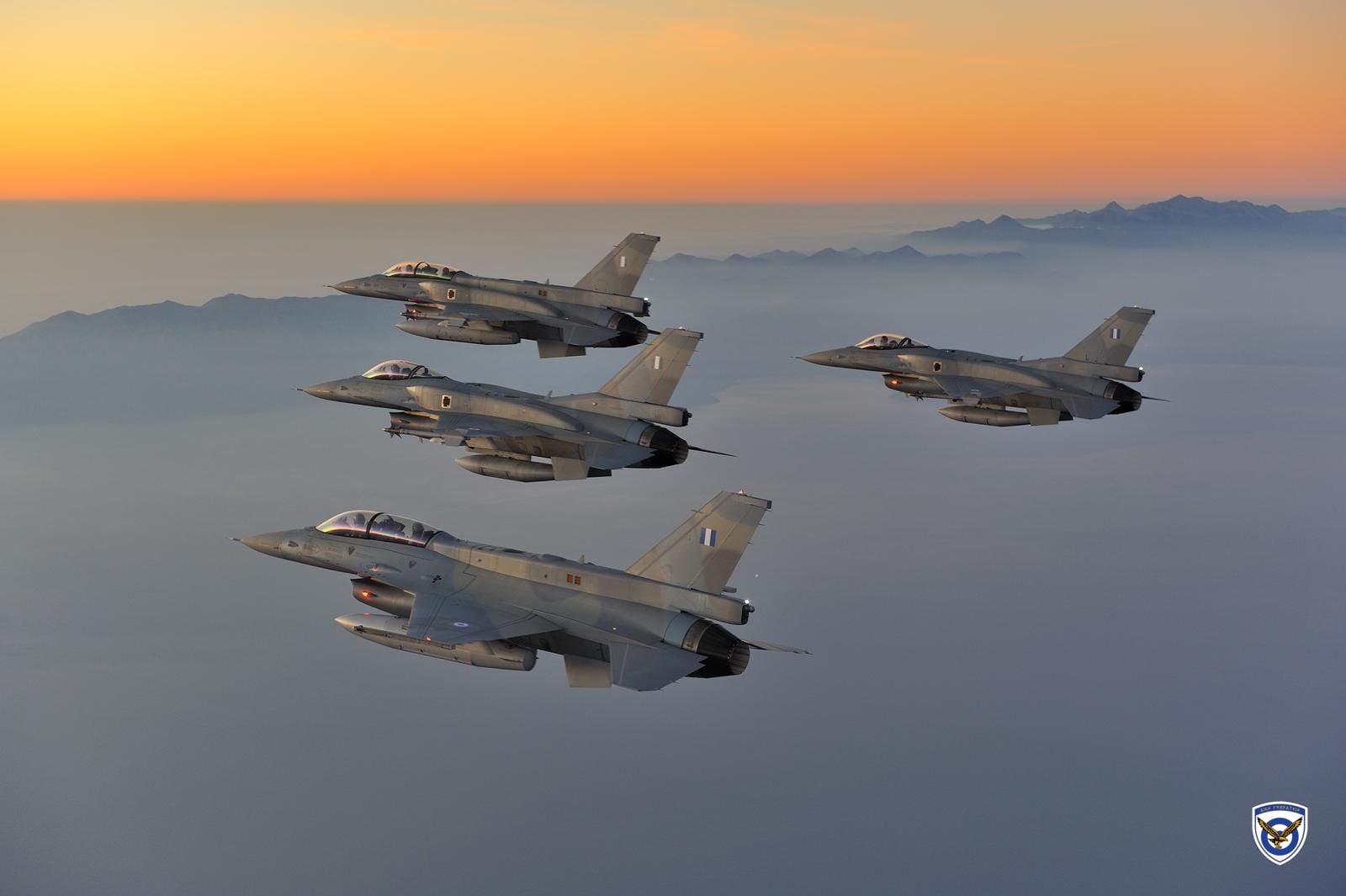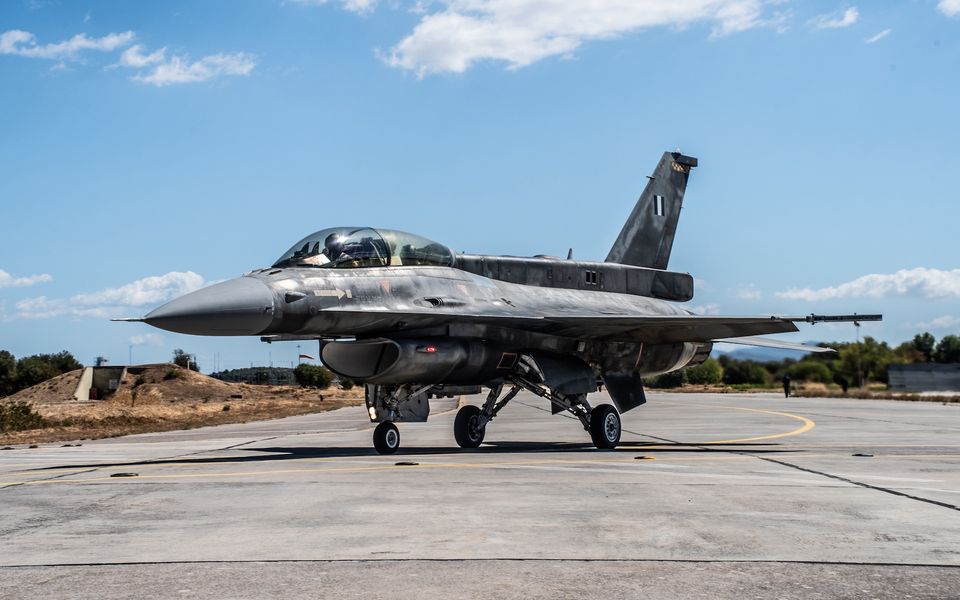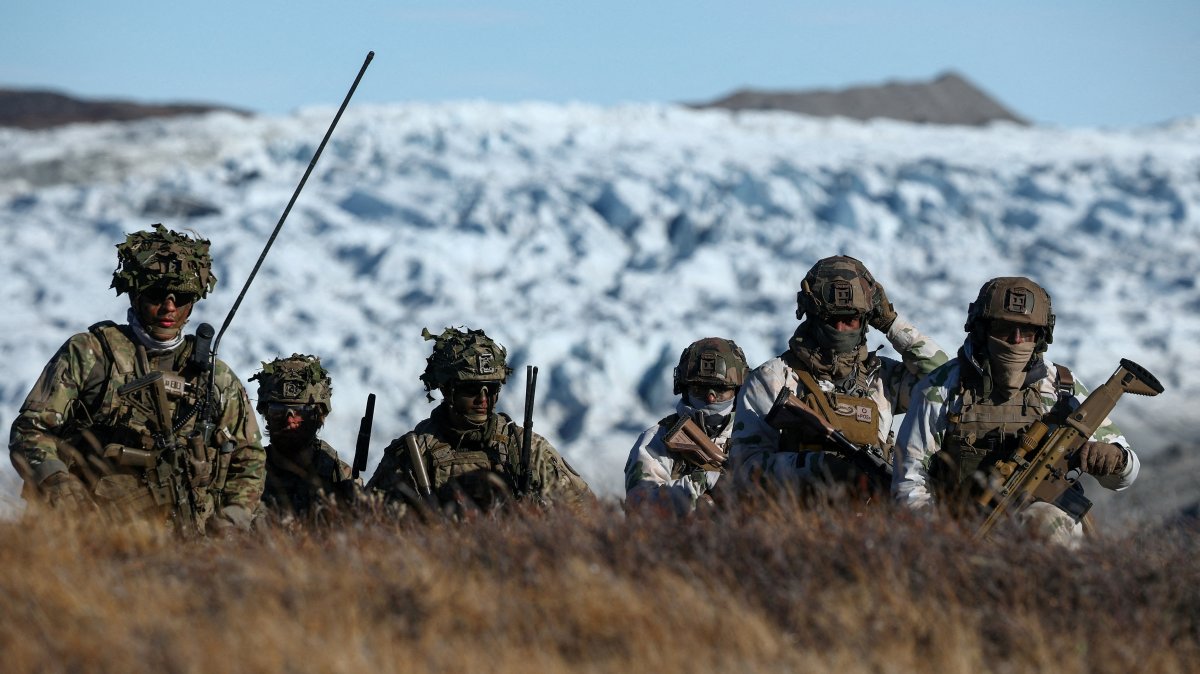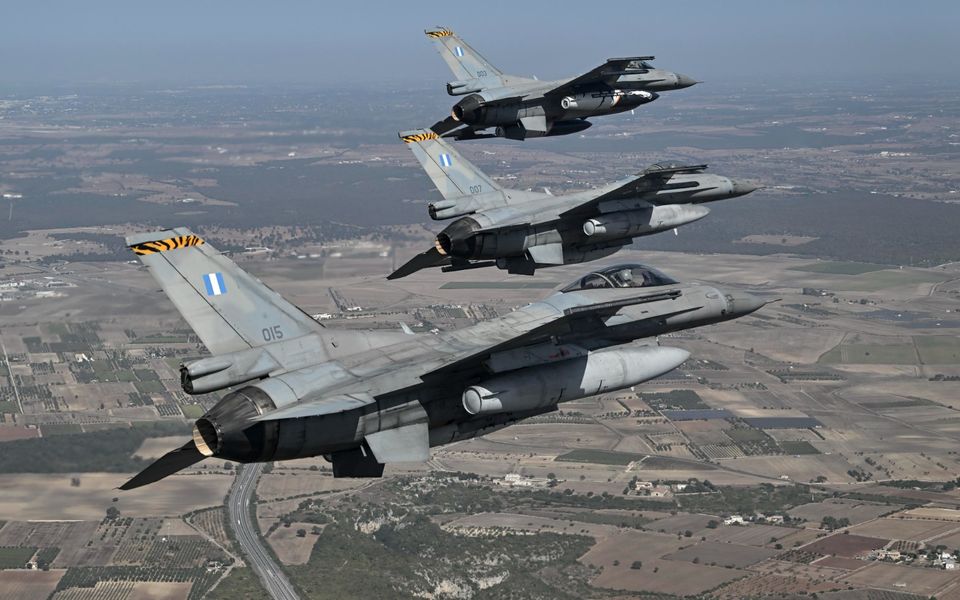
The Hellenic Air Force is preparing for one of its largest deployments in recent years, with fighter jets and support aircraft relocating across northern and southern Europe for NATO’s Ramstein Flag 26 (RAFL) exercise.
The drill simulates the activation of Article 5 of the NATO Treaty, under which an attack on one Ally triggers a collective response. It tests rapid reaction procedures in a high-intensity scenario, based on a notional Russian attack, focusing on operational readiness, complex threat environments, access and area denial, and integrated air and missile defense capabilities.
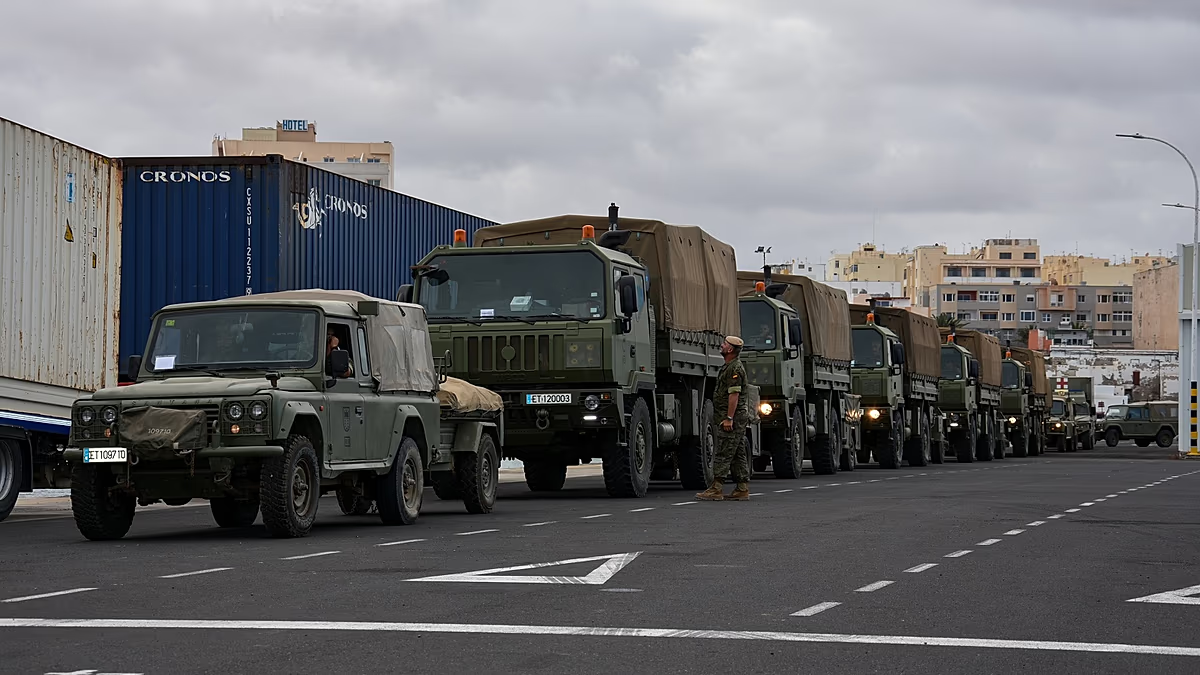
Ramstein Flag 26 begins on Monday across an unprecedented geographical span, from the northernmost outpost of Norway to the south of Spain.
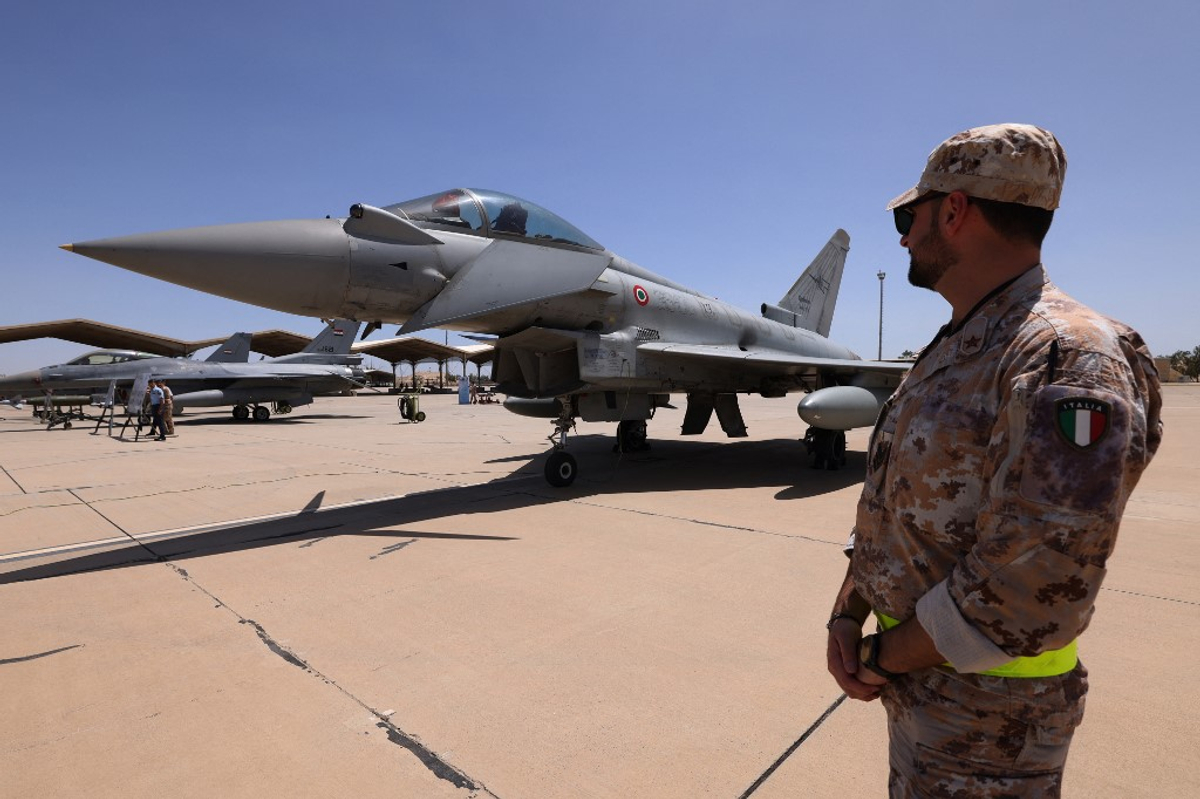
The drill’s northern segment is co-organized by Denmark, Finland, Norway, and Sweden, while, besides Greece, the other participants include Belgium, Canada, the Czech Republic, France, Germany, Hungary, Italy, the Netherlands, Romania, Spain, Turkey, the United Kingdom, and the United States. More than 200 fighter aircraft are expected to take part, including fifth-generation F-35s.
Greek participation includes the deployment of Rafale fighter jets from the 332nd Squadron, which will operate from Evenes Air Base in the Arctic Circle. Four aircraft and associated personnel are set to relocate to Norway over the weekend, conducting acclimatization flights in the area ahead of the exercise.