Reading Time: < 1 minuteThis article was updated on May 18
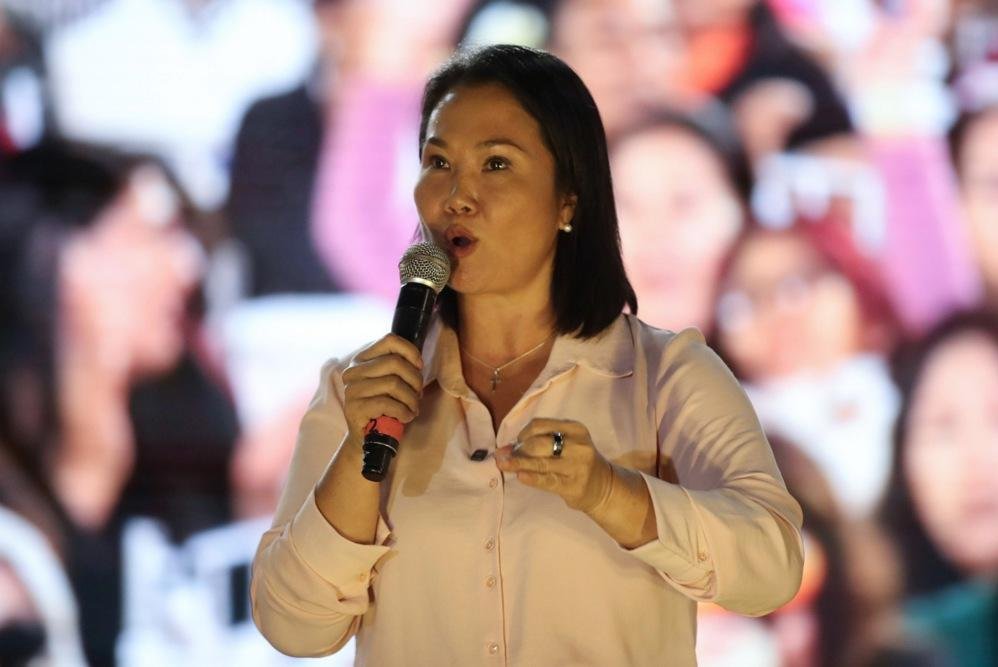
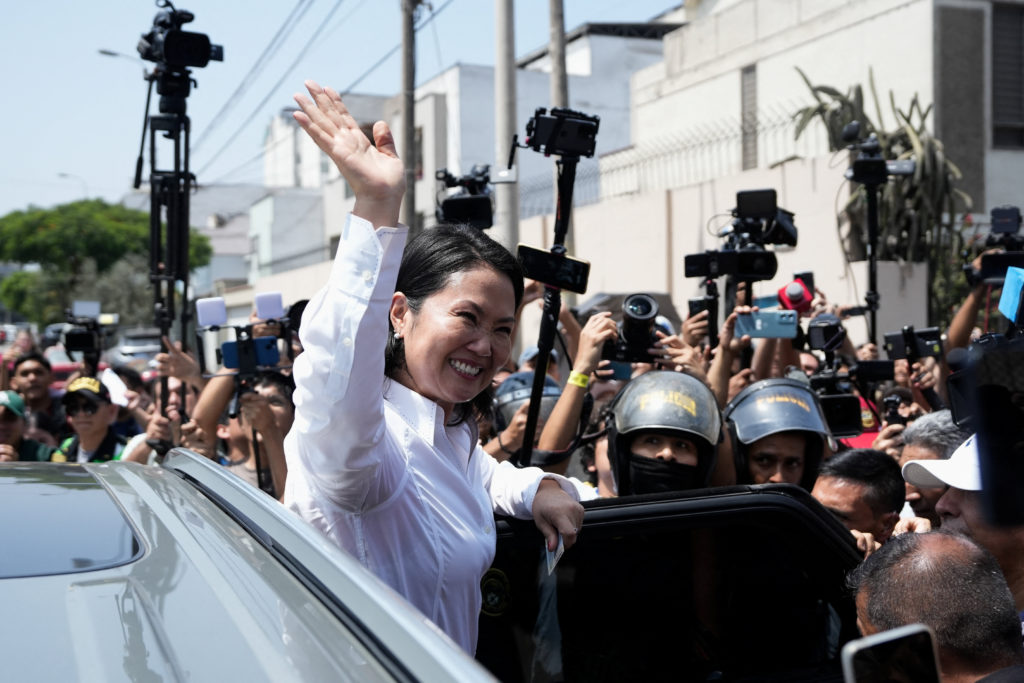
After more than a month of uncertainty, Peru’s elections authority announced on May 17 that conservative Keiko Fujimori will face leftist Roberto Sánchez in the June 7 presidential runoff. Fujimori earned a first-round victory over a crowded field of 35 candidates with 17%, while Sánchez won 12%, beating third-place finisher Rafael López Aliaga by just over 20,000 votes.
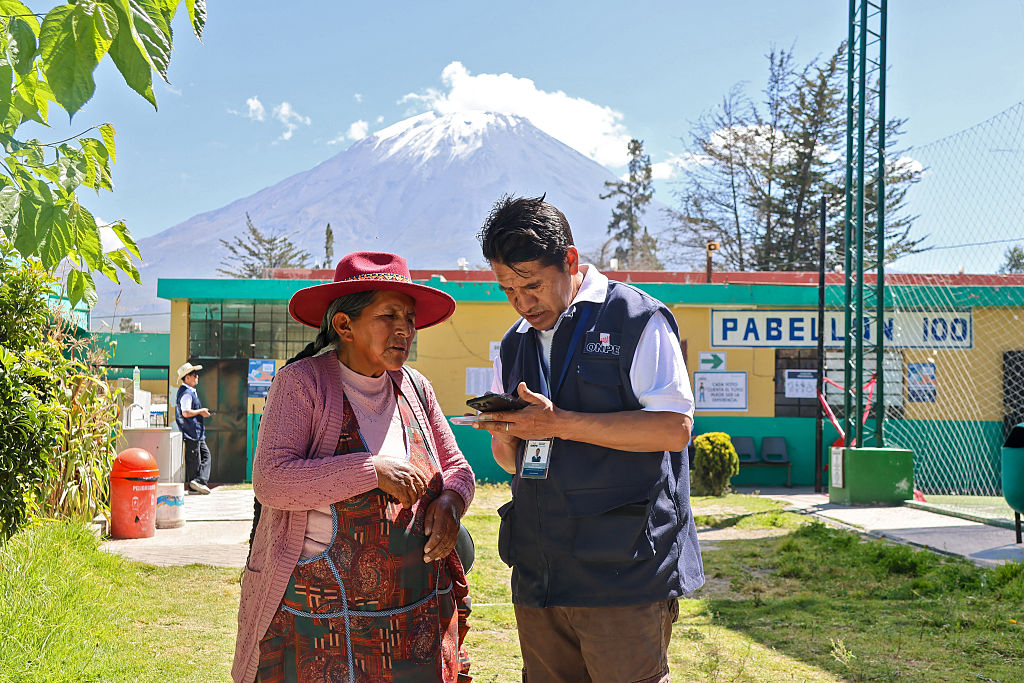
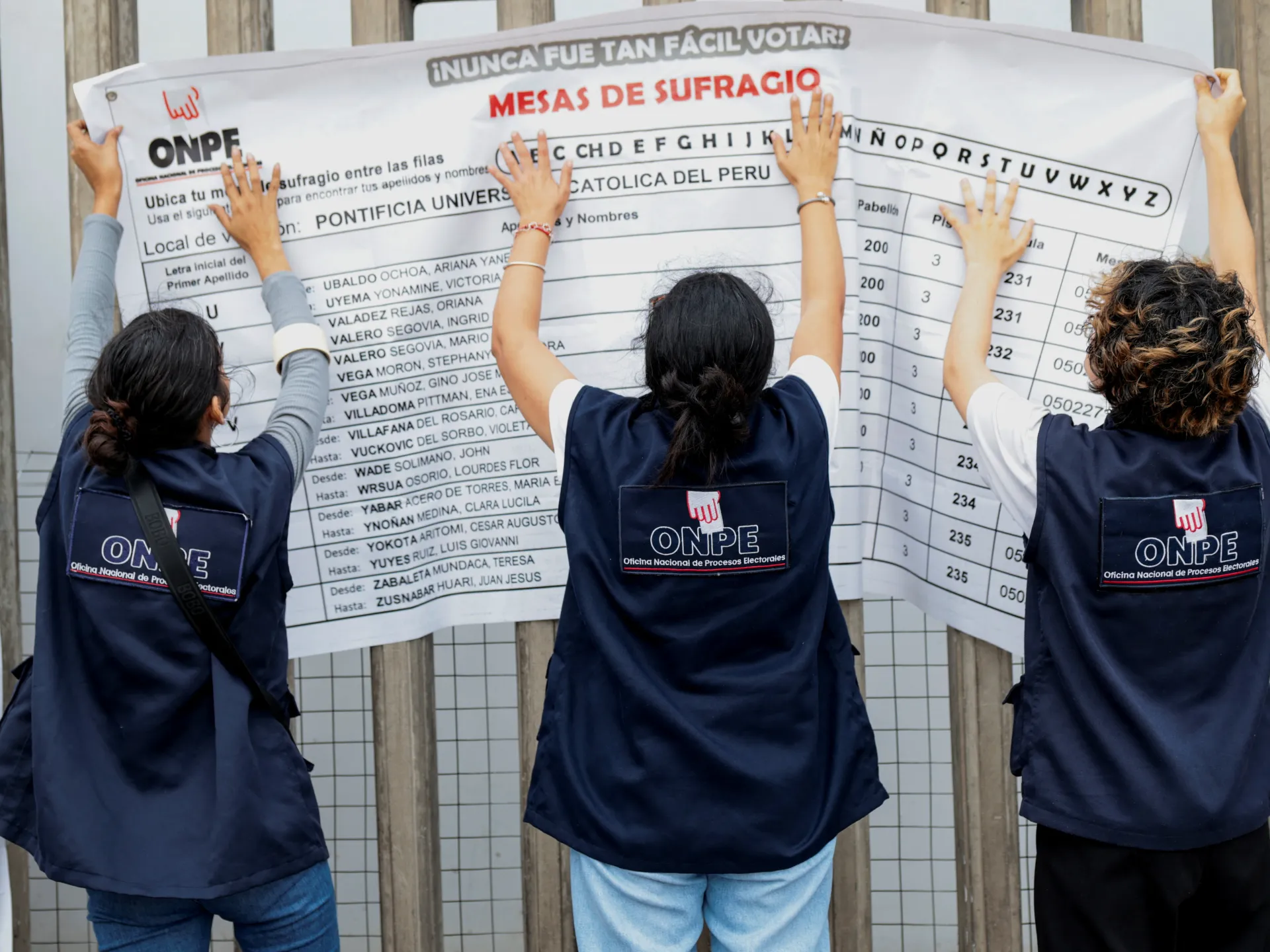
The vote on Sunday April 12 was complicated by long lines and logistical failures that prompted officials to extend voting to the following day for tens of thousands of people at 15 polling locations in Lima and two abroad. López Aliaga seized on the dysfunction to allege widespread fraud. He has called for the vote to the annulled and continues to contest the results.
This is just the latest episode in Peru’s long-running political turmoil, which has brought the country nine presidents in the past 10 years. This instability and a rise in violent crime have been top of mind for voters. The country’s homicide rate has doubled since 2019, and extortion and other gang-related crimes have also become much more common.
AQ has listed the candidates in alphabetical order by last name, and has asked eight nonpartisan experts on Peru to help us identify where each candidate stands on two spectrums: left versus right on economic matters, and personalistic versus institutionalist on leadership style. The results are mapped on the charts below. We’ve published the average response, with a caveat: Platforms evolve, and so do candidates.