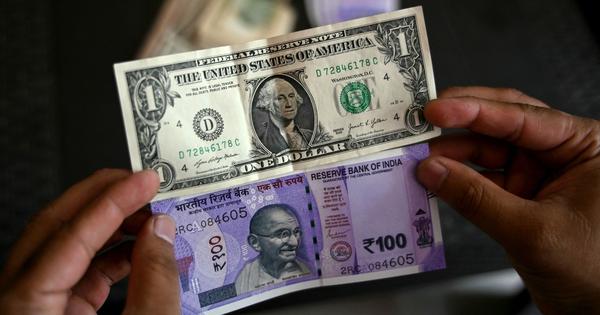
SynopsisThe rupee's fall against the dollar is more than just a number. Like age, it brings real-world impacts. The value of 100 rupees affects daily costs such as petrol. It also influences financial standing and national credibility. Dismissing these figures as insignificant ignores their practical implications for everyone. Numbers hold power and shape our lives.'100 is just a number,' they keep saying, as rupee collapses against dollar like a drunk uncle at a Punjabi wedding. It's the same soothing mantra a generation has whispered to itself while blowing out birthday candles: 'Age is just a number.'Except, of course, age is also cholesterol, knee pain, and the sudden urge to discuss mutual funds at dinner. Numbers are never 'just' numbers - they're the difference between youth and arthritis, solvency and bankruptcy. Defence of the rupee's freefall is, understandably, a Zen-like shrug. It's the best you can make of a not-too-sweet situation - unless, of course, you're earning in dollars by selling something that those currently stingy dollarwalas are still buying.Let's face it, numbers are the tyrants of our lives. Try telling your kid who's trying to get into college that numbers don't matter, and that marks are but maya. To dismiss '100' as a mere triple-digit is like dismissing gravity as 'just a force'. The rupee at 100 isn't a mystical abstraction - it's the price of petrol, and dignity at the forex counter.Age may be 'just a number' until your knees remind you otherwise. Similarly, the rupee may be 'just a number' until your wallet feels like migrating. In the end, this stalwart defence is less economics and more philosophical. Remember, zero is also just a number - and where credibility ends. ...moreElevate your knowledge and leadership skills at a cost cheaper than your daily tea.Subscribe Now
Rupee at 100: The cost of pretending numbers don't matter - The Economic Times
The rupee's fall against the dollar is more than just a number. Like age, it brings real-world impacts. The value of 100 rupees affects daily costs such as petrol. It also influences financial standing and national credibility. Dismissing these figures as insignificant ignores their practical implications for everyone. Numbers hold power and shape our lives.
297 words~1 min read