In today’s fast-paced software development lifecycle, API testing is a non-negotiable part of any effective CI/DevOps process. It focuses on determining if your built APIs fulfill expectations for functionality, dependability, performance, and security. While there are many tools available, finding the right balance between usability and power is key.
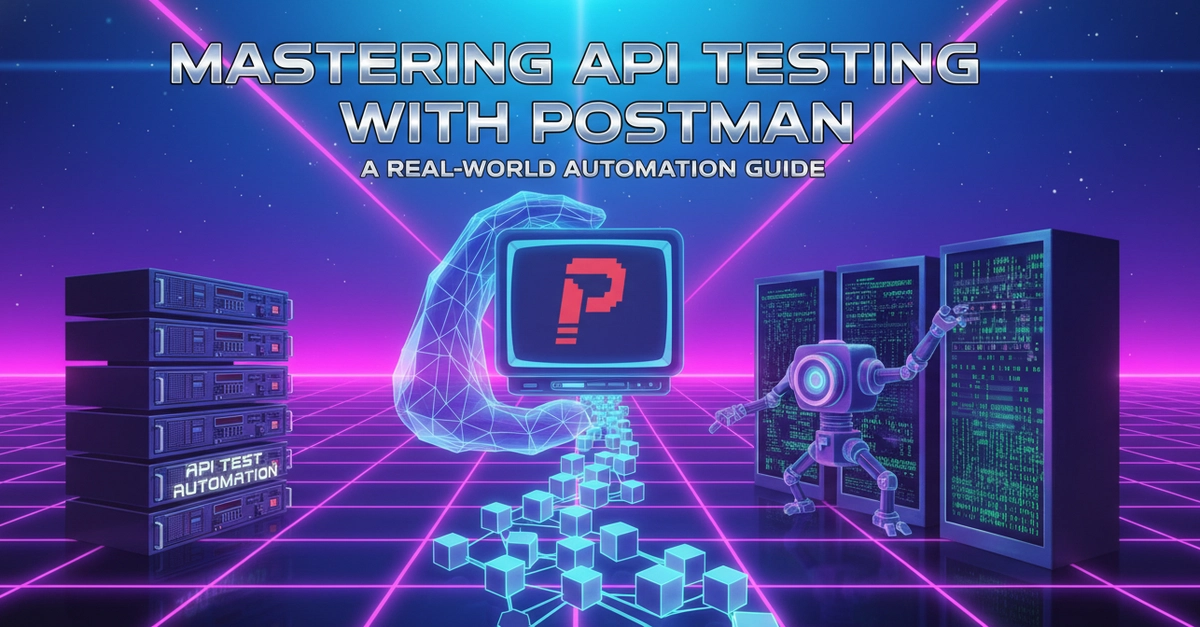
As highlighted in recent industry reviews of top API testing tools, Postman consistently ranks in the top three. Originally a simple Chrome browser plugin, it has evolved into a robust native application for Mac, Windows, and Linux. What makes Postman exceptional is its rich interface and low barrier to entry—you don't need an integrated development environment (IDE) or deep programming knowledge to start. Furthermore, it enables teams to easily share knowledge by packaging requests and expected responses into collections.
Applying Postman: A Real-World Example
Let’s look at a common real-world scenario: testing an authentication endpoint (/api/v1/login). We need to ensure that the API returns a 200 OK status and provides a valid JSON Web Token (JWT) that we can use for subsequent requests.
In Postman, you can automate this validation using JavaScript in the "Tests" tab of your request: