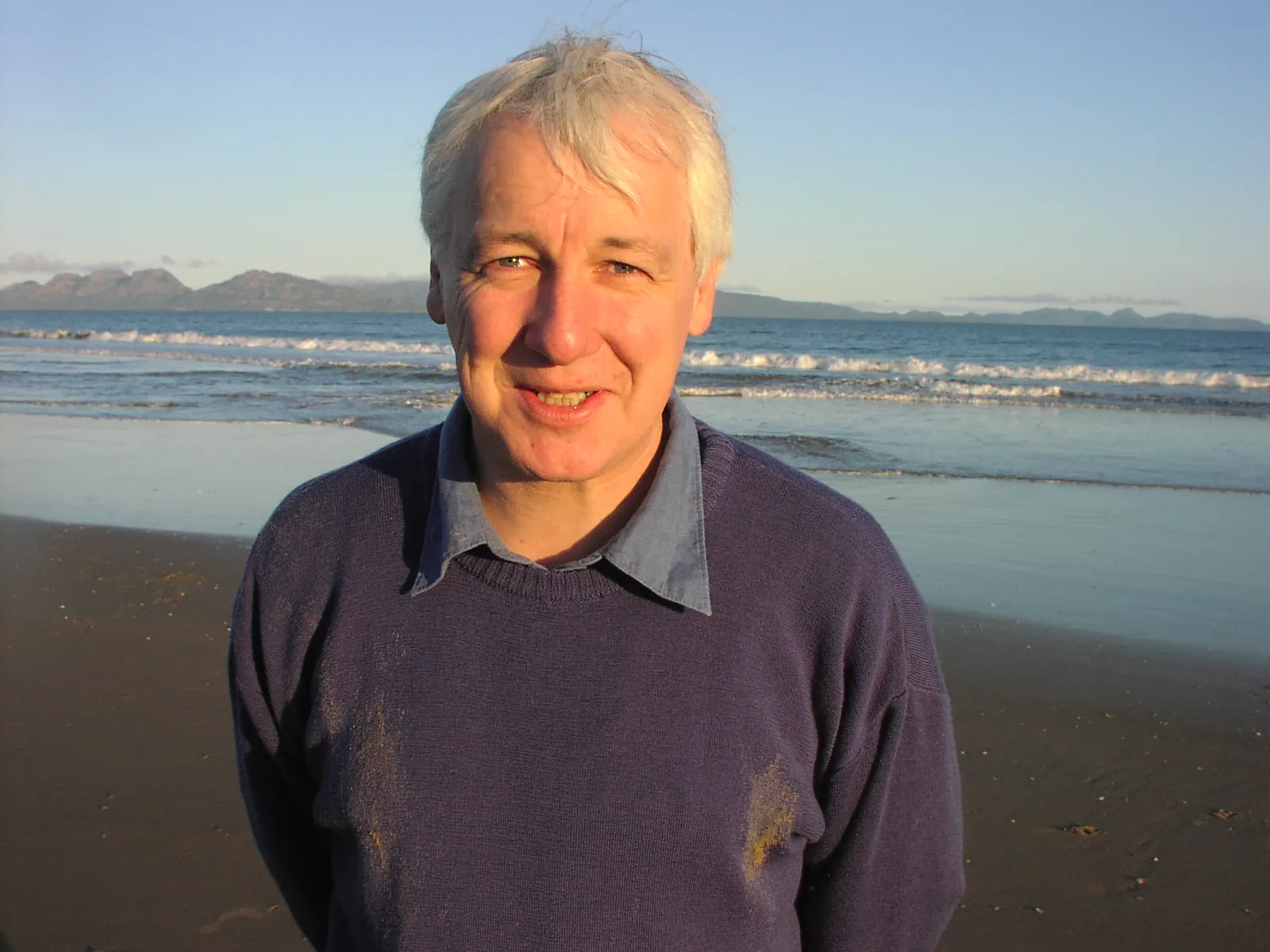
Skip to Content Subscribe Our Offers My Account Manage My Subscriptions FAQ Newsletters Canada Canadian True Crime Canadian Politics Health World Israel & Middle East Financial Post NP Comment Longreads Puzzmo Diversions Comics NP News Quiz New York Times Crossword Horoscopes Life Eating & Drinking Style Sponsored Play for Ontario Travel Travel Canada Travel USA Travel International Cruises Travel Essentials Culture Books Celebrity Movies Music Theatre Television Business Essentials Advice Lives Told Tails Told Shopping Buy Canadian Home Living Outdoor Living Tech Style & Beauty Kitchen & Dining Personal Care Entertainment & Hobbies Gift Guide Travel Guide Deals Savings National Post Store More Sports Hockey Baseball Basketball Football Soccer Golf Tennis Driving Vehicle Research Reviews News Gear Guide Obituaries Place an Obituary Place an In Memoriam Classifieds Place an Ad Celebrations Working Business Ads Archives Healthing Epaper Manage Print Subscription Profile Settings My Subscriptions Saved Articles My Offers Newsletters Customer Service FAQ Newsletters Canada World Financial Post NP Comment Longreads Puzzmo Diversions Life Shopping Epaper Manage Print Subscription HomeCultureBooksA chilling reflection: Nicholas Shakespeare’s new book hits hard in today’s political context You can save this article by registering for free here. Or sign-in if you have an account.“Five years ago, I don’t think a book like this would have the reverberations that it does today,” says British author Nicholas Shakespeare. Rain is pounding down. A furious wind tears at the pine trees. Feral dogs are on the prowl. We’re on the north shore of Lake Superior, the Terry Fox Memorial nearby. But it could be a landscape from hell, a place where frightening things can happen — which they do when the dogs forage through the undergrowth and expose the remains of a murdered man.Enjoy the latest local, national and international news.Exclusive articles by Conrad Black, Barbara Kay and others. Plus, special edition NP Platformed and First Reading newsletters and virtual events.Unlimited online access to National Post.National Post ePaper, an electronic replica of the print edition to view on any device, share and comment on.Daily puzzles including the New York Times Crossword.Support local journalism.Enjoy the latest local, national and international news.Exclusive articles by Conrad Black, Barbara Kay and others. Plus, special edition NP Platformed and First Reading newsletters and virtual events.Unlimited online access to National Post.National Post ePaper, an electronic replica of the print edition to view on any device, share and comment on.Daily puzzles including the New York Times Crossword.Support local journalism.Create an account or sign in to continue with your reading experience.Access articles from across Canada with one account.Share your thoughts and join the conversation in the comments.Enjoy additional articles per month.Get email updates from your favourite authors.Create an account or sign in to continue with your reading experience.Access articles from across Canada with one accountShare your thoughts and join the conversation in the commentsEnjoy additional articles per monthGet email updates from your favourite authorsSign In or Create an AccountorThe crime is a political act, rooted in the subterranean depths of Washington, D.C., conspiracy, and in his new novel, Frame 37, award-winning British author Nicholas Shakespeare adds a further ironic twist to its horrors with a glimpse of a hired killer driving to safety along the Thunder Bay expressway, relaxing to the strains — would you believe? — of Neil Young’s Rocking In The Free World on his car radio.Frame 37Nicholas ShakespeareVikingSomewhat to Shakespeare’s astonishment, he finds he has written a story that could only be happening in the age of U.S. President Donald Trump. “I don’t usually write novels that are consciously trying to reflect the state of the world,” he confesses. “Yet I very much find that this novel is suddenly doing just that.”This certainly wasn’t on his mind years ago when he and his Icelandic-Canadian wife were heading westward on the Trans-Canada Highway and discovered the Fox memorial along the way. He was struck by the fictional possibilities of such a striking setting. “It started a seed that would germinate when I started writing this novel,” he says.TheTrans-Canada Highway would provide Frame 37 with some of its most frightening moments. A man dies there because he possesses knowledge that could destroy another man’s presidential ambitions. In explaining why, Shakespeare cuts a wide swath that moves backward and forward in time and also takes the reader to Tasmania, Argentina, the sinister backrooms of Washington politics and — crucially — Michigan, where memories of a vicious unpunished crime from 40 years before have risen from the ashes.People are now dying because of it — because of what they witnessed in their youth.People in high places misbehaving and sometimes getting away with it: it was a promising theme for a new novel — but then it went on Shakespeare’s back burner because of a commission to write a biography of 007 creator Ian Fleming. That book was published to rave reviews in 2026 and cleared the way for Shakespeare to return to the novel that would become Frame 37. However, much had been happening in the interim.“What was amazing was to see my plot being mimicked by events in the real world.” Two examples: E. Jean Carroll’s successful courtroom victory against Trump for sexual assault, also the earlier charges levelled against Supreme Court Justice Brett Kavanagh during his confirmation hearings.“I think the real world actually defies our understanding,” Shakespeare says. “As a novelist, you have to find ways of fashioning it into a more realistic narrative.”The Wall Street Journal has hailed him as “one of the best English novelists of our time.” As for Shakespeare himself, he has a less lofty view of his endeavours. “I’ve always been interested in stories that can’t be told,” he says simply. On the phone from his home in England, he’s quick to remind you of his earlier career as a working journalist — and it’s with a reporter’s eye that he now takes stock of the book he has written.“Five years ago, I don’t think a book like this would have the reverberations that it does today,” he says with some wonderment.The central figure of Frame 37 is an aging ex-journalist named John Dyer, but he’s no James Bond hero. He suffers from what the book calls a “fatal passivity” and “unexpressed passions.” He also has the misfortune to have been present as a young man at those unspeakable events of 40 years before, and he must now risk his own life in pursuit of the truth about what is now happening. Amid the climate of fear and paranoia, an insistent moral imperative seeks to hold its ground, and the vulnerable Dyer is its fragile embodiment.“What was amazing was to see my plot being mimicked by events in the real world.”Dyer has already appeared in two previous books — The Dancer Upstairs and The Sandpit — and those prompted critics to hail Shakespeare, previously regarded as a mainstream novelist, as a master of the literary thriller and worthy of comparisons with the likes of Graham Greene and John Le Carre. Shakespeare is uncomfortable with this label.“I don’t see these novels as thrillers,” he says with a laugh. “I don’t feel that a good story has to be put into a genre. I’m not competent to be a thriller writer or a crime writer. I don’t even read those books with sufficient attention to know what I’m supposed to be doing. I just want to tell a story as excitingly as possible … I don’t know what a thriller is or how to do one.“I just hope people will read it to the end and will be excited by the story. My novels usually start with a predicament, so I think I really write them for myself as if I’m trying to tease a pebble out of my shoe.”However, he is that intriguing combination — a thoroughly contemporary author who celebrates old-fashioned virtues. This is a novel that embraces the glories of traditional analogue photography: hence the title given this book. It also makes old-style journalism — in particular the endangered small-town newspaper — a crucial player in the drama he has woven.“A small-town newspaper is absolutely where we get our picture of life. They’re going to tell the truth. They’re going to hold people to account … but they’re also going to reflect the community. Another thing that excites me is that local journalism is becoming more and more important when AI in a sense is rendering everything not believable.” Join the Conversation This website uses cookies to personalize your content (including ads), and allows us to analyze our traffic. Read more about cookies here. By continuing to use our site, you agree to our Terms of Use and Privacy Policy.
A chilling reflection: Nicholas Shakespeare’s new book hits hard in today’s political context
Rain is pounding down. A furious wind tears at the pine trees. Feral dogs are on the prowl.
1,440 words~7 min read