Story audio is generated using AI
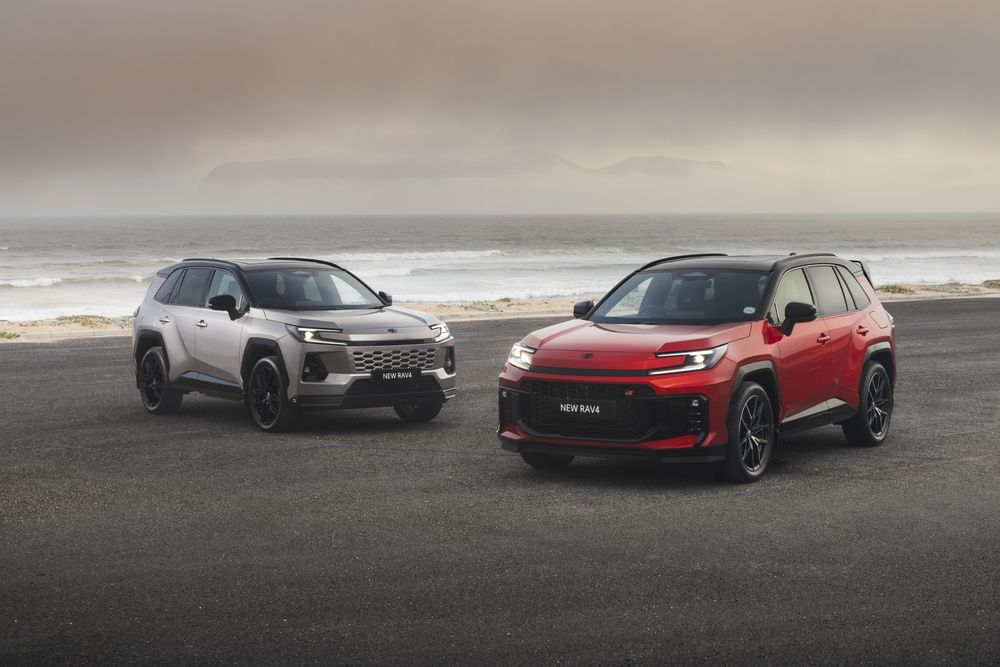
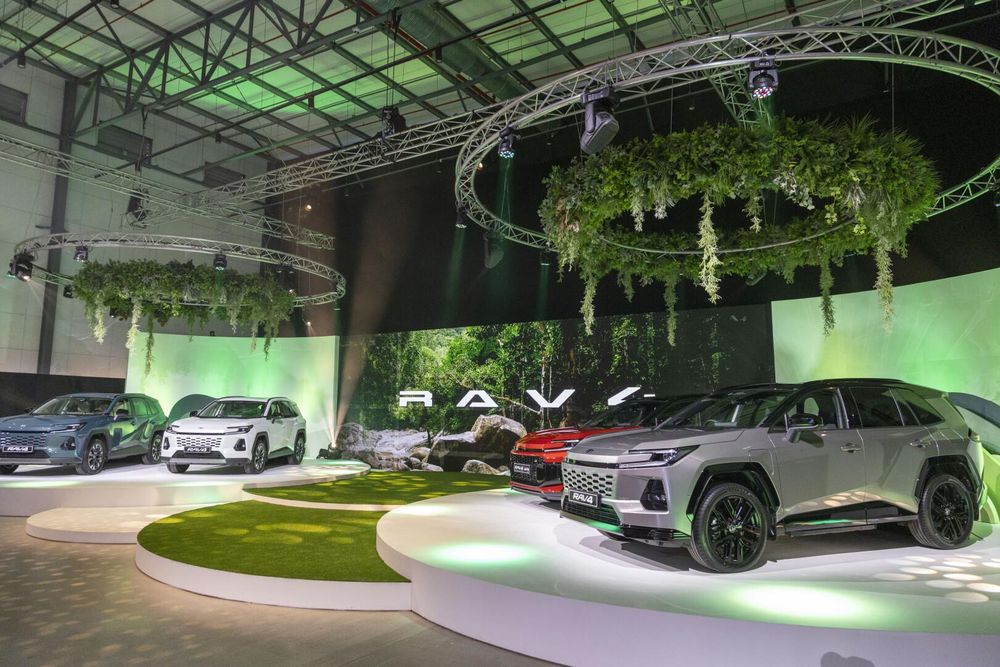
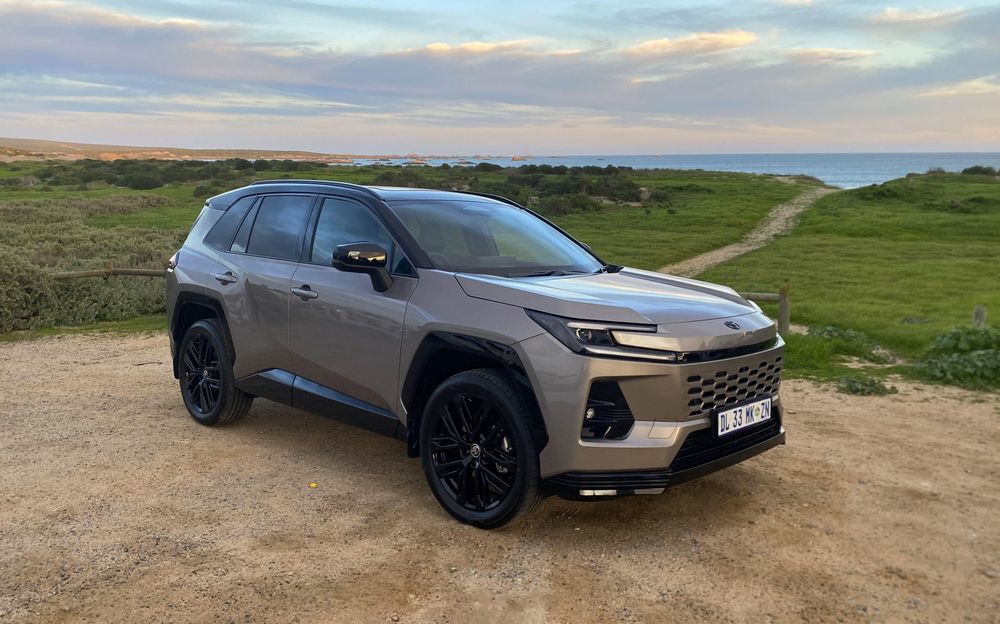
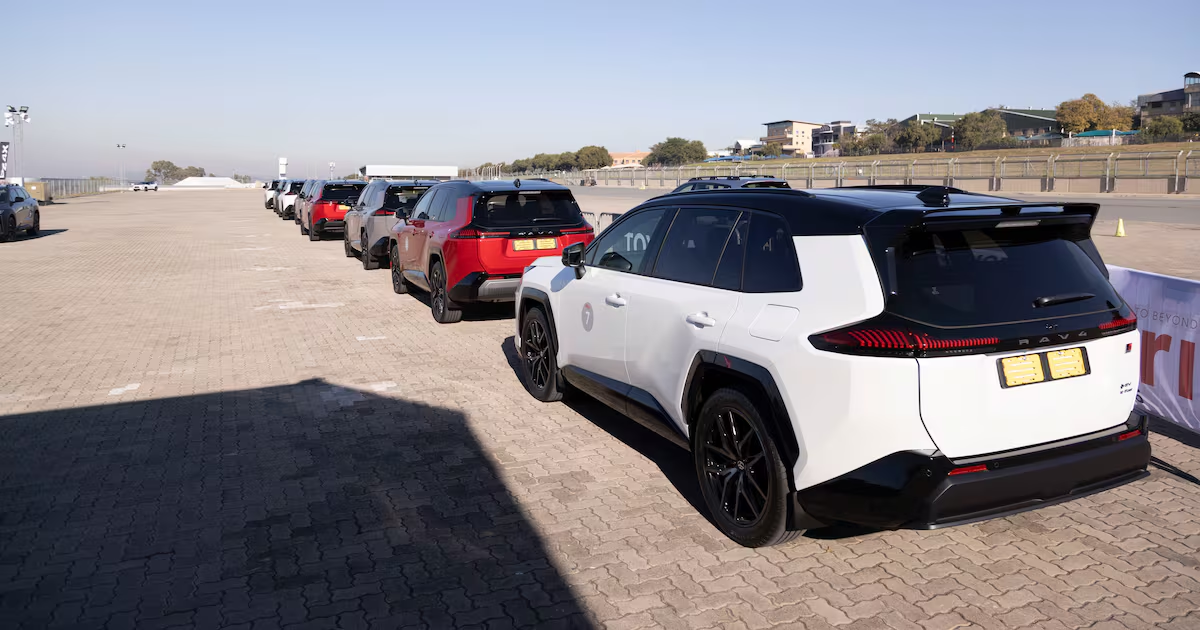
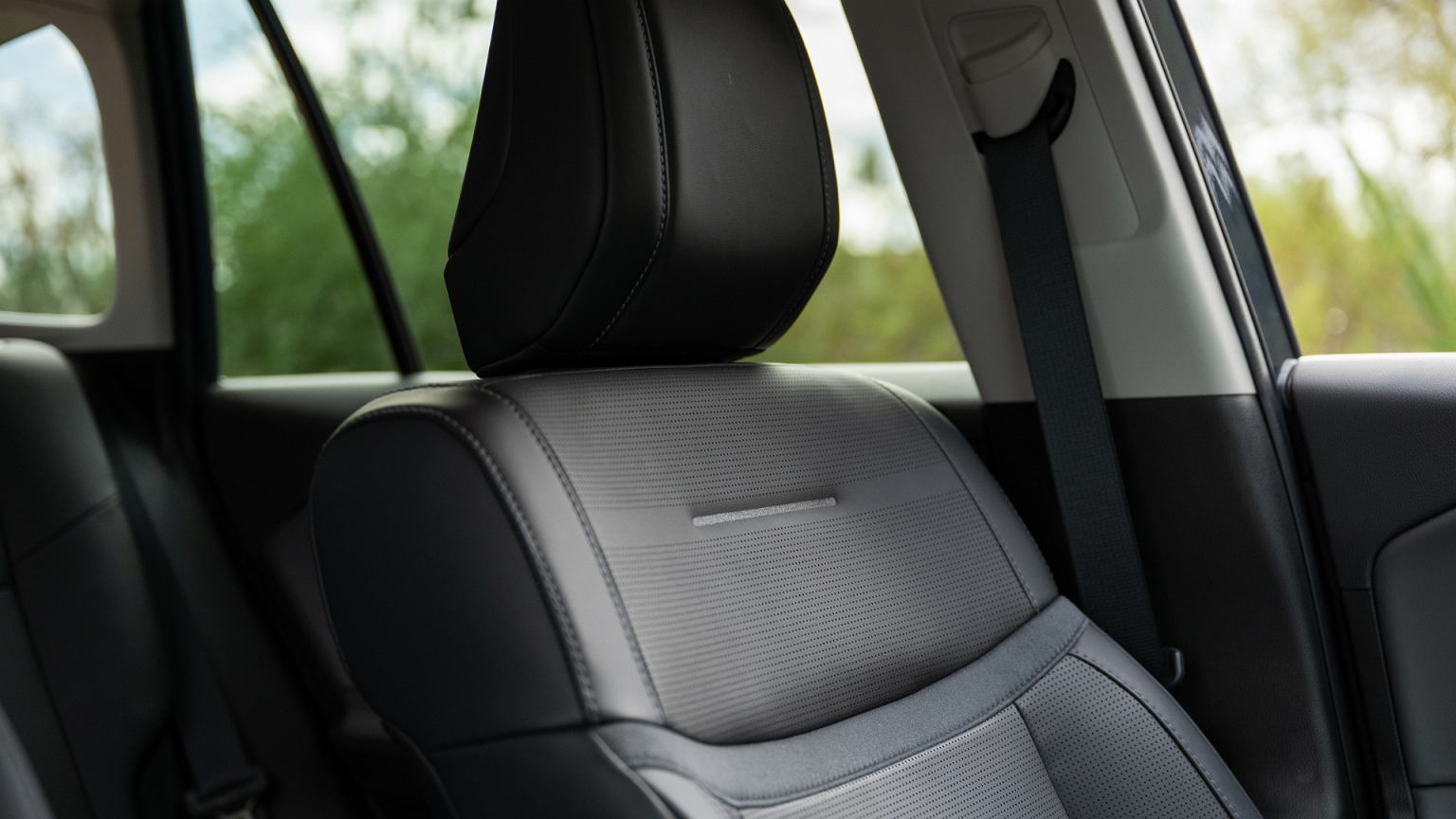
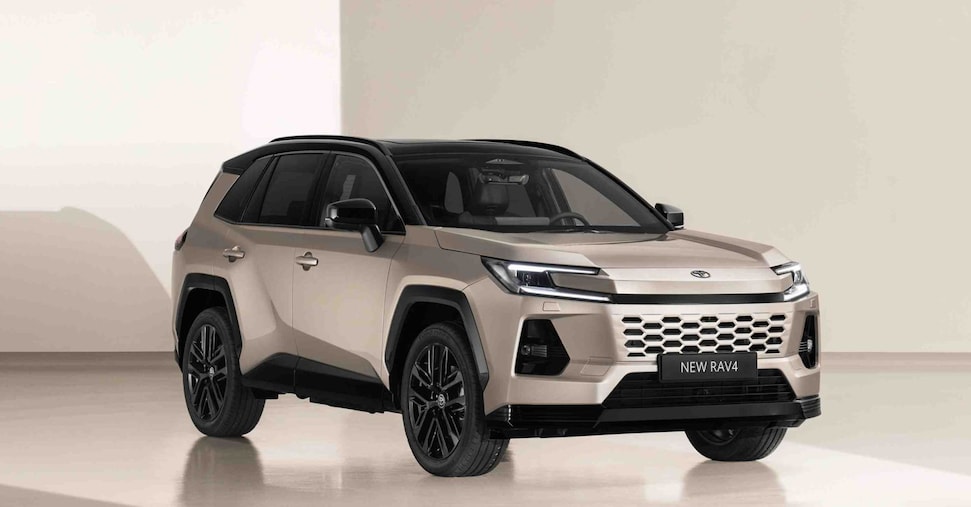
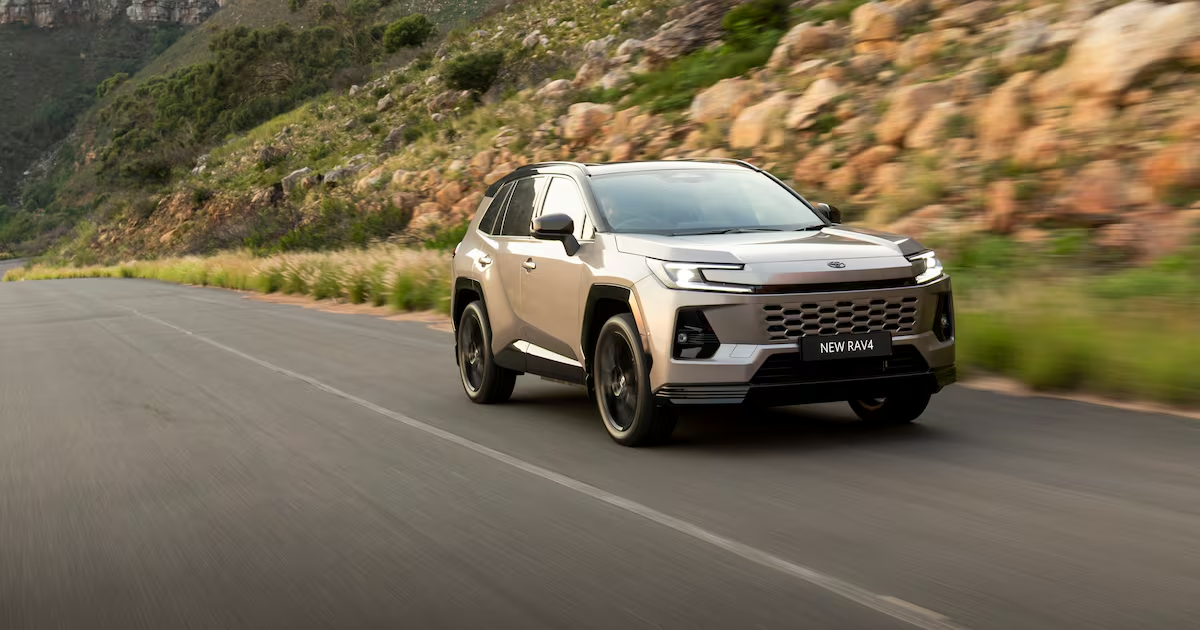
The Toyota Rav4, the car that helped create the modern SUV segment more than three decades ago, is the world’s best-selling car but is a relatively niche player in South Africa.The Japanese SUV may become even more fringe with the local launch of the new-generation model. It has been positioned as a more premium SUV than before, as it cannot compete with Chinese SUVs on price, and the latest, sixth-generation Rav4 line-up ranges from R770,500 to more than R1m. What started as a tiny, Tonka toy-like three-door SUV in 1994 has over the years grown in size and sophistication, and the latest version arrives with a bolder design, more refinement, safety and technology.The five-model line-up launched in South Africa this week comprises three hybrids, a plug-in hybrid and a regular petrol-powered version. The 2.5l electrified variants are all-wheel drives while the 2.0l petrol is pulled by its front wheels, with continuously variable transmissions (CVTs) serving duty across the line-up.Toyota has positioned the hybrid (HEV) model in GX specification as the entry point to the range, below the less powerful but more luxurious 2.0 petrol VX.The baseline hybrid GX has a petrol-electric powertrain with total system outputs of 176kW and 221Nm, with a claimed fuel consumption of 4.5l/100km and a 7.3 second 0-100km/h sprint.Standard specification includes 18-inch alloy wheels, LED headlamps, black roof rails, a 12.3-inch digital instrument cluster, a 10.5-inch multimedia display, dual-zone automatic climate control, a power tailgate, wireless charging and comprehensive Toyota Safety Sense 4.0 functionality. The 2.5 HEV VX has the same power but adds extra niceties such as a panoramic roof, digital rear-view mirror, and heated and ventilated seats, among other features.The new Rav4 brings new colours including this Midnight Green. (TOYOTA) The 2.5 HEV is also available in GR-S trim for the first time, with the same hybrid drivetrain as the other two models but jazzed up with a sporty styling package comprising 20-inch alloy wheels, sharper suspension tuning, lowered ride height and exclusive interior appointments. The sole petrol derivative, the 2.0 VX, delivers 127kW and 203Nm from its normally-aspirated engine at a quoted 6.3l/100km, and claims 10.3 seconds for the 0-100km/h sprint. The VX spec brings extra niceties such as leather upholstery, a moonroof, rain-sensing wipers, head-up display, a 12.9-inch multimedia screen, JBL premium audio and additional convenience features. The range-topper is the 2.5 plug-in hybrid (PHEV) which brings a more spirited 242kW and 228Nm to the party. It claims a 5.7-second 0-100 sprint and a remarkable fuel consumption of just 0.7l/100km. Its high-capacity battery delivers an electric driving range of up to 142km, which for some owners could mean daily commuting without using fuel at all.The Rav4 PHEV supports AC and DC fast-charging infrastructure, and an AC wallbox home charger is offered as an extra-cost option.At the launch this week, held in the Western Cape, I drove the hybrid and PHEV models, with the petrol variant not available.The new Rav4 is available in sporty GR-S guise for the first time. (TOYOTA) First up was the high-specced 2.5 hybrid VX which delivered reasonably brisk commuting and cruising performance at sea level. It is a refined powertrain until you push the pace, which summons some of the typical CVT “rubber band” and droning characteristics, if not as markedly as in some cars we’ve driven.The new Rav4 feels solid, with a nearly 10% increase in overall body rigidity compared with the previous generation. The lighter yet stronger body structure made for reasonably agile handling in the corners. It has a very comfortable ride quality too, though the Western Cape launch route didn’t include any gravel or bumpy roads to give the suspension a real test.The HEV Rav4 self charges while it drives and is able to operate on electric power at low speeds for short distances. There wasn’t much stop-start city driving on the route, which is where hybrids are at their best in terms of frugality, but the test car averaged a decently economical 6.6l/100km on the mostly open-road drive.Next up was the 2.5 PHEV model, which had a little more bounce in its stride and a more natural-feeling transmission, without as much of a rubber band effect. Again, this powertrain would really come into its own in urban driving and perhaps come close to the amazingly low fuel consumption claim, but in a cruise it managed 6.2l/100km. The more than R1m price of this range-topping Rav4 is a hefty premium over PHEV rivals such as the BYD Sealion 5 Dynamic, which retails for R569,900, and the more powerful Chery Tiggo 7 1.5T CSH Ultra, for R679,900.The cabin has a practical blend of digitised and physical controls. (TOYOTA) The Rav4 makes a practical family car with its length of 4,600mm, which also puts it in competition with rivals such as the Chery Tiggo 7, Volkswagen Tiguan and Haval H6 in a well-contested SUV segment.The Toyota’s cabin is roomy and comfortable, the boot is a decent size and visibility is good. The cabin perhaps lacks the premium look and feel of some cheaper Chinese rivals. The Toyota has some soft-touch surfaces but they’re interspersed with hard plastics that reduce the overall business-class appeal.In terms of user-friendliness, there are no complaints. The redesigned cabin has a modern and digitised focus with its large touchscreen, but physical buttons remain to conveniently quick-access features like aircon and radio volume controls with minimum distraction.PRICESRav4 2.5 HEV GX - R770,500Rav4 2.0 VX - R799,900Rav4 2.5 HEV VX - R927,800Rav4 2.5 HEV GR-S - R941,800Rav4 2.5 PHEV - R1,043,900Prices include a three-year/100 000 km warranty and six-services/90,000km service plan. The EV battery is covered by an eight-year/160,000km warranty. Business Day