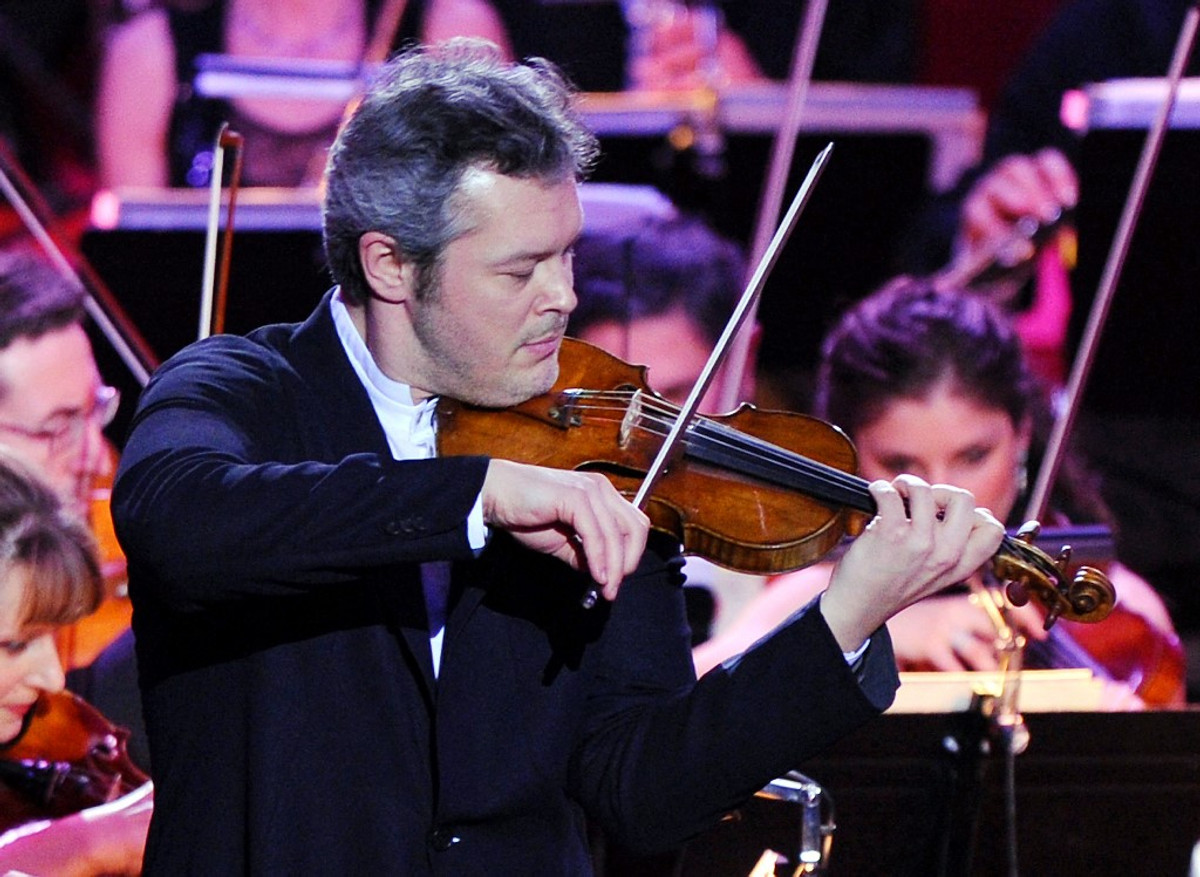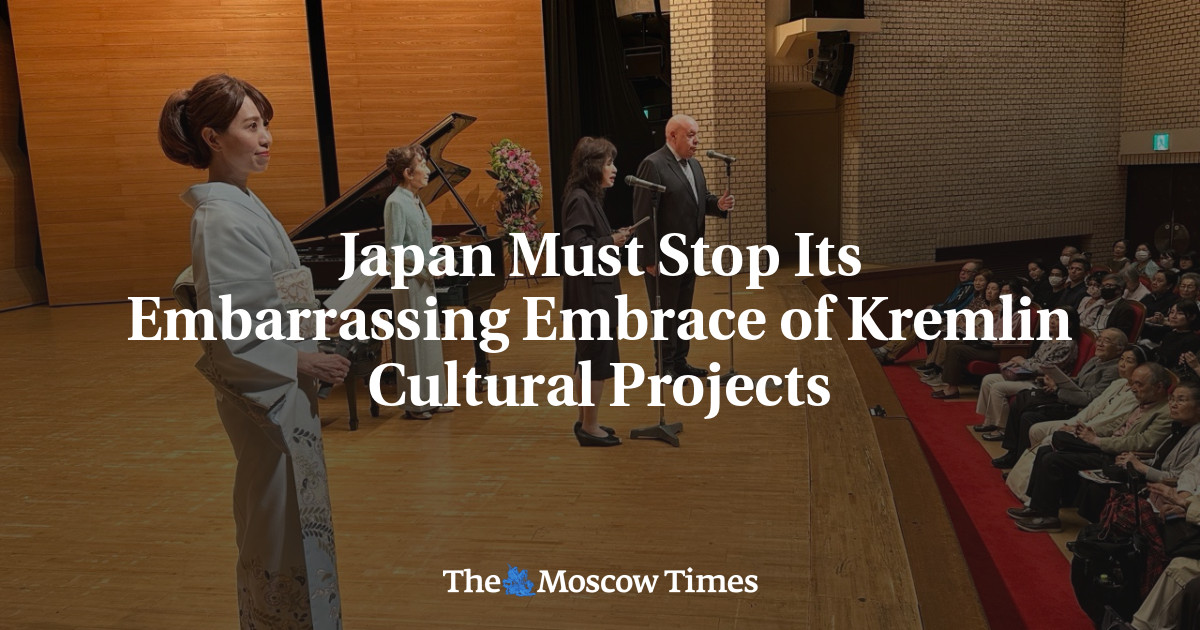
On May 11, Mikhail Shvydkoy, President Vladimir Putin’s special representative for international cultural cooperation, took to the stage at Tokyo’s Ginza Blossom Hall to preside over the opening ceremony of the year-long Festival of Russian Culture in Japan. Audience members, who included Abe Akie, widow of former Prime Minister Abe Shinzo, were treated to a gala concert featuring Nikita Lyutikov, principal clarinetist at the St. Petersburg Philharmonic Orchestra.
That same day, the regime that Shvydkoy represents unleashed a barrage of more than 100 drones against Ukrainian targets, ending the three-day pause that Moscow had introduced around Victory Day.
The Japanese government’s continued willingness to host this annual event has caused bafflement among Japan’s Western partners. Since the start of the full-scale invasion of Ukraine in 2022, European countries have generally refused to give the Russian state a platform for cultural events that can be used for propaganda.
Russia did controversially participate in this year’s Venice Biennale. Yet it took part against the wishes of the Italian government and prompted the European Union to cut 2 million euros ($2.3 million) in funding. Ultimately, amid protest, the Russian pavilion opened only for a brief preview and will remain shuttered to the public for the rest of the Biennale.