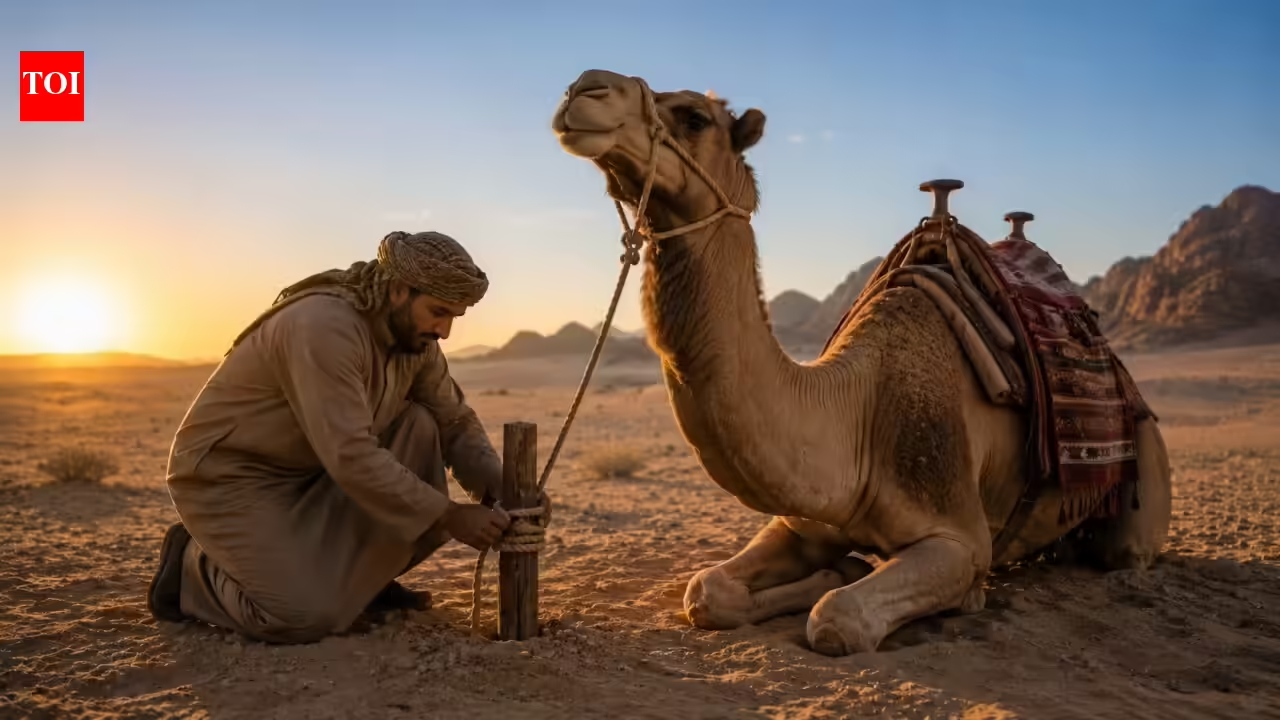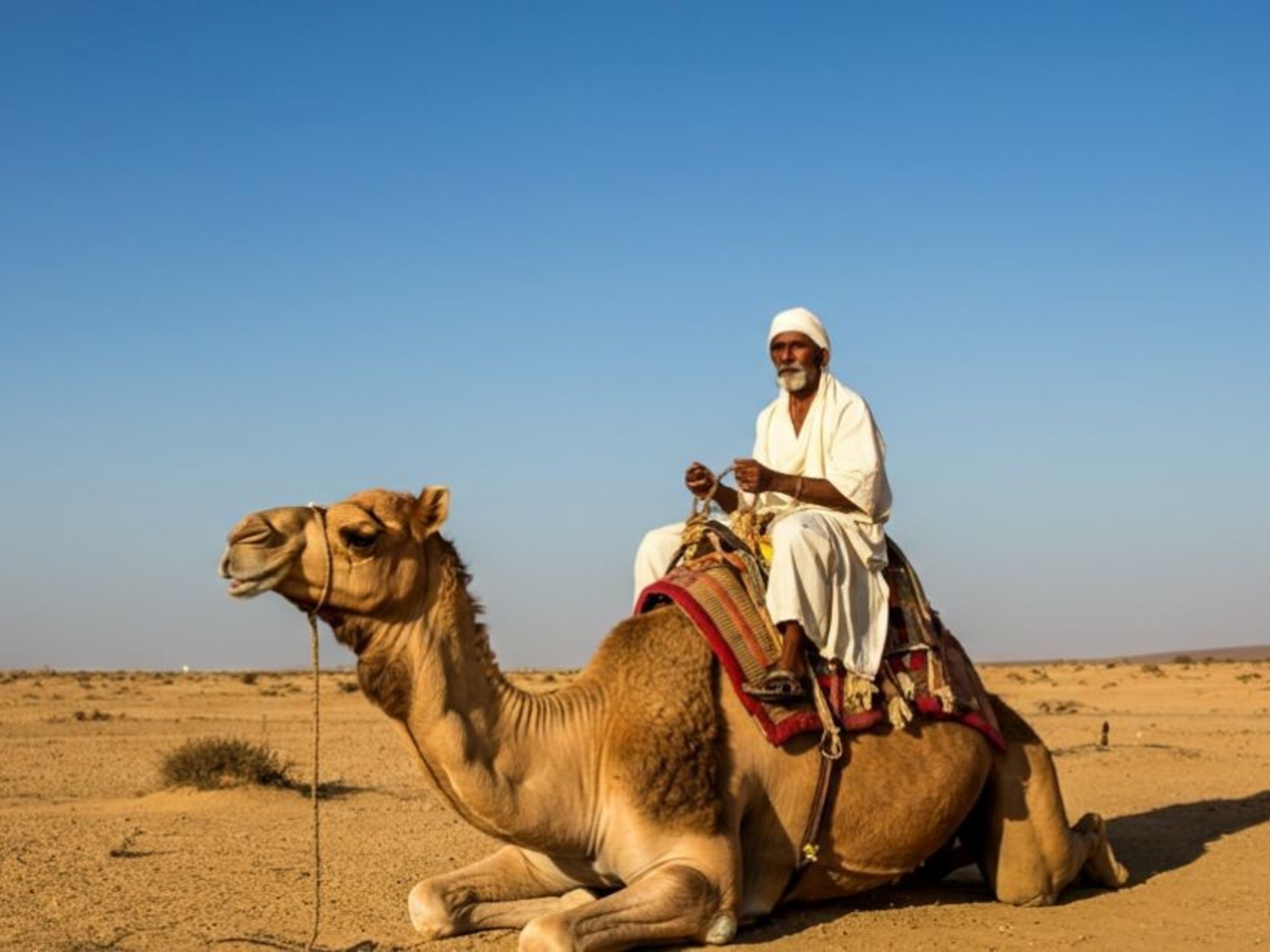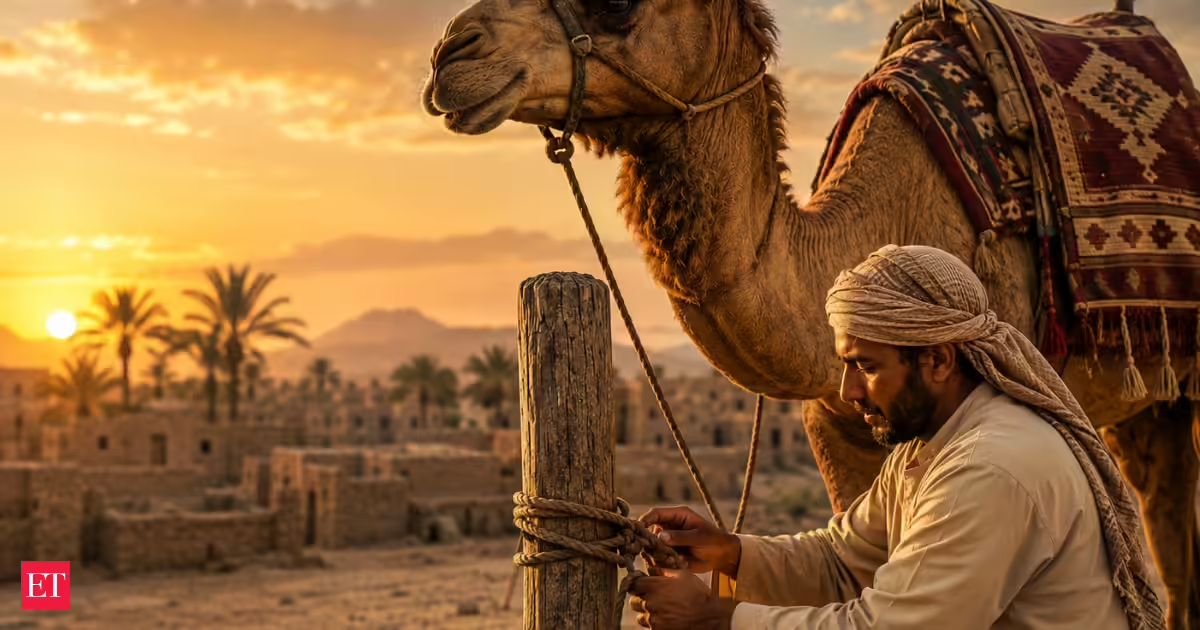
Among the many timeless sayings that have emerged from the Arab world, few are as practical and enduring as the proverb: “Trust in God, but tie your camel.” Though simple in its wording, the phrase carries a powerful lesson about balancing faith with personal responsibility.The proverb is believed to originate from an old story in which a man asked whether he should leave his camel untied and simply trust God to protect it. The response was straightforward: trust in God, but first tie your camel. The message was clear—faith should never be used as a substitute for action.At its core, the proverb teaches that while it is important to believe in a higher power, destiny, or good fortune, individuals must also do their part. Success rarely comes from hope alone. Preparation, effort, and responsibility are equally essential. In modern terms, it means you can pray for good health, but you should still exercise and eat well. You can hope for career success, but you must also work hard, develop skills, and seize opportunities.What makes this proverb remarkable is its universal relevance. Whether in business, education, relationships, or personal growth, the lesson remains the same: faith and action are partners, not opposites. Trusting that things will work out is valuable, but taking sensible precautions and making informed decisions is just as important.The saying also serves as a reminder against complacency. Many people rely too heavily on luck, circumstances, or external forces, forgetting that their actions play a major role in shaping outcomes. The proverb encourages a balanced approach—have confidence, but remain proactive.Centuries after it was first spoken, “Trust in God, but tie your camel” continues to resonate across cultures because it reflects a truth that transcends time. It reminds us that wisdom lies not in choosing between faith and effort, but in combining the two.In a world filled with uncertainty, this ancient Arabic proverb offers a practical formula for life: believe in the best possible outcome, but never neglect the steps that help make it happen.
Arabic proverb of the day: 'Trust in God, but tie your camel' - powerful lesson about balancing faith with personal responsibility
The ancient Arabic proverb, "Trust in God, but tie your camel," emphasizes the crucial balance between faith and personal responsibility. It teaches that while belief in a higher power is important, individuals must also actively take action and prepare for desired outcomes.
335 words~2 min read