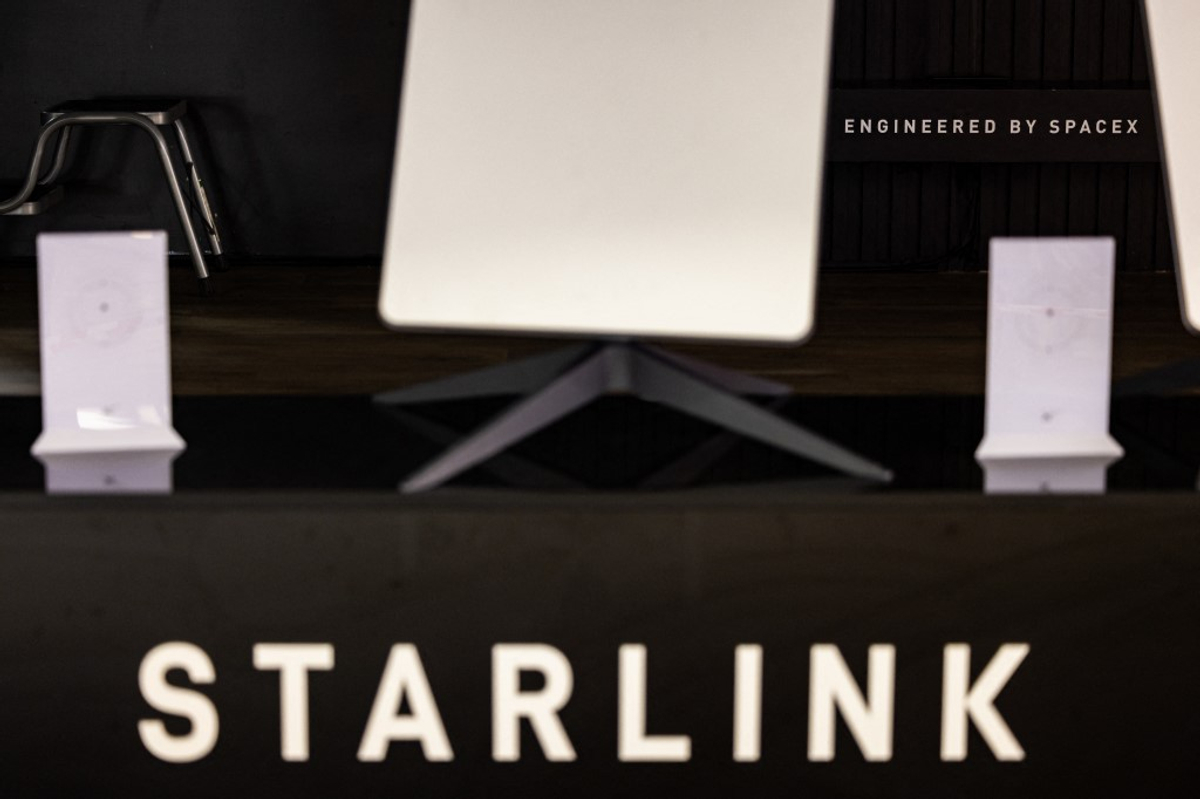
Russia intends to switch on a commercial version of its homegrown answer to Starlink next year, according to people familiar with the programme cited by Reuters, the latest milestone in a project that has been promising to arrive for most of a decade.
The constellation is called Rassvet, the operator is a private aerospace firm called Bureau 1440, and the ambition is deliberately narrower than the American network it is meant to rival.
The scale tells the story. SpaceX has put thousands of Starlink satellites into low Earth orbit. Bureau 1440 plans to reach commercial service in 2027 with a constellation in the high hundreds, with figures around 288 to 292 satellites cited for the first operational phase, and a longer-term target near 900 by the mid-2030s.
Moscow has, for years, described the goal as something conceptually like Starlink rather than a like-for-like match, and the numbers keep that promise honest.
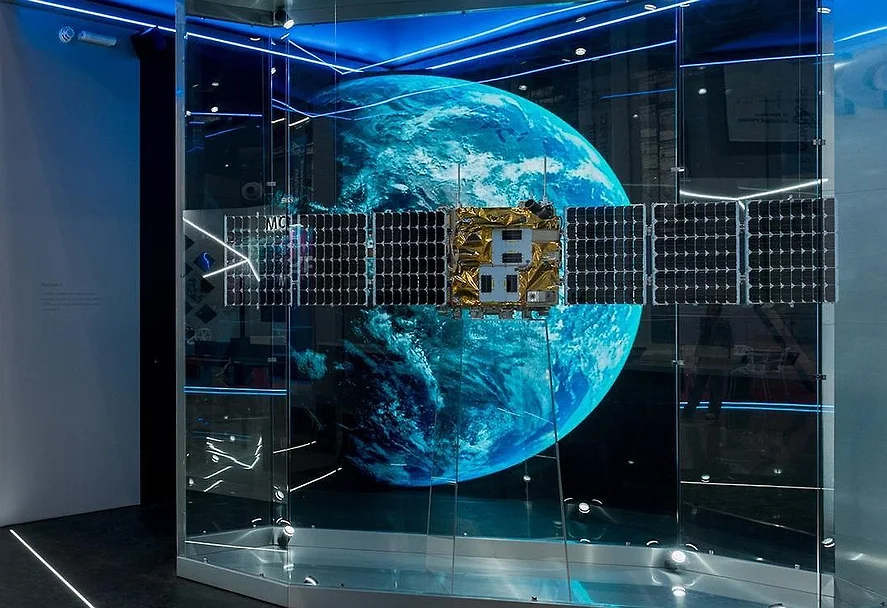
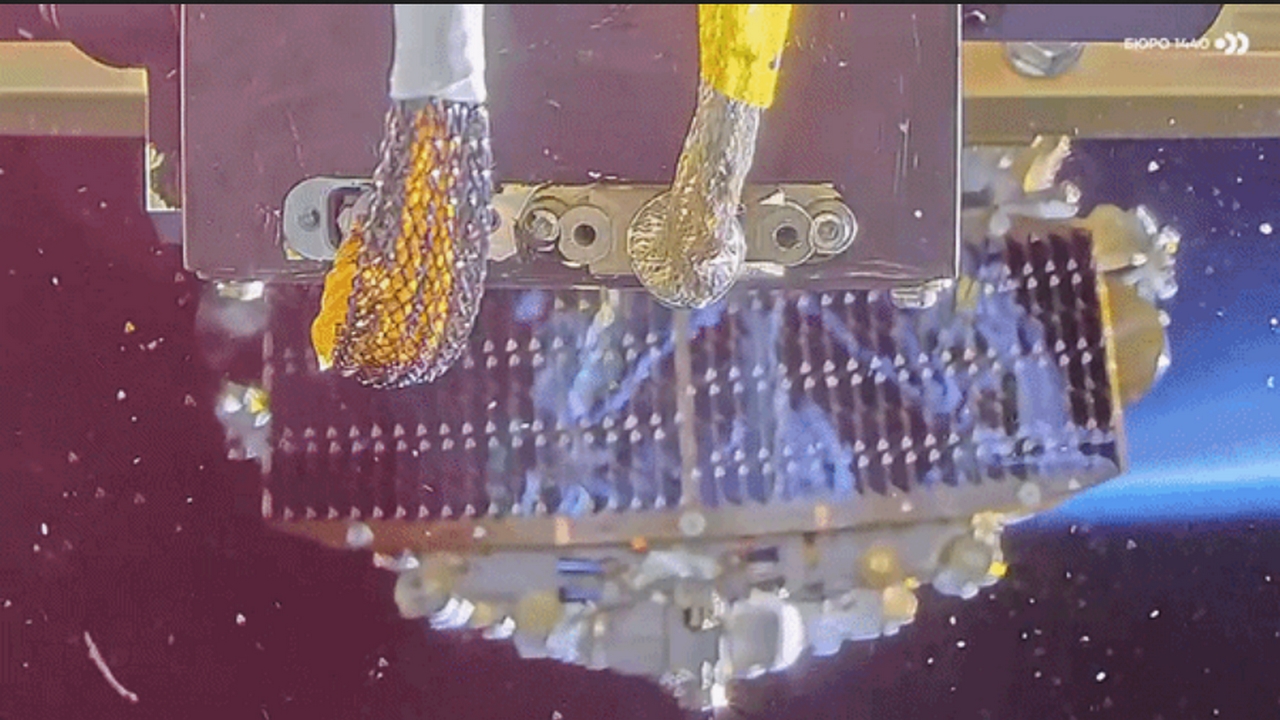
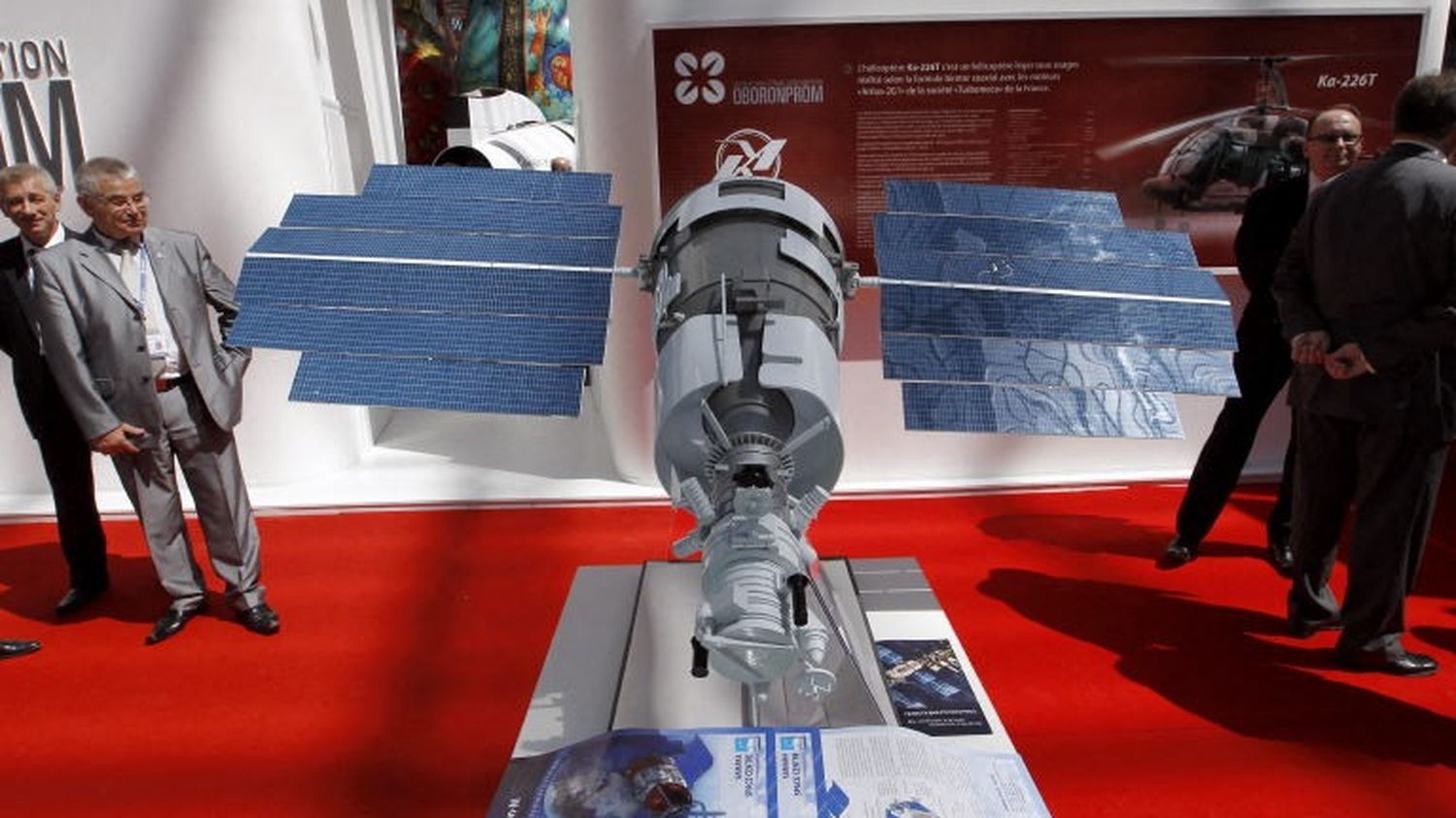
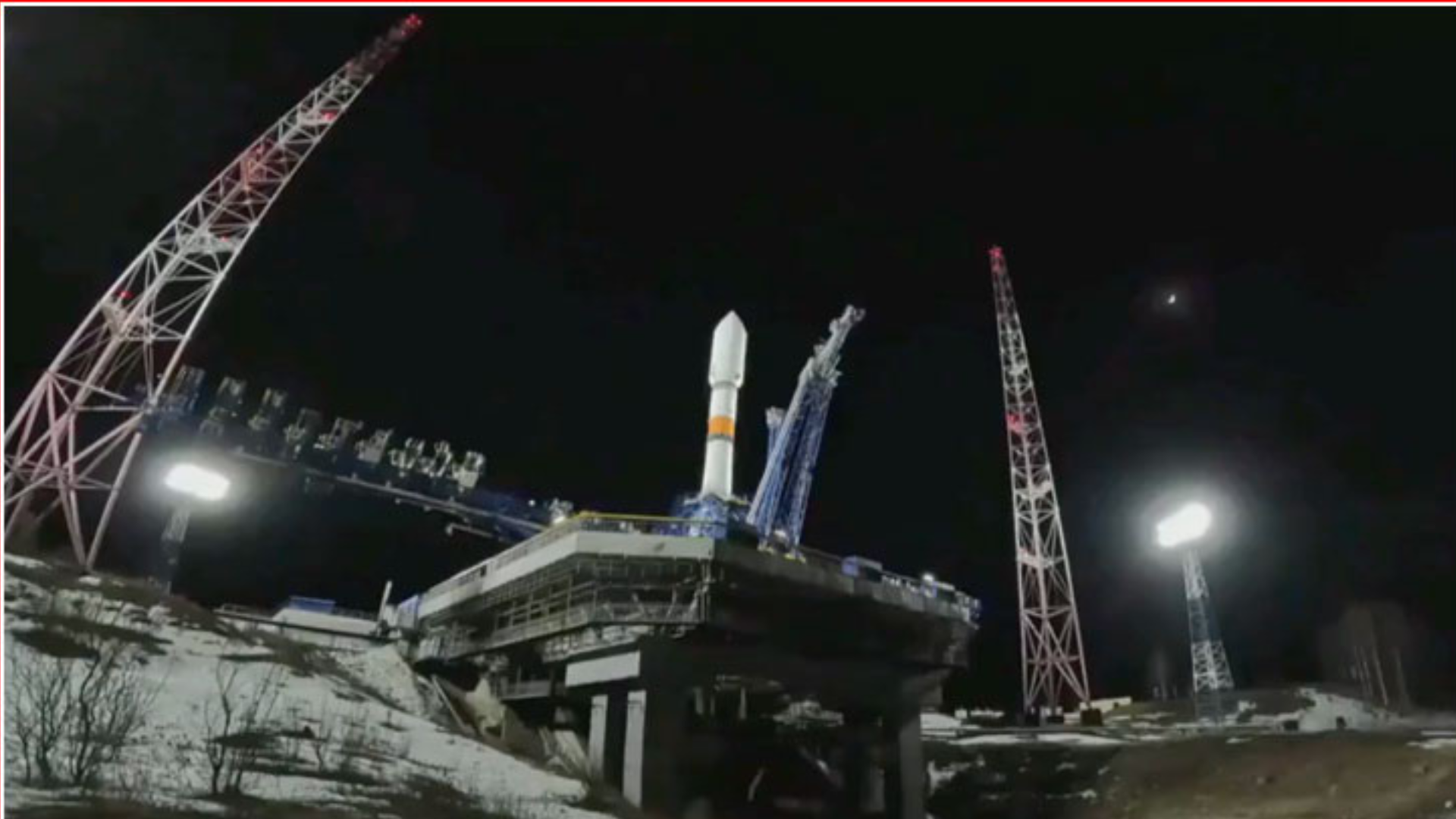
The hardware is further along than the rhetoric alone would suggest. In March the company launched 16 operational satellites, on 23 March, following a run of experimental craft in 2023 and 2024 under the Rassvet-1 and Rassvet-2 test programmes.