My first attempt at a remote vibration monitoring system ended with a network switch that couldn't handle the throughput and a cloud bill that made me question my life choices. I was streaming raw high-frequency accelerometer data from several machines directly to a central cluster, thinking that "centralized visibility" was the gold standard. It wasn't. I had created a massive bottleneck where a 100ms network spike would cause gaps in the data, making it impossible to detect the very transient faults I was looking for.
If you're building industrial systems, the temptation is to push everything to a central dashboard as fast as possible. But in IIoT, the distance between the sensor and the compute is where most projects fail. You either drown in noise or you lose the signal because the network dropped a packet.
I spent a few months thinking that more bandwidth was the answer. I upgraded switches, tweaked MTU settings, and tried to optimize the MQTT payloads. I assumed the problem was the pipe. The reality was that I was trying to move the mountain to the geologist instead of just sending the geologist to the mountain.
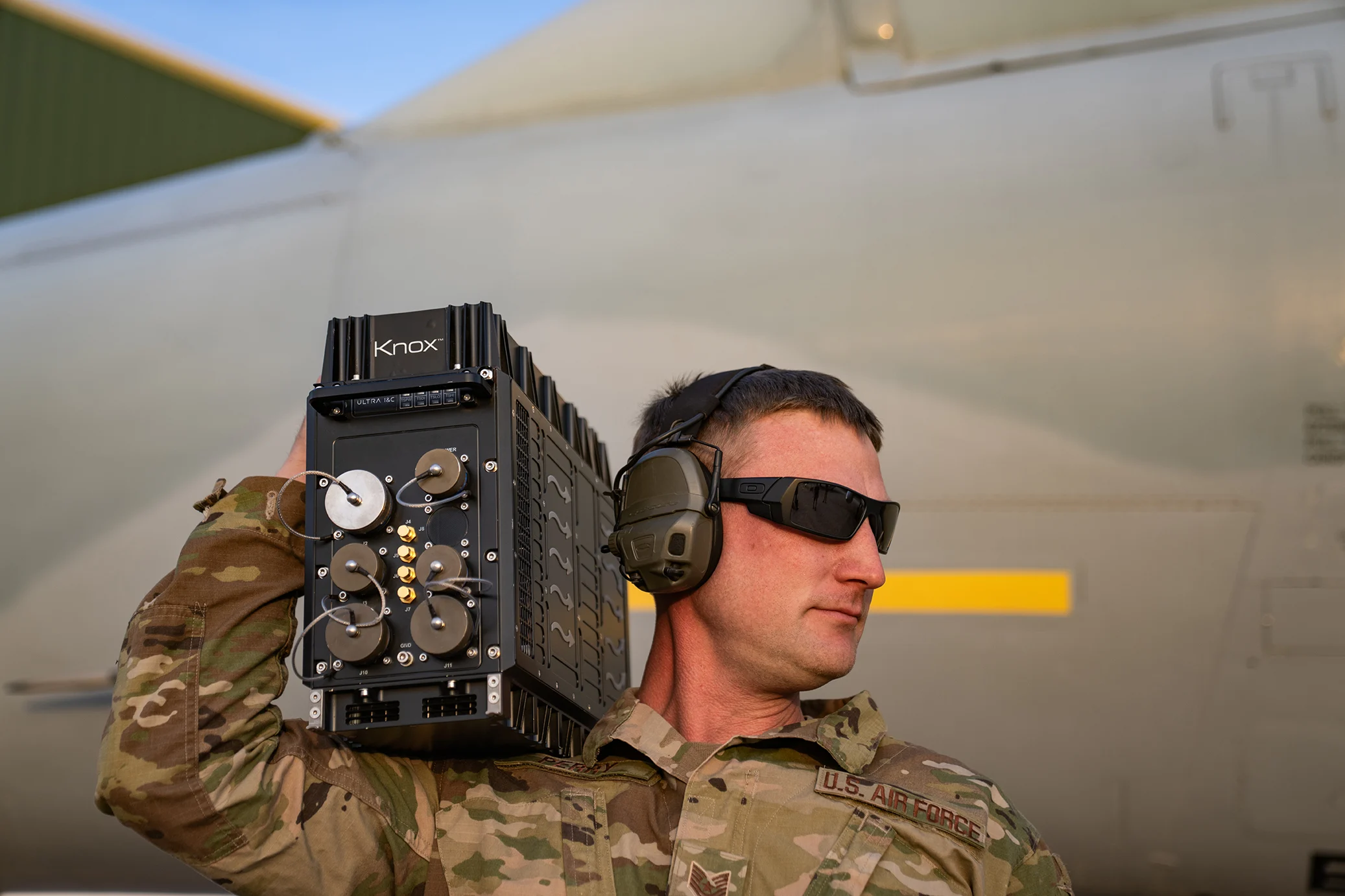
The shift happened when I stopped treating the edge as a "dumb relay" and started treating it as a first-class compute node. I moved the FFT (Fast Fourier Transform) and initial anomaly detection to the source. Instead of sending 10kHz of raw voltage, I started sending a health score and a set of peak frequencies every few seconds.