By Kirsten Ripper & Euronews
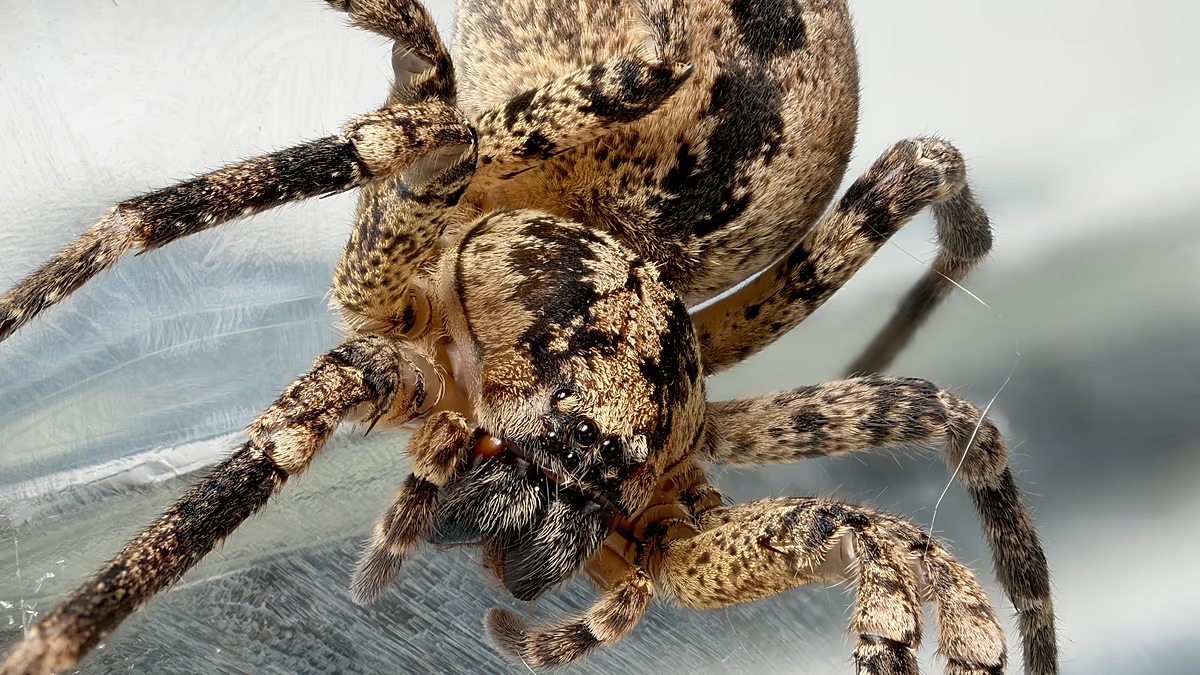
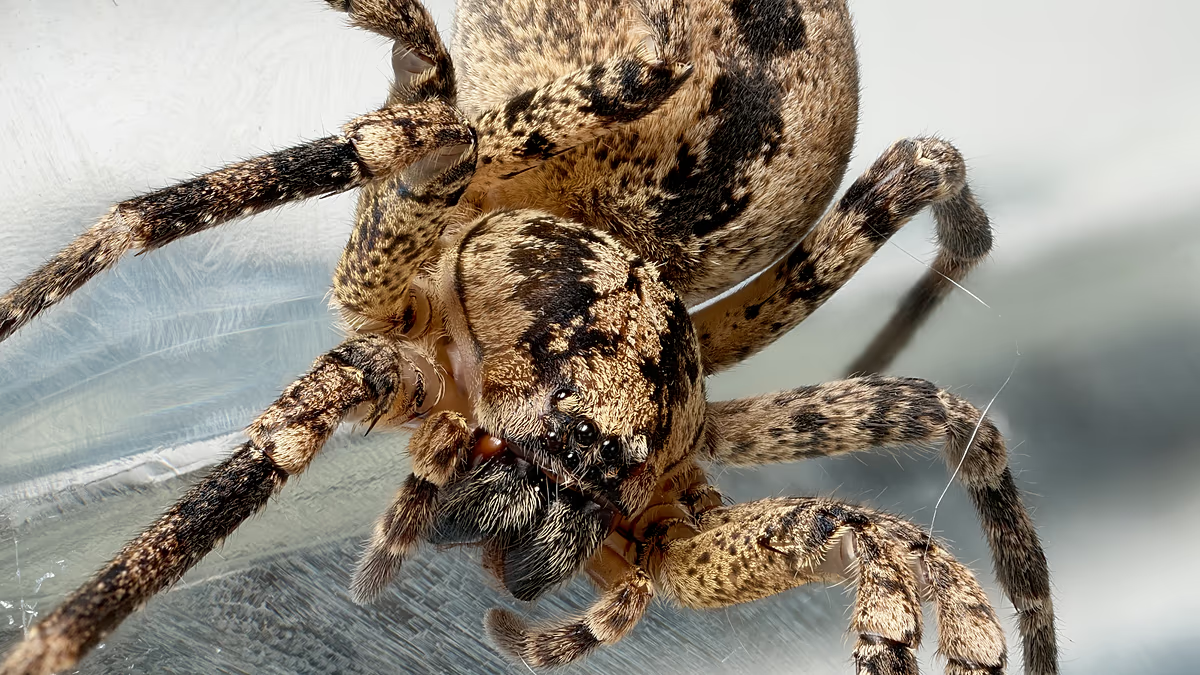
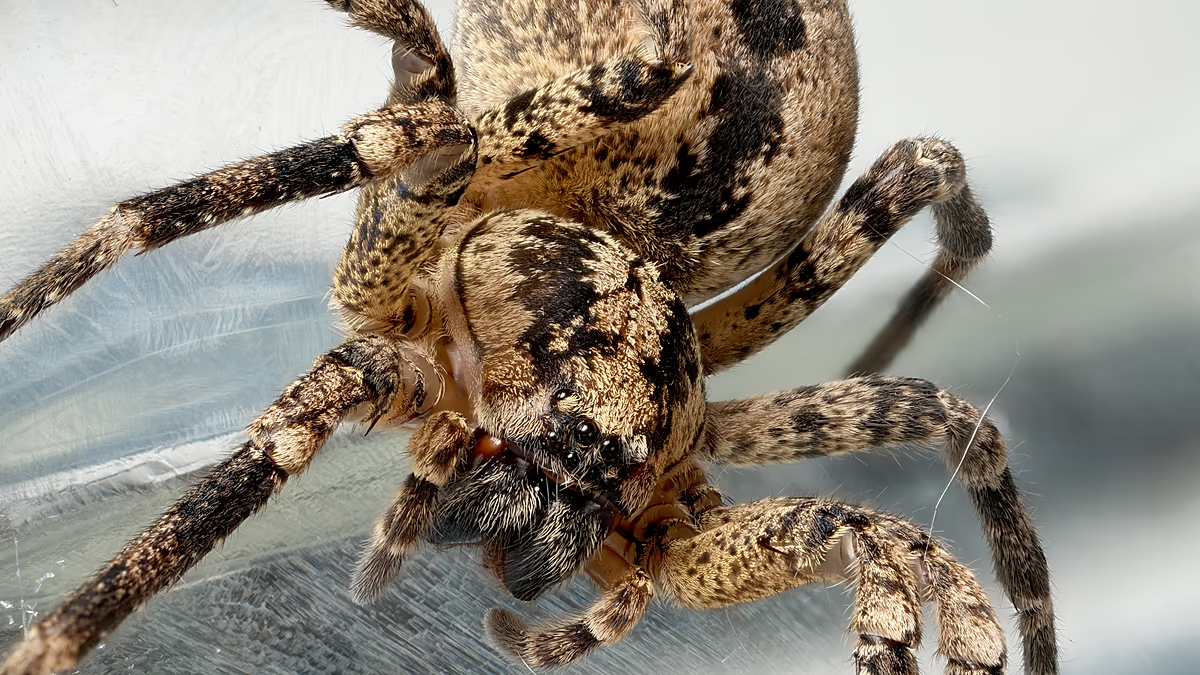
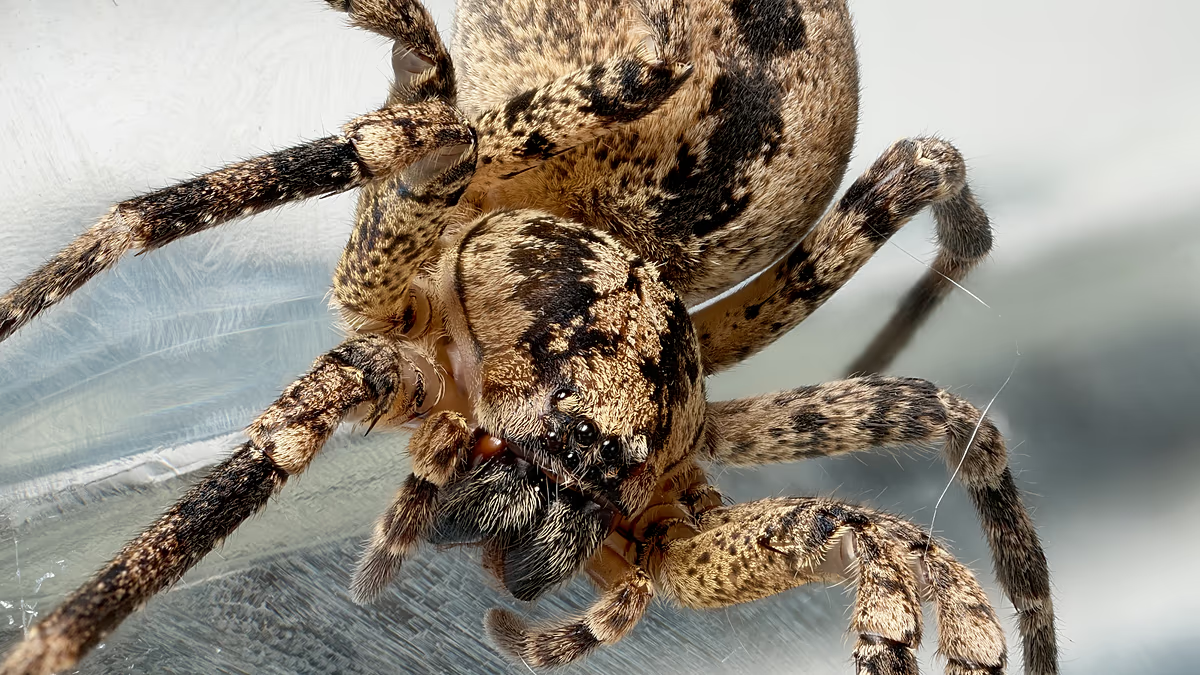
For some people this spider looks like a creature straight out of a nightmare. The Nosferatu spider is spreading ever further across Europe. The species, which normally lives around the Mediterranean, is now also being sighted more and more often on the Baltic Sea coast. Germany’s nature conservation association NABU has been documenting the spread of this unusual spider, which can also bite humans, across the country for several years.
Named after a horror film
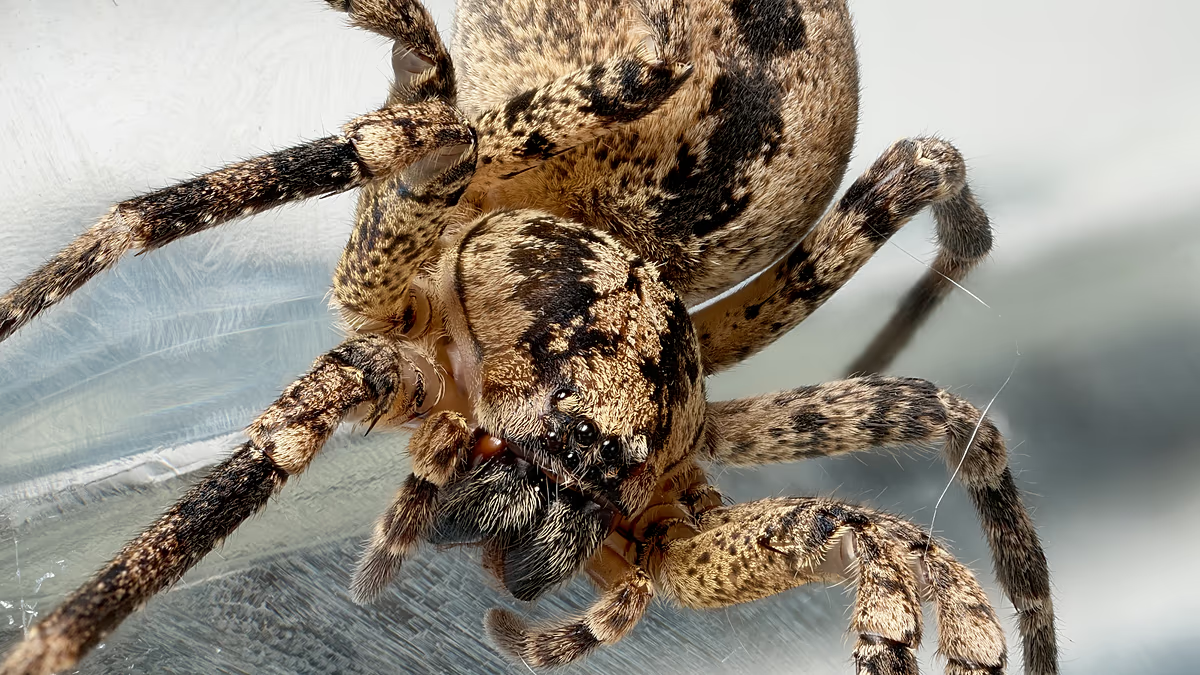
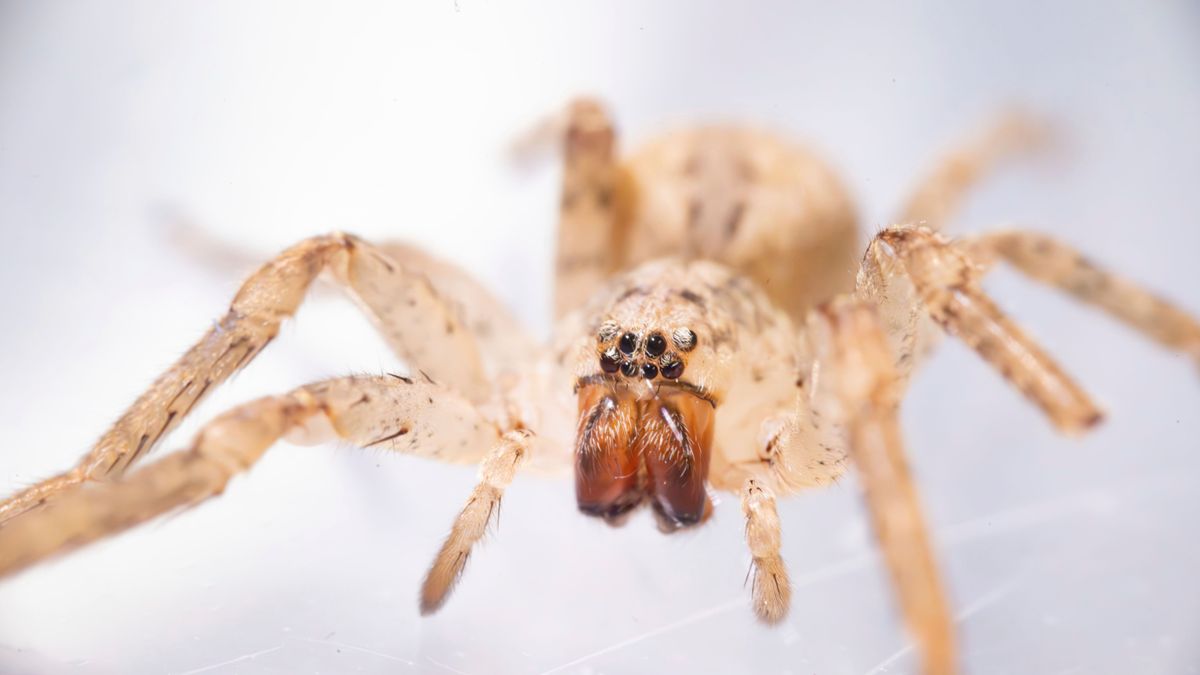
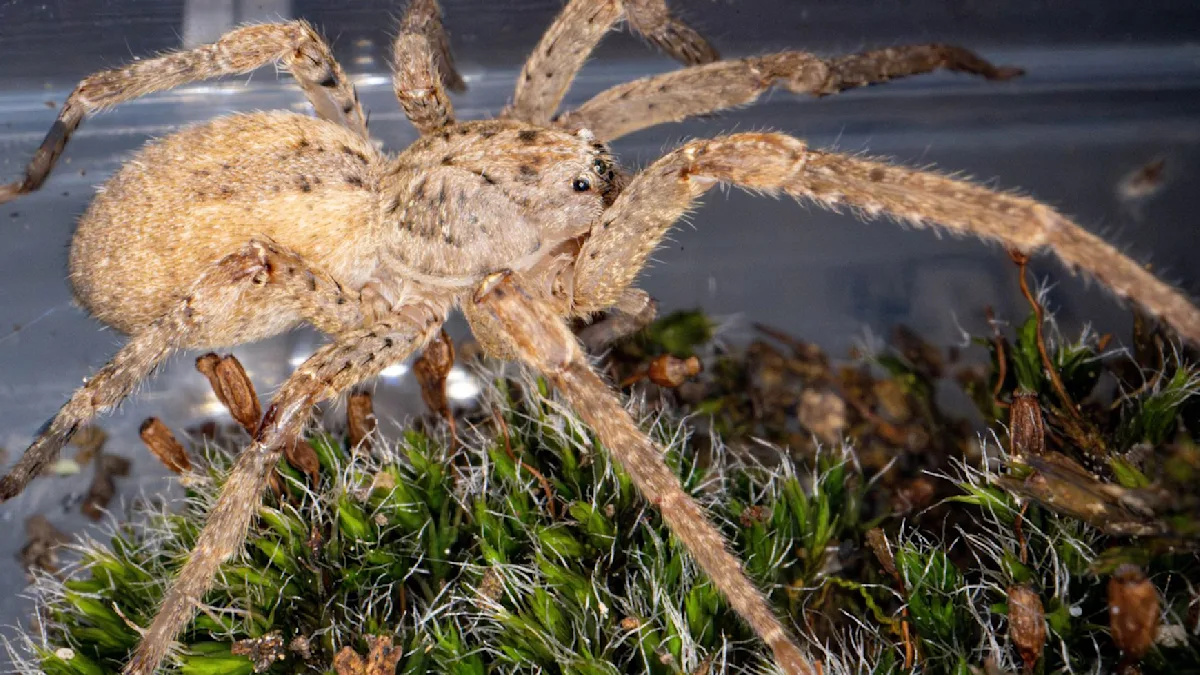
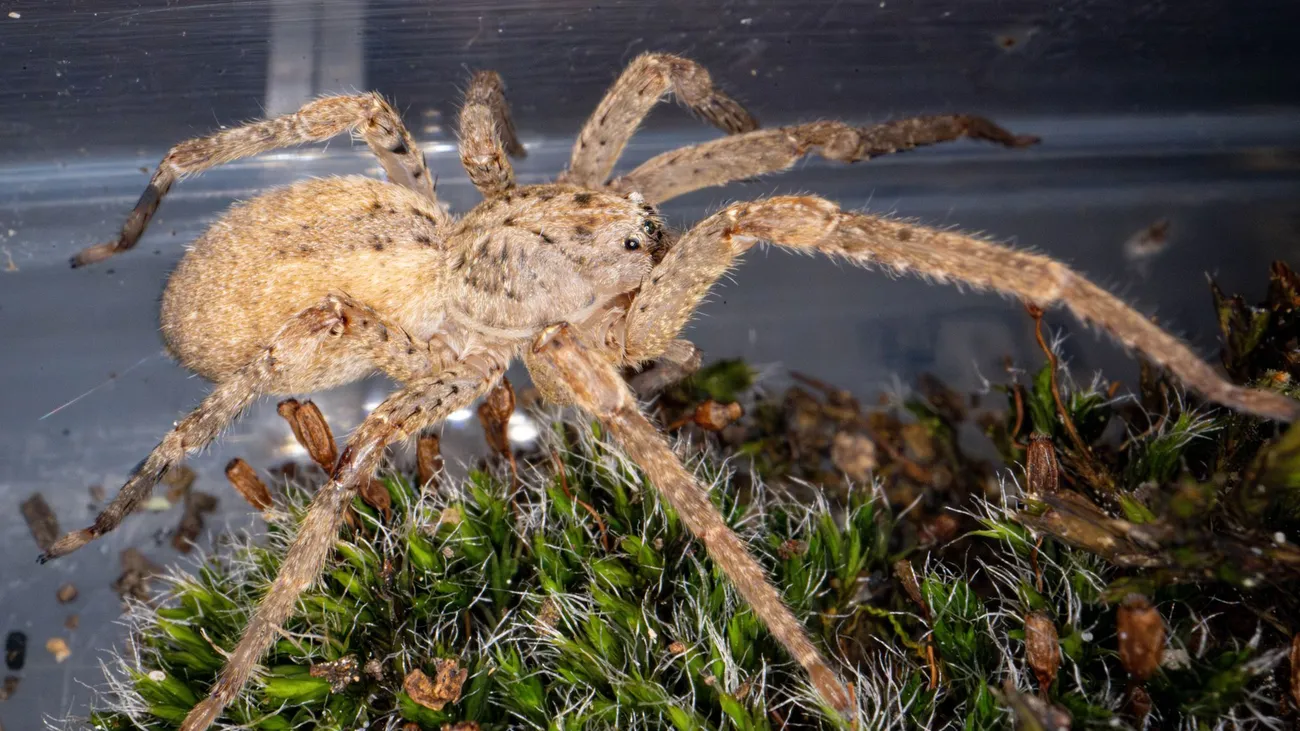
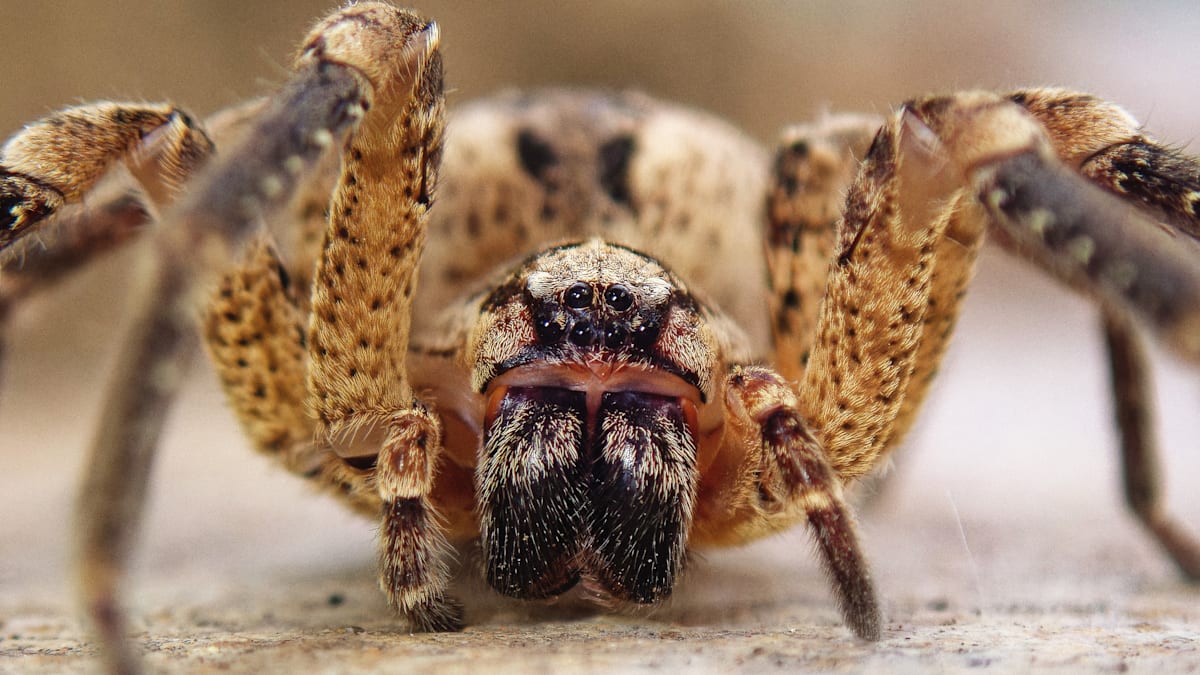
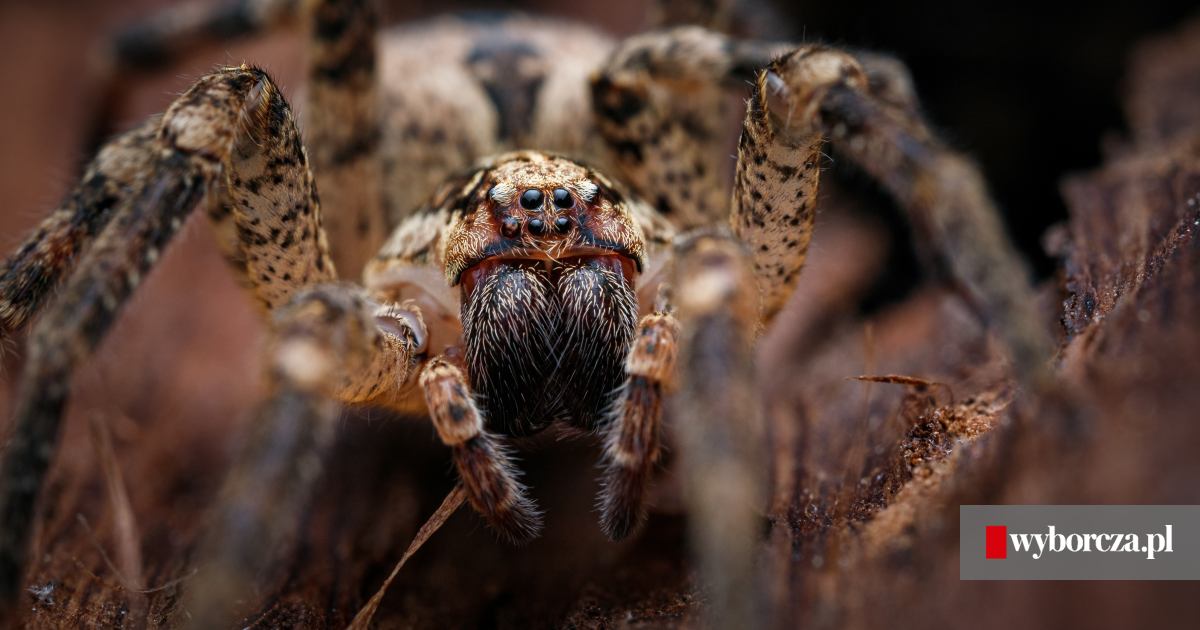
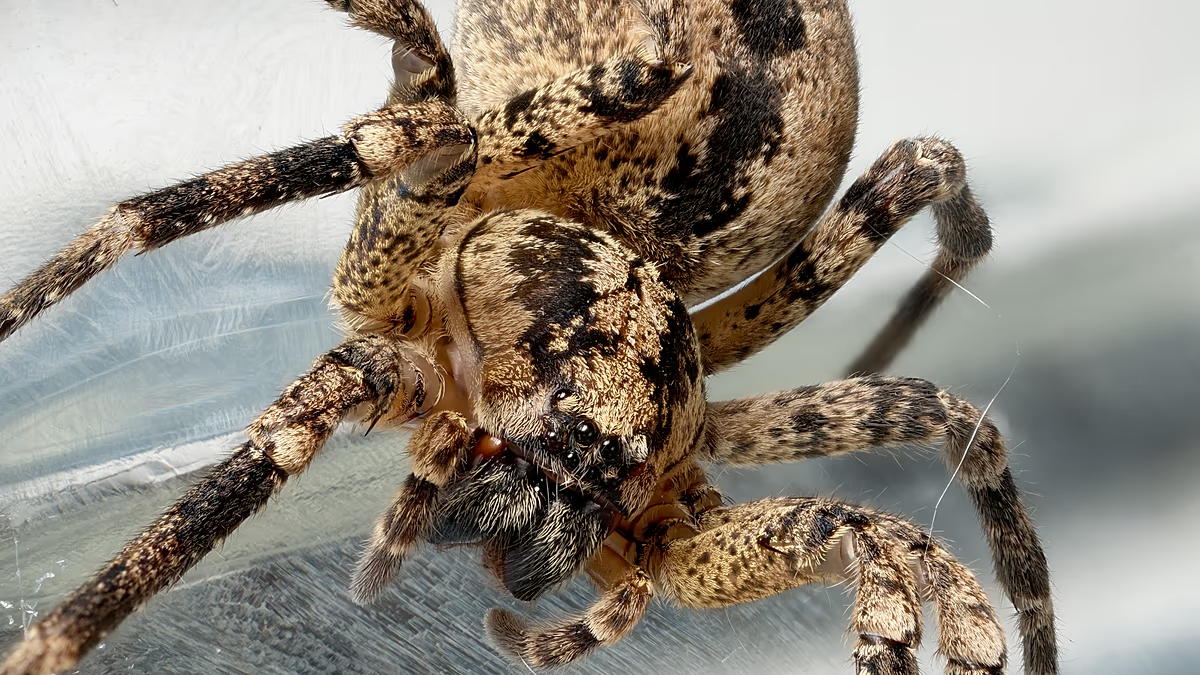
In German the large spider Zoropsis spinimana is actually named after a horror film, namely the vampire from the silent movie ‘Nosferatu: A Symphony of Horror’ by Friedrich Wilhelm Murnau. The Nosferatu in the film has pointed teeth and, like the spider, slender, delicate arms and legs. Those who coined the name also felt that the pattern on the Nosferatu spider’s thorax resembles the face of the blood-sucking Dracula. Others see a skull or a mask in the spider’s markings. NABU even refers to it as ‘the spider with the vampire tattoo’, calling it a stroke of luck because it has aroused so much public interest.
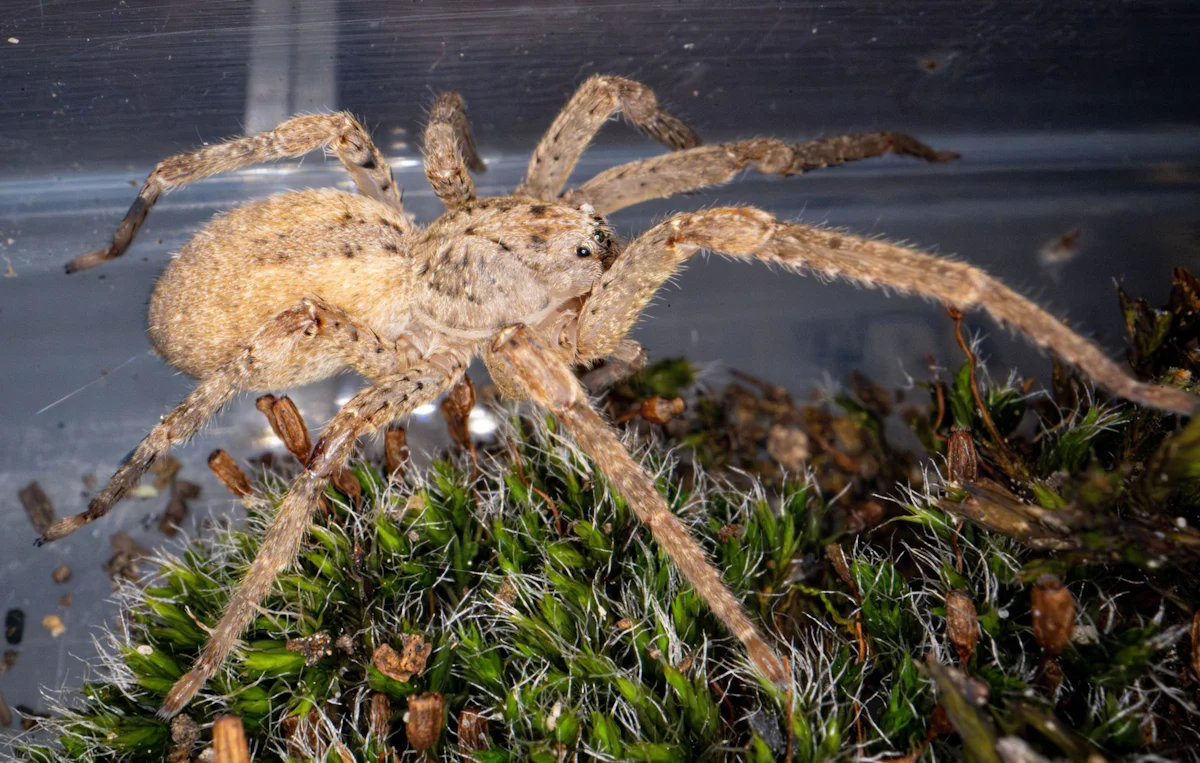
The males are generally smaller, measuring between 10 and 13 millimetres, while the females can reach between 10 and 19 millimetres. Including the legs, Zoropsis spinimana can attain an impressive length of up to 8 centimetres.