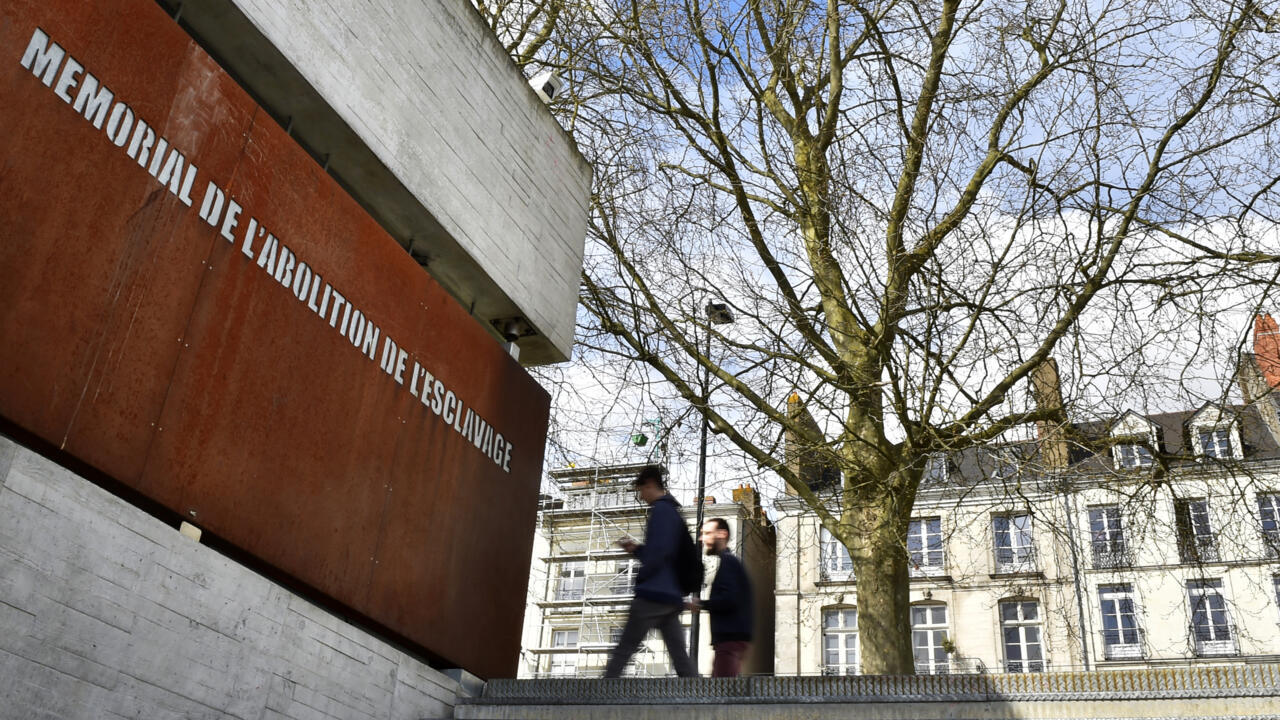
In Nantes, France's largest slave port, the descendant of a slave-trading family has joined forces with a man whose ancestors were enslaved to help repair the enduring legacy of slavery from the grassroots up.
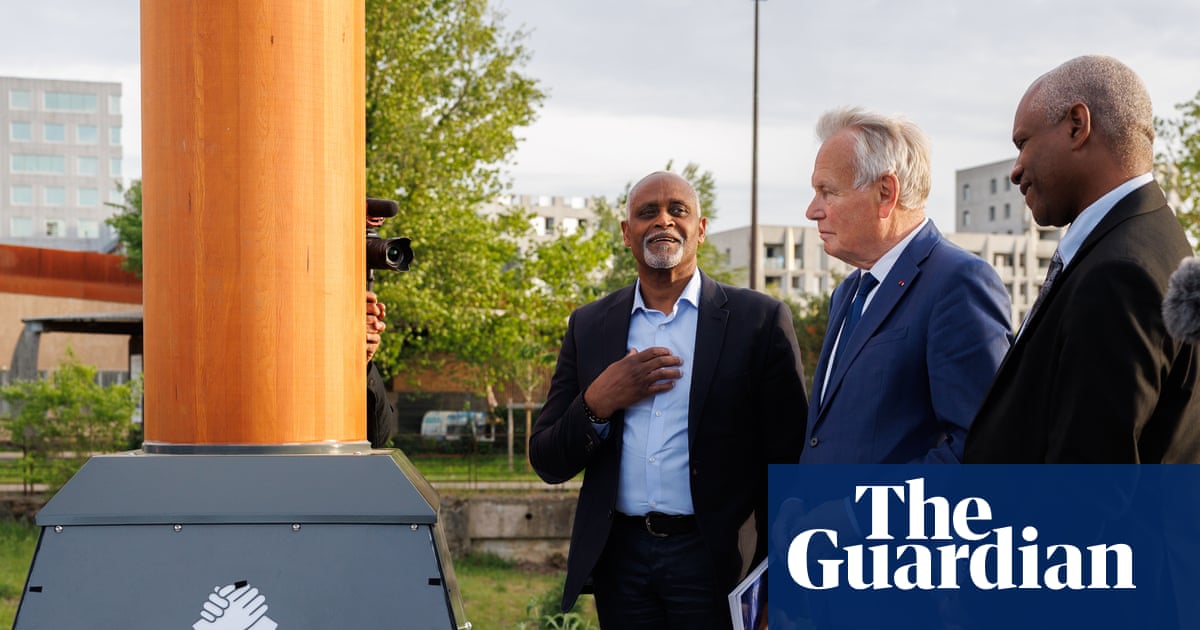
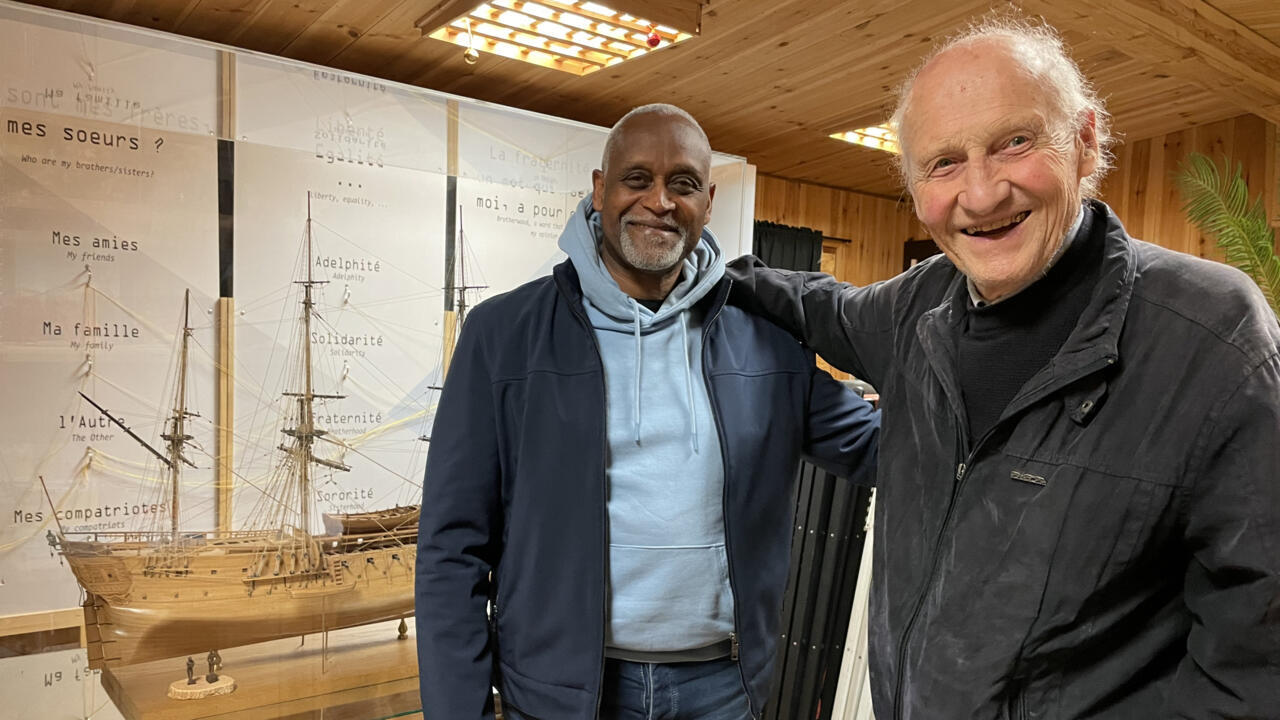
It’s late morning on a windy day in early May on the quayside in Nantes, western France. Cloudy skies promise rain. But an 18-metre high wooden mast, overlooking the Loire river, stands out like a beacon. Known as the Mast of Fraternity and Memory, it's a memorial to the estimated 550,00 enslaved Africans who were shipped from Nantes to the Americas and the Caribbean as part of the transatlantic slave trade between the 17th and 19th centuries. Dieudonné Boutrin, a 61-year-old activist whose ancestors were enslaved on the overseas French territory of Martinique, and Pierre Guillon de Princé, a descendant of Nantes slave traders, call it their “baby”. “We chose a ship’s mast because without ships, no one would have been transported... and crushed by colonial slavery," says Boutrin, tapping the sturdy pole like an old friend. The mast doesn’t just look to the past. “It’s a symbol of the fraternity we still need to build,” says 86-year-old Guillon de Princé.
Guillon de Princé (left) and Boutrin have worked hand in hand to ensure the Mast of Fraternity stands tall on the quayside in Nantes. © CDM