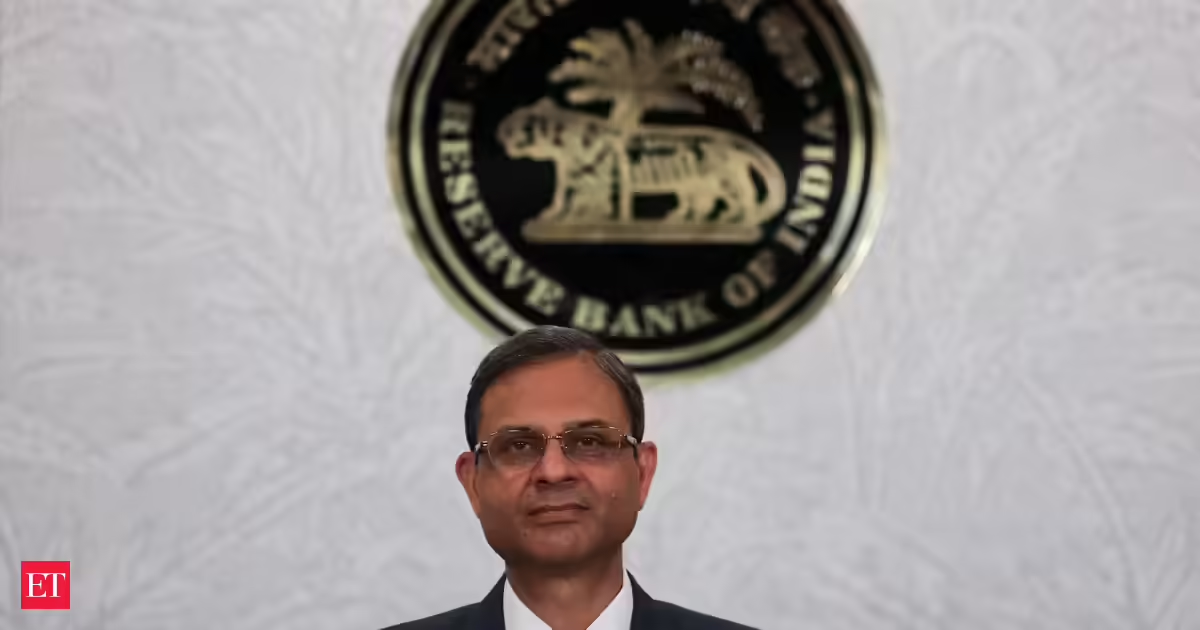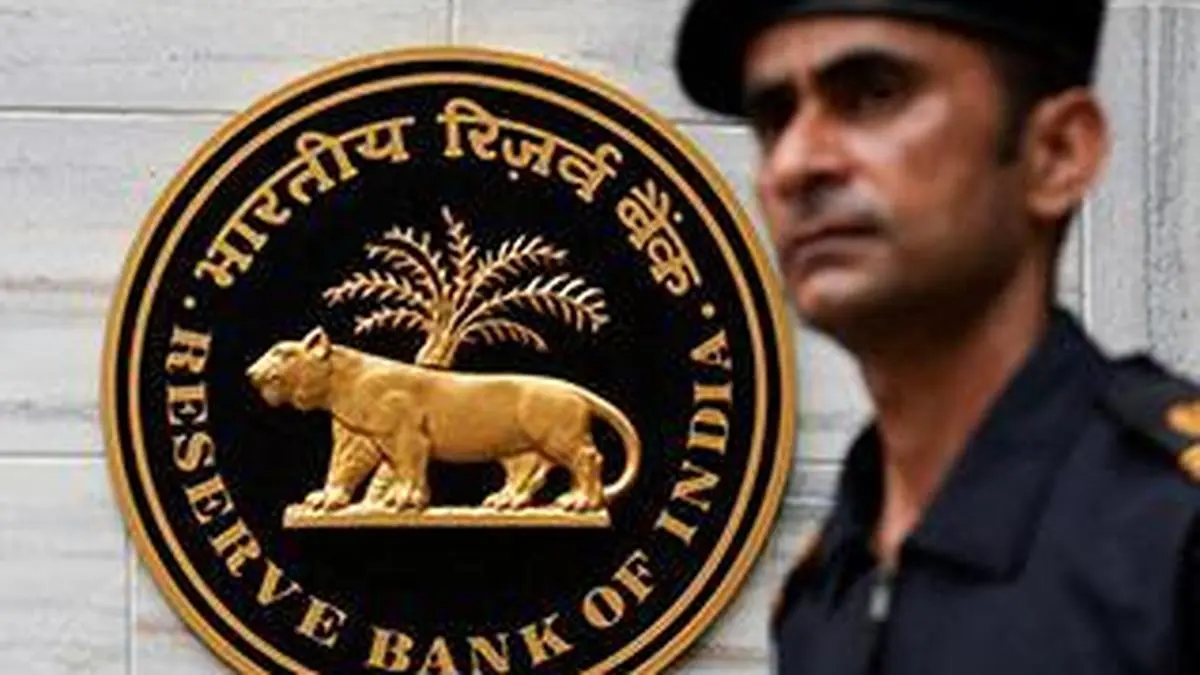
Reserve Bank of India Governor Sanjay Malhotra announces the Monetary Policy decision
| Photo Credit:
The Centre and the Reserve Bank of India (RBI) on Friday unveiled a coordinated package of measures to attract long-term foreign capital, a move that economists believe could help bridge an estimated $40-50 billion gap in India’s balance of payments (BoP) in FY27 while lending support to the rupee.Market participants said the combined package signals a determined push by policymakers to bolster external sector resilience at a time of heightened global uncertainty.Tax ReliefThe government issued an ordinance exempting Foreign Portfolio Investors (FPIs), overseas investors and the Bank for International Settlements (BIS) from capital gains tax on interest income and trading gains arising from investments in government securities. Effective retrospectively from April 1, the measure replaces the earlier regime under which short-term capital gains were taxed at 30 per cent and long-term gains on sovereign bonds at 12.5 per cent.Complementing the tax relief, the RBI announced a series of steps to encourage foreign currency inflows. These include enhancing the attractiveness of foreign currency non-resident (FCNR) deposits by compensating banks for hedging costs on three-year and five-year deposits and offering concessional forex swaps until September 30 to encourage state-owned companies to raise funds through overseas borrowings.Sakshi Gupta, Principal Economist at HDFC Bank, said while the impact of individual measures would be difficult to quantify, their cumulative effect could be significant. “The combined impact could certainly help bridge the $40-50 billion gap on the balance of payments that we had estimated for FY27, assuming a current account deficit of 2.1 per cent of GDP and average crude oil prices of $90 per barrel,” she said.FAR expansionThe RBI has also expanded the Fully Accessible Route (FAR) by including 15-year, 30-year and 40-year government bonds, subject to an overall cap of 30 per cent of outstanding securities. According to Kaustubh Gupta, Chief Investment Officer–Fixed Income at Aditya Birla Sun Life AMC, the immediate inflow impact may be limited, but the move strengthens India’s case for inclusion in major global bond indices such as the Bloomberg Aggregate Bond Index and could facilitate broader settlement access through Euroclear.Analysts said the measures are likely to support sustained foreign exchange inflows, strengthen reserve adequacy and improve confidence in India’s external position. The package is also expected to be supportive of the rupee, with some market participants seeing scope for the currency to stabilise and potentially appreciate towards the 94-per-dollar level over the medium term if inflows remain robust.However, there is a cost associated. “The RBI will incur an annual cost of 3.5–3.75% on every billion dollars coming into India through the FCNR (B) route, which translates to roughly Rs 325 crore per billion,” said Anshul Chandak, Head of Treasury at RBL Bank.”Published on June 5, 2026