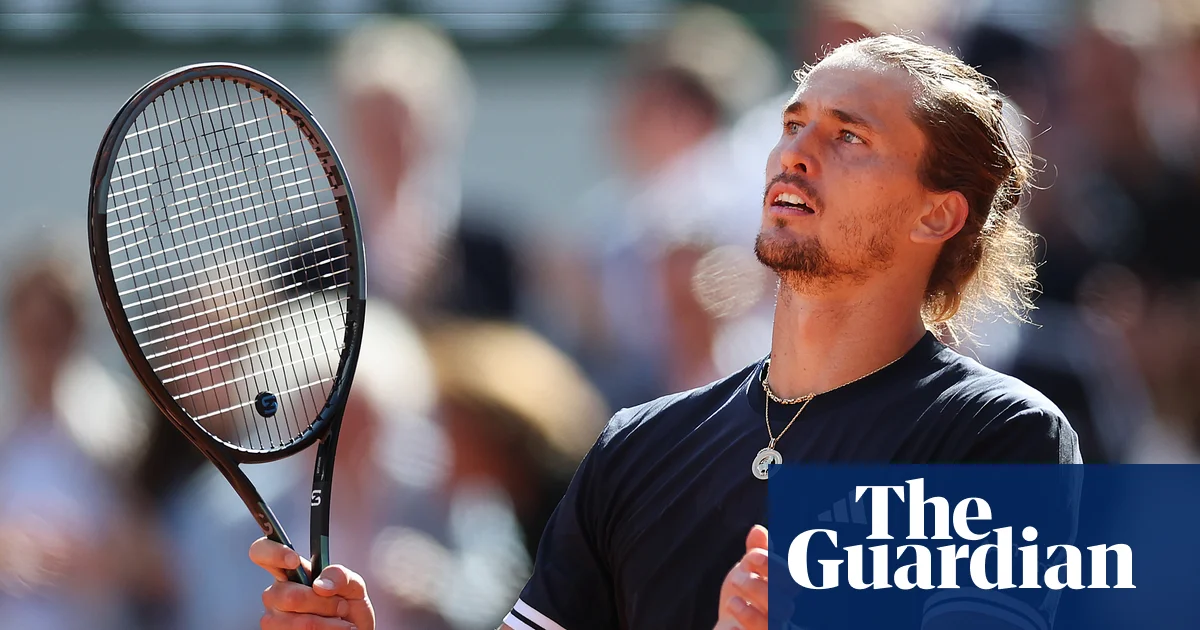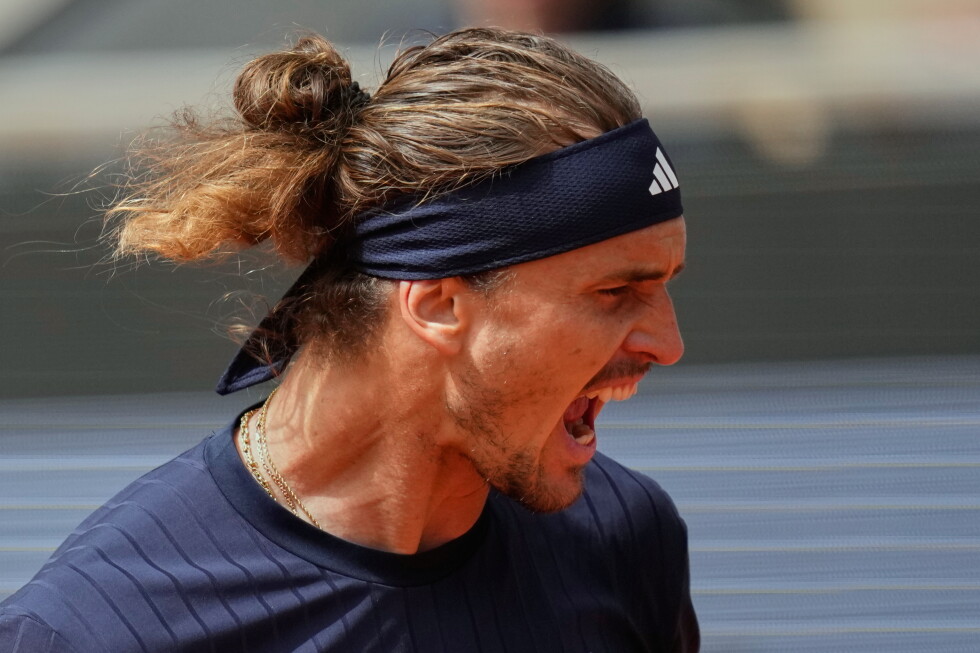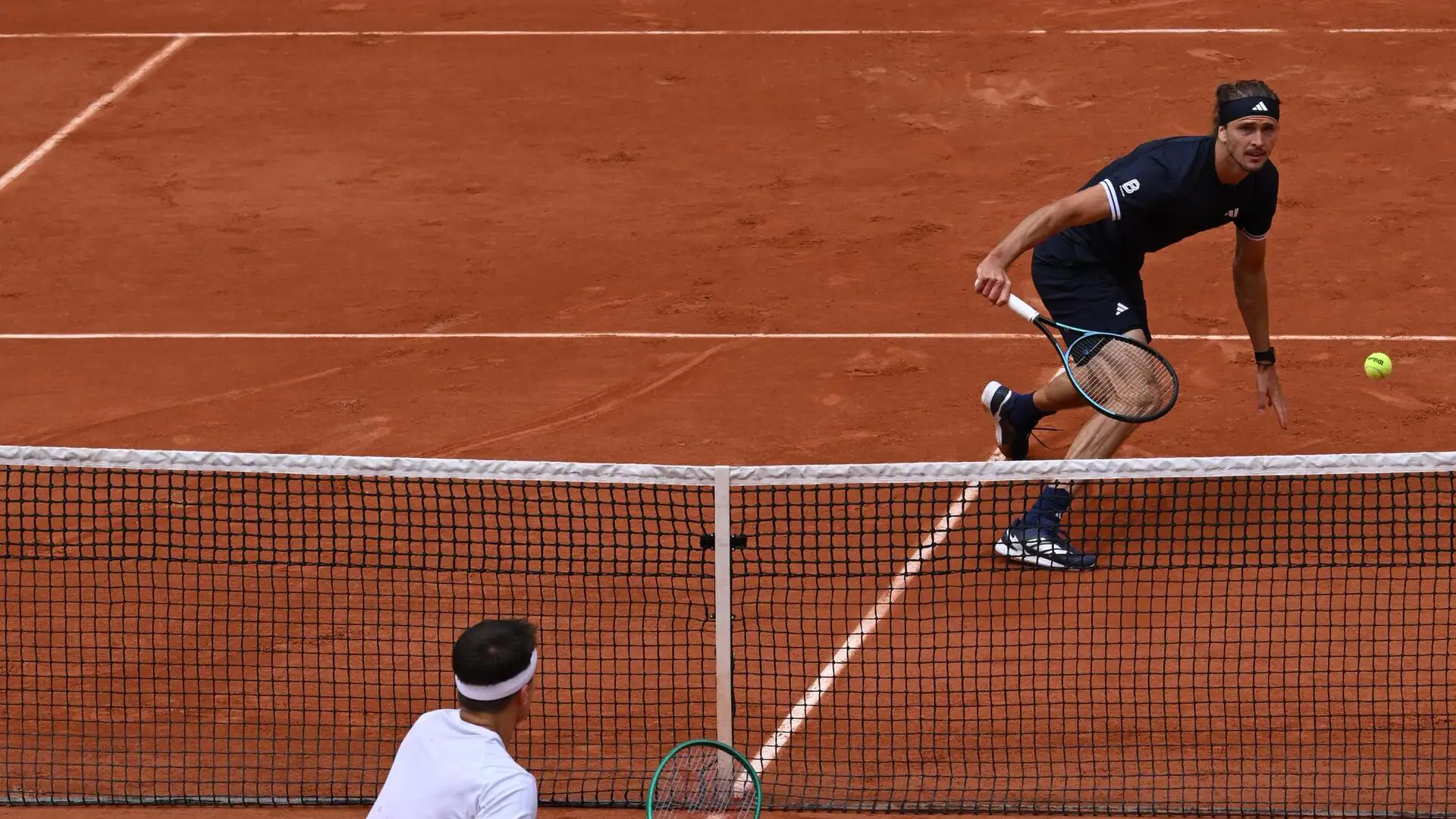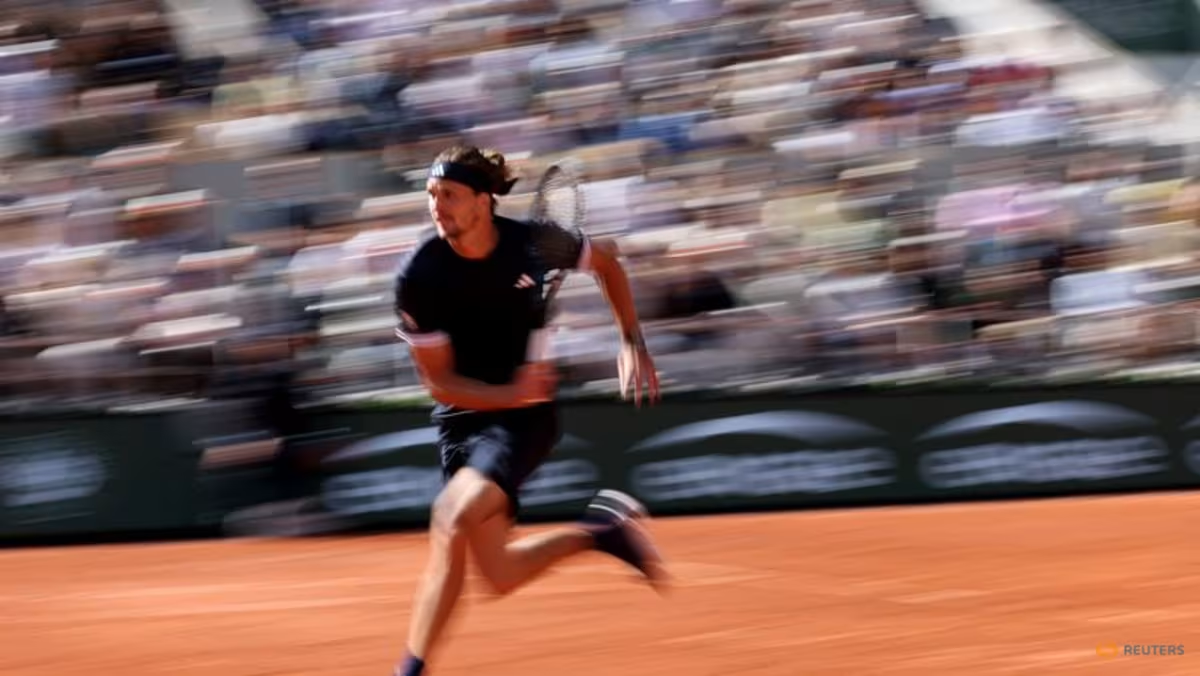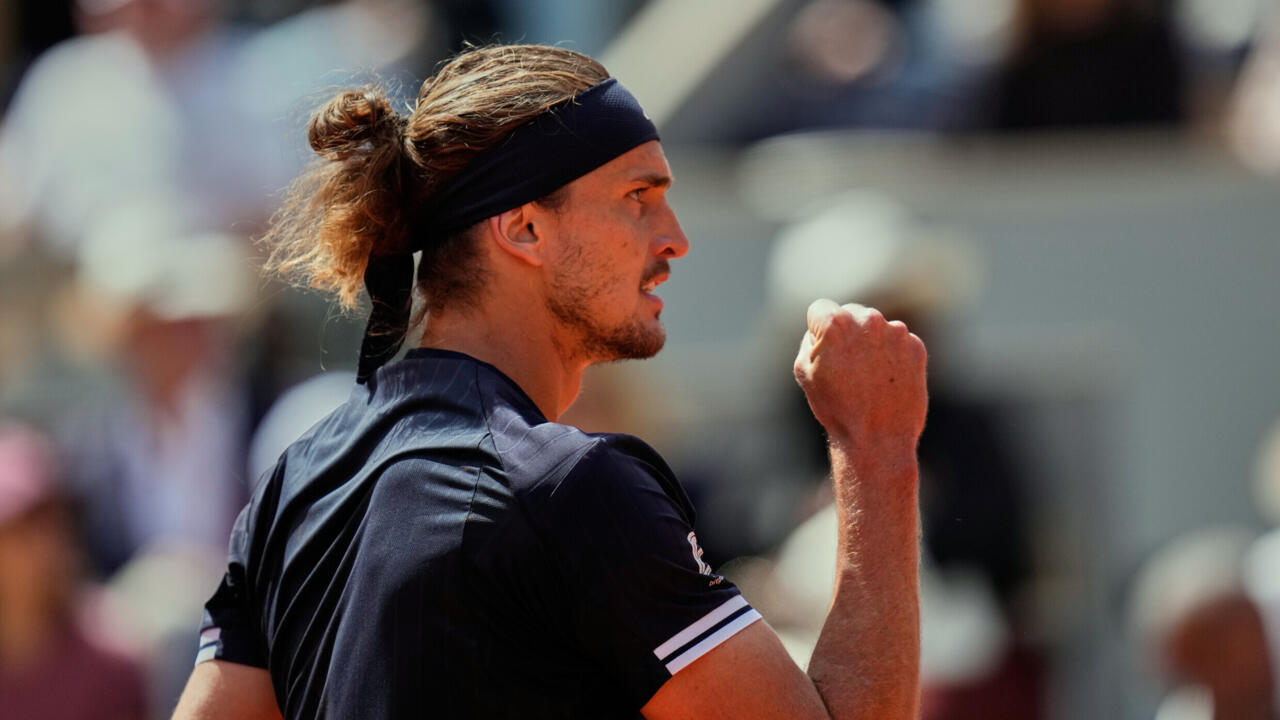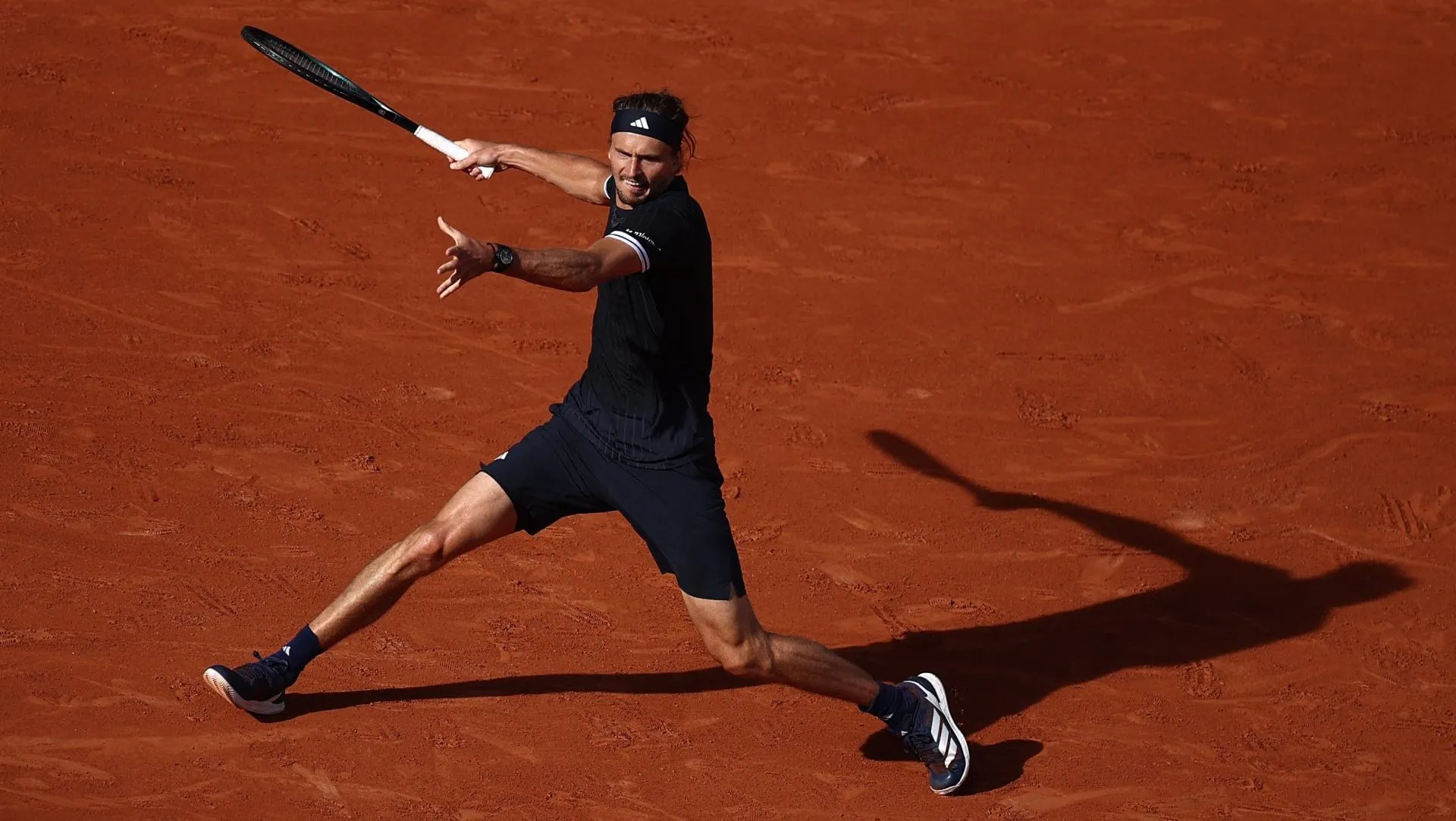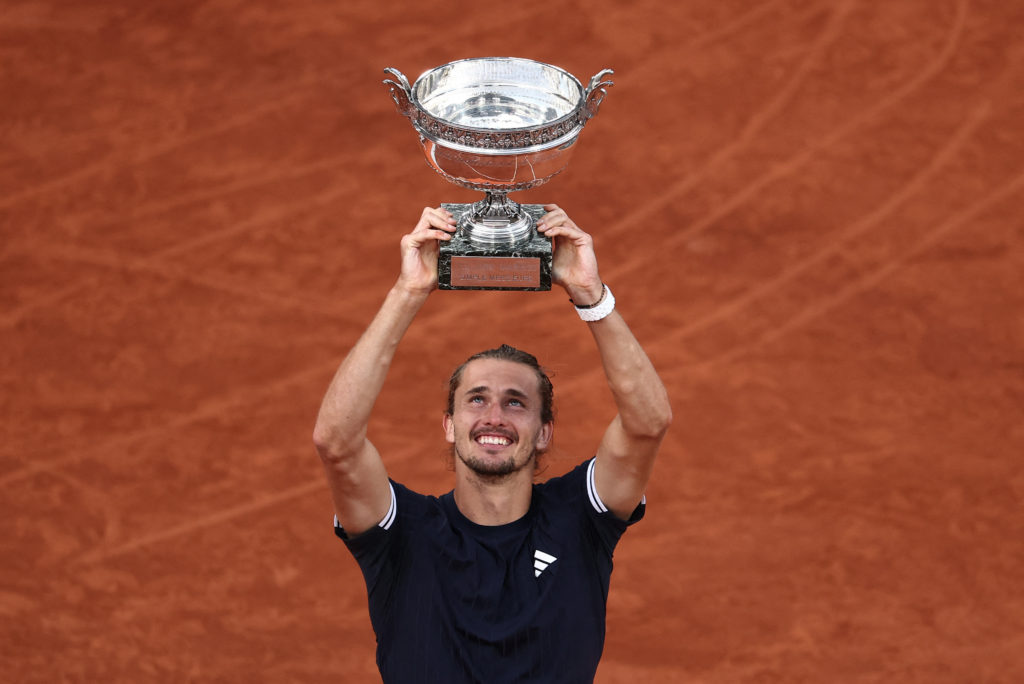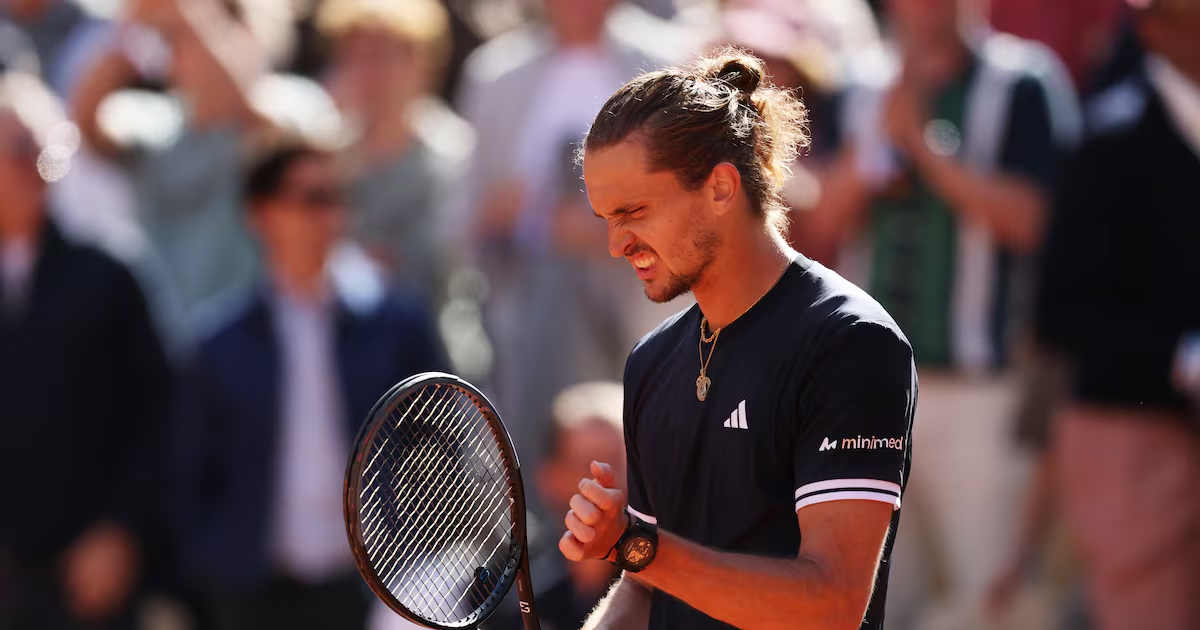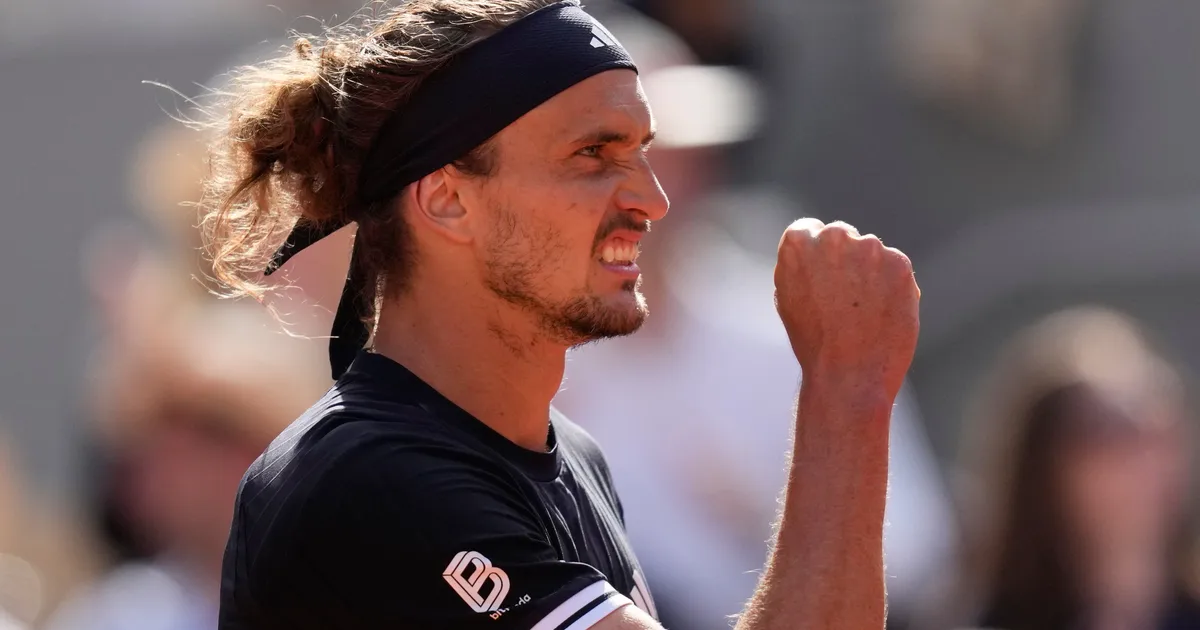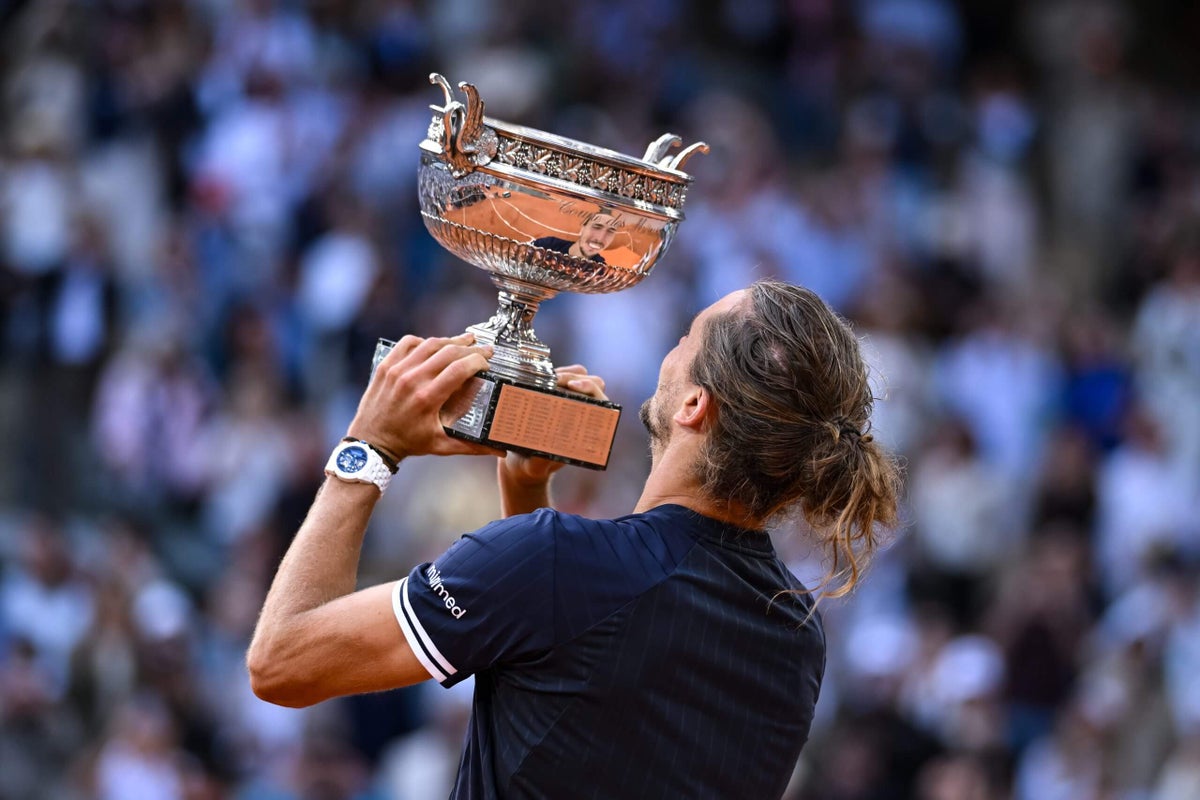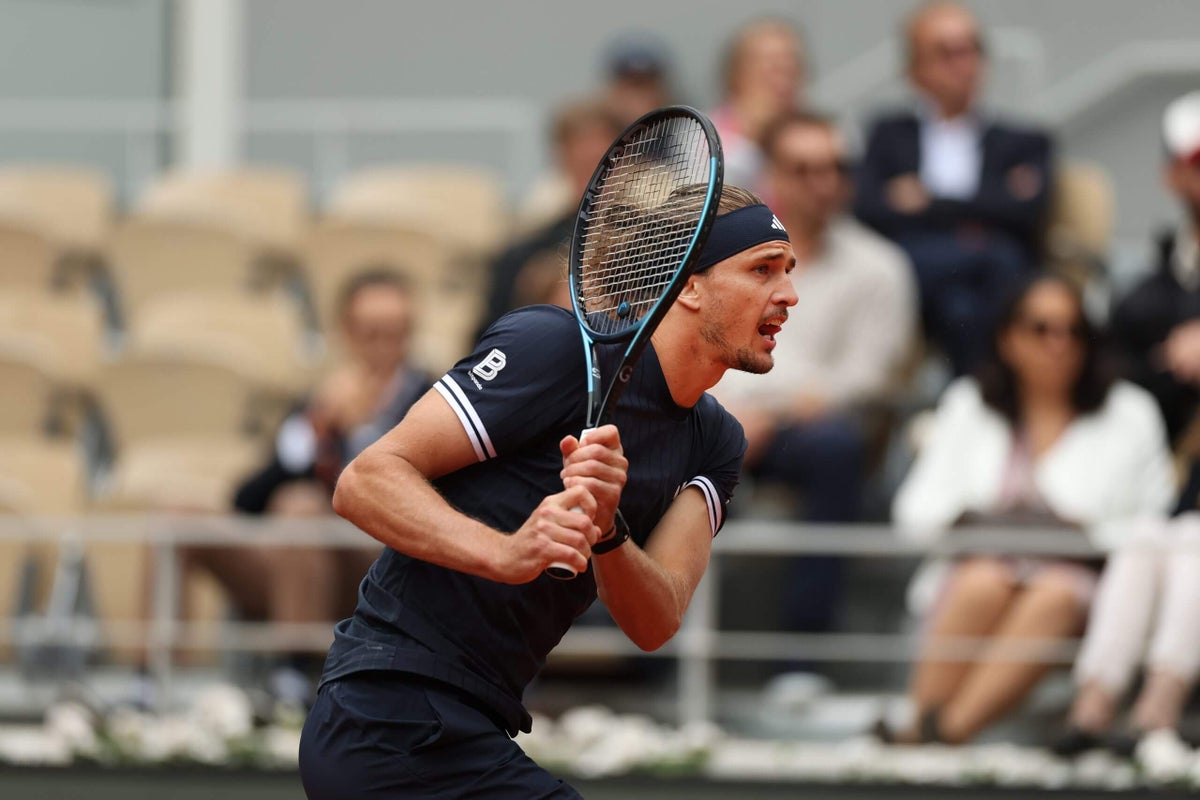
Follow live coverage of the 2026 French Open on The AthleticPARIS — Alexander Zverev, often labeled the best male tennis player to have never won a major, has another opportunity to shed that tag.Germany’s Zverev, the world No. 3 and three-time Grand Slam runner-up, is into a fourth major final after defeating Jakub Menšík of the Czech Republic 7-5, 6-2, 3-6, 6-3 in their French Open semifinal Friday.Zverev was beaten by Dominic Thiem in the 2020 U.S. Open final, then by Carlos Alcaraz at Roland Garros two years ago and Jannik Sinner at the 2025 Australian Open. All three of those players were higher-ranked than him and had more experience in major finals.This Sunday, Zverev, 29, will play someone who until this tournament, had not even reached a major semifinal — either world No. 14 Flavio Cobolli, 24, or another Italian in Matteo Arnaldi, the 25-year-old world No. 104.With Sinner, Alcaraz and 24-time Grand Slam champion Novak Djokovic all either absent or out early at this year’s French Open, Zverev has had the chance of a lifetime to finally win that elusive first major.So far, he has kept his composure well, and he ultimately had too much for a tired-looking Menšík, a far less experienced 20-year-old playing in his first major semifinal.Menšík had played for nearly 16 hours at the tournament going into the match, and left the side of the court in a wheelchair after his second-round match against Mariano Navone when he had suffered full-body cramps at the conclusion of a near-five-hour match played in searing Paris heat.Zverev, by contrast, had been on court for less than 12 hours going into the semifinals.Zverev’s presence in the final comes two years after he settled a case relating to domestic abuse charges brought by his ex-girlfriend and mother of his child, Brenda Patea, out of court. The settlement was announced at the Tiergarten District Court in Berlin on June 7, 2024. Later that day, Zverev reached his first French Open final, by beating Casper Ruud in four sets.“The decision is not a verdict and it is not a decision about guilt or innocence,” Tiergarten District Court spokesperson Inga Wahlen told The Athletic in 2024. “One decisive factor for the court decision was that the witness has expressed her wish to end the trial. The defendant agreed to the termination of the case.”Zverev had to pay €200,000 ($218,000) as a result. €150,000 went to the state treasury, and the rest to non-profit organizations.Zverev had repeatedly denied the accusations, and his defense attorneys, Dr. Anna Sophie Heuchemer and Katharina Dierlamm, issued a statement following the decision: “The discontinuation does not constitute a finding of guilt or an admission of guilt. The legal presumption of innocence remains unaffected.”Zverev was separately accused of domestic abuse by his former girlfriend Olya Sharypova in 2020. He denied the allegations, and said they were “unfounded.”Sharypova did not pursue charges, and a 15-month investigation by the men’s ATP Tour found there was “insufficient evidence” to substantiate Sharypova’s allegations. Zverev did not face disciplinary action, and he was allowed to play throughout both the 2024 case and the tour’s disciplinary process.In a news conference following his semifinal win over Ruud two years ago, Zverev said: “They’re not going to drop the case if you’re guilty at the end of the day.“I don’t know what translations you have, but that’s what it means. Done. We move on. I never ever want to hear another question about the subject again.”As he prepared to give his runner-up speech at the 2025 Australian Open, a woman in the crowd shouted out in apparent reference to the allegations: “Australia believes Olya and Brenda! Australia believes Olya and Brenda!”“I believe there are no more accusations,” Zverev said in his news conference when asked about the incident. “There haven’t been for, what, nine months now. Good for her, I think she was the only one in the stadium who believed anything in that moment.”Almost inevitably in a match between two such big servers, the first set came down to a few points. After struggling through his first few service games, Menšík earned the first break points of the match with Zverev serving down 3-4. Menšík brought them up with a brilliant backhand pass on the stretch, but he then tightened up at a critical moment.After Zverev saved the first one with a big serve, Menšík had a look at a couple of forehands but took a step back and rolled them in. Zverev seized the moment as he had pledged to do and produced a stinging forehand down the line to wrench the chance away.He saved a third break point in the same game, when Menšík pushed a forehand long, and on the next point Menšík rushed a short forehand into the net after going down the line with crosscourt space open.Menšík’s weaker forehand wing has been better this tournament, helped by what his coach Tomáš Josefus called “technical corrections,” in an interview Thursday, but a lack of purchase on it let him down.A few games later, it was one of Menšík’s most reliable shots, the serve, that faltered. Two double faults helped Zverev earn his first break point of the match, and he took it to lead 6-5, after chasing down an average Menšík drop shot and hustling his opponent into a missed forehand pass. Zverev sealed the set the next game with a 130 mph ace down the T.By the second set, Menšík’s exertions earlier on in the tournament seemed to have caught up with him. He was a step slow on the baseline and his thinking appeared muddled too, hitting drop shots when they weren’t really on.Alexander Zverev had Jakub Menšík on the stretch for most the match.After all his losses to Sinner, Alcaraz and Djokovic, Zverev had vowed to stop playing so defensively and to instead try and seize the moment. For much of his career, despite being six feet six inches tall and possessing a cannon of a serve, Zverev has lapsed into human backboard mode, where he plays defensively and trusts that his opponent will beat themselves.The tactic works against most players other than those three at the very top of the sport, and so the question for Zverev has been whether to revert to the less offensive way of playing with them out of the picture in Paris. Against Menšík, Zverev played with aggressiveness in the first set, but from then on he didn’t have to take many risks for a long period.Once his opponent started to fade at the start of the second set, it seemed as though Zverev just needed to keep his composure and keep things simple. He broke twice to take the second set 6-2 and put himself on the brink of the final.Zverev missed a couple of break points to take a 2-1 lead in the third, and after Menšík had fended them off he took an off-court medical time out for what appeared to be a neck injury.The break may have affected Zverev’s concentration, because when Menšík returned it was suddenly a much more even match. Menšík, seemingly revived by the treatment, hit brilliant back to back forehand drop shots to break Zverev for the first time in the match for 4-2. Menšík’s improved use of variety continued as he successfully served and volleyed to bring up three set points a few games later. Another world-class drop shot, this time on the backhand side, sealed the set 6-3. It was only the second set Zverev had lost all tournament.Menšík needed to keep the momentum going, but Zverev offered a reminder of why he’s so hard to put away in a best-of-five match. He shrugged aside the disappointment of losing the third set to race to a 3-0 lead in the fourth. Perhaps out of physical necessity, Menšík continued to serve and volley, and saved a couple of break points by doing so to hold for 3-1 and at least keep himself in the match. But Zverev kept rolling through his service games, before breaking again to seal the set 6-2.And so to Sunday, and the chance for Zverev to end the chase that has defined his career.
Alexander Zverev reaches fourth Grand Slam final with French Open win over Jakub Menšík
Zverev, 29, has lost his three previous major finals. This is the first one he will enter as the favorite.
1,364 words~6 min read