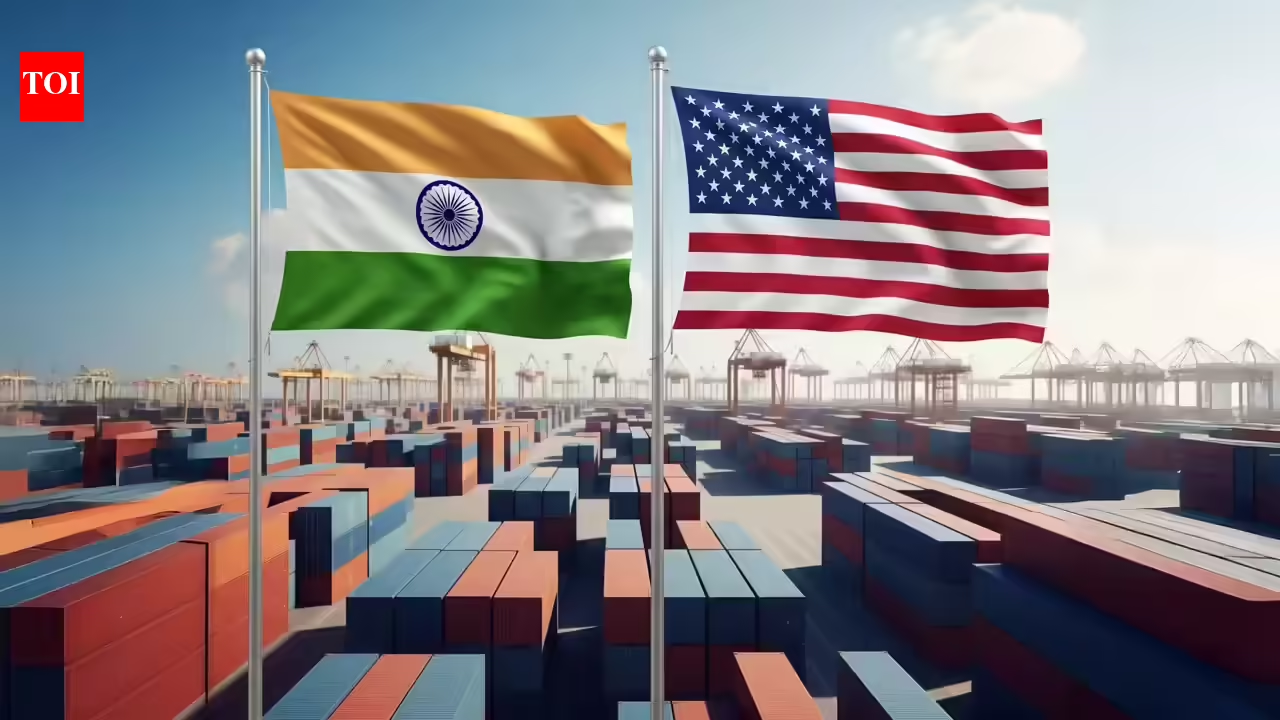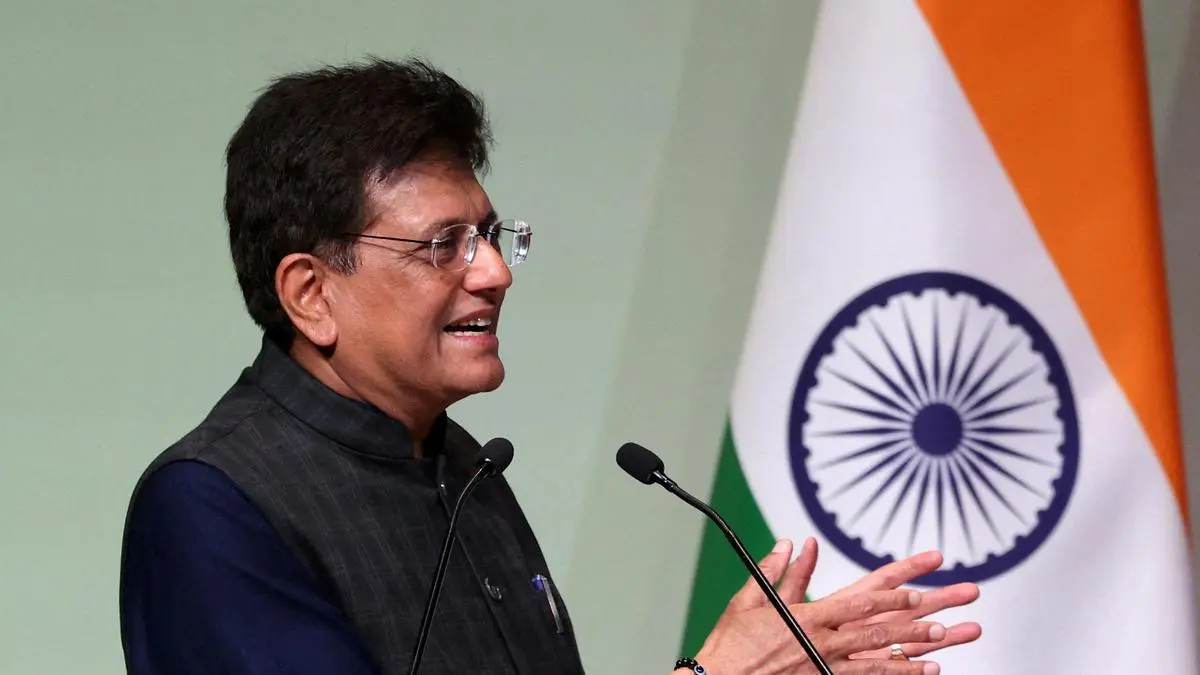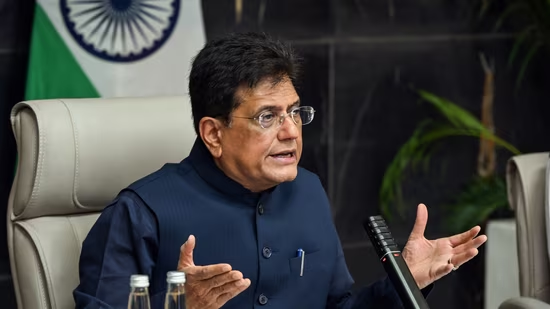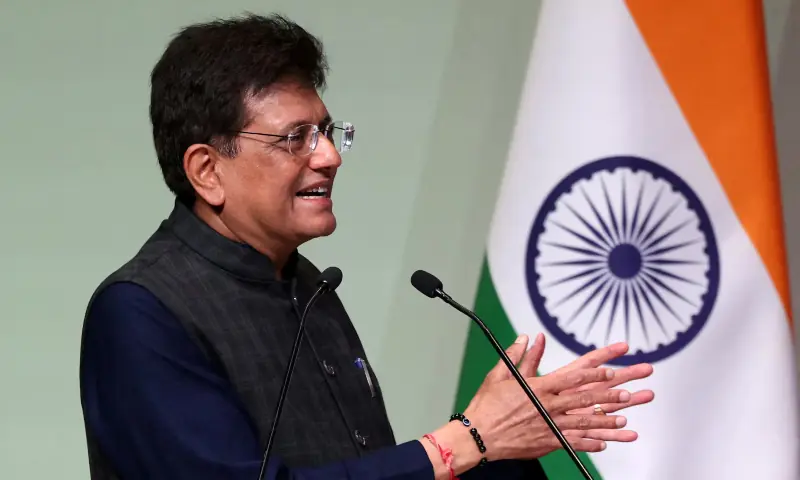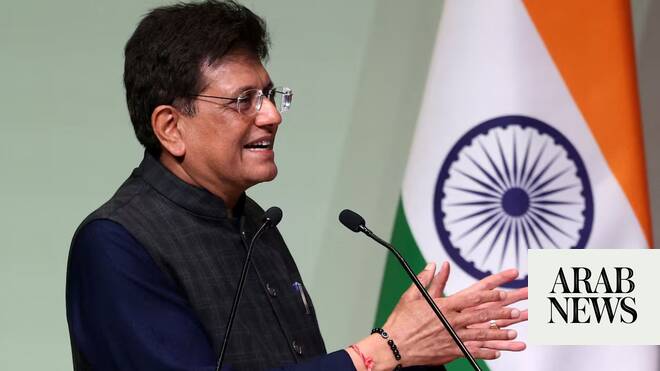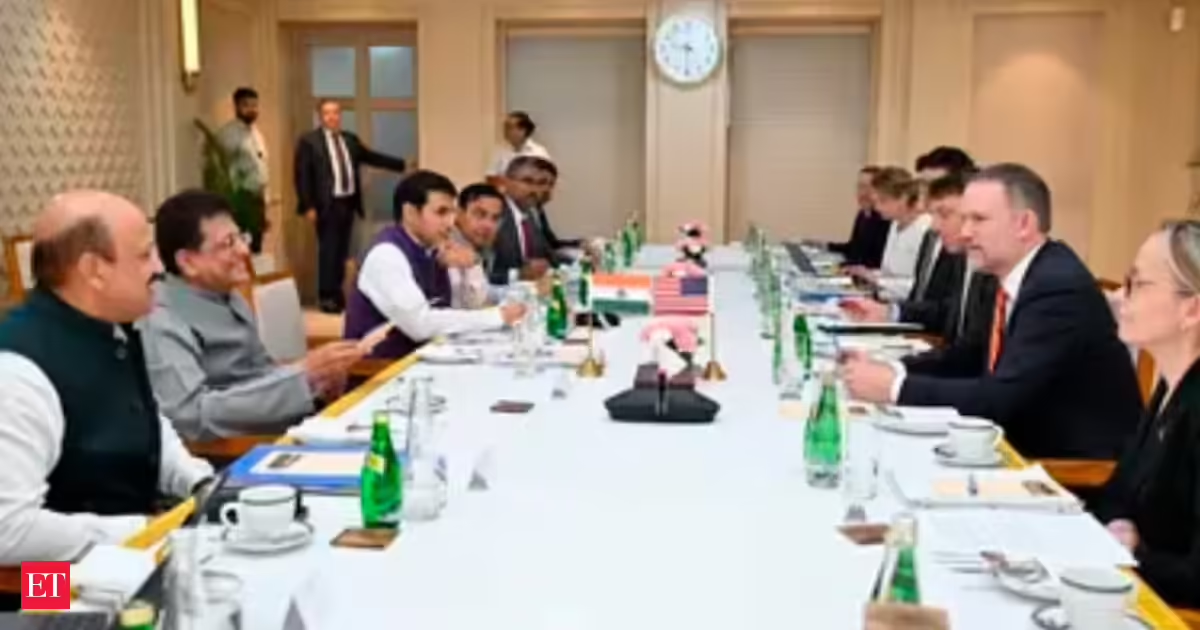
Visakhapatnam: India and the US are moving towards closing all the open ends of the interim trade agreement, and both sides are likely to execute the “very, very vibrant” first phase of the pact by the middle of next month, commerce and industry minister Piyush Goyal said Friday, adding that a higher level US team is expected to visit India towards the end of this month.A US team was in New Delhi from June 2-4 for the talks. The upcoming visit is likely to be led by US Trade Representative (USTR) Jamieson Greer.“I also met with them yesterday, and we are fast moving towards closing all the open ends, and I think sometime by the middle of next month or so, we should be in a position to execute a very, very vibrant first tranche,” Goyal said.The talks took place amid the USTR proposing an additional 12.5% duty on 54 countries, including India, over alleged failure to restrict imports of goods produced with forced labour in third countries. It has proposed new tariffs on most Indian goods under Section 301 of the US Trade Act of 1974, concerning forced labour and is doing another probe on excess industrial capacity.“It is only the first tranche of our bilateral trade agreement, which will give preferential access to India over our competitors,” he said.Officials have said that India had been preparing for the possibility that the US would use Section 301 as a basis for imposing additional tariffs. The key focus of the negotiations will be getting relief on Section 301 probes, and New Delhi achieving lower tariffs than its competitors, adding that the deal could be firmed up if “we get the terms fair, equitable, and balanced”.After finalising the framework for the first phase of the BTA, the two countries are looking to finalise the details of the interim trade pact and take forward the negotiations for the broader BTA.They had issued a joint statement on February 7, agreeing on a framework for an interim agreement on reciprocal and mutually beneficial trade. The framework reaffirmed their commitment to the broader India-US BTA negotiations.Under the February 7 interim agreement, the US removed a 25% penal tariff imposed on India for buying Russian oil and agreed to cut reciprocal tariffs to 18% from 25%.However, before the deal was signed, the US Supreme Court on February 20 struck down tariffs imposed under the International Emergency Economic Powers Act. On February 24, Washington imposed a temporary 10% blanket tariff on all countries for 150 days under Section 122 of the Trade Act of 1974. This ends on July 24.The February joint statement on the framework has a clause that in the event of any changes to the agreed upon tariffs of either country, the US and India agree that the other country may modify its commitments.When the framework was agreed, India had a comparative advantage over its competitor countries, such as Sri Lanka, Pakistan and Bangladesh.Now, with all US trading partners facing a uniform 10% tariff, the pact requires recalibration.“It is important that India gets an advantage over its competitor nations on the tariff front in the trade pact,” said an official, adding that as the US Supreme Court has ruled against Trump's sweeping tariffs, Washington now has the option of using the Section 301 investigation mechanism to impose new tariffs.The US could use this mechanism as a pressure tactic to bring its trading partners on the table to negotiate trade deals, officials cautioned.In March, the USTR launched two unilateral Section 301 investigations against a number of countries, including India, over excess capacity and failures to eradicate forced labour in global supply chains.West Asia crisisOn the issue of high shipping freight impacting traders, Goyal said that it is a demand and supply situation and regulating these prices will cause more pain and become costlier.There are global trade factors that affects these prices, he added.“Our inflation is amongst lowest in the world...In many countries today diesel and petrol have become a crisis of availability, not one day...in India we had any line or any shortages or any people suffering,” Goyal said adding that “it is the astute management of our energy needs”.It is diversified sources of energy that India has generated over the last couple of years amd the central government have absorbed lot of the loses that thenoil companies are facing or the fertiliser companies are facing on the central government budget to keep the burden on the common man and businesses low, he said.The minister said that fertiliser prices today are ten times the price at which that are made available to the farmers.“Against Rs 3000, they are available to the farmers at Rs 300 and the central government is spending over Rs 2 lakh crore as subsidy to bridge the gap between international price and the price to the farmers,” he said.
July rollout of India, US trade interim pact likely as two move to seal 'vibrant’ 1st phase: Piyush Goyal
India and the United States are close to finalizing an interim trade agreement. The first phase of this pact is anticipated to be executed by mid-next month. A high-level US team is scheduled to visit India later this month for further discussions. Negotiations aim to resolve outstanding issues and secure favorable terms for India.
808 words~4 min read