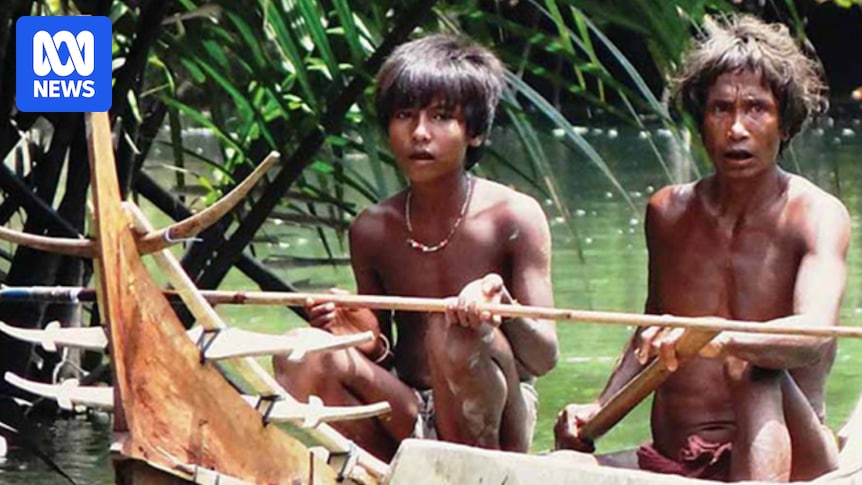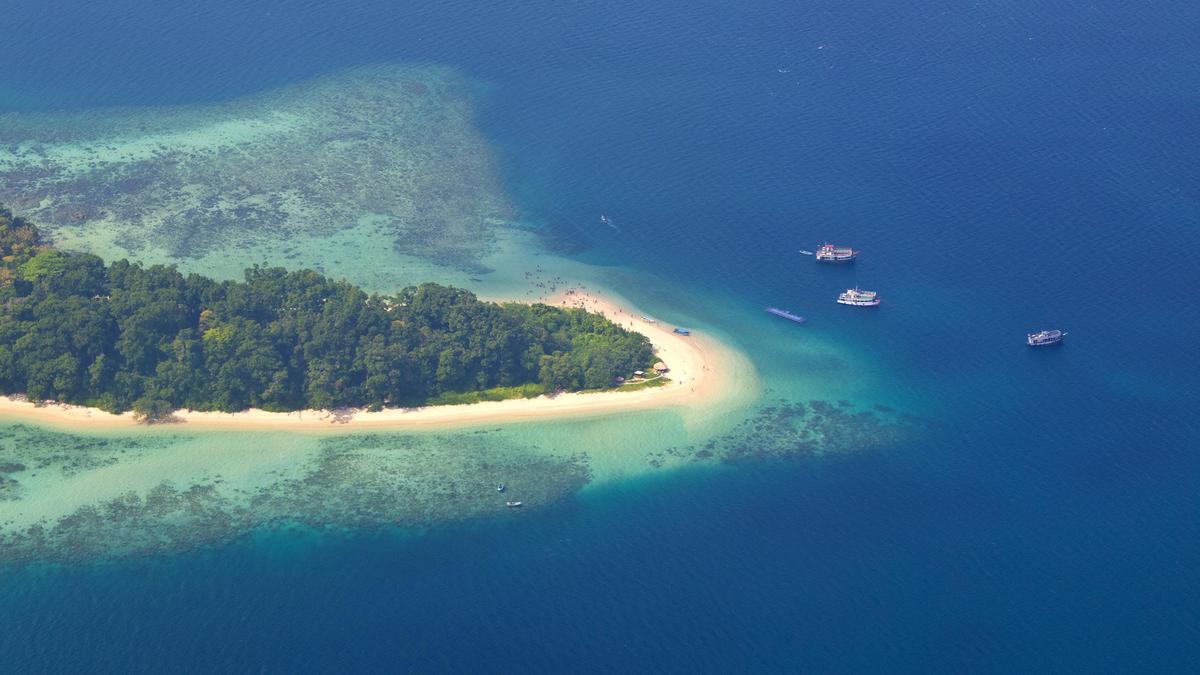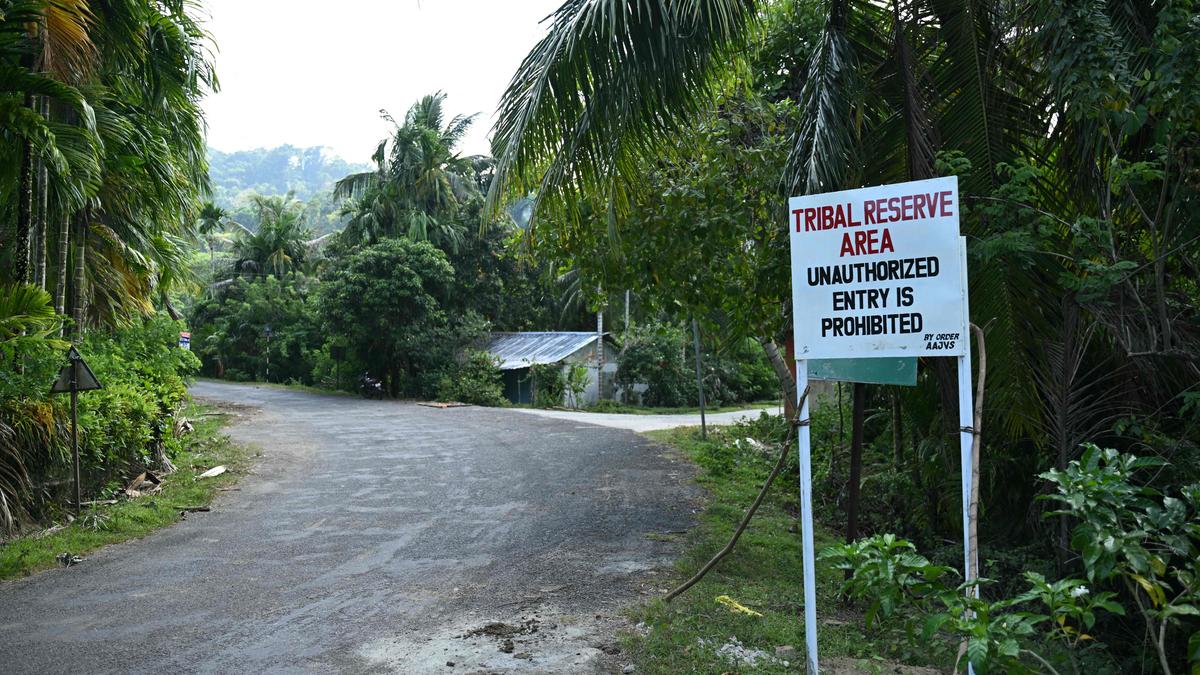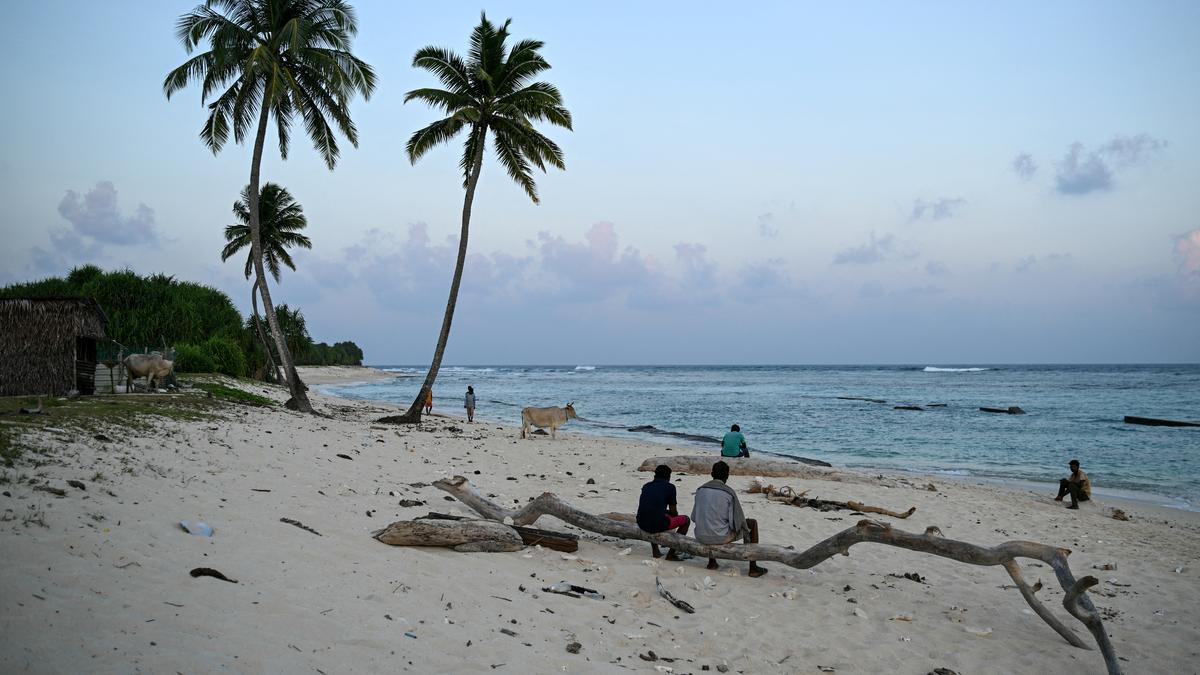
The centrally administered Union Territory of Andaman and Nicobar Islands is planning to introduce elections, as they are conducted in the rest of India, to the Nicobarese tribal community in the archipelago. This includes measures such as delimitation of constituencies, preparation of electoral rolls, and reserving seats and positions of leadership for women.It is doing this by introducing draft rules for the conduct of such elections, which provide for ballot paper elections to Village Councils and the constitution of the Island Tribal Councils, that will be representing the Nicobarese communities through electoral constituencies for terms of five years each. The rules spell out how the Election Commission and the administration should prepare electoral rolls, draw constituency boundaries, the terms of reference for the appointment of election officials, the requirements for contesting and campaigning for elections, etc.The draft rules have already ignited urgent discussions amongst the Island Tribal Councils across the Nicobar Islands, with some Village Captains arguing this threatened the bureaucratisation of the governance they have been intuitively practising through generations. Some others have raised suspicions that these draft rules were an attempt to give rise to a Nicobarese leadership that might be more favourable to the Union government’s interests, especially in Great Nicobar Island, where the existing Tribal Council has been opposing the Centre’s ₹92,000-crore airport, container port, and tourist-township project for close to four years now.Public consultationThese draft rules have been put out for public consultation by the Directorate of Tribal Welfare, under the Andaman and Nicobar Islands (Tribal Councils) Regulations of 2009, which first codified the notion of Village and Island Councils for the Nicobarese, a Scheduled Tribe community. While the Regulation promulgated by the President claimed the objective was to give greater autonomy to the Nicobarese, its provisions gave the district administration (Deputy Commissioner, Assistant Commissioner), a unilateral and absolute veto over any and all decisions these Councils take or might take, if it posed a threat of injury or “annoyance” to the public or might “lead to a breach of peace”.There have been multiple attempts at bringing draft rules under the 2009 Regulations, but no final rules have been notified since then. The latest draft rules for Preparation of Electoral Rolls and Conduct of Elections were put out on May 15 this year, with a 30-day deadline for objections and suggestions. The A&N Congress Committee has already objected to the draft.‘Like an office job’On Great Nicobar Island, where the existing Tribal Council has been opposing the Union government’s mega-infrastructure project there, members are anxious over the proposed draft rules for elections. A member of the Council on GNI told The Hindu, “Right now, the way we govern ourselves has been carried on through generations, which allows us to keep our livelihoods and cultural practices.”“The first thing is that we do not know how we will explain to all members of the community in the Nicobar Islands about these draft rules. Secondly, what this appears to do is take something like governance, which is an everyday activity and woven into our lives, and make it like an office job that will mandate us to fill forms, do paperwork, and detach it from the lives we live and have lived forever,” the Council member, who is one of GNI’s First Captains, added.Anthropologist Anstice Justin, who was India’s first anthropologist from the Nicobarese community, added, “Previously also attempts to introduce such elections were made,” referring to the time when the 2009 regulations were first being discussed and previous attempts at notifying draft rules under these Regulations. “Even then, I remember officials in the Nicobar Islands discussing the difficulties in implementing something like this, given that so many people in the community are not educated enough,” Mr. Justin said.“There is also, of course, a strong suspicion that something like this is being done now in the context of the Union government’s Great Nicobar Island project,” he said.Further, the Tribal Council leader added that there would undoubtedly be practical problems in implementing the rules of elections as proposed. “There is a provision to have at least five Captains per village. In my village, Pilobhabi, for example, the population is 101. We have three Captains, but we have been unable to find people willing to take up positions as 4th and 5th Captains.”Outlines processesThe 2026 draft outlines the detailed processes to be instituted for the Election Commission of India and the district administration to set up the electoral constituencies required for the elections, as envisioned in the 2009 regulations, in an 87-page document, replete with as many as 29 different forms, for nomination of candidates and withdrawal of nominations and campaigning rules to declaration of results, and filing claims of dispute over contested elections, and challenging the presence of electors on the rolls.The proposed structure involves Nicobarese villagers electing five to nine Captains for each village and directly voting for the position of the Chief Captain of each Island Tribal Council. The First Captains of each village of a particular Island are to vote for the position of the Vice-Chief Captain of the Island Tribal Council, and this Island Tribal Council would include the Chief Captain, the Vice-Chief Captain, and all First Captains of the Island.The current system of political representation of the Nicobarese communities involves each village picking three Captains. The Captains of all villages on an Island comprise the Tribal Council of that Island and select a Chief Captain amongst themselves to lead the Tribal Council. There are currently about seven tribal councils, representing each set of Islands inhabited by the Nicobarese.The nautical nomenclature of “Captains” had first evolved among the community around the 16th Century, when village leaders who would negotiate with passing ships of Colonist empires would call themselves “Captains”. The British colonists were, however, the first to start legitimising the Captaincy structure as representative leadership of the community for their own administrative advantage towards the end of the 19th Century.This structure eventually developed into a supplement to the social structure of large joint families, often referred to as Tuhets, that could become a formal channel of communication with the government.Since around the 1970s, the Nicobarese have been electing Captains through adult franchise, and the concept of Island Tribal Councils was introduced in the 1990s, to facilitate and ease the community into government developmental activities. There are no political parties in these elections and no campaigning per se, scholars and experts have observed.Villagers mostly think about candidates’ level of education, fluency in Hindi (the language of government officials), ‘‘foreign’’ trips (an indicator of exposure to the world outside the islands), and ‘‘smartness’’ (the ability to deal appropriately with officials and outsiders, according to R. Venkat Ramanujam , Simron Jit Singh & Arild Vatn (2012).What Ramanujam et. al. noted, however, was that even though the Captains and Council were elected, “decisions were taken after popular consultation, usually through community meetings, and the tribal council did not have unilateral decision-making powers. Consequently, the captains were neither seen as lawmakers nor as ‘‘leaders’’ balancing social and political concerns.”This “unique aspect” of the traditional representative leadership among the Nicobarese people is something the Tribal Council of Great Nicobar has been reiterating to the administration in their negotiations with them over the last four years, with regard to the Great Nicobar Island project. The Tribal Council of Great and Little Nicobar has been emphasising that they need to be consulted on each aspect of the project precisely because the Council can then seek the consent of the larger population of Nicobarese on each of them, as is their custom.
A&NI administration looks to introduce elections to Nicobarese community
A&NI administration plans elections for Nicobarese community amid concerns over influence from the Union government and cultural impact.
1,257 words~6 min read