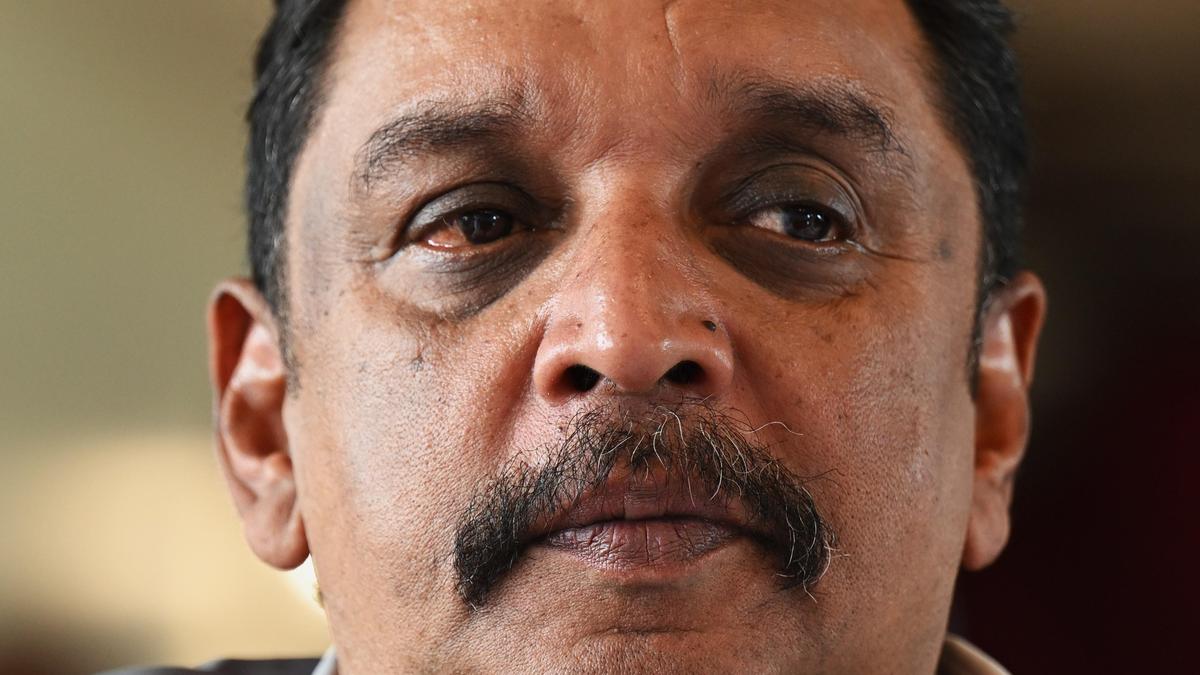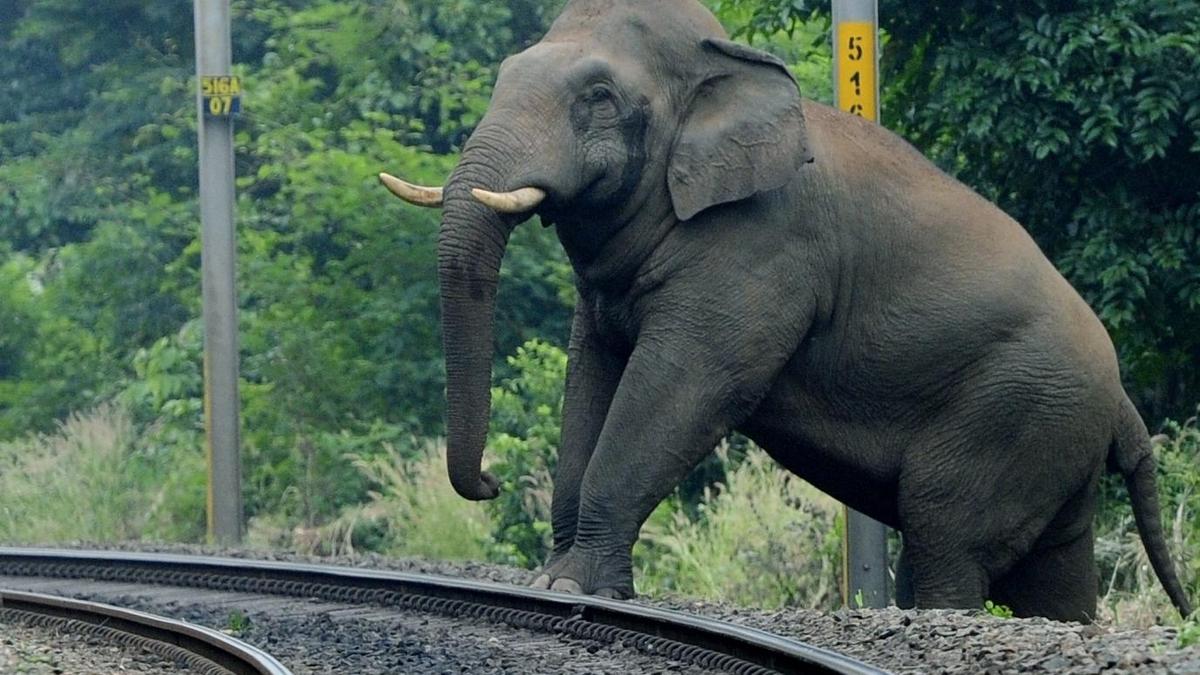
Forest Minister Shibu Baby John on Friday announced a comprehensive 100-day action plan to intensively tackle the rising State-wide menace of human-wildlife conflict across Kerala.As part of the multi-pronged strategy, the Forest department has set a 100-day deadline to install 100 km of new solar fencing. This will supplement the existing 2,000 km of solar fencing that is in place along the forest borders adjacent to human habitations in the State.Besides, an additional 1,900 km of solar fencing will be constructed over the next five years, Mr. John said, expressing optimism that the entry of wild animals could be prevented into human habitations to a large extent.Moreover, a centralised solar fencing monitoring system and an automatic fault detection system for solar fencing will be set up. The mapping of conflict-prone areas along the forest boundaries will also be completed in a time-bound manner.Simultaneously, the department is launching a vista clearance programme to clear at least 100 km of undergrowth along forest routes. Measures will also be taken to clear both public roadsides and abandoned farmlands that serve as hideouts for wild animals.With the State’s 28 Rapid Response Teams (RRTs) frequently overextended by simultaneous crises, the government will form 25 satellite RRTs centred around forest stations. The teams will be equipped with modern vehicles, safety gear, and specialised tranquilising equipment.Metro Rescue TeamsIn addition, the government will launch ‘Metro Rescue Teams’ modelled after the existing RRTs to respond to similar emergencies in urban spaces. The teams will be formed in Thiruvananthapuram, Kollam, Kottayam, Ernakulam, Thrissur, Palakkad, Kozhikode, and Kannur.The department will embark on efforts to assess the carrying capacity of Kerala’s forests to address public concerns regarding animal overpopulation. The Wildlife Institute of India, Dehradun, will be entrusted to conduct a study. A census of wild boars and bonnet macaques will also be undertaken with the cooperation of the State Biodiversity Board and local bodies.Drone squads will be deployed across all forest landscapes to safely monitor wild animals that become isolated in human habitations and farmlands. Additionally, an AI technology-driven, real-time warning and monitoring system will be implemented in all forest divisions to track animal movements before they enter farmlands. Camera traps will also be installed for the purpose.The Minister also announced a three-month campaign involving local self-government institutions to intensify “the elimination of wild boars” that enter human habitations and threaten life and property. The government will also consider hiking the limit in various expenses including the honorarium provided for shooters to kill wild boars. Published - June 05, 2026 08:28 pm IST
Kerala Forest Minister unveils 100-day action plan to tackle rising human-wildlife conflict
Kerala's Forest Minister announces a 100-day action plan to combat human-wildlife conflict with innovative solutions and extensive monitoring.
422 words~2 min read