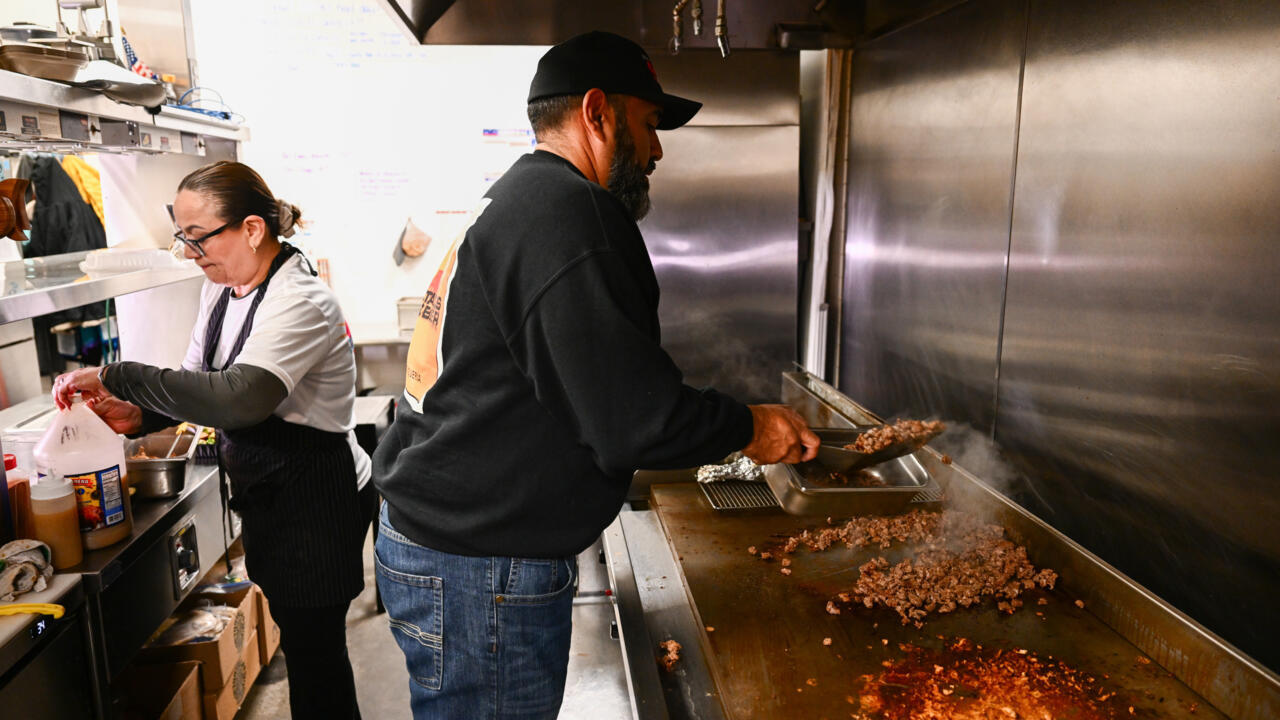
The US economy blew past Wall Street expectations to add 172,000 jobs in May, prompting traders to increase bets that the Federal Reserve will raise interest rates this year.Friday’s figure from the Bureau of Labor Statistics was more than double the 85,000 forecast by economists polled by Bloomberg. Hiring figures for March and April were revised up by a combined 93,000 to 214,000 and 179,000 respectively.Treasury yields and the dollar jumped as traders bet that the Fed will raise interest rates by a quarter point by December. Before the hiring figures, such a move was not fully priced until April next year.The two-year Treasury yield, which moves with rate expectations, rose 0.08 percentage points to 4.13 per cent.Olu Sonola, head of US economics at Fitch Ratings, said: “This is a blowout jobs report. Three straight months of payroll gains, along with the upside surprise in job openings earlier this week, tell us the labour market is on firmer footing.”He added that “with inflation already accelerating, the bigger risk is rising price pressure – not a sustained weakening in labour demand. That makes it much harder to argue for lower interest rates any time soon.”Friday’s gains were led by the leisure and hospitality sector, which added 70,000 jobs. Employment in local government and healthcare also rose sharply.The unemployment rate was unchanged at 4.3 per cent.After a sluggish performance last year in which just 10,000 posts were added on average each month, the jobs market has been jittery in the first half of 2026, fluctuating between large gains and losses.The swings have made it difficult for economists to gauge the health of the world’s biggest economy, but there have been some positive signs in recent weeks.Separate figures released this week showed that job openings surged to a two-year high in April.US President Donald Trump’s war in the Middle East has further complicated the picture, with some Fed policymakers cautioning that the conflict could trigger a slowdown in US employment if it persists, as an oil shock ripples through the economy.The next Fed meeting, later this month, will be the first under new chair Kevin Warsh. His predecessor Jay Powell came under relentless pressure from Trump to lower rates.“If Chair Warsh pushes for cuts at his first meeting, he will be pushing against the evidence,” said Seema Shah, chief global strategist, Principal Asset Management.“Our base case remains that the Fed stays on hold through 2026,” she added, “but if employment data continues to track around May’s pace, rate hikes this year would come firmly into play.”Analysts said the boost in employment in the leisure and hospitality sector was likely driven in part by seasonal factors, boosted by the upcoming World Cup, which is being hosted in the US, Canada and Mexico. But they said employment growth was now emerging across sectors.“World Cup obviously is a feature here in the short term, but broadly speaking ... you’re seeing a general broadening out in terms of the payroll gains,” said Jake Oubina at Piper Sandler. – Copyright The Financial Times Limited 2026
US economy blew past expectations to add 172,000 jobs in May
Traders bet the Fed will have to raise rates by December
507 words~2 min read