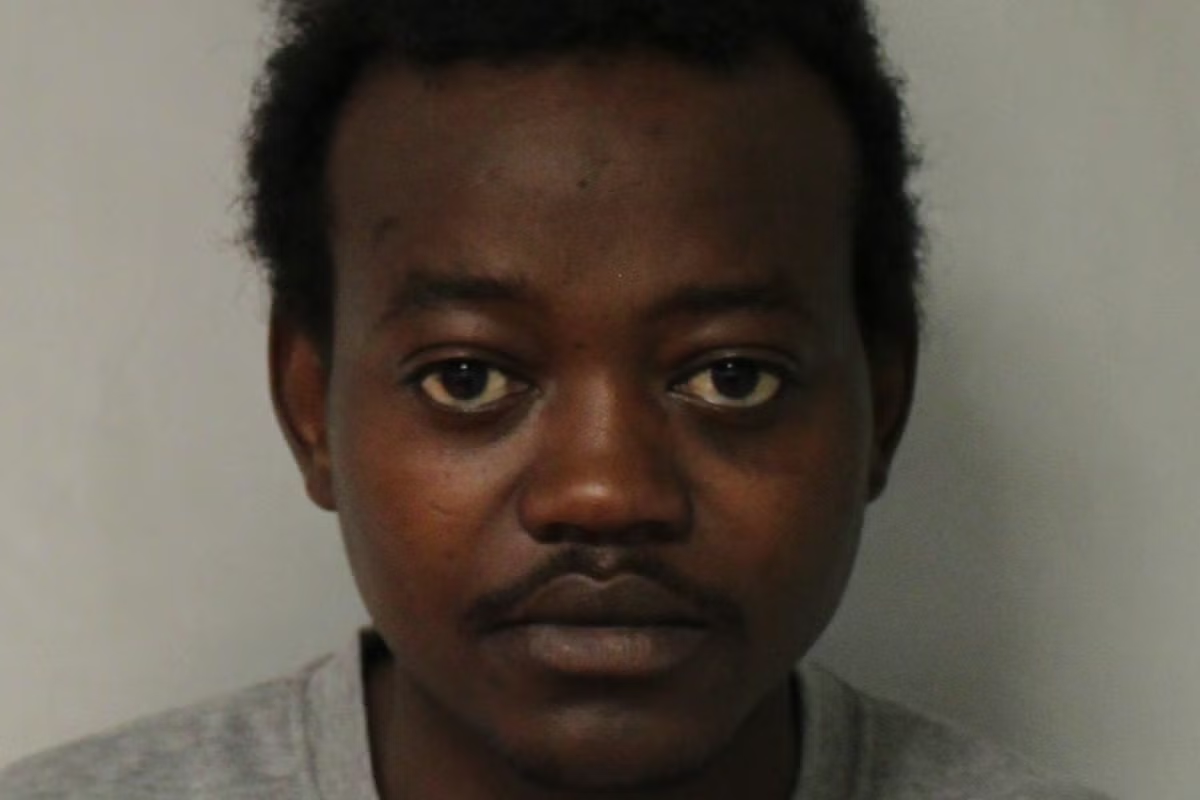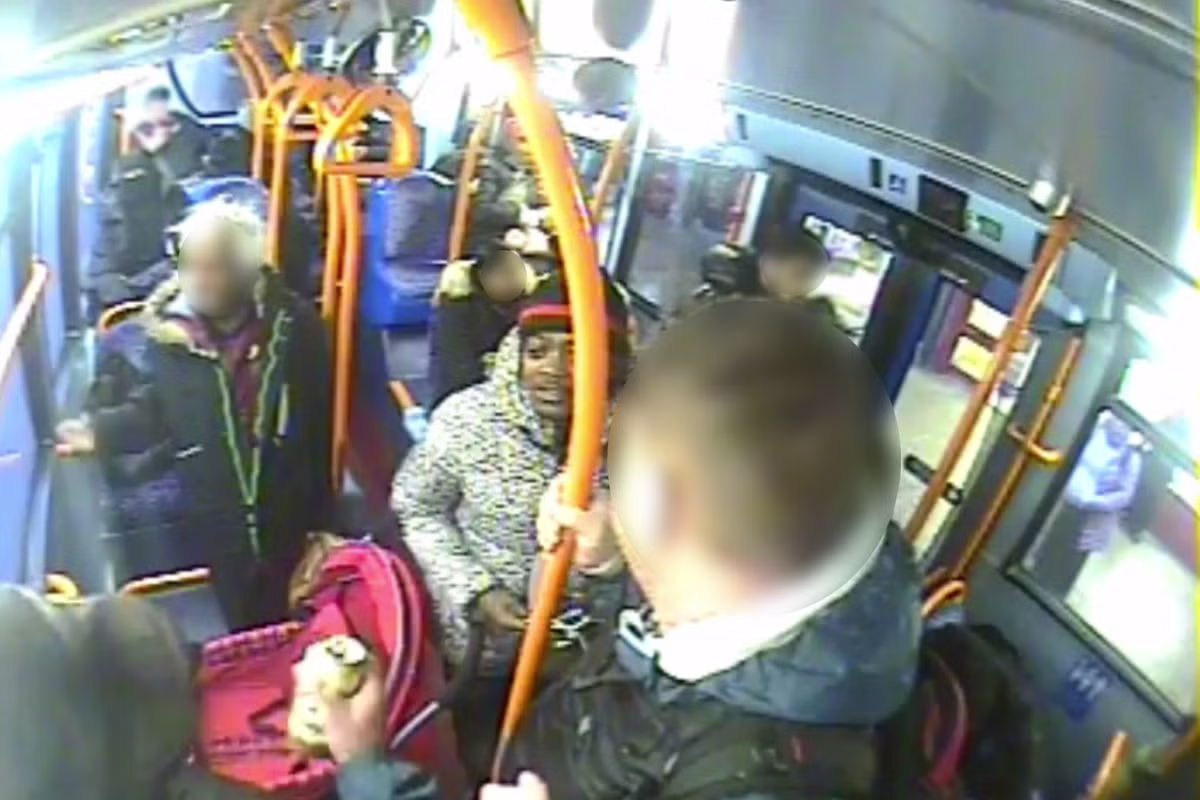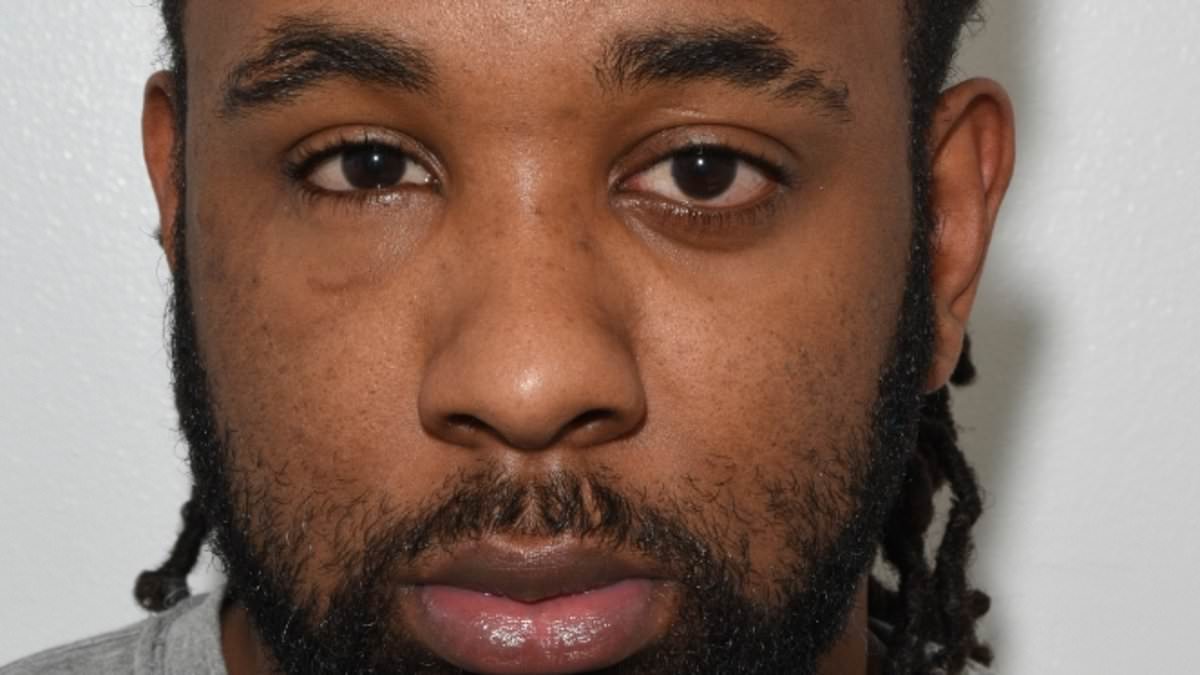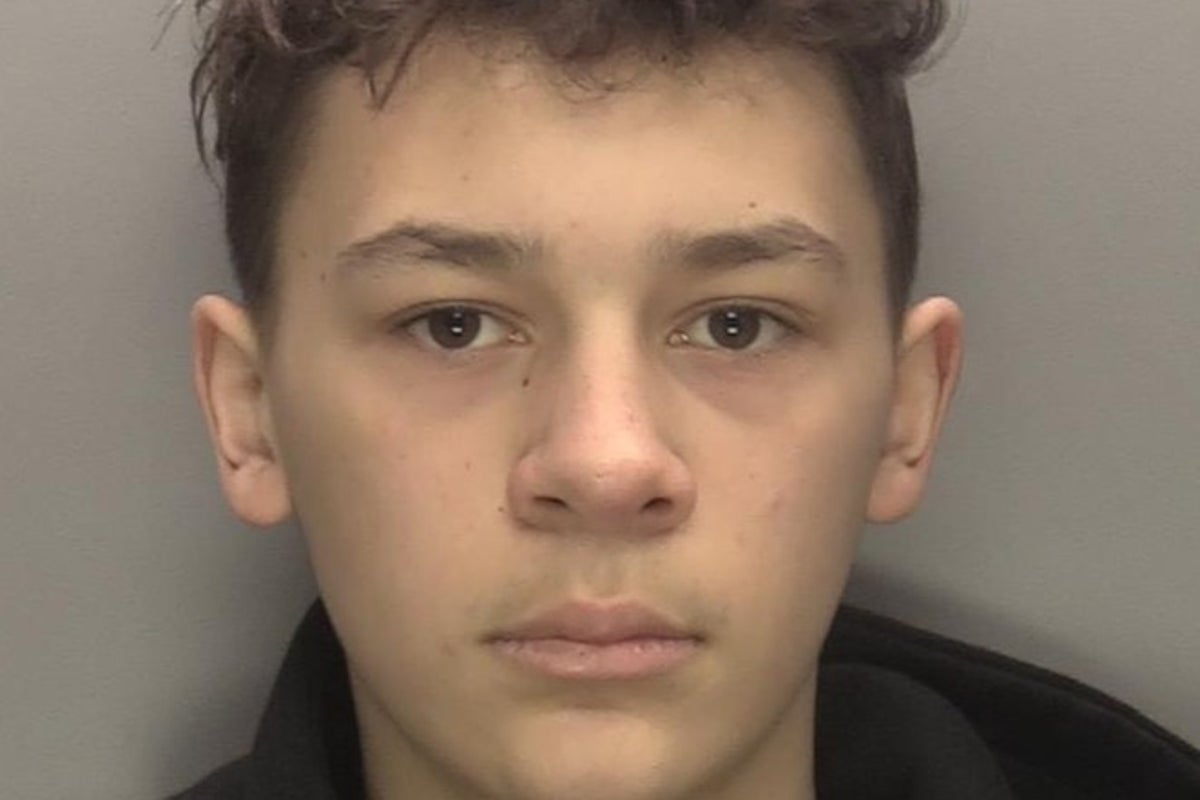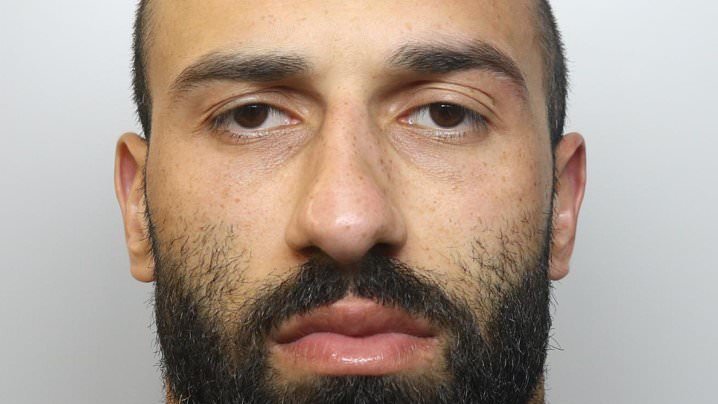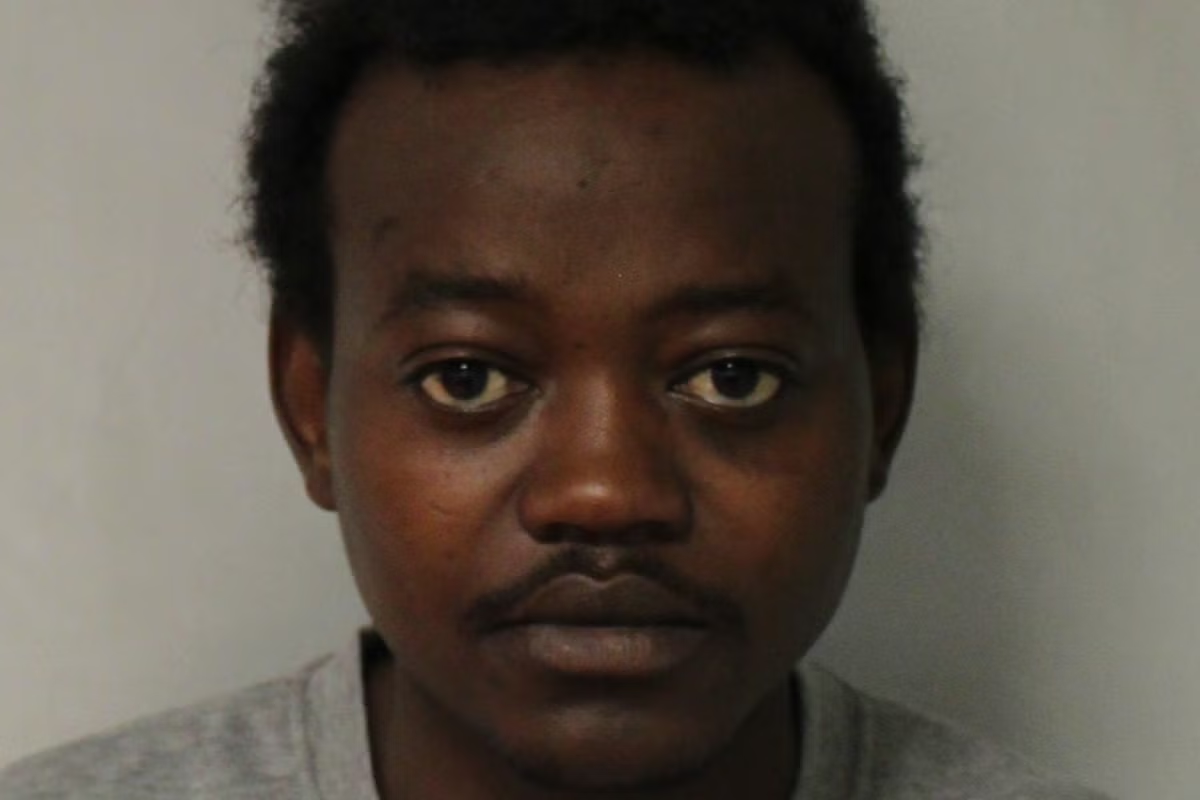
A violent teenager who stabbed a beloved grandfather to death in an unprovoked attack had been released on police bail – twice – in the days before the murder, The Independent can reveal.Rasheed Rahman plunged a five-inch knife that he had signed out from his supported living accommodation into the back of Mark Carroll, 55, as he walked in a small London park with a friend. The attacker, then aged 19, who was not known to Mr Carroll, fled the scene still armed with the murder weapon, sparking an hour-long manhunt. He threatened two other people with the blade before he was caught. Three days before the killing, on 7 April 2024, Rahman, a Sudanese national who lived undocumented in the UK before being picked up by immigration officers while working at a restaurant in Essex in 2021, had been arrested after he allegedly lashed out at members of the public. He was said to have punched at least two people on a canal towpath in Camden Town, London, while waiving a boat hook.Just a day earlier, he had been arrested after allegedly using a brick to smash a window to break into an office in a church. Despite his spiralling behaviour, Rahman was released on police bail – leaving him free to kill. Now, the Metropolitan Police has launched an investigation into contact police had with Rahman in the days leading up to Mr Carroll’s murder on 10 April – and whether anything could have been done to stop the killing – after Rahman was convicted of murder.Mark Carroll was described as ‘one of the most giving people I knew’ by his daughter Ayisha (Metropolitan Police)But other questions remain about the “worrying” attack, with charity Hundred Families, who are supporting Mr Carroll’s family, warning that institutions are repeatedly failing to stop unwell people from going on to commit violent crimes. Rahman was known to Romford mental health services and had suffered from drug psychosis as a result of alcohol and drug misuse, a court was told.Charity director Julian Hendy said: “It is a worrying case. A man was stabbed by a stranger in a London park and it should never have happened.”It is unclear when Rahman first entered the UK, but he told officials he had come to Britain in a lorry through Calais, northern France. On his discovery, he claimed asylum as a child from Sudan and was granted temporary leave to remain in the UK until March 2028. In the lead up to the fatal attack on Mr Carroll, Rahman had been told that he was due to move out of his flat, which was run by a private company offering supported housing for young people, on 11 April. At around 2pm in the afternoon the day before the stabbing, Rahman, wearing a green basketball top, blue shorts and a black bandana, signed out a kitchen knife from an Asda set which was kept by the office at the five-bed property, with house manager Idris Bello making a note of it in the “sharp knives log”. Residents were not allowed to own sharp objects and had to have knives booked out if they wanted to cook.But the knife was never returned. Instead, Rahman left his hostel that afternoon, taking the weapon into central London, and used it to kill Mr Carroll the next day. Mark Carroll would frequent St Martins Gardens in Camden (pictured), where he would ultimately die at the hands of Rahman (Metropolitan Police)Mr Carroll, known as Mogi to his friends, was a Camden local with a huge heart. He would always strike up conversations with people and would accept them as they were, without judgement, his family said. One of his two daughters, Ayisha Carroll, told The Independent: “He was probably one of the most giving people I knew. He was such a kind person. He didn’t have very much himself but he would always be giving away to people. He was a very down to earth person as well, and accepting of people as they are.”Referring to Rahman, Ms Carroll added: “I know that he suffered and struggled but that doesn’t entitle you to take someone’s life. I want my dad to be remembered for who he was.”On the morning of the 10 April, Mr Carroll and his friend of 20-years James Nash were drinking in St Martins Gardens, Camden – which they visited often – with Mr Carroll seen on CCTV from around 11am. Over the next two hours, they chatted to other people, including some workmen on their lunch break. The pair had been drinking alcohol and gradually became more vulnerable.During the murder trial at Wood Green Crown Court, Mr Nash said he was standing in front of Mr Carroll when someone came at him from behind. “That person was a distance behind him. I saw him lunge at him from behind. There was no argument, nothing,” Mr Nash said. CCTV footage shown to the court showed Mr Carroll staggering into sight, trying to walk towards Mr Nash before he collapsed to the ground at around 13:11pm. Ten minutes later, ambulances, paramedics and the police arrived, and he was taken to University College Hospital, where he was pronounced dead. Rasheed Rahman was known to police before he killed Mark Carroll in April 2024 (Metropolitan Police)Louis Mably KC, for the prosecution, told the court that a single fatal knife wound in his back had landed behind his heart, severing his aorta, the main artery in the body that pumps blood from the heart. “The blade had gone into his back, gone downwards, and cut through everything it had come across... Because the aorta had been damaged, Mr Carroll had suffered massive internal bleeding. It was catastrophic and fatal.”While friends and paramedics rushed to help Mr Carroll, Rahman was already walking through Camden, still armed with the murder weapon. A nine-minute walk away in Arlington Road, witness Kamran Khail found him, standing and staring at him, in front of the hostel where Mr Khail was living.“When I see him staring at me, I thought something was wrong,” Mr Khail recalled. “He didn’t tell me anything at that time, just he was staring. I was in fear, so I thought I should return back to the hostel”.He added: “When I was walking he was also walking, when I was stopping he was also stopping… as I turned [back] to the hostel, he told me to stop.”Rahman pulled the knife from the pocket of his jacket and held the blade to Mr Khail’s body. “He was saying in English, come with me… I thought he was going to kill me.”Mr Khail was able to escape, fleeing into the hostel, where he alerted police. The murder weapon Rahman signed out from the kitchen of his accommodation (Metropolitan Police)Rahman then made his way to Gloucester Avenue, where he approached Kamil Hamma and his friend who were about to dock their Santander bikes. Rahman demanded he take Mr Hamma’s bike instead. Mr Hamma told the trial: “He was quite adamant, consistently asking me for the bike, obviously I said no. He was about a metre-ish away, that was when he started grabbing the bike and getting a bit closer to me.”They had a tussle before Rahman pulled out a knife. “I just saw the blade and got very kind of scared. He just took it out and said ‘give me your bike now’, to which I obviously backed off and let him take it.”Video footage shows Rahman cycling towards Camden market when the knife falls out of a pocket and hits the ground. He stops to pick it up – a moment spotted by a keen-eyed coach driver who phoned the police. Just before 2pm, officers tracked Rahman down to Castle Haven park, just half a mile from where the killing took place. There, they found the knife, with Mr Carroll’s blood on it, hidden in a plastic bag in a nearby bush. A CCTV grab shows Rahman being handed a knife from the set kept in the supported accommodation office. (Metropolitan Police)Rahman was found guilty of murder, robbery and two other knife offences at his trial last month and will be sentenced at a later date.He had previously pleaded guilty to affray and actual bodily harm over the events of the 7 April, with his sentencing yet to take place. Though he was charged with burglary over the incident on the 6 April, the Crown Prosecution Service offered no evidence against him. Though Mr Carroll’s family are relieved they now have a guilty verdict, Mr Hendy said there were still questions to be answered about how Rahman was able to attack people with a knife. He said: “This is happening far too often. We are seeing repeated problems with mental health support and other services, a lack of joined up working between agencies. Seriously unwell people are not being looked after well enough in the community and it is allowing tragedies to happen.”The accommodation where Rahman lived houses young people transitioning from care, or who have complex needs or challenging behaviour, or who are unaccompanied asylum seekers. Rahman’s case did not involve any mental health defence. Mr Hendy added: “There are certain questions to be asked of the accommodation provider; how was a man with apparently serious mental health illness able to access knives?”He asked: “Does this warrant an offensive weapons review, and is there learning to be had from this to protect unwell people and members of the public?”Meanwhile, Ms Carroll described her father as someone you could call on at a moment’s notice.“He was always a message, a phone call away. He got up so early so, if I was on night shifts, he would give me a ring and we would have a chat,” she said. “He had his own mental health difficulties, and I’ve been struggling knowing that he passed away when he should have had more support around him.”She added: “There’s one Irish gentleman who he knew from the park, Tom, that dad would always go and check in on, when he was recovering from ill-health. Now whenever my sister and I visit the park to drop flowers there, the plants are always so well-kept by those who knew him.”A grandfather, Mr Carroll loved the simple joy of visiting his eldest daughter, Danielle Morley, and her two children. And remained life-long friends with Ayisha’s mother, supporting her in periods of ill-health. Ms Morley remembered his visits fondly, saying: “When dad came down to see me and the girls, the house was always full of laughter, love and happiness. Watching him with his granddaughters created memories that are so special and meaningful to me, and moments I will never forget. “He absolutely adored them, and I could see how much joy they brought him every single time he was with them.”She added: “Even though he’s no longer here, the warmth, love and happiness from those moments will always stay with me. The girls will always carry a part of their granddad with them through the stories, memories, and love he gave so freely.”A Met police spokesperson told The Independent that it would be inappropriate to comment while the internal review is ongoing. The force would not need to refer themselves to the regulator (The Independent Office for Police Conduct) over the murder as referrals are only mandatory if officers have had previous contact with the victim, not the perpetrator. A Home Office spokesperson said: “Our thoughts are with Mr Carrol’s family and friends at this difficult time.“All foreign national offenders who receive a prison sentence in the UK are referred for deportation at the earliest opportunity, with nearly 70,000 illegal migrants and foreign criminals removed or deported since the 2024 election.”
How a violent teenager on bail was left free to murder an innocent man
Exclusive: Rasheed Rahman murdered ‘kind and generous’ grandfather Mark Carroll, 55, in an unprovoked stabbing in north London — the victim’s family are now demanding answers over the tragedy, as Holly Bancroft reports
1,958 words~9 min read