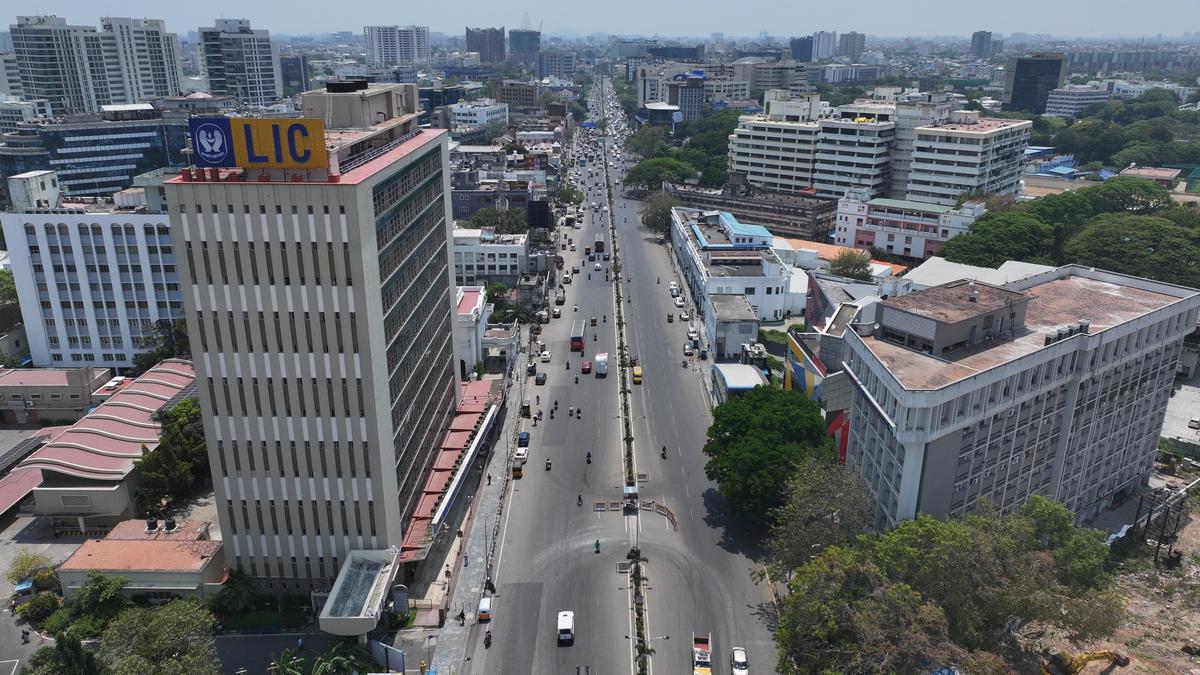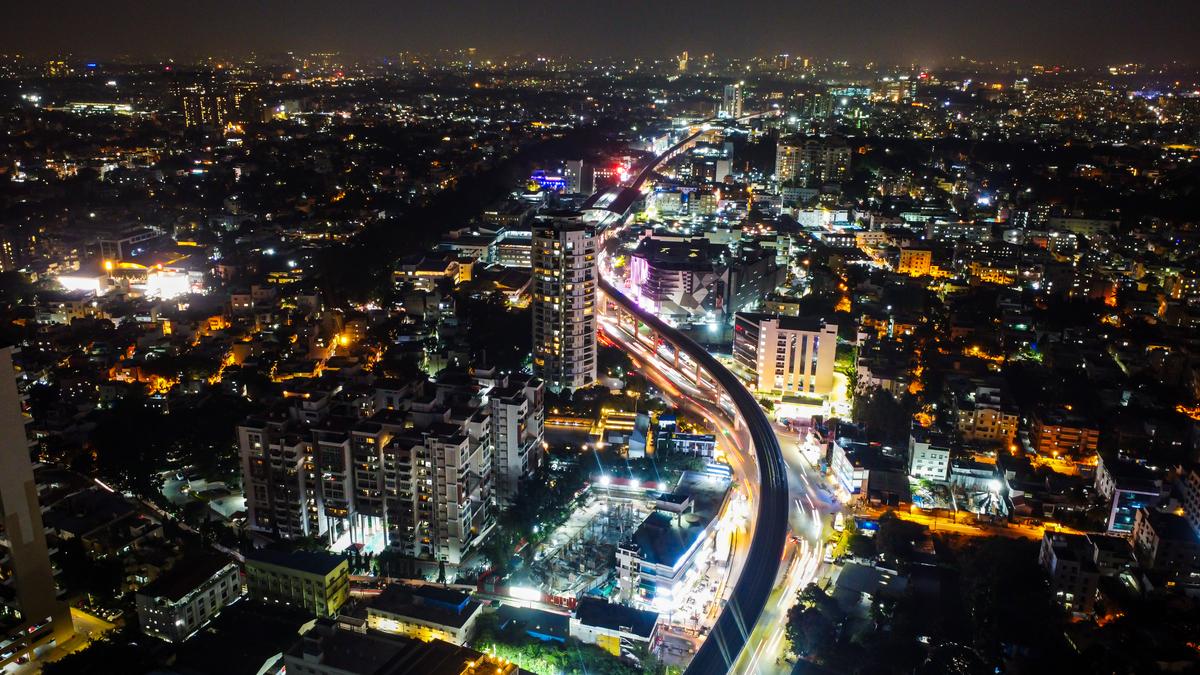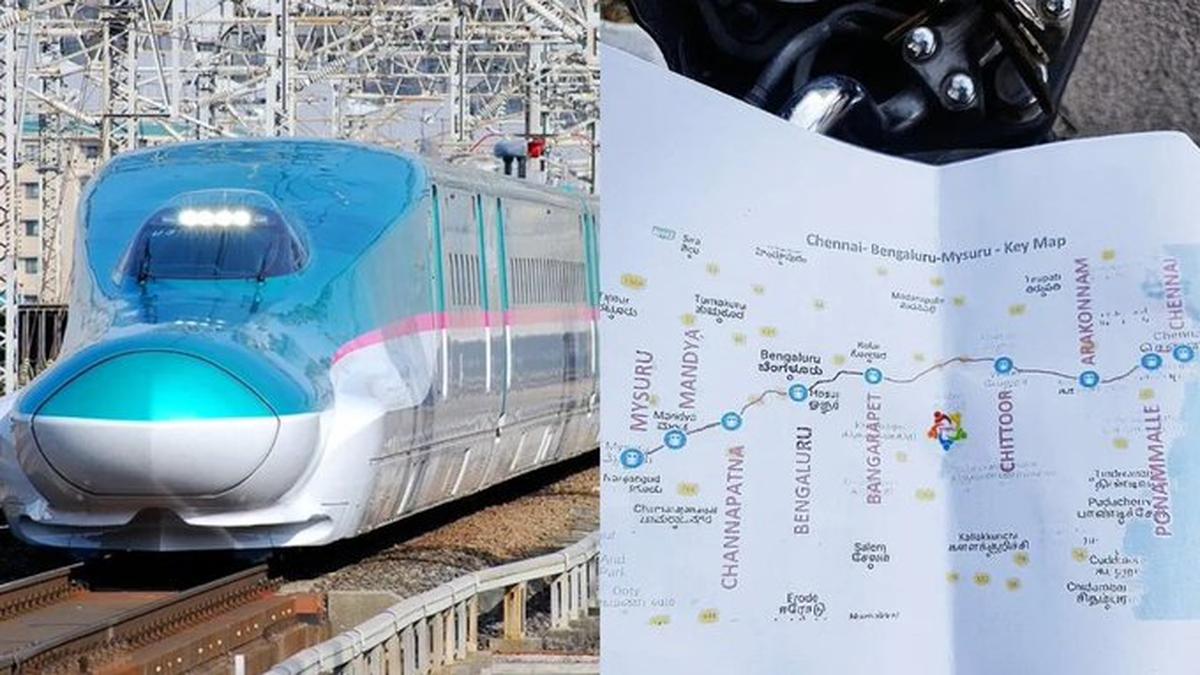
At this very moment, something quiet but powerful is changing Chennai. It’s not just more buildings in the city; it’s a planned change to how people live, work, and move around. Infrastructure used to be less important, but now it’s the main thing that makes people want to buy homes.Finding the perfect commercial property in a market that changes quickly is the biggest problem for businesses. Many of them use platforms like Locanto to see available premises, pricing trends, and new hotspots across the city because numerous corridors are emerging at once.This kind of early visibility is becoming essential. In a fast-moving market like Chennai, knowing where to look can be just as important as deciding when to invest.With new metro lines, proposed high-speed rail (HSR) corridors under India’s Union Budget 2026, and transit-focused development, Chennai is becoming one of India’s most modern urban economies. The scale is impressive, with millions of square feet of commercial space planned along key routes.The question is no longer if Chennai’s corridors will become commercial hubs, but which ones will deliver the highest returns fastest. Each corridor is unique for its own reasons. Some are great places for logistics or IT businesses, while others offer higher returns, lower entry costs, or the best connectivity.Below, we break down the seven proposed high-speed rail corridors influencing Chennai’s long-term growth positioning, highlighting their unique strengths—from target industries and development focus to scale and expected ROI—so you can prioritize which ones best fit your investment strategy.1. Chennai–Bengaluru: The Southern Tech SpineLinks two major southern economic and tech hubs.Chennai–Bengaluru is one of the few linkages in India that shows how the economy is becoming more connected. This corridor connects Chennai’s strong manufacturing, automotive, and port-driven economies with Bengaluru’s global leadership in IT services, startups, and new ideas.The fact that these two cities go together so well is what makes this link so vital. Chennai is a powerhouse for production and logistics, whereas Bengaluru is a leader in digital innovation and product creation. They work together to establish a value chain that links physical manufacturing with technical design and services.This strengthens Chennai’s status as a major manufacturing center in South India’s larger tech industry.2. Hyderabad–Chennai: The Industrial–Port Connectivity LinkStrengthens IT, manufacturing, and port connectivity.This corridor strengthens the ties between two rapidly rising southern cities with qualities that compliment each other well. Chennai’s significance in cars, heavy industry, and port logistics is quite similar to Hyderabad’s rapid growth in IT services, pharmaceuticals, and aerospace.This relationship is important because it connects production ecosystems with industries that are based on knowledge. Goods, services, and people may flow more easily between the two cities, making the southern industrial network more connected.Chennai’s port advantage makes it more relevant in this case because it is a hub for both local and international trade.3. Mumbai–Pune: The Financial–Industrial BeltSupports India’s financial capital and industrial belt.When it comes to business, Mumbai and Pune work together very well. The business and financial heart of India is still Mumbai. Pune, on the other hand, has become a major hub for manufacturing, engineering, and education.The corridor makes the link between capital and production stronger. Money decisions, industrial output, and the movement of skilled workers flow freely between the two cities. This eases the burden on Mumbai and lets Pune thrive as a second growth center.This model shows how Indian cities are increasingly working together in pairs rather than as separate hubs at the national level.4. Pune–Hyderabad: The Western–Southern Industrial BridgeEnhances the Western–Southern industrial movement.As a link between two major industrial environments, this corridor is very important. Pune is good at engineering cars, designing factories, and growing industries. Hyderabad, on the other hand, is good at IT services, medicines, and advanced industries.Putting together real manufacturing with digital and service innovation is what makes it valuable from a business point of view. Each industry in these areas is no longer working alone; instead, they are joining together to form networks that share material and new ideas.This kind of specialization between cities is changing how India’s modern economic value chains are put together.5. Hyderabad–Bengaluru: The Innovation Ecosystem ConnectorConnects major IT and startup ecosystems.Hyderabad and Bengaluru work together to make one of India’s strongest tech hubs. Bengaluru is the world leader in IT services and the number of startups. Hyderabad, on the other hand, has quickly become a leader in cloud technology, AI, and life sciences.This route makes it easier for people, money, and new ideas to move between two competitive tech hubs. Not only does this improve connectivity, but it also speeds things up. Ideas move faster, teamwork gets stronger, and scaling gets better.Chennai’s place in this network is still structurally important as the manufacturing and logistics hub that supports this economy, which is driven by innovation.6. Delhi–Varanasi: The Cultural–Economic AxisBoosts cultural, tourism, and economic travel.India’s administrative center and one of the country’s most artistically important cities are linked by this corridor. Delhi stands for government, policy, and coordination across the country. Varanasi, on the other hand, stands for heritage, tourists, and a growing service-based economy.This link is important because it makes it easier for people to get to places where decisions are made and places where businesses are based on culture. It helps the economy of northern India by promoting tourists, regional growth, and better transportation.7. Varanasi–Siliguri: The Eastern Connectivity GatewayImproves access to eastern and northeastern India.This corridor connects eastern India to the northeastern region and the business of the whole country. Connecting Varanasi to Siliguri improves trade routes, tourists, and access to markets in Nepal, Bhutan, and other nearby countries.Its importance goes beyond transportation; it helps bring together different parts of the region and includes people in areas that have not always been connected to India’s big cities.Within this national framework, Chennai stands as a southern counterpart hub, forming part of a wider system of balanced regional connectivity across India.The Bigger Picture: Transit-Oriented Development in ActionTOD stands for Transit-Oriented Development. All of these routes are a part of the same plan. In Phase II of the Chennai Metro, new business zones are being built along with moving people.Recent data shows about 73 lakh square feet of commercial space planned at 37 spots along metro routes. This marks a big change in urban planning. Instead of separate business areas, Chennai is creating connected commercial hubs.This shift is best reflected in the emerging “shop, dine, park” model, where metro stations are designed as integrated hubs combining retail, mobility, and parking infrastructure.With features like multi-level parking and built-in retail zones, these developments are also designed to boost non-fare revenue, ensuring long-term financial sustainability of large-scale projects like the ₹61,843 crore Phase 2 expansion.Some of these are set to finish by 2027, matching Chennai’s long-term growth plans.Why Businesses Are Moving NowIn real estate, timing is everything, and Chennai’s passageways are at a very important turning point. This is why companies are moving right now:• Early-Mover Advantage: Entering before full infrastructure completion allows companies to secure prime locations at competitive rates.• Easier Access: More metro and road extensions are cutting down on travel times, which makes these areas more appealing to workers.• Scalability: New buildings are made to be able to grow with the community, giving people a choice of room options.• Cost Efficiency: Compared to saturated markets, these corridors provide better value for money.Chennai’s Next ChapterChennai isn’t growing by accident anymore; it’s growing on purpose. The city is planning for the future by putting a lot of effort into corridors, better links, and business growth.For businesses, this means real opportunity supported by strong infrastructure. Whether you’re an IT firm, a logistics company, or a retail brand, Chennai’s corridors have something to offer.But, as with any opportunity, this won’t last forever. As projects finish and demand grows, the best spots will be taken quickly.The corridors are ready. The infrastructure is almost complete. The only question is: are businesses ready to take the next step?
7 Chennai Corridors Businesses Are Targeting for Commercial Space This Year
Chennai’s transit corridors are becoming business hotspots. Discover where companies are investing and how commercial property demand is evolving in 2026.
1,342 words~6 min read