This first appeared in Lit Hub’s Craft of Writing newsletter—sign up here.Article continues after advertisement
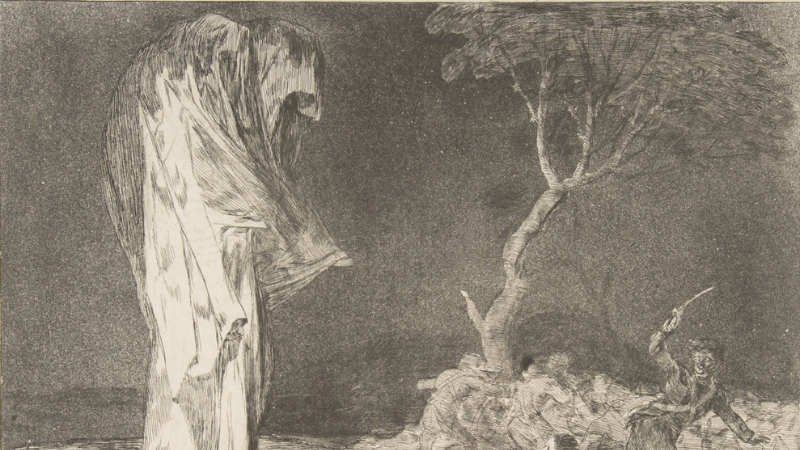
Here are my terrors: First, monsters. Mostly the deep ocean variety, unfathomable, unseeable, likely lurking beneath me as I swim (okay, also in ponds: so murky!). Though the earliest kind I remember fearing was one called The Wendigo, a cannibalistic landbound creature out of Algonquin mythology who I encountered in an X-Men comic when I was maybe eight. I can still hear its howl—Wen-di-go!—bellowed in my big brother’s puberty-cracked voice, when, from his hiding place beneath my bed, he’d wake me into screaming.
I grew, my fears grew nearer to my heart: that I’d be bound to live a life alone, unfit to share it with another; that I might lose the bond my brother and I had always known; later, that I was failing as a father; to this day, that I won’t find a way to be fully present both for the characters I write and for my family. Also: snakes.
Write what scares you. Of all the craft lessons I’ve learned that remains the most important. Though when I first heard it—from my earliest mentor, the playwright Vincent Cardinal—I wasn’t yet mature enough to truly grasp it. Or maybe, at 20, watching my first play featured at a festival, my film school movies garner accolades, already dating the woman I would marry, I was too cocky. A blockage life would relieve me of in a few years. By 23 I’d have written three failed novels. By 24 I’d have abandoned film. By 25 I’d be divorced. A year later, living alone in a remote cabin, re-balancing the weight of a life that suddenly contained one instead of two people, I faced the greatest fear that I’d yet known: that my daily existence could carry no meaning to another being. That bit about a life containing one instead of two became a line in a story I’d write that year. Which became the first novella in a collection. Which would become the first book that I published.