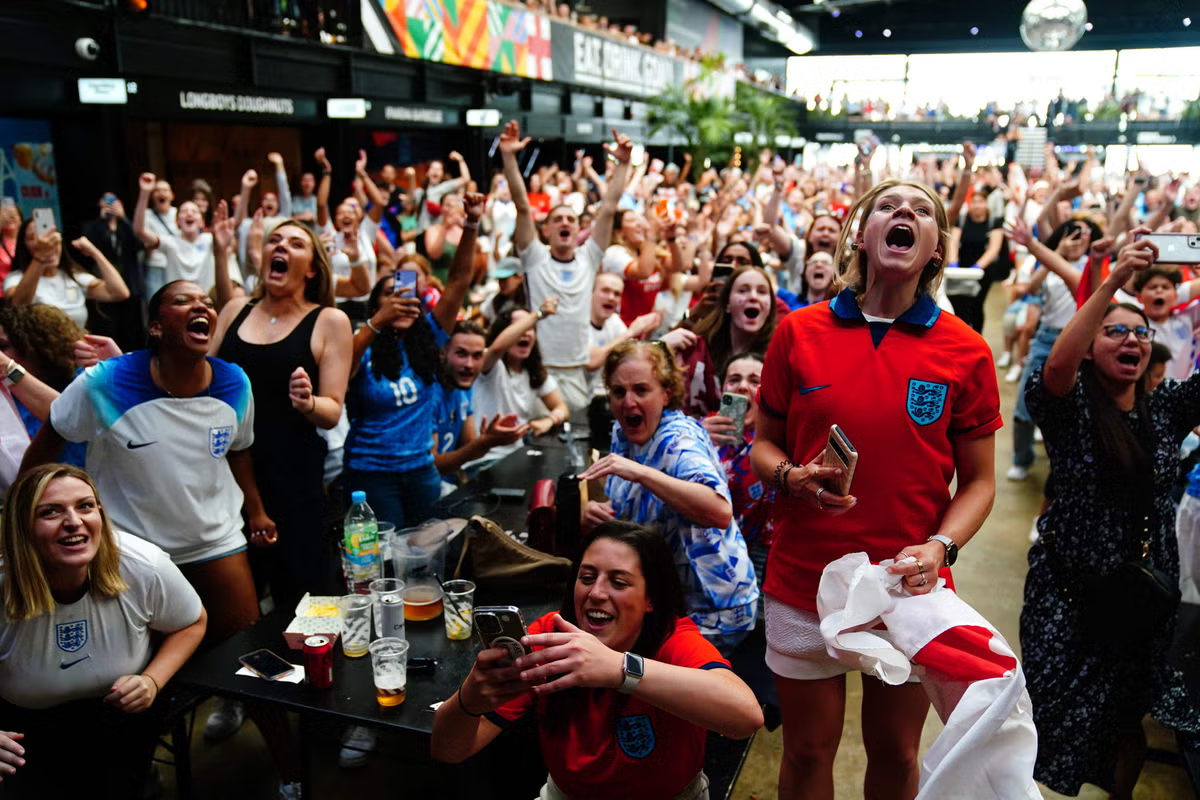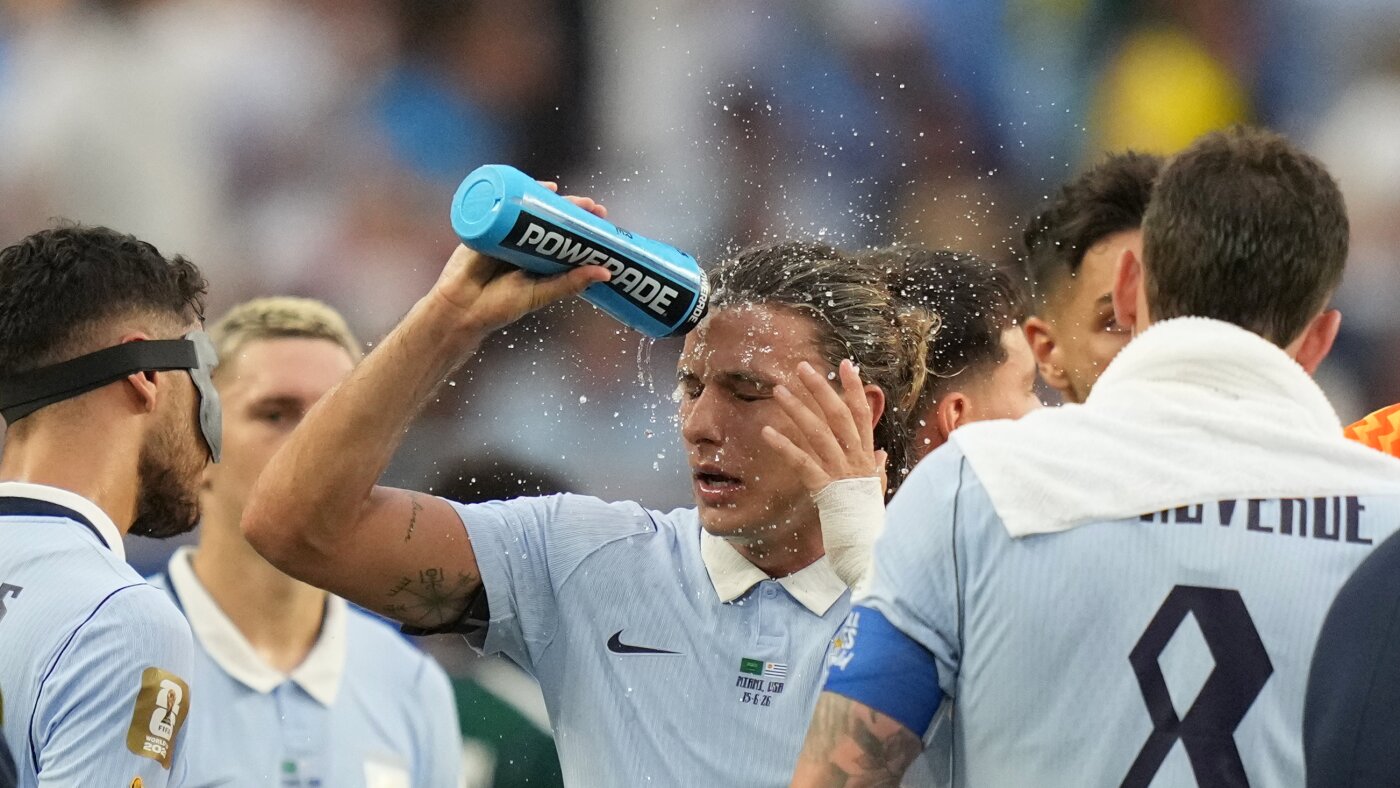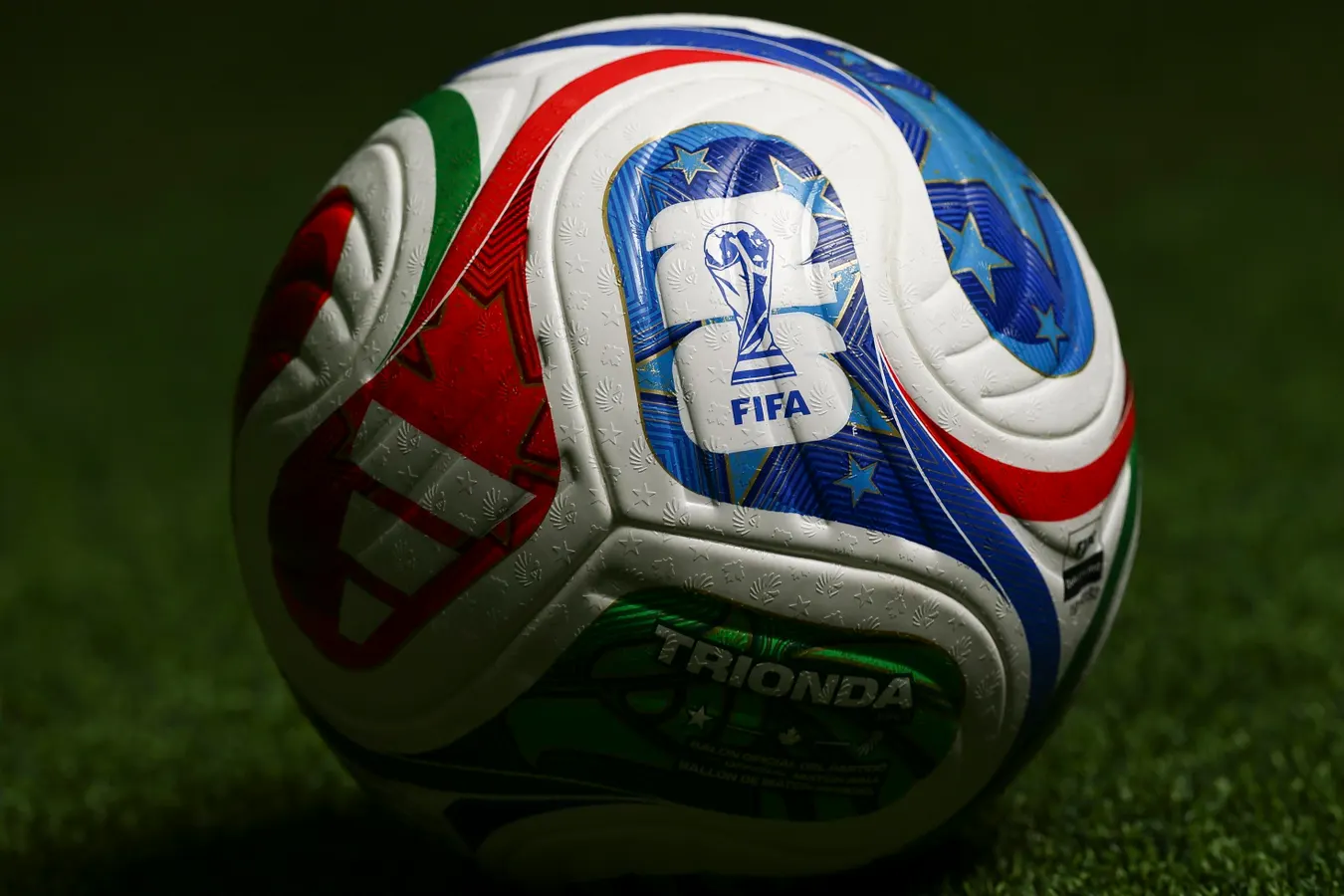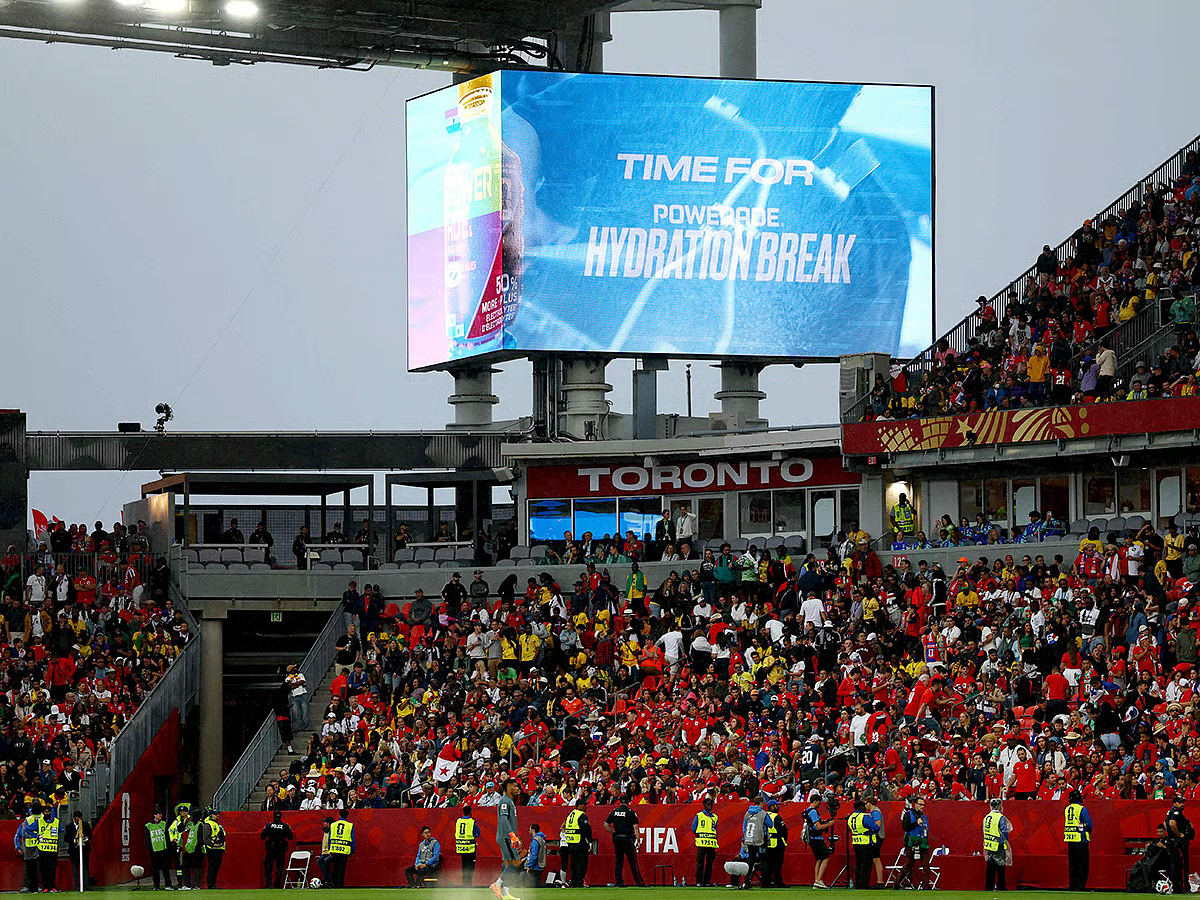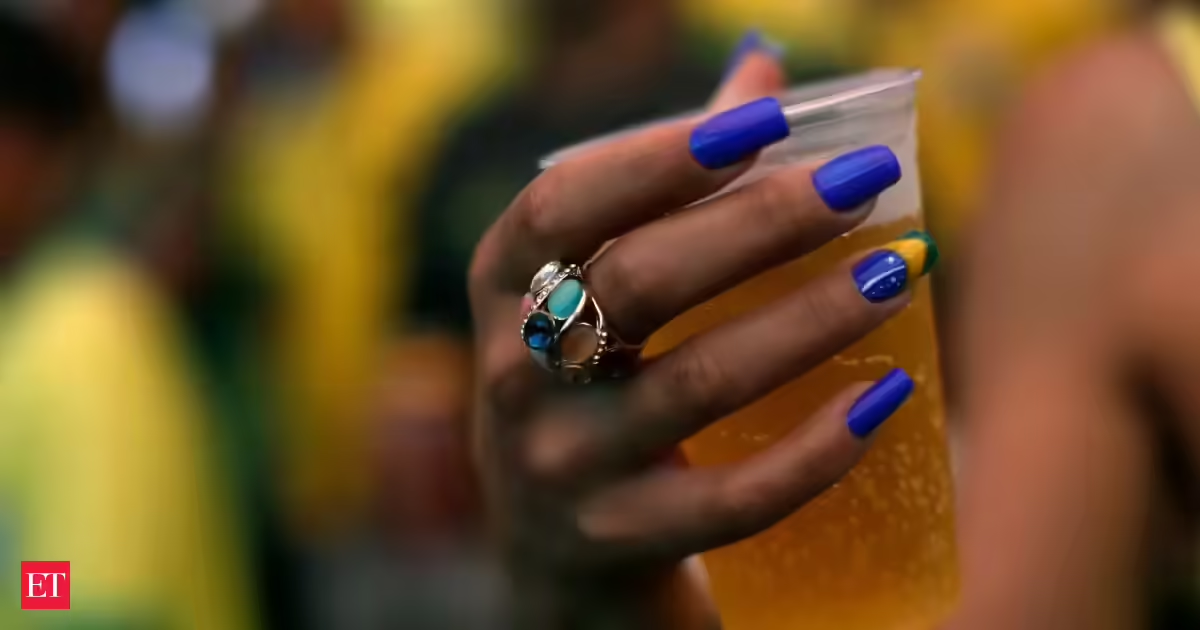
Los Angeles: It was early morning on a recent Saturday and The Greyhound Bar & Grill in Los Angeles was abuzz with soccer fans clapping, hooting and hollering. Their eyes were glued to the TV screens, tables littered with beer pints and pitchers and other boozy libations.Paris Saint-Germain and Arsenal were facing off in the Champions League final, and by 9:20 a.m. - less than a half hour into the game - the patrons inside this crowded bar had already purchased $1,300 in alcohol.Also Read: The FIFA World Cup transit test: Can trains and buses win over North America's car-loving fans?"It's just a better vibe when you're a little buzzed," said Madeline Guillen, 28, who was drinking a mimosa with friends. "That's a big thing about sports. I think sports and drinking go hand-in-hand."Drinking alcohol while watching sports is common in many countries, and millions of soccer fans will be doing so this summer during the FIFA World Cup games in Mexico, Canada and the United States. But imbibing boozy drinks during what could be a sizzling June and July has some experts worried. They say mixing alcohol with extreme heat poses extra risks, especially people drinking excessively who may not be hydrating enough, staying cool, or have underlying health conditions.Here's what to know about the science of extreme heat and drinking alcohol, plus tips from experts if you're going to be drinking while watching soccer on a hot summer's day.When summer, sports and booze collideClimate change, caused by burning coal, oil and gas, is making heat deadlier worldwide, especially in the summer, and that's raising worries about soccer players and fans suffering heat stress during the games. Heat also influences how people drink alcohol and whether they end up in the hospital.Various studies from around the world show that drinking alcohol peaks in the summer, and that people living in hotter climates are more likely to binge drink, according to a study from Mexico.Also Read: FIFA bans reusable water bottles at 2026 World Cup stadiums over safety concernsThere is also sometimes a "hedonic effect" where people drink to ease the discomfort of feeling hot, said Nathan Morris, assistant professor in thermoregulation at the University of Colorado, Colorado Springs. "We drink alcohol, we feel good, and so it masks that normal drive to do something to cool yourself down," which can lead to heat stress."Maybe we stay out in the heat longer. Maybe we drink less cold water. Maybe we're less likely to use a fan or seek an air conditioned space," he added. "I think that might be where we're seeing more of the strain on the body."International research has also established links between heavy drinking and sports spectators. One paper from Australia found that participants self-reported consuming an average of five drinks in just over two hours while watching Australian football games. In a 2023 study, researchers found that higher temperatures resulted in more alcohol-related hospital visits in New York state.Heat and alcohol, a riskier mixHeat exhaustion happens when your body loses too much water and salt from excessive sweating. When the body can no longer cool itself, heat stroke occurs, which can cause confusion, loss of consciousness and even death. Heat combined with humidity - the kind of weather in host cities like Miami, Houston and Monterrey, Mexico - makes it harder for sweat to evaporate to cool the body.Alcohol primarily affects the central nervous system - your body's master processing center responsible for your thoughts, feelings and movements. It can cause headaches, vomiting, dizziness, a loss of coordination and balance. It also makes you pee more.When you combine fluid loss from sweating on a hot day with increased urination from drinking alcohol, it can lead to dehydration, which can make you feel the effects of drinking faster, according to the National Institute on Alcohol Abuse and Alcoholism. Additionally, studies show drinking on a hot day makes it less likely you'll wear sunscreen, and that alcohol reduces the amount of heat exposure needed to get sunburnt."If you put together hot weather, summer, crowd, during the World Cup, people are sweating more, so they're losing liquids from their body," said Dr. Lorenzo Leggio, physician and scientist with the National Institutes of Health. "On top of that, you drink excessive amount of alcohol that is leading you to more urination."Fabiano Amorim, associate professor at the University of New Mexico, has studied the effects of alcohol in hot environments among construction workers. He and other researchers found that if workers drank the night before, health markers including blood pressure, core and skin temperatures and heart rate were elevated, and their urine and sweat production were lower at work the next day."Alcohol on the previous night effects your ability to deal with heat and stresses your kidneys ... putting you in a higher risk of heat-related illness," he said. Although World Cup fans won't be physically exerting themselves like construction workers, their findings still apply, Amorim said. Spectators could be in crowded places with limited air flow or exposed to the sun for hours."People are going to accumulate days of drinking," he said. "They want to have fun, they come from one game to the other, they watch games, etc. It means there is a cumulative effect from one day to the other."The best way to mitigate risks is to not drink at all, said Leggio. But if you're going to, eat a meal before, drink plenty of water, pick drinks with low concentrations of alcohol, and imbibe in moderation.
As World Cup heats up, experts warn fans about mixing alcohol and extreme temperatures
Soccer fans will be drinking alcohol during the FIFA World Cup games. Experts warn that mixing alcohol with extreme heat carries risks. Excessive drinking combined with heat can lead to dehydration and heat-related illnesses. Staying hydrated and drinking in moderation are advised for fans enjoying the games in hot weather.
919 words~4 min read