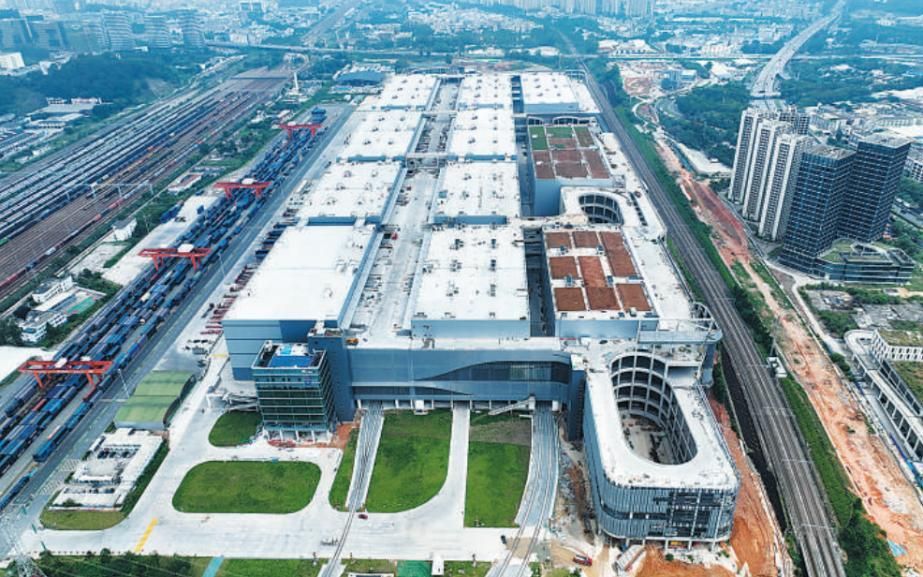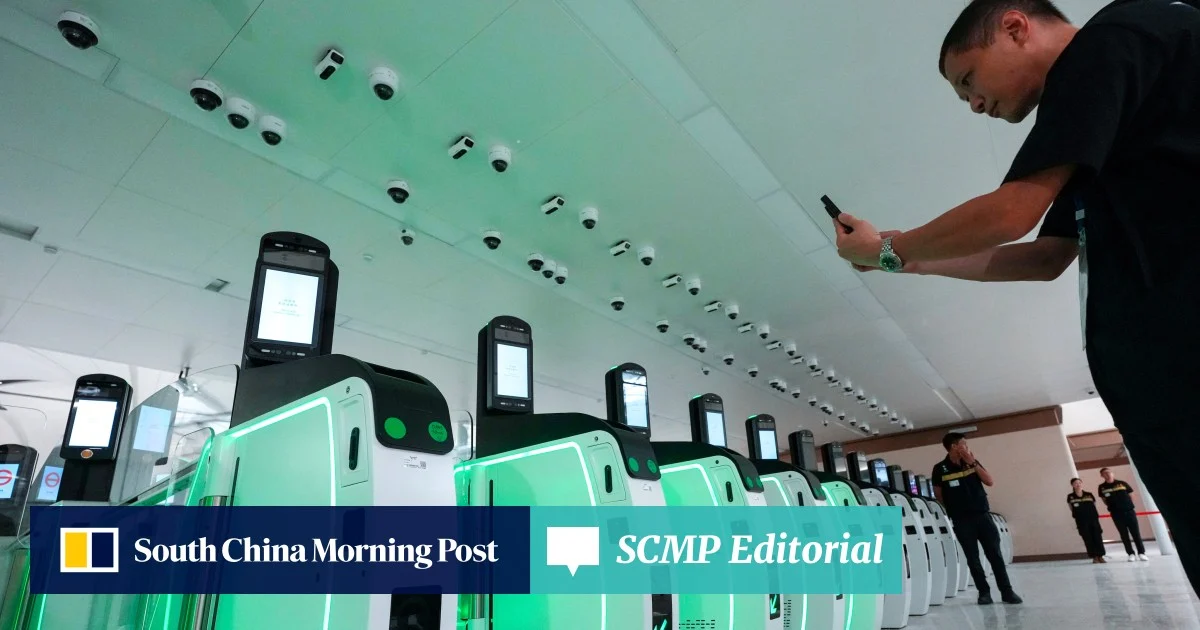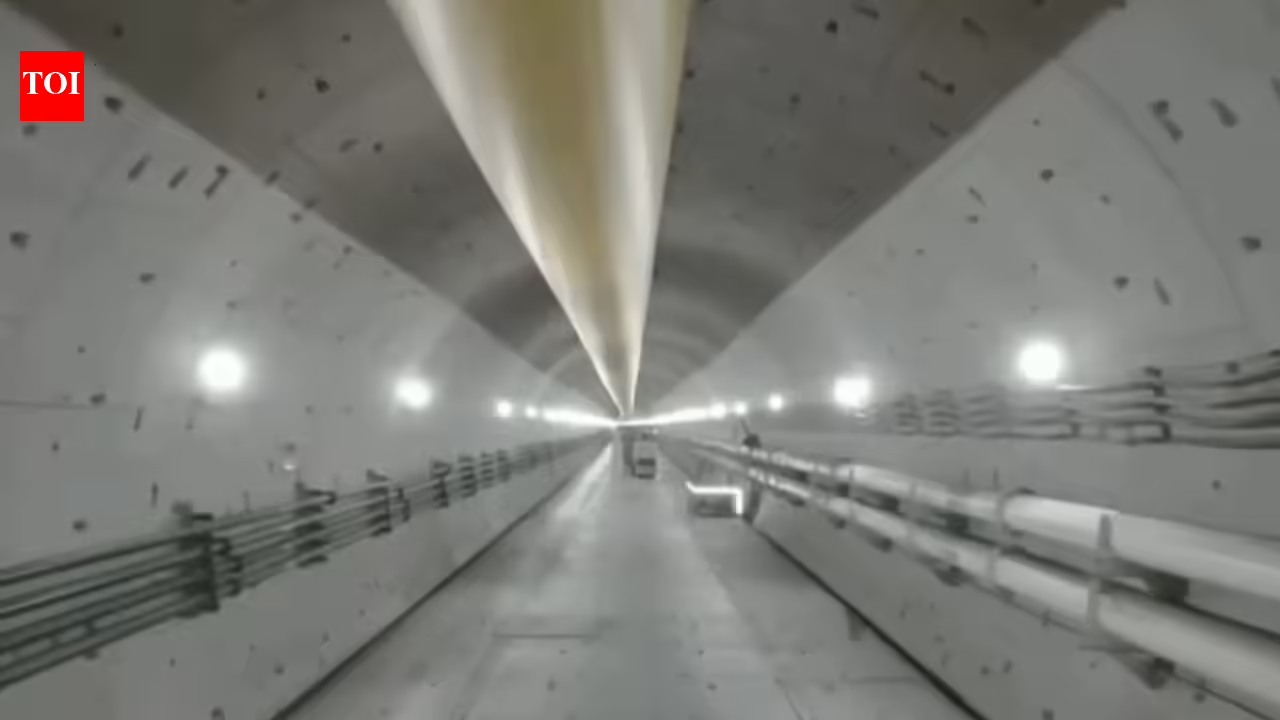
As Shenzhen prepares to break ground on a new high-speed railway station later this month, some residents of the southern Chinese tech hub worry it may not be big enough.The 13.2 billion yuan (US$1.9 billion) Xili Station in the city’s downtown Nanshan district, set to be inaugurated in 2028, is not another of the mammoth projects that were common during the heyday of China’s infrastructure buildout.But the futuristic integrated transport hub will help make trips to other cities in the Greater Bay Area development zone – and beyond – easier and more seamless.As policymakers reflect on fundamental shifts in China’s all-out construction model, observers have praised Shenzhen’s “prudent” planning and emphasised the station’s significance for regional integration benefiting Hong Kong.Though the planned station – with 25 tracks and 13 platforms – would be the city’s largest after opening, it is smaller than similar rail hubs built in other major cities in the recent past.For instance, the 15-year-old Xian North Station in northwestern China’s Shaanxi province has 34 tracks and 18 platforms, while Guangzhou South Station, which opened in 2010, has 28 tracks and 15 platforms, with space reserved for further expansion.
‘Smaller but smart’ Shenzhen station to redraw China’s infrastructure blueprint
Tech hub’s biggest station will make regional travel easier, but some Shenzhen residents worry it is too small relative to other rail hubs.
191 words~1 min read