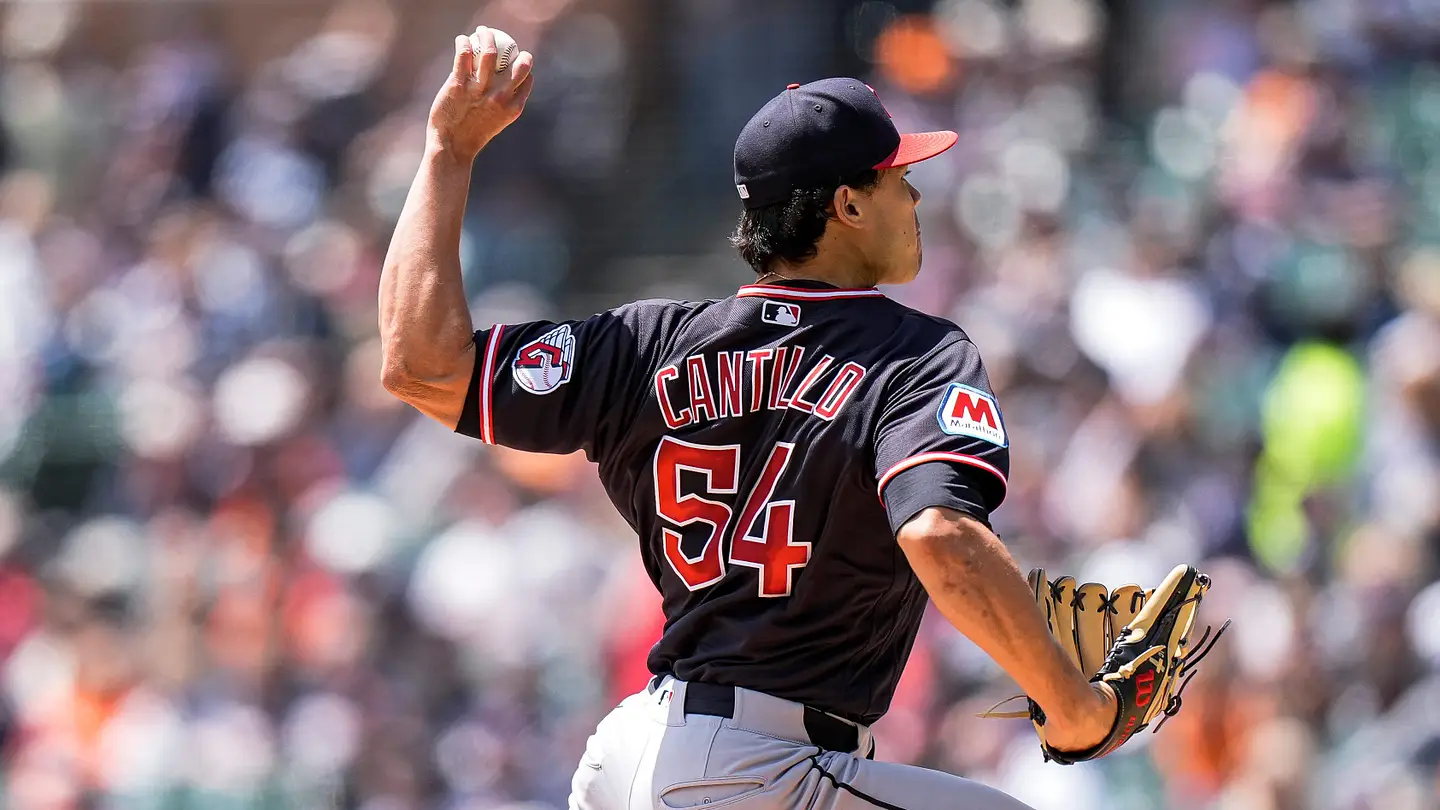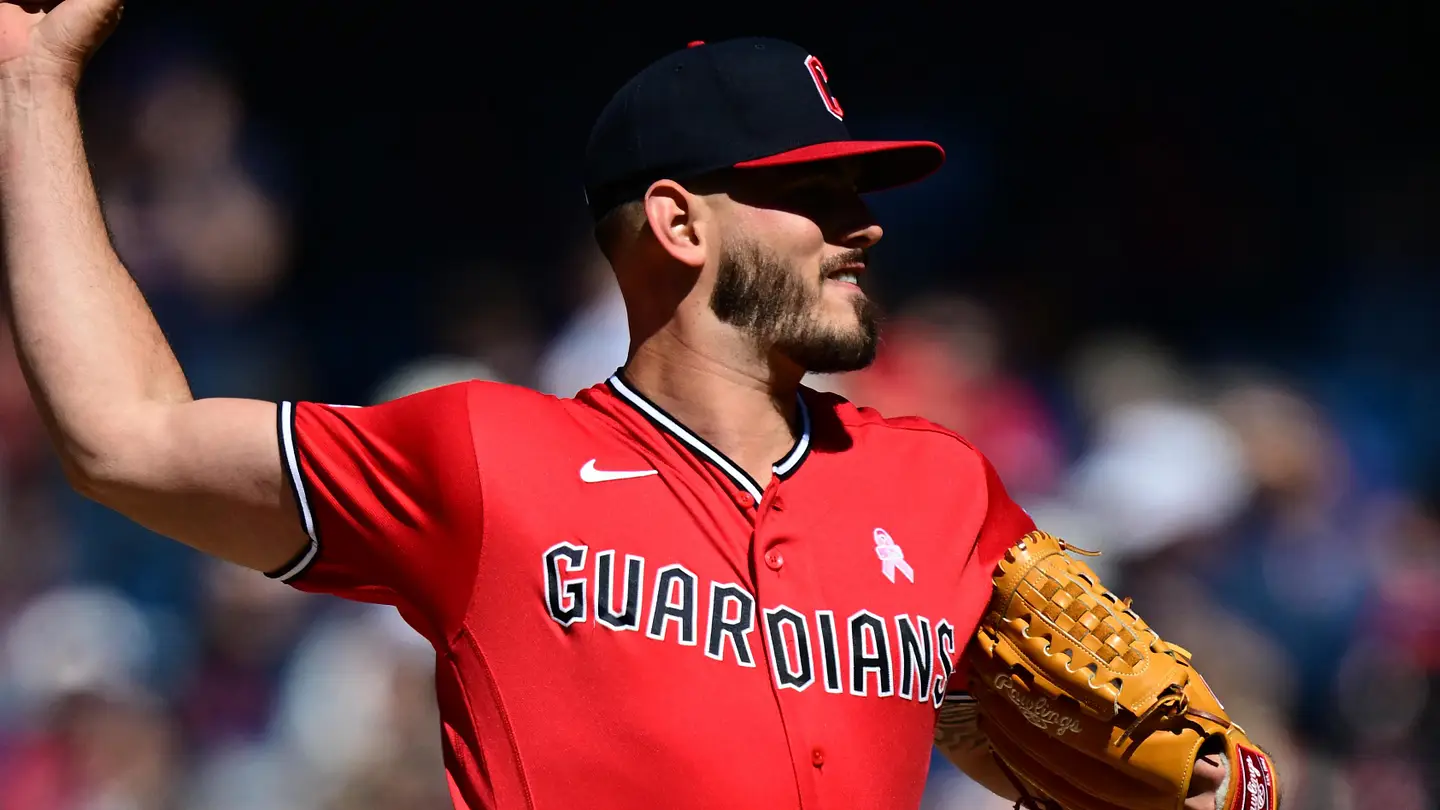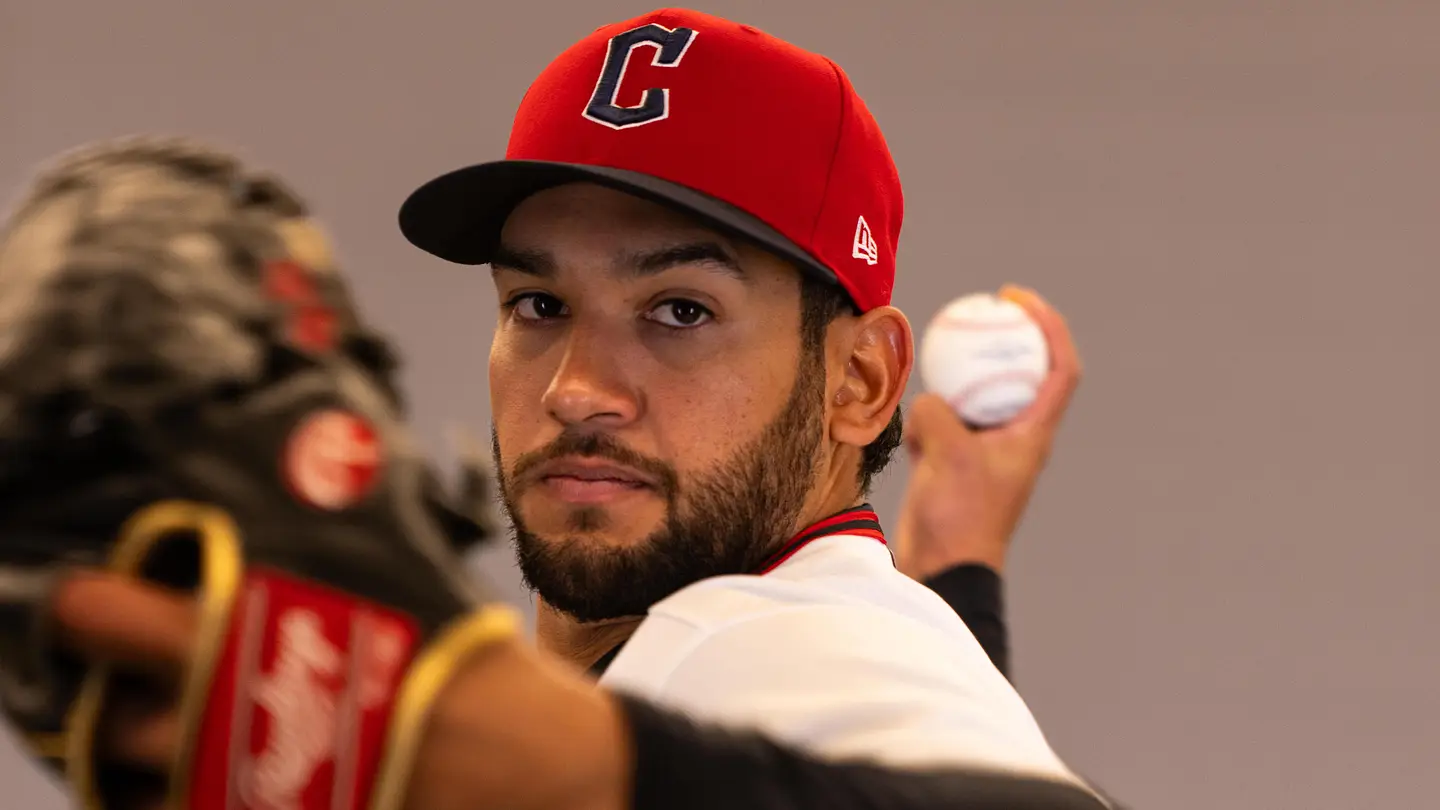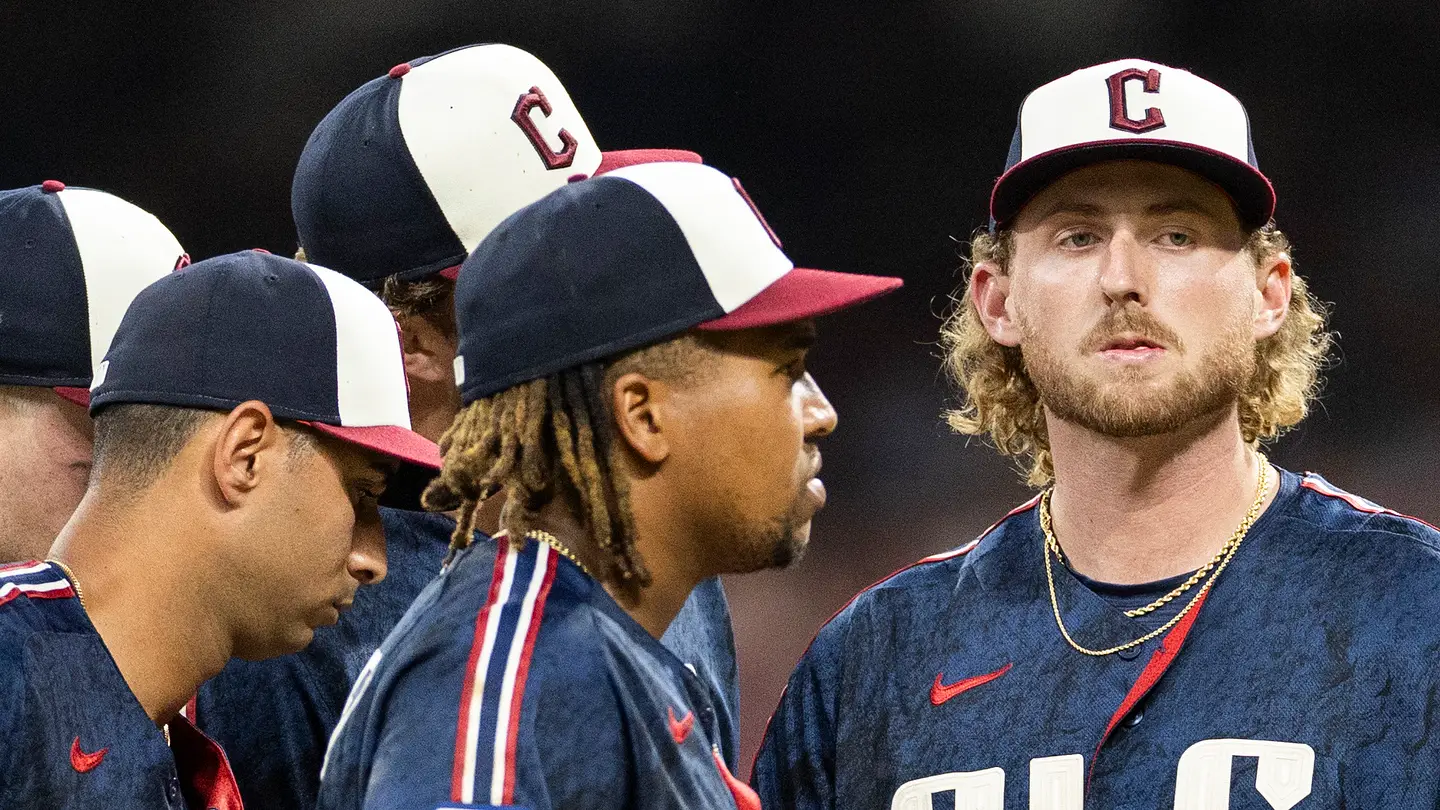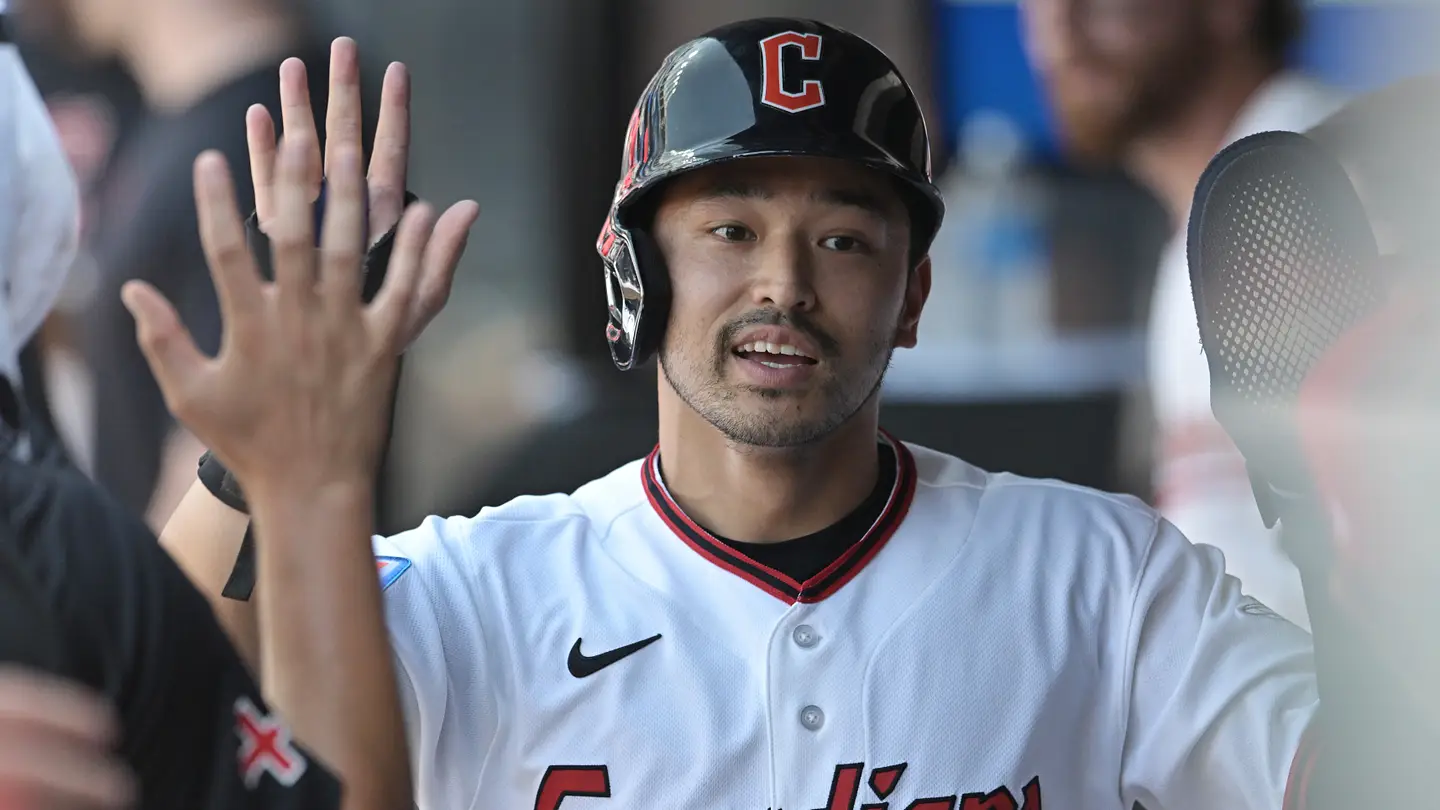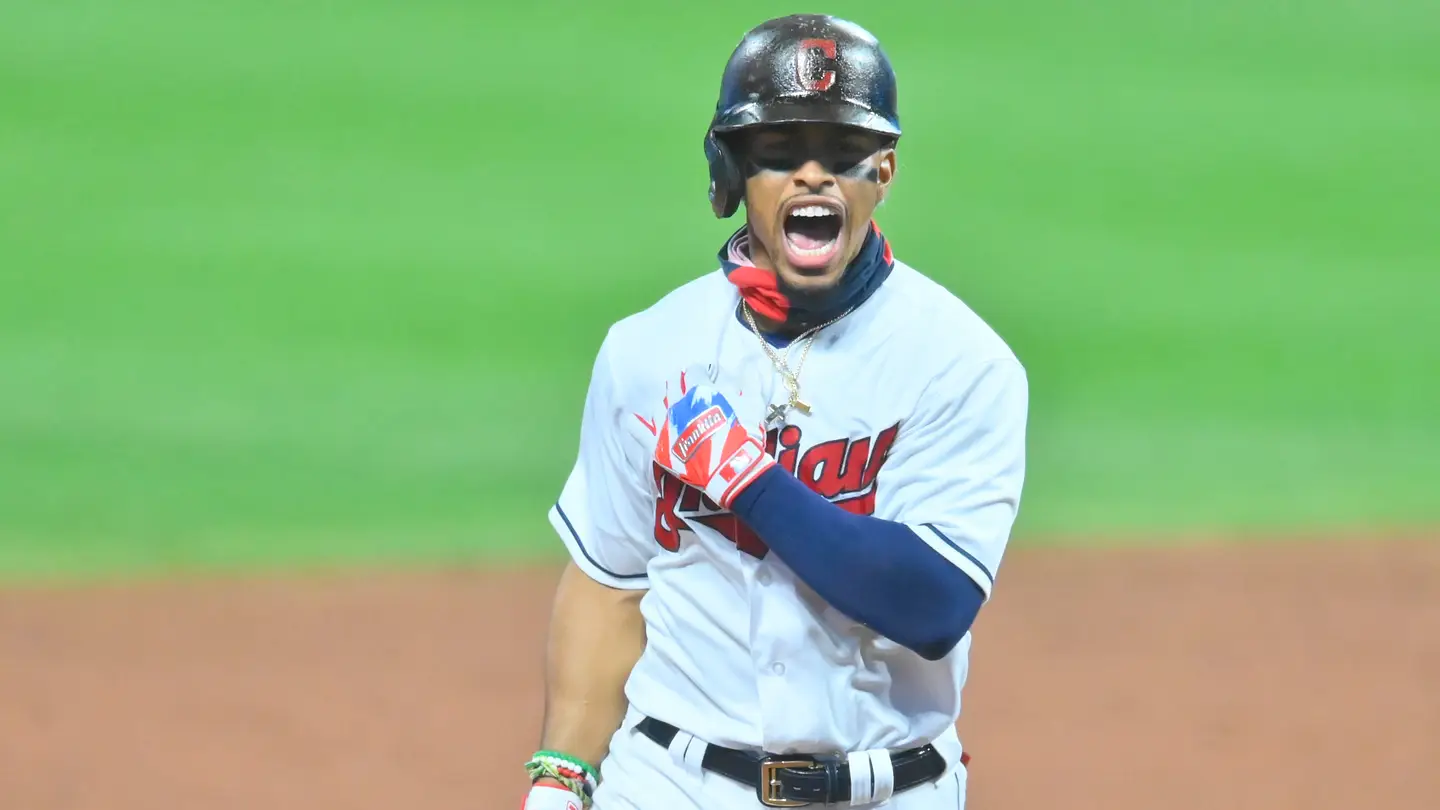
NEW YORK — The day Cleveland traded for super-reliever Andrew Miller in July 2016, second baseman Jason Kipnis raised a pertinent question: “When’s the other team going to score?” Closer Cody Allen remembers walking into the ballpark that Sunday morning and thinking, “No one is going to beat us.”A trade deadline acquisition can stir up a big-league clubhouse and a fan base. Miller returned to Progressive Field as part of the club’s 2016 reunion three weeks ago. He reminisced about the team’s run to the World Series, and his teammates reflected on his utter dominance during that journey.Ubaldo Jiménez visited Progressive Field last weekend as an alumni ambassador. Cleveland was clinging to contention status when the club swung a deal for the top starting pitcher on the market in July 2011. That team didn’t become a legitimate contender until 2013, when Jiménez helped fuel a late-season surge to a wild-card berth, but the front office found it prudent to strike early.“To see that they also believe in the group down there, that carries a lot of weight,” Corey Kluber said. “Those trades don’t always work out, obviously, but it can instill an extra jolt in the clubhouse, just knowing that they also think you guys are really good and they’re doing everything in their power to supplement the team we already have in place.”One front office member this week described those Jiménez and Miller acquisitions as equal parts energizing and excruciating. Will the Guardians get uncomfortable and swing big again this summer? They’re certainly positioned to make a splash.There are less than two months until the Aug. 3 deadline, and plenty can and will change before then as the trade market gains clarity.Cleveland sits atop an uninspiring AL Central. The Tigers and Royals are practically begging them to run away with a third straight division crown. The second-place White Sox, who lost 324 games the last three seasons (and are much better this year), might be the Guardians’ stiffest competition.Stephen Vogt’s bunch rolled into the Bronx this week and conquered Cam Schlittler and Gerrit Cole to take two of three from the Yankees.“We can compete against any team in this league,” said Slade Cecconi, who offered a strong start in the series finale. “That’s what it says. We have a lot of really high-quality young players who are just getting better and better and learning and growing in this game.“That’s dangerous.”The Guardians’ needsThis is a more formidable lineup than the one the Guardians deployed last season. They entered Thursday ranked fourth in the league in walk rate, fifth in strikeout rate and fourth in stolen bases. They still rank 21st in OPS, though. There’s room to improve.They could probably fit another outfielder into the mix, but they have plenty of candidates at Triple-A Columbus who are waiting for a chance. George Valera, CJ Kayfus and Kahlil Watson are all biding their time, and it’s worth noting that first baseman Ralphy Velazquez and catcher Cooper Ingle, two of the organization’s top hitting prospects, are seeing time in left field to increase their potential pathways to the big leagues.Of course, one way to ease a logjam is to trade from surplus.On the pitching side, the Guardians are short on big league-ready starting pitching beyond the five on their active roster. If they suffer an injury, a starter could shoot to the top of their priority list. But what level of starter? As one evaluator pointed out, there’s a significant difference in acquiring a pitcher who can chew up innings to help a team get to the postseason, versus a pitcher the team is itching to hand the ball to in October.There’s always use for another high-leverage reliever, which can also help to mitigate rotation concerns. There’s no better example of that than Miller.The Guardians will conduct more trials over the next two months to determine their ultimate needs. Can Angel Martínez capitalize on every day at-bats? Is there an opportunity available for Ingle or Valera? Can the rotation stay healthy? Can Franco Aleman carve out a bullpen role?How aggressive should they be?The Guardians sport one of the top records in a wide-open AL and boast a young roster and stocked farm system. That’s a perfect storm. Their payroll is as low as it gets, so money should not prevent them from acquiring the right player(s), especially considering the eventual ownership transition that could materialize as soon as next season.They have a bunch of prospects in the upper levels who are either blocked or part of a crowd. For example, The Athletic’s Keith Law recently ranked shortstop Angel Genao the No. 12 prospect in the league, but Brayan Rocchio and Travis Bazzana could occupy the middle infield in Cleveland for years to come.The weekend of the 2016 reunion, Terry Francona, now the Cincinnati Reds’ manager, noted how the package the team coughed up for Miller didn’t wind up hurting the club. First-round picks Clint Frazier and Justus Sheffield, the primary pieces in the deal, never fulfilled their big-league promise.The Jiménez trade worked out similarly. It pained Cleveland to trade a pair of first-rounders in Alex White and Drew Pomeranz, but neither made the team regret the deal. That’s not to say the Guardians’ front office has avoided transactional defeats. Junior Caminero haunts them, in fact. An MLB.com offseason poll revealed the Guardians as the team that hoards prospects the most, and when pressed about it, Cleveland’s front office embraced that distinction, insisting it’s how the franchise must operate.This is the spot to get aggressive, though, a time when a trade doesn’t have to decimate the farm system. Cleveland’s front office operated this way in acquiring Jiménez in 2011 and Miller (and almost Jonathan Lucroy) in 2016. They swung a deal for Jay Bruce in 2017 when Michael Brantley suffered an early-August injury. They dealt for Josh Donaldson at the waiver deadline in 2018 after flirting with the idea of Bryce Harper a month earlier (though they never had the inclination that Nationals ownership would sign off on moving Harper, which proved to be the case).In 2024, the Guardians traded for Alex Cobb, who struggled to stay healthy, and Lane Thomas, who delivered a grand slam that vaulted the Guardians to the ALCS. (Orioles manager Craig Albernaz, then Cleveland’s bench coach, light-heartedly thanked Thomas for the new batting cage setup at his house, because of the increase in playoff shares from advancing another round.)There are a few complicating factors. For one, there’s that darn collective bargaining agreement that’s set to expire this winter. The Guardians ran into this a bit last summer when they surveyed the trade markets for Emmanuel Clase and Steven Kwan. Will teams get a full season’s worth of production from players in 2027, or will a work stoppage wipe out part of the schedule? Should buyers have to pay full price? Will sellers offer a discount? The Guardians typically prefer to target players with multiple years of control, but that might be trickier this summer.It could take some time for the trade landscape to take shape, too. There are a slew of teams that were expected to be contenders (Mets, Tigers, Red Sox, Giants) that might want to delay their decision before reluctantly selling.The Guardians, provided they continue to play well, shouldn’t be a mystery. They’ve been aggressive all season. They placed Chase DeLauter on the Opening Day roster. They promoted Bazzana to the big leagues in April. They dismissed Bo Naylor and traded for Patrick Bailey in early May.Those are the sorts of moves that can energize a clubhouse. The players think they’re for real. Will the front office feel the same way?“I don’t think anyone in that clubhouse,” said veteran Rhys Hoskins, “is surprised about where we’re at.”
The first-place Guardians, with 2016 blueprint, could be poised to make noise this summer
The players think they're for real. Will the Cleveland front office feel the same way ahead of the MLB trade deadline?
1,290 words~6 min read