Last July, Antalya on the Turkish Riviera broke records when temperatures crept above a scorching 46°C. Home to more than 2.6 million people – and millions more tourists each summer – the Mediterranean city was long accustomed to heat.
But something had shifted.
“In recent years the heat has changed in character: heatwaves that are longer, more intense and more frequent, straining our residents, our outdoor workers, our health services and the millions of visitors we host each year,” says Melike Kireçcibaşı, Head of Antalya’s Climate Change and Zero Waste Department.
Antalya is not alone. Extreme heat is now the deadliest climate hazard on Earth, killing nearly half a million people every year.
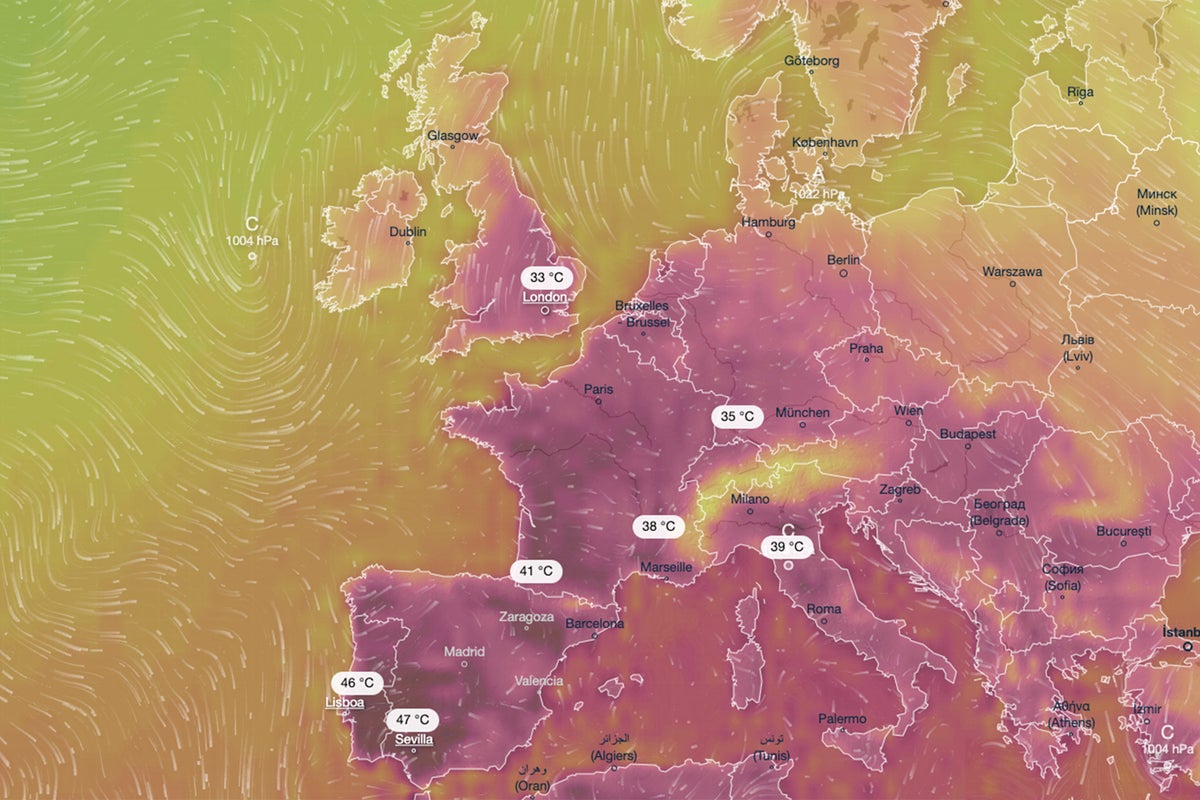
Europe’s May heatwave – which saw temperatures in France run 10 to 15 degrees above normal, breaking all-time spring records and causing deaths across the continent – was described by UN climate chief Simon Stiell as a “brutal reminder of the spiralling impacts of the climate crisis”.