Around 500,000 kilometres of oil and gas pipelines worldwide need to be renovated, rebuilt or upgraded, while leaks, ruptures and incidents already cost the sector more than $7 billion (€6bn) a year — and roughly 40% of failures go undetected in the first 24 hours, according to industry experts speaking at the Baku Energy Forum.
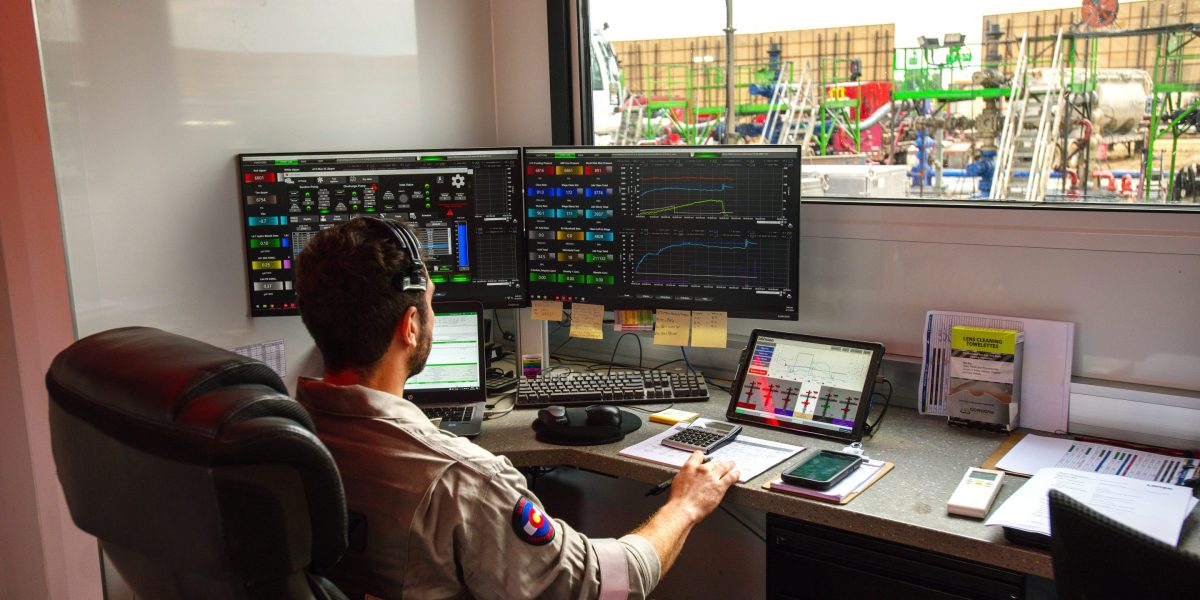
The scale of the problem is driving rapid adoption of sensors, machine-learning and real-time monitoring systems designed to shift pipeline management from responding to failures to anticipating them.
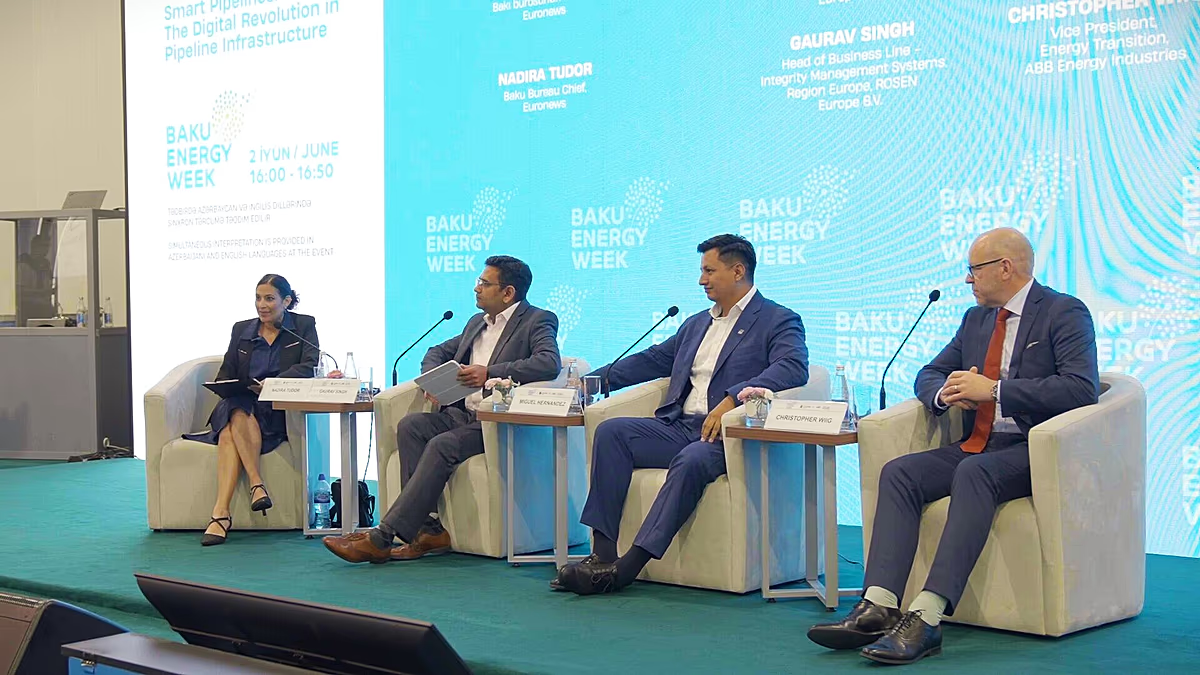
At the Euronews-led panel, experts described this shift as one of the most significant technological transformations facing the energy sector.
They insist that modern, smart pipelines can provide real-time awareness, predictive maintenance, leak detection, and operational optimisation, creating what industry leaders describe as an intelligent infrastructure ecosystem.
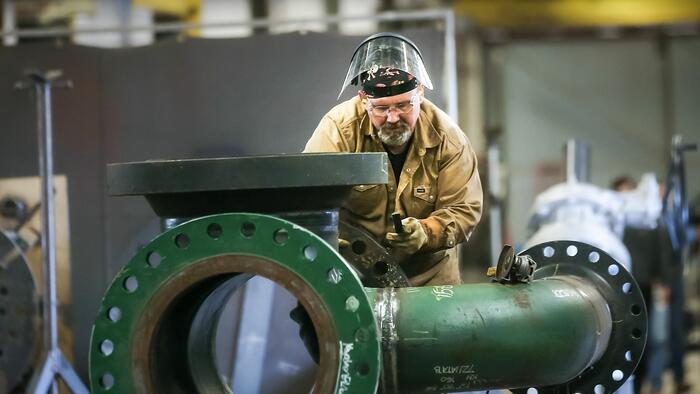
However, speakers at the forum also warned that the industry faces a deeper challenge alongside the ageing infrastructure: the people who know how to manage it are leaving.