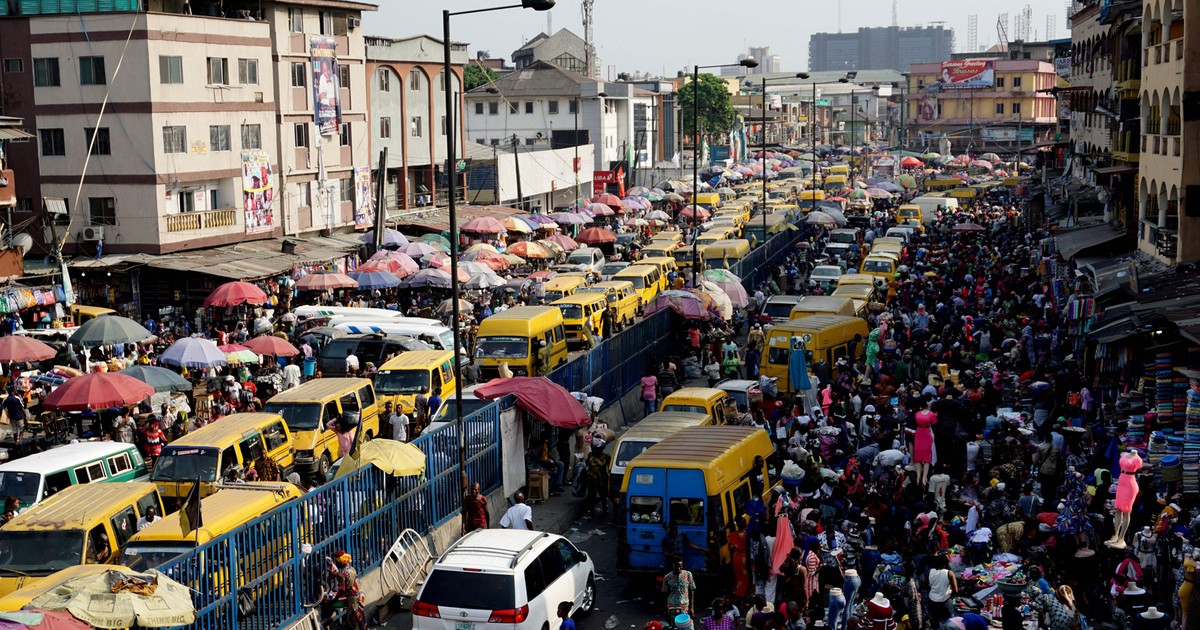
More than half of Nigeria’s economy continues to operate outside the formal system despite years of reforms aimed at expanding the tax net, according to a new report by Moody’s Ratings.
The agency estimates that Nigeria’s informal economy accounts for close to 55% of official GDP, making it one of the largest informal sectors in Sub-Saharan Africa and among the weakest performers in the region.
The finding highlights a persistent challenge for Africa’s largest economy at a time when the government is seeking to boost non-oil revenue, improve tax compliance and reduce its dependence on borrowing.
While Nigeria has pursued various reforms over the past decade, including digital tax administration, financial inclusion initiatives, cashless payment policies and efforts to broaden taxpayer registration, a substantial share of economic activity remains outside official oversight.
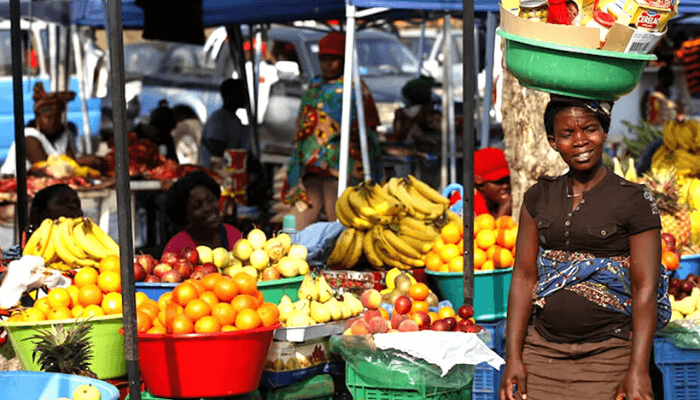
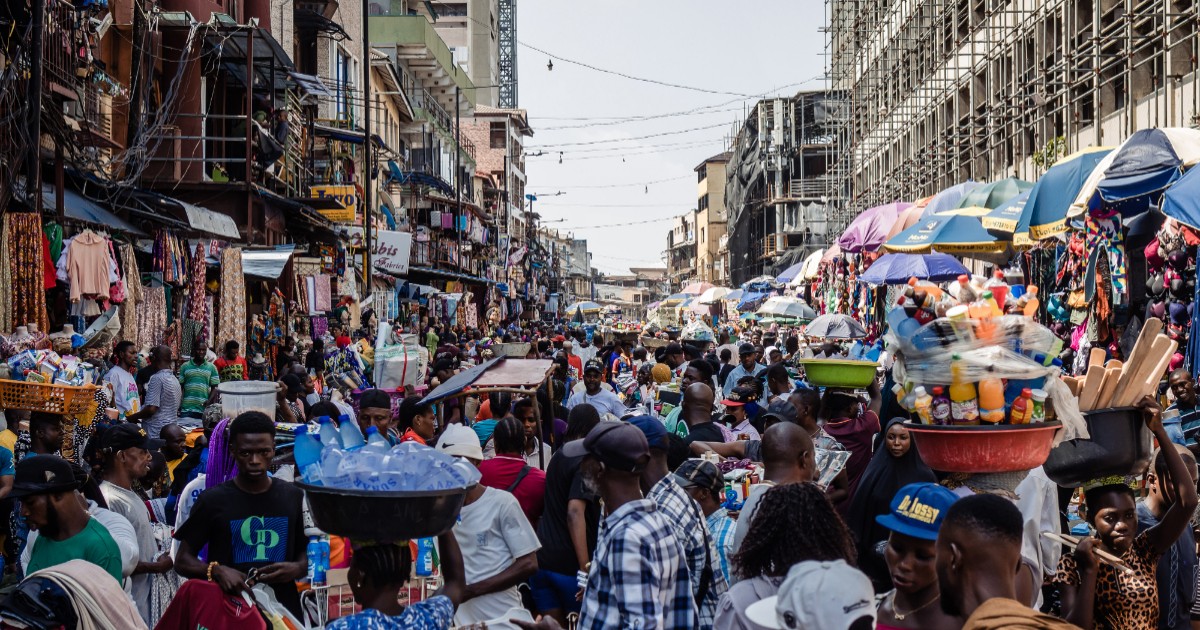
According to Moody’s, informality is particularly prevalent across sectors such as agriculture, retail trade, transportation, construction, and small-scale services, where millions of Nigerians earn a living outside formal employment arrangements.