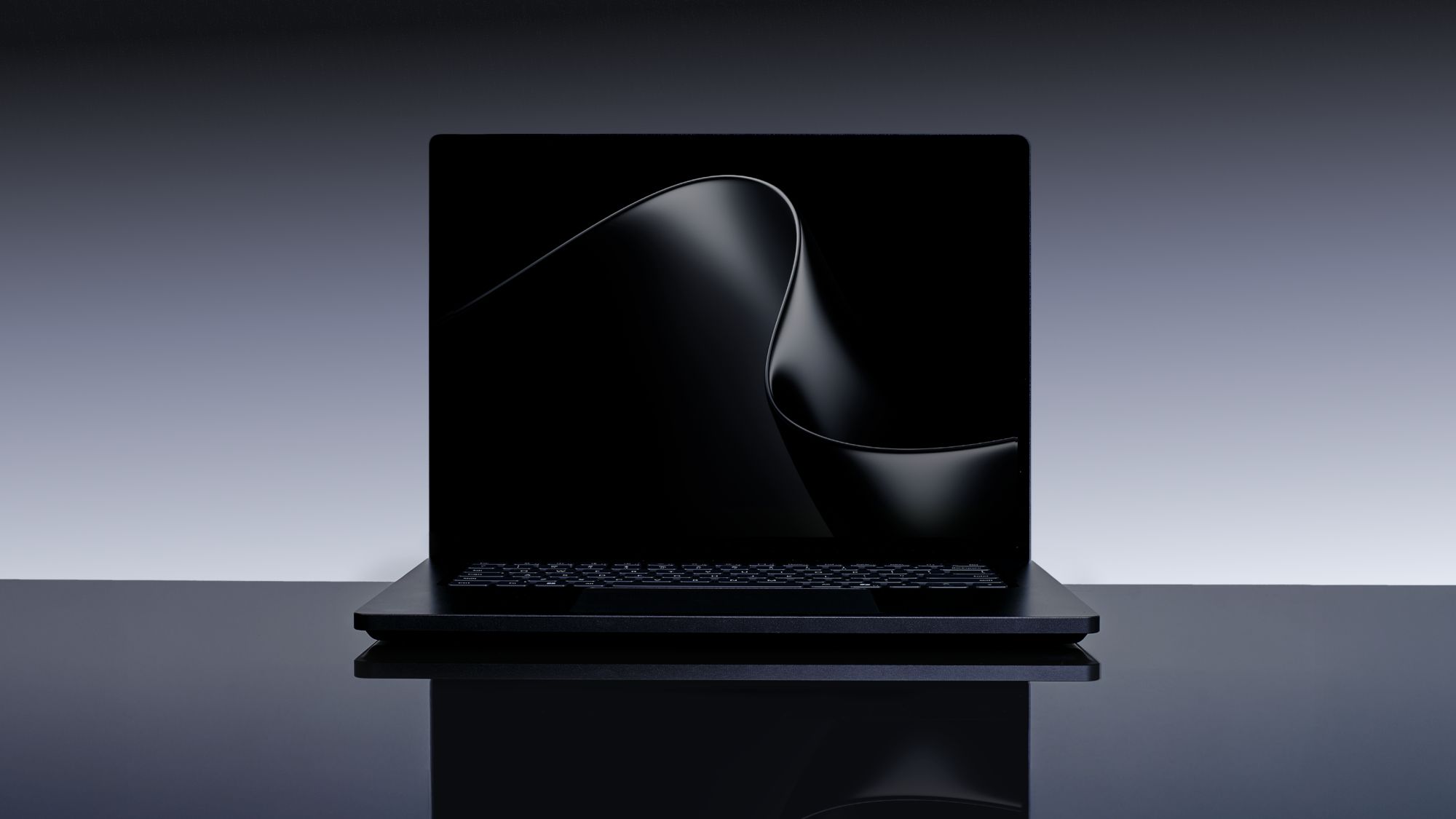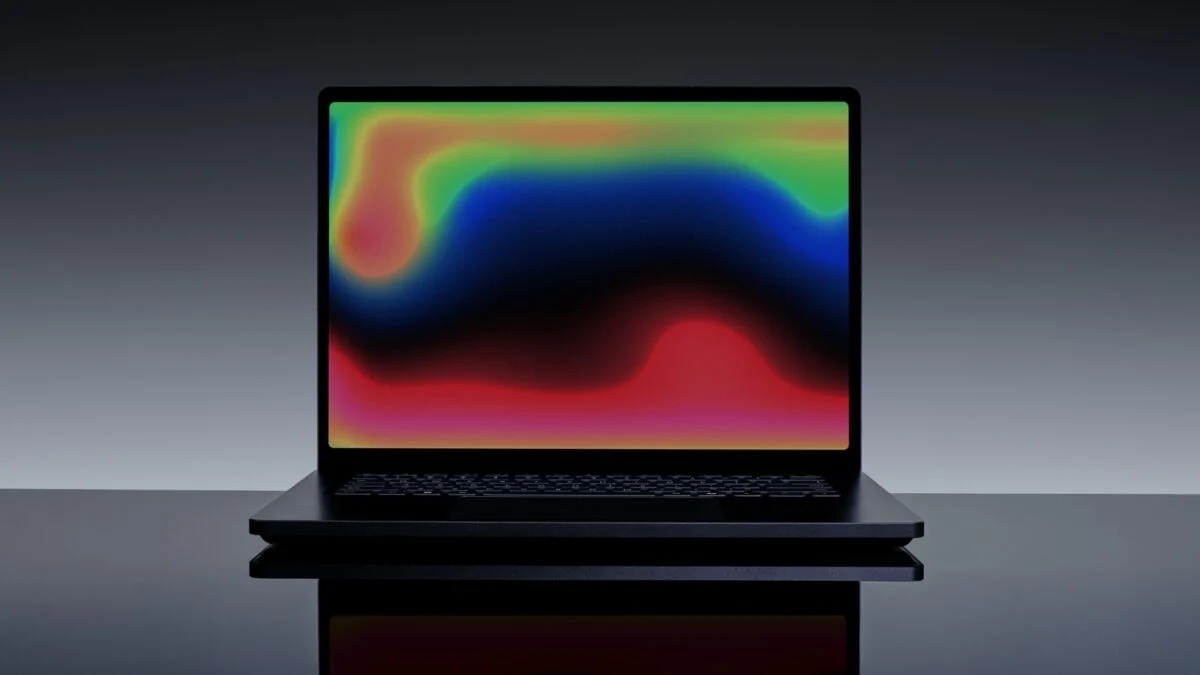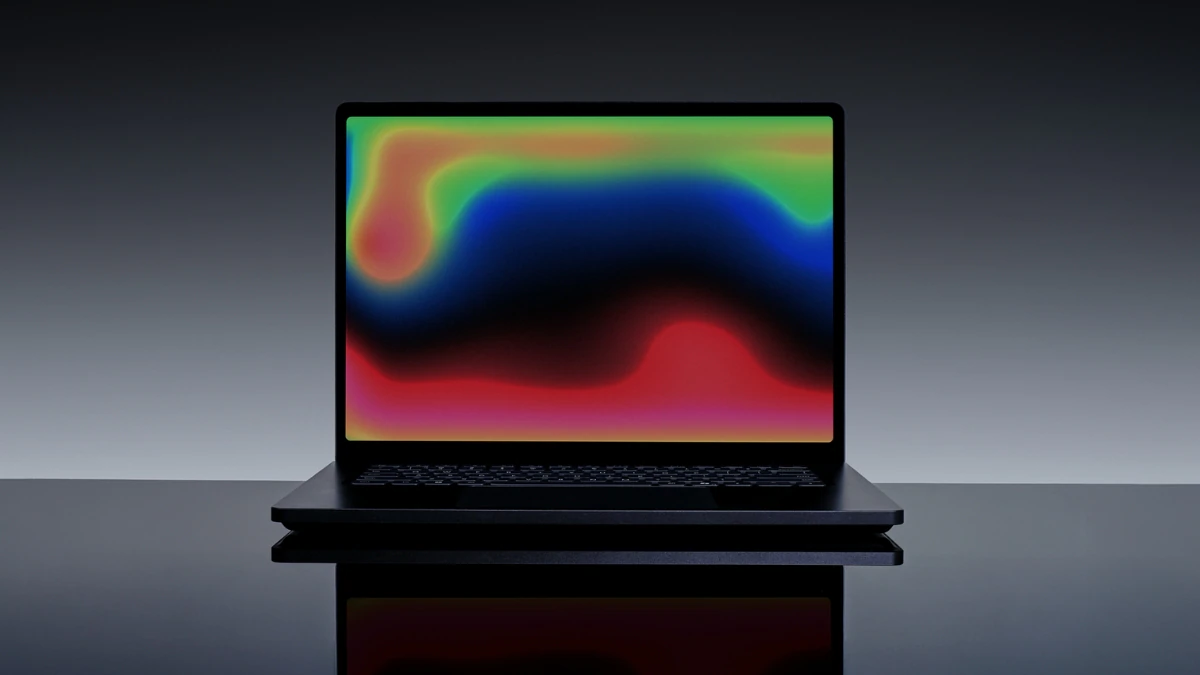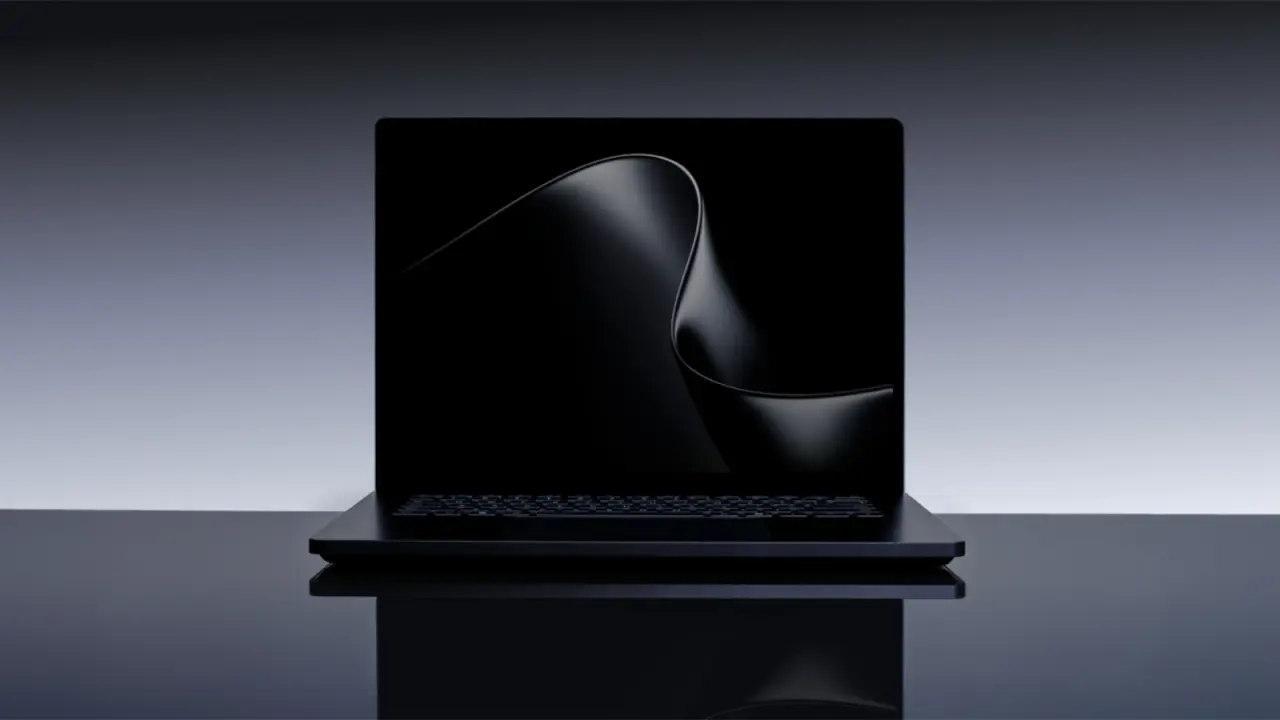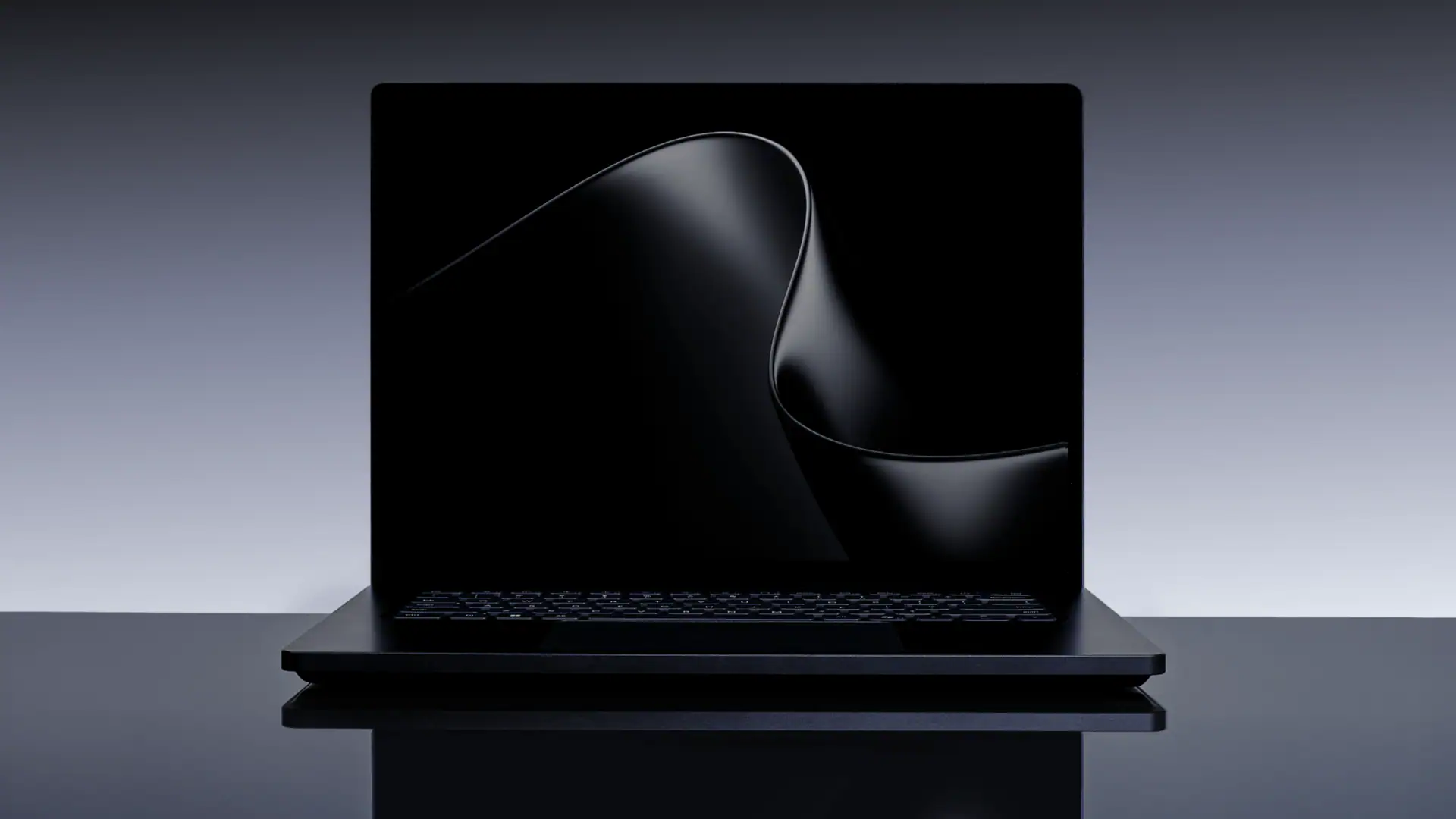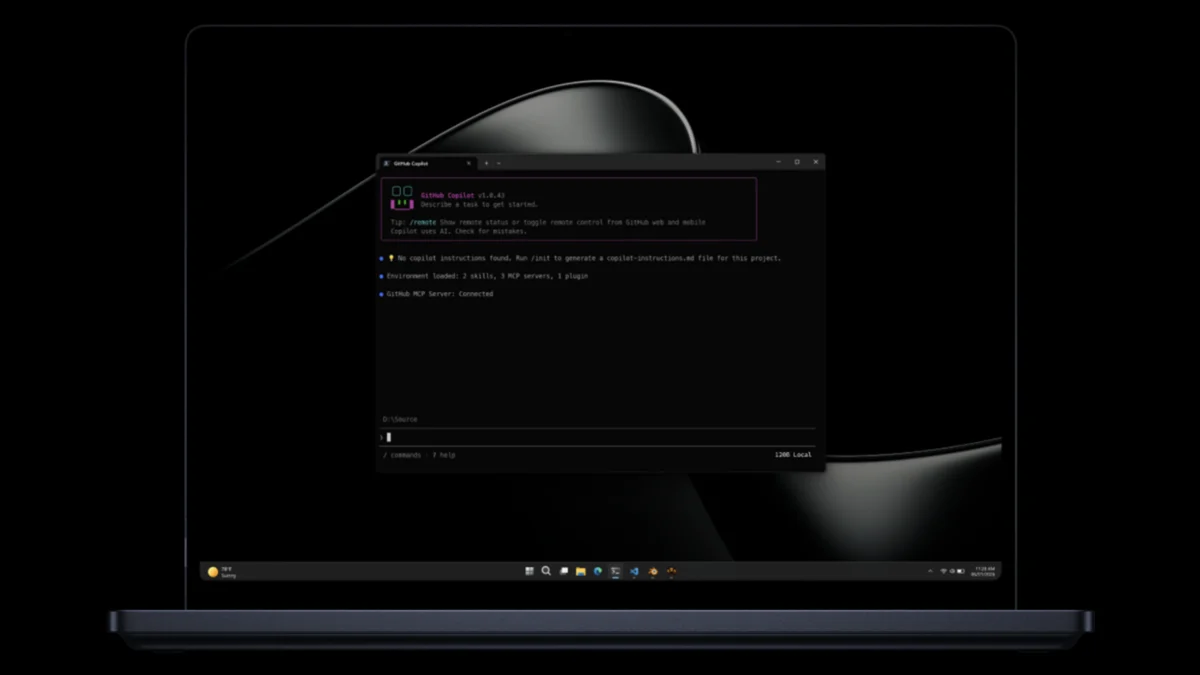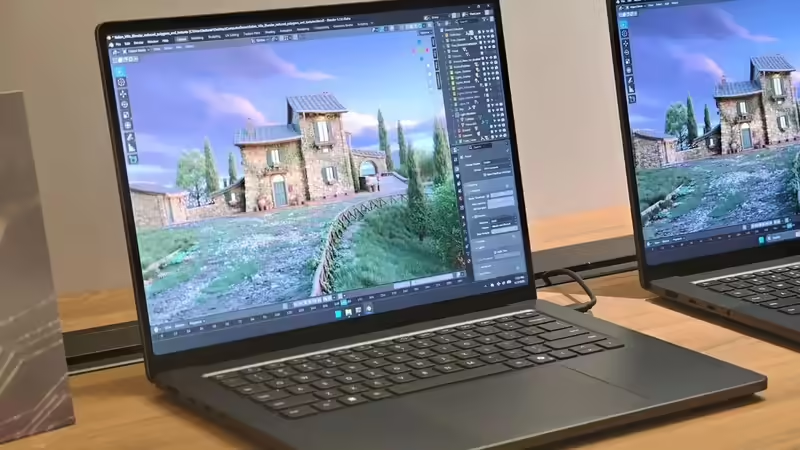
Here is the truth Microsoft will bury under keynote confetti: the Surface Laptop Ultra is the first Windows laptop in years built to embarrass a MacBook Pro, and Microsoft had to phone Nvidia to get it done. I spent a morning with the machine at a closed Nvidia briefing, watching agentic, creative and developer work run on pre-release hardware, and two things hit me at once. Apple has a Windows rival worth the name at last. And Qualcomm, which has spent years selling Windows on Arm as the future, just watched the new kid walk in and do it properly on the first go. That is the story, and it beats another spec sheet for entertainment.Key Takeaways● The Microsoft Surface Laptop Ultra is the first Surface on Nvidia silicon, powered by the Nvidia N1X - a 20-core Arm CPU, 6,144 CUDA cores and Blackwell graphics architecture - with up to 128GB of RAM and a mini-LED display. Price and India availability stay unconfirmed.● The N1X is the mobile variant of the GB10 Superchip at the heart of the DGX Spark mini-PC, and it drops Nvidia into Windows on Arm against Qualcomm's Snapdragon X2 line.● In the briefing, Indiana Jones ran through Microsoft's Prism x86-to-Arm emulation layer like a native title, alongside Alan Wake, Pragmata and Fortnite - the emulation feat Qualcomm has promised for years.● Adobe has committed to agentic Photoshop and Premiere Pro; I watched complex generative edits run, Blender run native, and Solidworks hold up under emulation.● The hardware adds a high-airflow cooling system, a 140W power envelope, repairable construction and a 3:2 haptic trackpad that anticipates the scroll rather than trailing your finger.Microsoft needed Nvidia, and that tells you everythingThe most revealing thing about the Surface Laptop Ultra is the logo stamped on the silicon. Microsoft has shipped a decade of Surfaces that reviewed well and sold like apologies, forever a half-step behind the MacBook Pro on the one number Apple turned into scripture: a processor that performs while staying cool and quiet. Apple settled the argument in 2020, dumped Intel for its own M-series silicon, and turned the MacBook into the ruler everyone else got measured against. Power with silence. Battery life that made rivals look like they were running on a hamster wheel. The industry spent five years chasing that answer and tripping over its own feet. Microsoft tried with Intel, then with Qualcomm, and each time the Surface turned up fashionably late to its own party. The N1X is the answer it has wanted all along, and the punchline is that Microsoft bought it rather than built it. When Steve Jobs wanted a product to feel inevitable, he saved it for the end of the keynote and called it one more thing. The N1X is Microsoft's one more thing, fifteen years after Apple started winning this argument, wearing somebody else's badge. Outsourcing your ambition is a strange sort of triumph. It is also the smartest move Microsoft has made with Surface in years, because the alternative was another decade of polite, well-reviewed second place.Why a graphics company is suddenly building laptop brainsNvidia building a laptop brain sounds like a hobby project until the numbers sober you up. The chip pairs a 20-core Arm CPU with 6,144 CUDA cores on Nvidia's Blackwell architecture, the same graphics family minting fortunes in data centres, here folded into a laptoplid. It descends from the GB10 Superchip inside the DGX Spark, Nvidia's local-AI desktop, so the Surface Laptop Ultra is born of hardware bred to run AI on the machine rather than rent it by the minute from a cloud. That bloodline is the whole point. Nvidia has clocked that the laptop is about to become the place people run agents and generative tools on their own desk, and it wants to own the silicon doing the heavy lifting. The market it is barging into ships around 150 million processors a year, dominated by Intel and AMD on x86 and harried by Qualcomm on Arm. Nvidia has parachuted in at the premium top, where the margins are fat and a graphics pedigree counts double. For a company that already owns the AI conversation in the server room, the laptop isthe next room down the corridor, and the N1X is the key. The ambition belongsto Nvidia as much as Microsoft, and the pair turned up holding hands with a matching "new era of PC" teaser campaign in case anyone missed it.The emulated game that should embarrass QualcommWant the measure of how badly Qualcomm has fumbled Windows on Arm? Watch Indiana Jones run on Nvidia's chip. Itran emulated, through Microsoft's Prism layer, the tier that translates x86 code into something an Arm processor can stomach, and it played like a game that had lived there all its life. Alan Wake, Pragmata and Fortnite filled out the bill. To see why that lands, rewind the tape. Windows on Arm has been around since the Surface Pro X in 2019, and for most of its life it has been a polite compromise: lovely battery, feathery weight, and a library of x86 apps that limped through emulation with a tax bolted on. Frame rates sagged.Apps stuttered. The fantasy of a real PC evaporated the second you asked it to break a sweat. Qualcomm picked up the banner with its Snapdragon X Elite and now the Snapdragon X2, and it has promised the year of Windows on Arm so often the phrase has become the Linux desktop of laptops, eternally next year. It kept shipping the tax. The rot was always in the apps: developers saw thinreason to compile for Arm while the install base stayed tiny, and the install base stayed tiny because the apps stumbled. Nvidia's name and Microsoft's clout could finally crack that chicken-and-egg loop. Then Nvidia walked in and made an emulated AAA game look like a Tuesday on pre-release silicon. To my eye, that one demo says more about Qualcomm's architecture than any slide Nvidiacould have built, because the gap is exactly the one Qualcomm has spent years trying and failing to close. This is an impression, not a benchmark, andMicrosoft owes everyone the numbers before the boast sets hard, so weigh it asone writer in one room. The room was sold.Where the N1X earns the 'pro' in professional The games are the warm-up act. The work is the headliner. Adobe has committed to opening its apps for agentic use, which means Photoshop and Premiere Pro could carry out their own tasks through an agent rather than waiting on your cursor; you describe the edit, and the app does the homework. That is the genuinely new pitch, and it points where computing is going: software that acts instead of waiting to be poked. Microsoft has spent two years flogging the Copilot-PC idea, the notion that your next laptop should run AI on the device, and most of that pitch has leaned on modest neural engines doing modest party tricks. The N1X changes the weightclass entirely: a graphics processor with data-centre ancestry can run the heavy agentic and generative jobs on the machine, the very jobs that have lived in the cloud because laptops lacked the muscle to lift them. That is the leap the briefing existed to show. The reason it wants a chip like the N1X is that this work is ravenous, and doing it locally keeps your files, your footage and your wallet on the device rather than on a metered cloud GPU ticking like a taxi meter. I watched Photoshop run complex generative edits that would havefolded weaker hardware. Blender ran native, the renderer purring on the Arm build, which matters because native software is the spot where Arm laptops have always gone hungry. Solidworks, a heavyweight engineering suite, kept its composure under emulation on an instruction set it had only just met. Together the demo aimed at two audiences Apple has courted for years: the developer whowants local compute, and the creator who wants agentic tools running on their own desk. This is the part that earns the premium price Microsoft has yet toconfess to, and the part Apple should be reading twice.Microsoft finally built hardware worthy of the chipLift the lid and the engineering earns its keep, which has long been the Surface strong suit anyway. The Surface team walked me through a chassis built for the workbench rather than the bin,repairability designed in from the first sketch rather than bolted on once the lawyers cleared their throats. The cooling is a flat-out flex. A fan systemthat moves a startling volume of air sits behind a 140W power envelope, and that number is the headline beneath the headline. Most thin-and-light laptops run a sliver of that, backing off the throttle the instant the work turns serious, lifting off to spare the engine. A 140W budget is the thermal headroom that lets the N1X hold its peak under sustained load, the difference between a chip that sprints for the spec sheet and one that keeps its foot down when the work drags on. The trackpad is the bit that stuck with me. It is haptic, and it anticipates the scroll, nudging the motion along rather than trailing your finger like a polite butler, and it carries a 3:2 ratio that rhymes with the 3:2 screen above it. These are the obsessive little touches Apple turned into a religion, the fit-and-finish that lets a company charge a premium and leave the buyer feeling clever for paying. The 3:2 shape is a Surface signature, the aspect ratio Microsoft has flown since the first Surface Pro while everyoneelse chased widescreen, and seeing it echoed in the trackpad is the kind of joined-up design the line has sometimes wanted. The whole machine reads ascomposed rather than assembled. Microsoft has stopped pretending it invented these touches and started nailing them, which counts as growth.The rivals showed up with dead laptopsThat contrast told its own joke. MSI,Dell, HP, Lenovo and Asus all have N1X machines on the way, and I saw their designs on the floor, Dell with an XPS, Asus with a ProArt, Lenovo with a fistful of models. Microsoft's was the most finished and the nearest to production by a street. The rival units mostly sat dark, playing dead like possums, while Microsoft ran its machine flat out across games, creative work and agents. Read that for what it is. Microsoft is starving for this platform, and the OEMs are hedging, keeping their N1X bets under the table until they see whether the chip sells. For a company that has watched Apple own the premium laptop conversation for fifteen years, turning up first and turning up ready is a statement of intent the others were happy to skip. It also hands the earlyN1X story to Microsoft, which is how Microsoft wants the credits to roll.It will cost a fortune, and India will pay the flex taxNow the cold water, because the hype is overdue a dunking. Nvidia has walked into the laptop market through the penthouse, and the penthouse charges rent. The N1X's DGX Spark ancestor sells for around 5,000 dollars, and while the laptop ditches the exotic networking hardware that helped inflate that figure, it keeps the hunger for memory, and 128GB of RAM costs a small fortune in 2026, a year memory prices have climbed like a startup's burn rate. So the Surface Laptop Ultra lands as a halo machine for the few rather than a volume seller for the many. In India the maths only sharpens its elbows. A premium imported Arm flagship arrives here measured against the MacBook Pro, not the everyday ultrabook, and it becomes a status buy, the laptop you own to prove you bought the future before the neighbours. Memory prices, import duties and the rupee will each take a bite. Microsoft has confirmed neither an India price nor a launch date, so any figure doing the rounds is a guess in a nice font, and any buyer here should treat availabilityas a question rather than a promise. For the Indian buyer eyeing it against a MacBook Pro, the sum is brutal and familiar: pay a fat premium for hardware that lands months after the West, or buy the Apple machine already on the shelf with a grown-up app catalogue behind it. Microsoft has to answer that, and a teaser falls well short. The honest read: aspiration with a chip in it, pricedfor the few.What Microsoft still has to proveTemper the excitement with a checklist, because a briefing is a controlled greenhouse and a shipping product is the open road in the rain. Battery life is the first blank. Apple's entire case rests on endurance, and Microsoft showed off performance while keeping thescreen-on-time figure in its pocket. Sustained thermals are the second question. A 140W envelope and a serious fan hint that the headroom is there, yet a demo room runs cool and a two-hour render on a warm Delhi afternoon is the real exam. Native app breadth is the third. Prism emulation dazzled, and native software is still the gate that decides whether Windows on Arm feels like a real PC or a clever magic trick, so the question is how many of the apps people actually use turn up compiled for Arm on day one. Driver maturity, the price tag and the India timing fill out the list. All of this is the homework between a brilliant briefing and a brilliant product, and Microsoft has to finish every question before the verdict sets.All of this ran on pre-release hardware and software, and that is the part that should keep Apple up at night. This is the floor. When Microsoft and Nvidia decide the Surface Laptop Ultra is ready to ship, the performance climbs and the native apps multiply. Apple spent fifteen years as the only company that grasped a simple thing: the laptop is the chip. It has company now, and the company brought Nvidia.The Spec Sheet Specification Microsoft Surface Laptop Ultra Chip Nvidia N1X (Arm, Blackwell) CPU 20-core Arm GPU 6,144 CUDA cores, Blackwell architecture Memory Up to 128GB RAM Display Mini-LED, 3:2 ratio Platform Windows on Arm Power envelope 140W TDP Trackpad Haptic, 3:2 ratio Chief rivals Apple MacBook Pro; Qualcomm Snapdragon X2 machines Price / India availability Unconfirmed Chip, CPU and GPU figures as reported around the Computex 2026 reveal; the 140W power envelope and 3:2 haptic trackpad are from the briefing; price and India date await Microsoft confirmation.Frequently Asked QuestionsWhat is the Nvidia N1X chip?The N1X is Nvidia's Arm-based laptop processor, pairing a 20-core CPU with 6,144 CUDA cores on Blackwell graphics. It is the mobile relative of the GB10 Superchip in Nvidia's DGX Spark mini-PC, and it powers the Microsoft Surface Laptop Ultra. It marks Nvidia's first real move into Windows on Arm.Does the Surface Laptop Ultra run x86 apps and games?Yes. It runs older x86 software through Microsoft's Prism emulation layer, which translates x86 code for the Arm chip. At the briefing, Indiana Jones ran emulated through Prism and held up like a native title, alongside Alan Wake, Pragmata and Fortnite.Is the Surface Laptop Ultra a MacBook Pro competitor?Yes, and squarely so. Microsoft has built the Surface Laptop Ultra as a premium professional laptop aimed at Apple's MacBook Pro, with the Nvidia N1X as its answer to Apple silicon. It also competes with Qualcomm Snapdragon X2 machines in the Windows on Armcategory.How much will the Surface Laptop Ultracost in India?Microsoft has confirmed neither an India price nor a launch date. With a 128GB configuration, premium positioning and high 2026 memory prices, it is set to arrive as an expensive halo machine. Treat any figure circulating before Microsoft's confirmation as unverified.Which other laptops use the Nvidia N1X?MSI, Dell, HP, Lenovo and Asus all have N1 and N1X machines coming, with Dell XPS, Asus ProArt and several Lenovo models among those confirmed or teased. At the briefing, Microsoft's Surface Laptop Ultra looked the most production-ready of the lot.end of article
Microsoft: Microsoft Surface Laptop Ultra Hands-On: The Nvidia N1X Laptop That Should Scare Apple
Microsoft's first Nvidia Surface is the best Windows laptop in years - and the fact that it took Nvidia to get here is the part Microsoft would rather you skipped.
2,663 words~12 min read