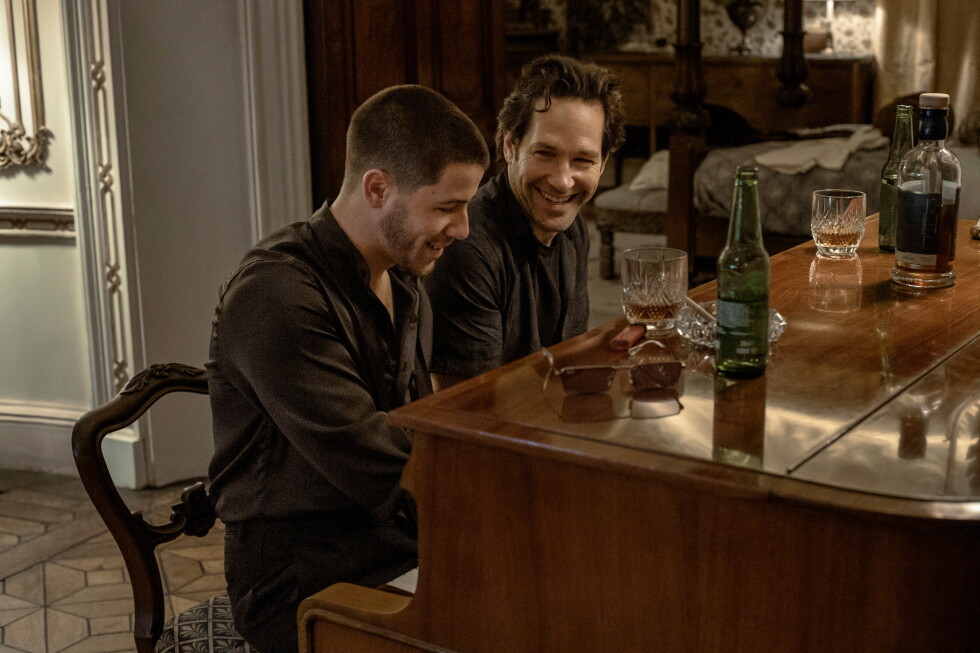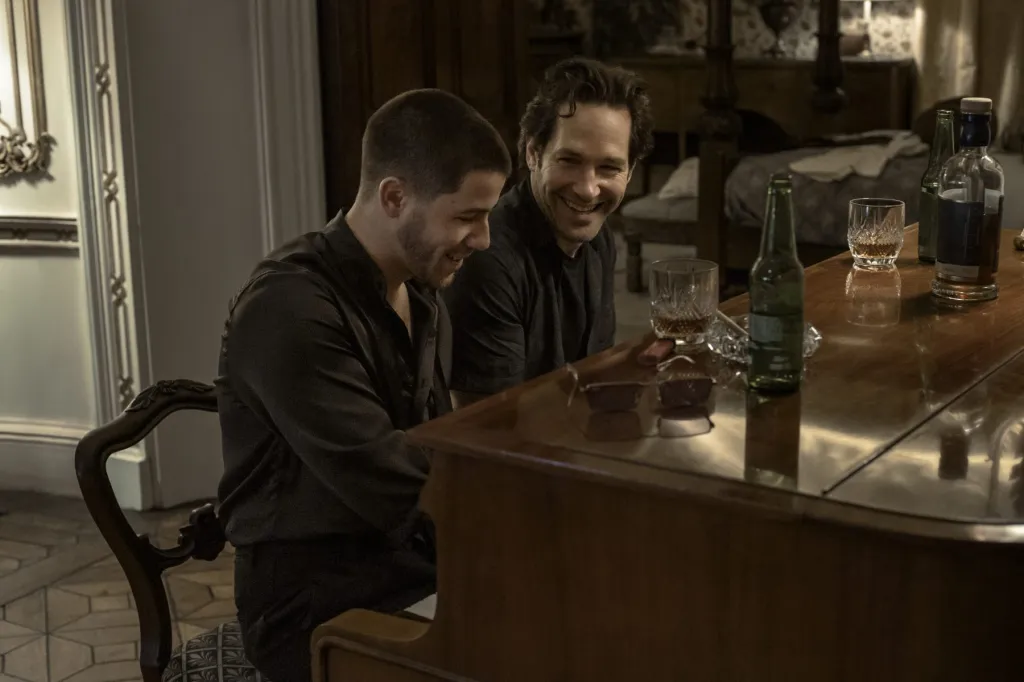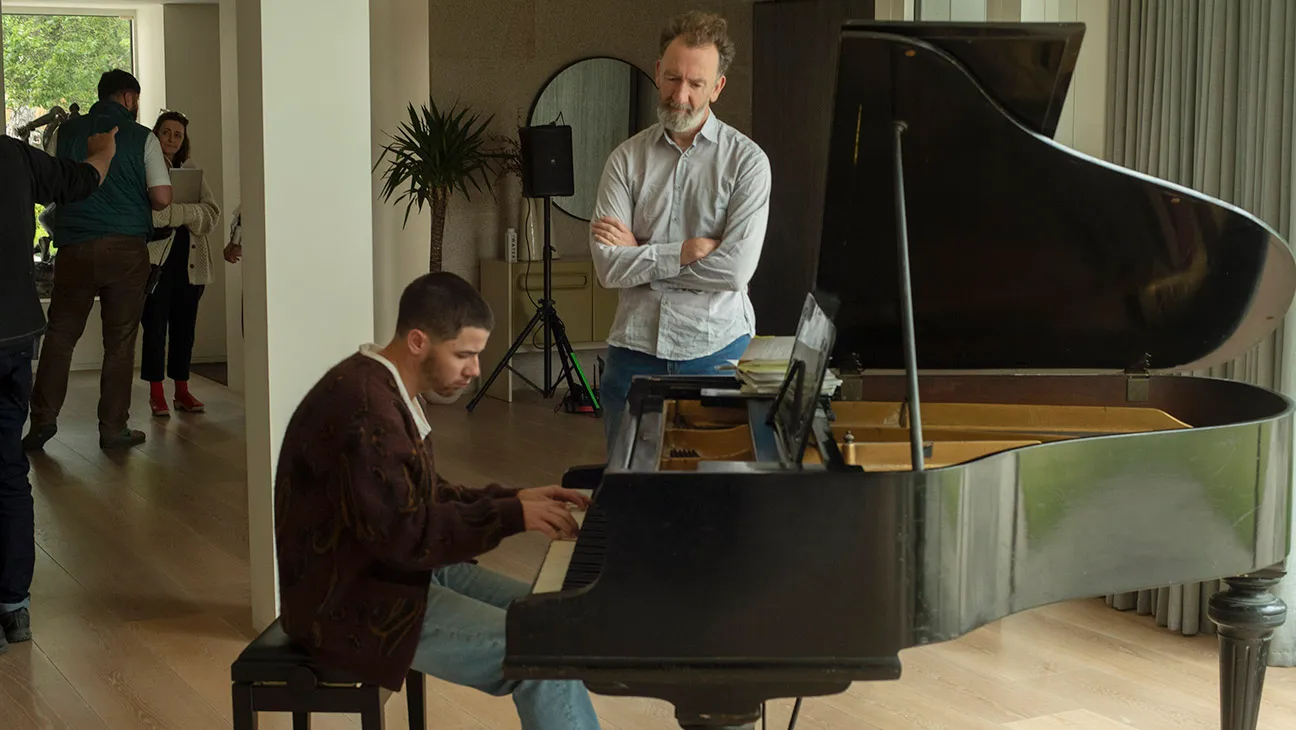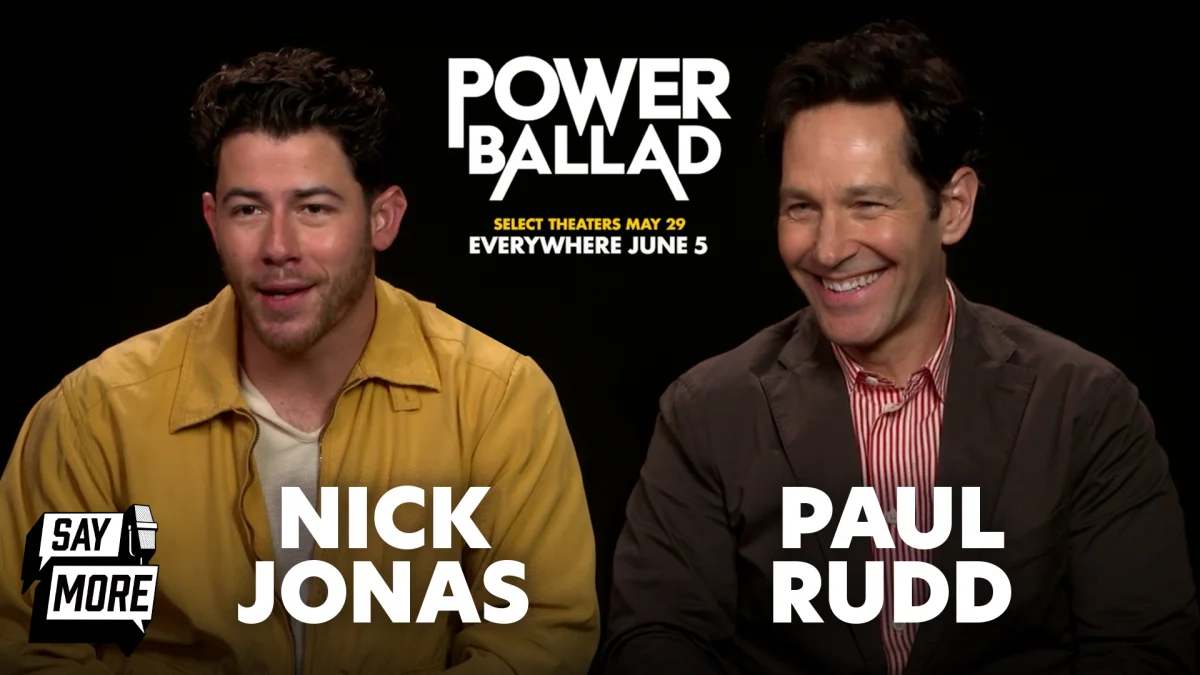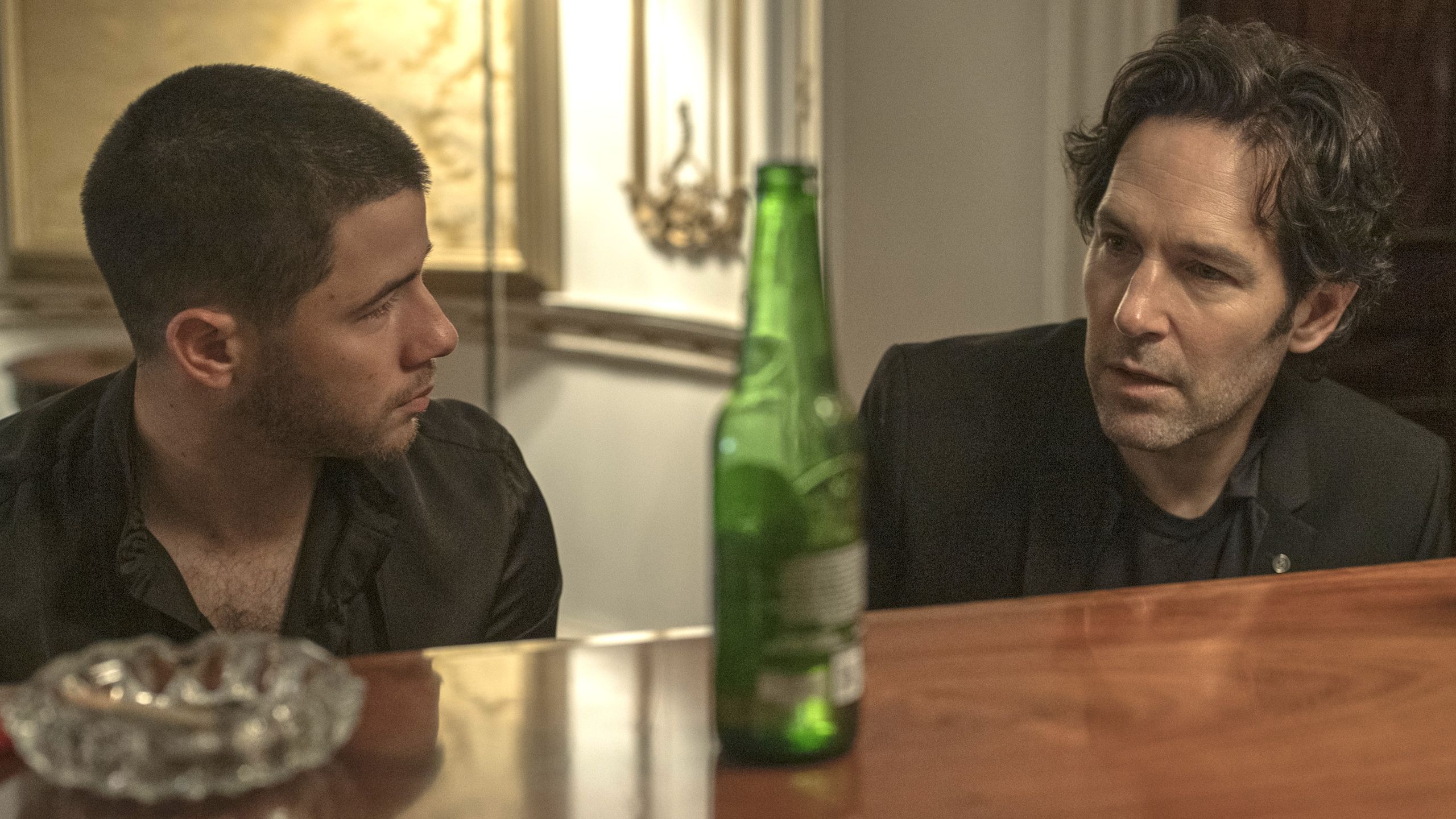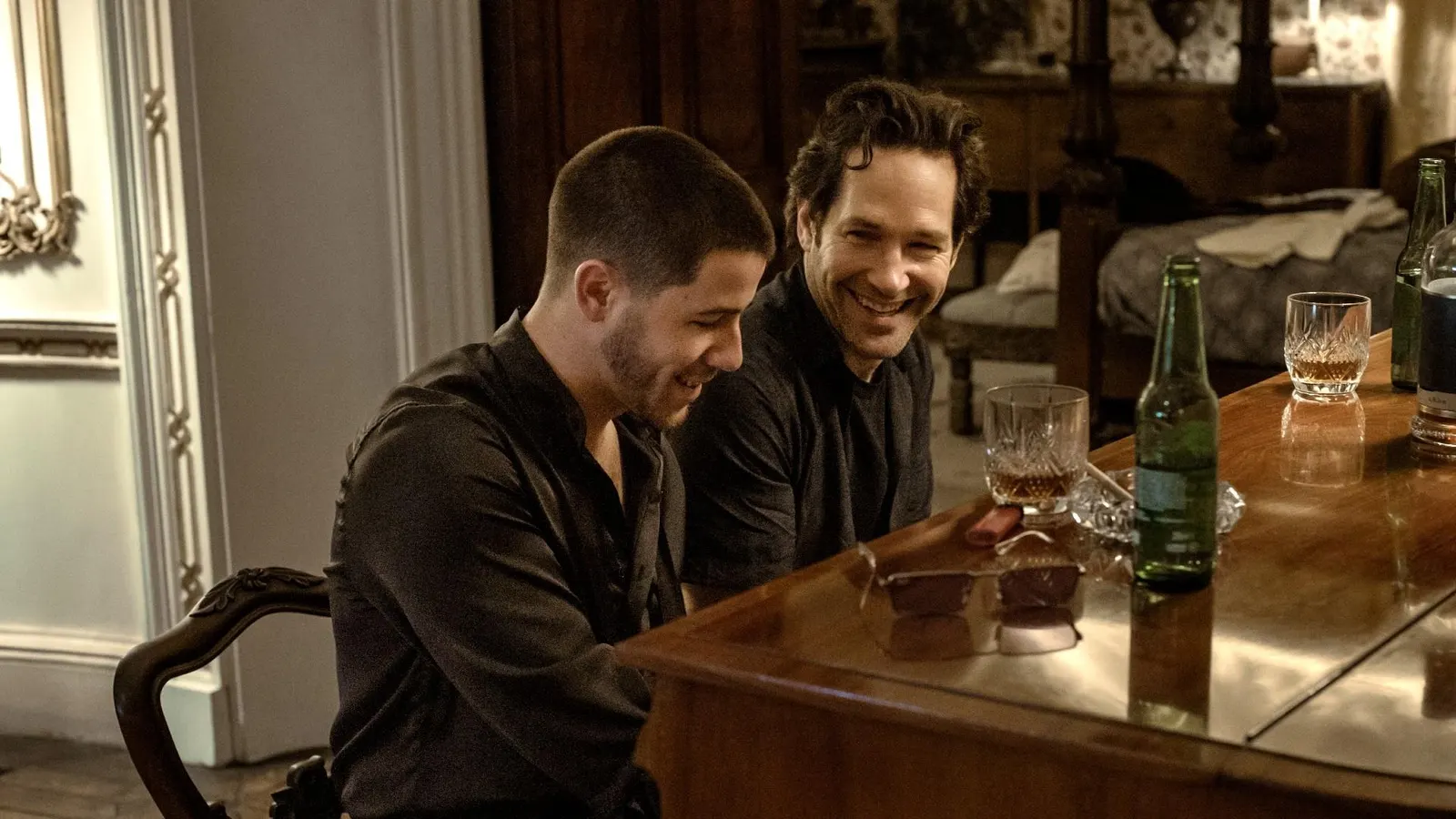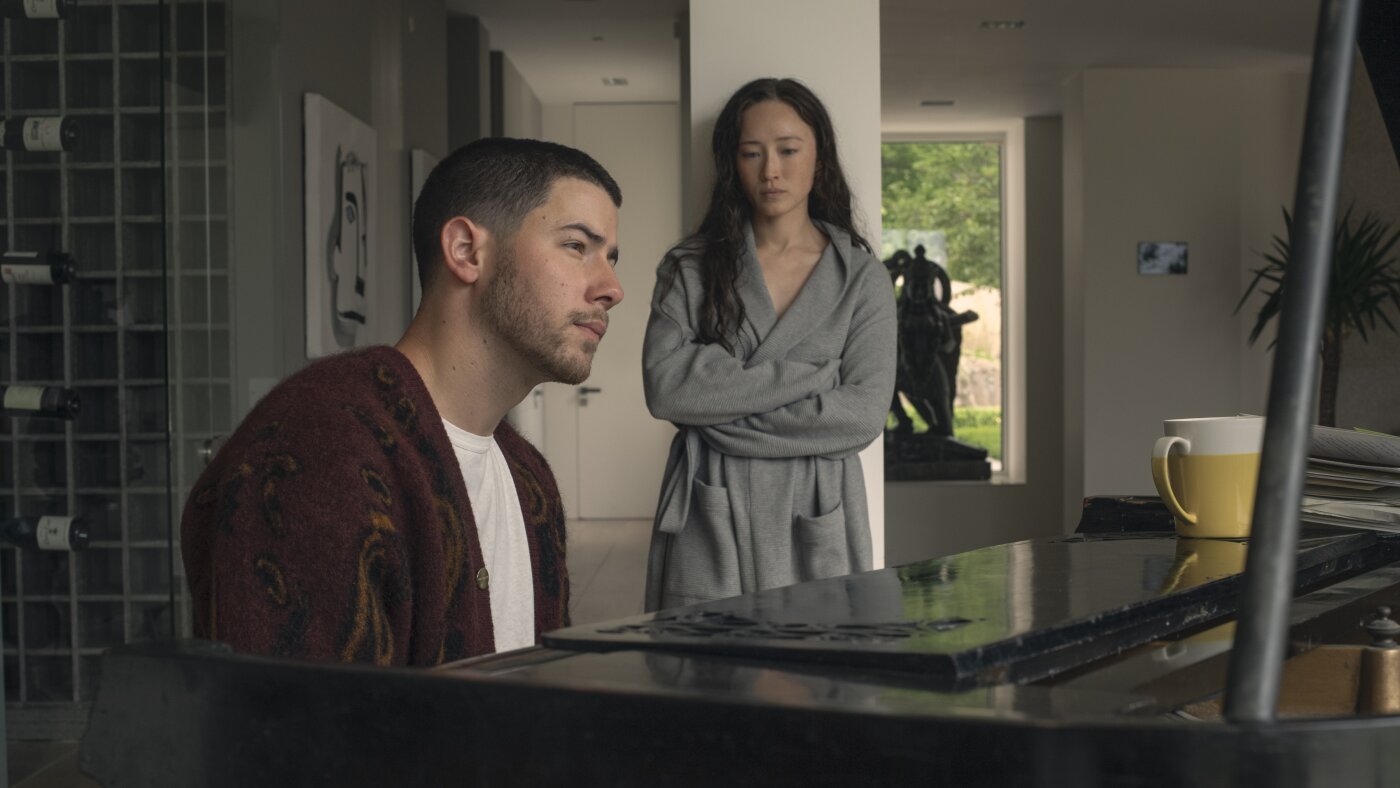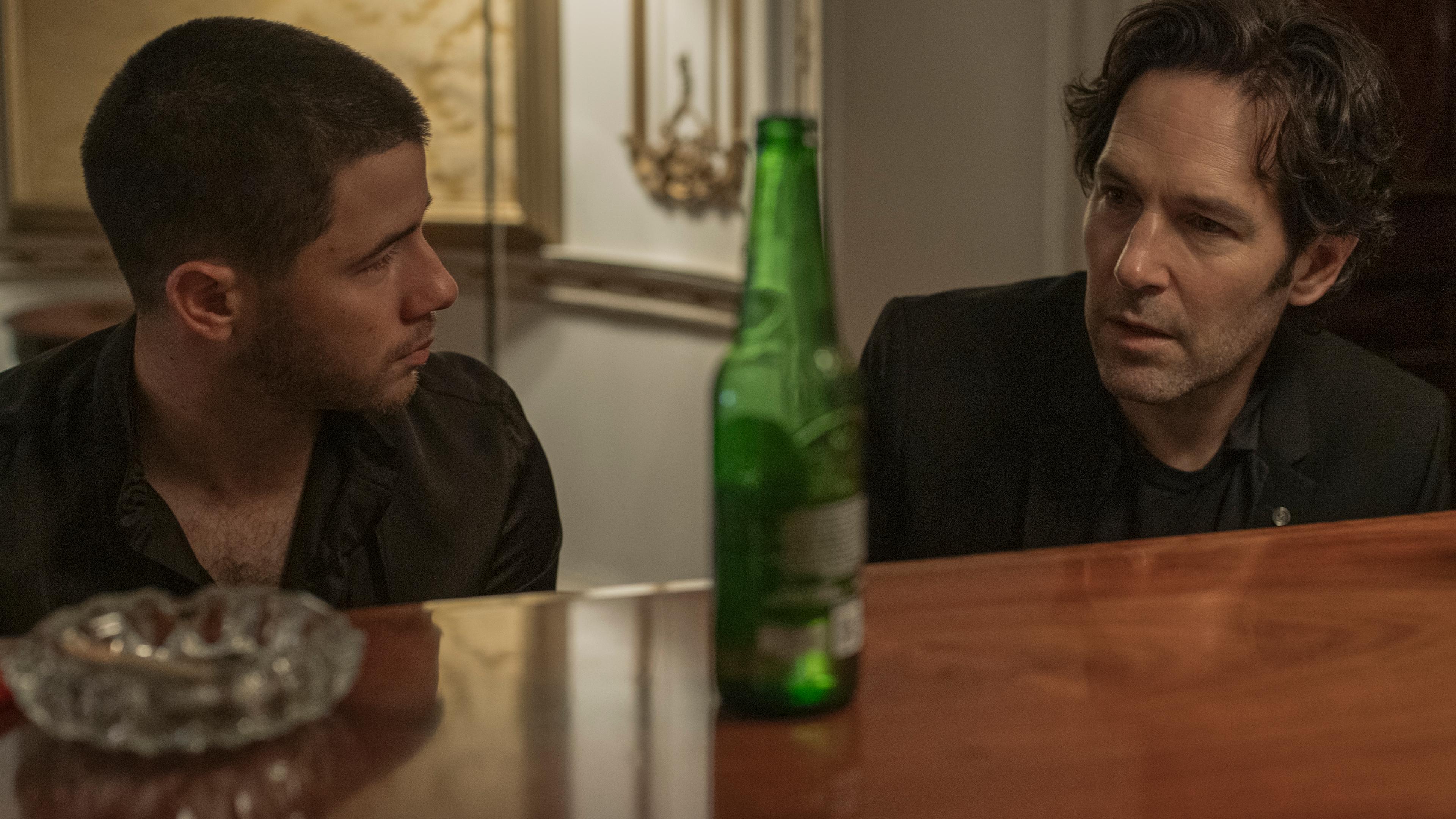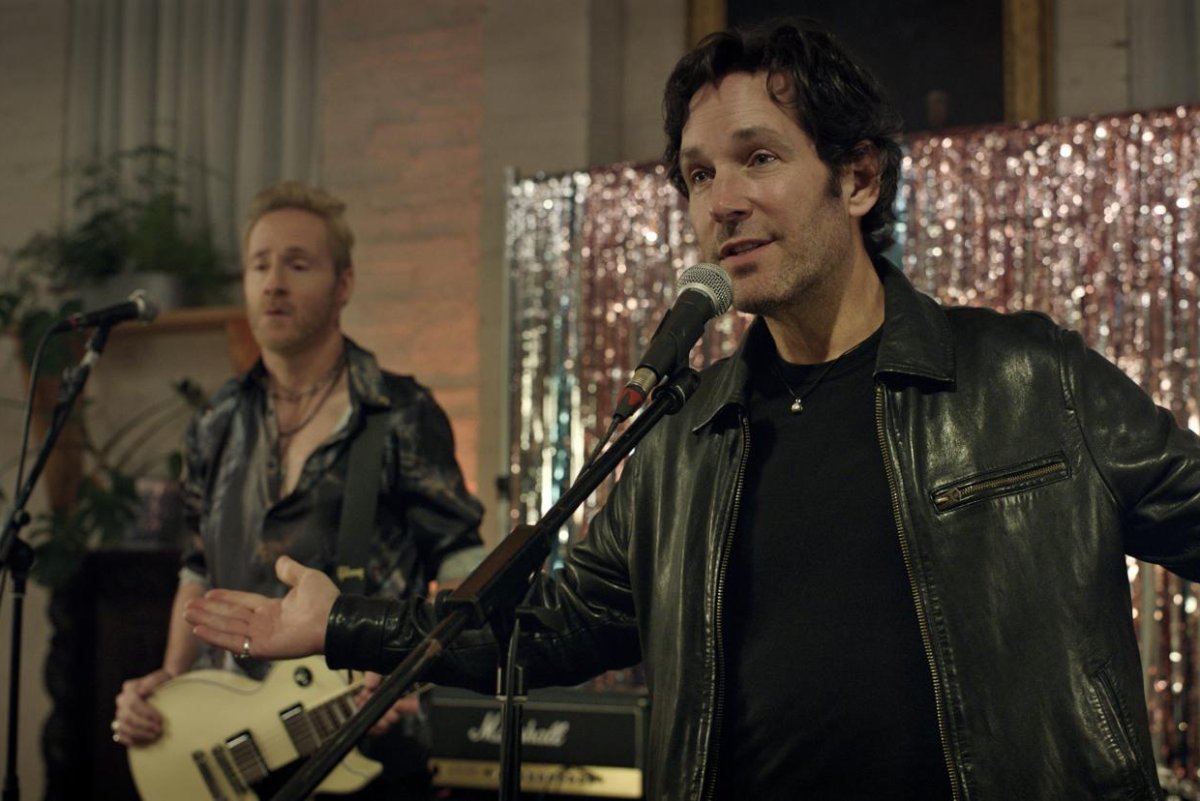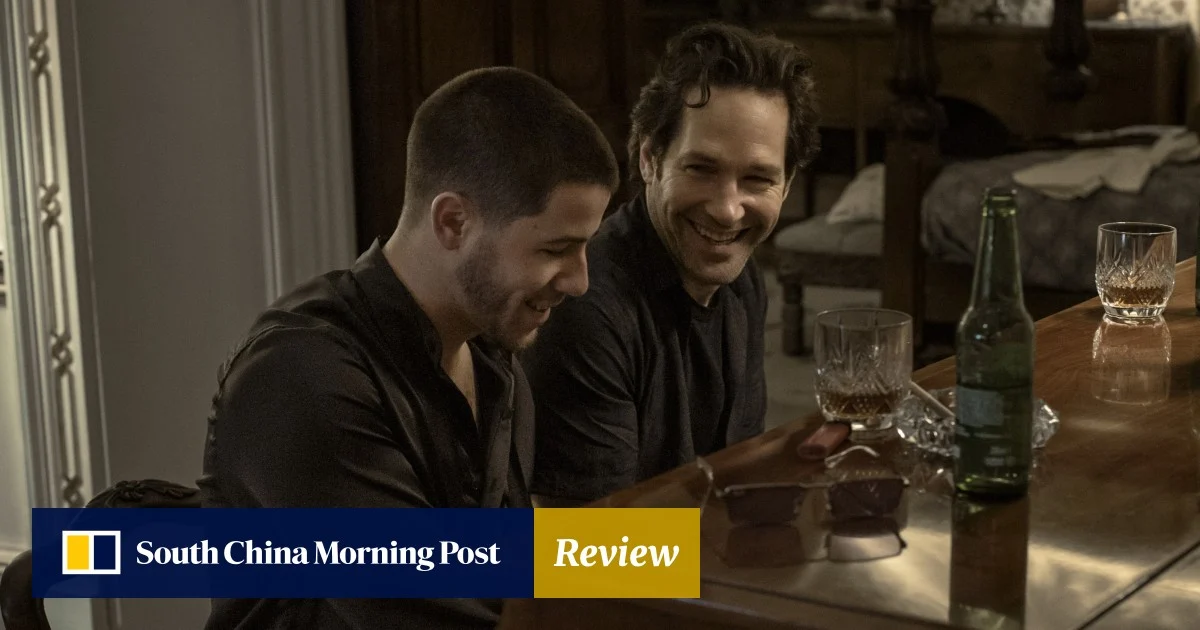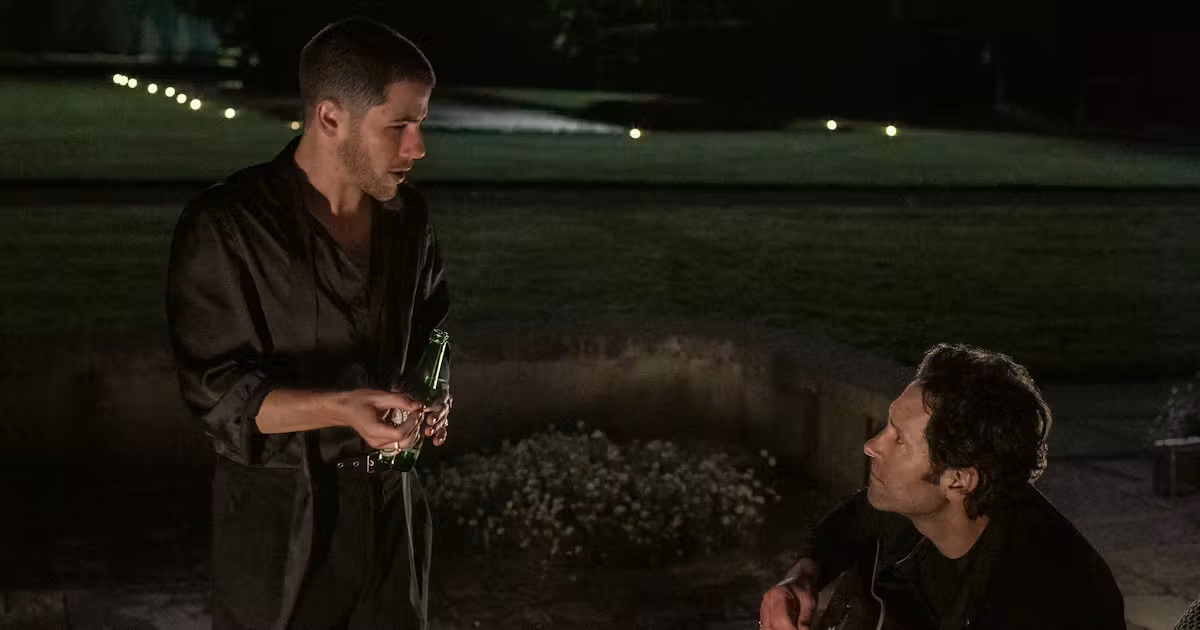
As soon as Hollywood could talk, it could sing. Marketed as the first “talkie,” 1927’s The Jazz Singer centers on the son of a rabbi (Al Jolson) choosing between the family business and a life on the stage. He picks the latter, embracing modernity and finding his voice as a performer and a (secular) man. But finding your voice is not the end of the story, as the 1952 musical Singin’ in the Rain underscores. The villain of Singin’ in the Rain is the shrill-toned Lina LaMont (Jean Hagen), a silent film star who demands to steal the voice of a mellifluous starlet (Debbie Reynolds). “I wouldn’t do that to her,” the studio chief protests, helplessly. “You’d take her career away. People don’t just do that.”Of course, people do just that, especially in Hollywood and specifically in Singin’ in the Rain, which itself includes instances of uncredited dubbing. But such hypocrisy has never stopped the Dream Factory from perpetuating stories of voices lost and found, the singing voice standing in for deeply felt, but also deeply monetizable, intellectual property. That’s entertainment!Irish filmmaker John Carney’s oeuvre is also about singing out, Louise, but his movies strike a winning balance between cynicism and sentimentality. Music is not a metaphor but the literal means of connecting with others and healing yourself in the process; music is also how we, as the audience, can hear characters changing, mostly for the better. In Once (2007), an Irish singer-songwriter (Glen Hasard) meets a Czech pianist (Markéta Irglová) on the streets of Dublin, and repressing their mutual attraction, the two develop a powerful friendship through collaborating on a demo.Likewise, in Flora and Son (2023), an unfulfilled single mother (Eve Hewson) bonds with her sullen teenage son (Orén Kinlan) and finds love with her guitar instructor (Joseph Gordon-Levitt) after finding a guitar in a dumpster and signing up for online lessons. “It’s very intimate, isn’t it? Singing like that together,” Flora tells her teacher, flirtatiously. “It’s a bit like … we’ve made love or something.” As the two grow closer, their scenes are shot as though the two are in the same room, not falling in love over Zoom, because that is how it feels.But, in both these films, expression is not all; it must be backed up with craft and talent. When the guitarist in Once goes to get a bank loan to record a demo, the banker has his own dreams of music stardom. “I want to be me, I want you to be you,” he warbles. And after Flora’s guitar teacher sings her one of his original songs, “Welcome to L.A.,” she deems it “lovely” but adds, ruefully, “Would I wanna hear it again?”Characters like Flora and the unnamed leads in Once struggle financially and existentially: “This can’t be my narrative!” Flora insists, looking around at her crummy surroundings, her contentious relationship with her son, her broken marriage. But success introduces its own pitfalls to the creative person. In the 2013 Begin Again, nerdy, soft-spoken singer-songwriter Dave Kohl (Adam Levine) gets a taste of fame and immediately drops his long-term girlfriend and writing partner, Greta (Keira Knightley), to become a megastar who looks and sounds and, frankly, feels a lot like Maroon 5’s Adam Levine.Rock stars “fall in love with the music,” grumbles the disgraced music executive (Mark Ruffalo) who discovers Greta at an open mic. “They fall in love with the lights, they fall in love with the road, the chicks, all that shit.” Greta is wounded by Dave’s infidelity but almost as much by his sudden lack of taste. He turns Greta’s song, “Lost Stars,” into a piece of what she calls “stadium pop,” and she resists the changes: “You weren’t supposed to lose the song in it, you know? I mean, it … it’s delicate.”There is more than one way, it seems, to lose your voice, and your way along with it.In Power Ballad, Carney’s latest, he revisits some of the same motifs from his own films—the Dublin–Los Angeles connection, the perils of fame, self-discovery through the power of music—as well as those tried-and-true cinematic tropes of voices thieved and recovered. He approaches these themes with his signature sophistication, in that there are no true bad guys, only better and worse ones. But this is also the most straightforward of his films, the most tidily resolved, the closest to a fairytale.Power Ballad’s meet-cute happens at a wedding, but not between members of the bridal party or during the bouquet toss. Rick Power (Paul Rudd) is the American frontman for a wedding band called the Bride and Groove; he has lived abroad for over a decade, having quit touring with his group to settle down with an Irish wife (Marcella Plunkett) and raise a daughter (Sophie Vavasseur). Danny Wilson (Nick Jonas) is a friend of the groom and a former boy band-er whose solo career is floundering. The bride insists that Danny do a turn with the band, and the two men discover an instant rapport as they sing Stevie Wonder together. Rick is more talented than Danny might have expected, and Danny, in Rick’s words, is surprisingly “real.”The two stay up all night, smoking weed and jamming, helping each other with their songs-in-progress, which include thematically appropriate lyrics such as, “You’ll never find your voice if you don’t talk.” Rick shares with Danny his original tune, “How to Write a Song (Without You),” and Danny gifts Rick an expensive guitar. Six months later, while riding an escalator (an inherently demeaning mode of transportation for any adult man), Rick hears his song over the loudspeaker of a shopping mall.A parade of humiliation ensues. The song becomes a number one hit, Danny’s smug face as ubiquitous as his hit track. No one can remember Rick originating “How to Write a Song”—not his wife, his daughter, or his best friend (Peter McDonald, also co-author of the film’s screenplay). Rick cannot shrug off his boss’s continual reminder that he is a “human jukebox,” not a true artist; he is fired when he refuses to sing “How to Write a Song” at a bride’s request. For the promise of a life he has never had, Rick is poised to destroy the one he is currently living. How far will he go to get what he feels he is owed? And how long will it take him to realize what he wants—to be famous but rooted, to have lived two lives, to go back in time—isn’t possible for any of us?Cheerful, boyish Rudd looks his age here; his frustration and anger come through in every wrinkle, every bruise, on his famously ageless face. He’s mad at the world, but who can blame the world, when the song is so damn catchy? It’s a true power ballad in the key of ’80s romance (which Rick would have lived through, Danny not yet a twinkle in his mother’s eye). Unfortunately, “How to Write a Song” is the film’s only memorable original song, but, fortunately, it hits differently as the film progresses. It is an earworm that turns into a panic-inducing beating heart beneath the floorboards. You’ll bop along to the beat, simultaneously dreading its arrival more with each replay.A good song “has the ability to mean many different things to many different people,” Rick explains. For us to make peace with the song, to enjoy it for what it is, Rick will have to go first.Carney’s films always rely on a keen sense of place, and Power Ballad is no exception, from the band’s cramped living quarters and the grungy duplex exteriors of the Crumlin neighborhood to the smooth, glassy surfaces of Los Angeles. These set pieces seemingly indicate Rick’s and Danny’s lots: Rick has ground out continual disappointment, as Danny has moved through the world frictionlessly, almost floating to the top of the charts, where a mansion with a view awaits.It is never so simple, though, with Carney. Danny is isolated and under pressure; he isn’t a good guy, but he wishes he was. He does not lift the song unaltered, and, in some ways, he even makes it better or, at least, his own. It is the nature of fame, not malice, that backs Danny into a corner, forcing him to claim sole authorship. At the pointed prodding of his manager, impeccably inhabited by Carney regular Jack Reydon, Danny fumbles each opportunity to right his great wrong. Sure, it would have changed Rick’s life to have gotten the credit for “How to Write a Song,” but it would have changed Danny’s life if he hadn’t taken it for himself.Were circumstances different—the pressures on Danny less intense, Rick’s and Danny’s social circles more proximal—the two would have made great friends and even better musical partners. And had that been the route that screenwriters Carney and McDonald took, it would have left more room for the particular charm baked into Carney’s previous features. When music becomes the means of communication between mothers and children, prospective lovers, close friends, the melting of their voices stands in for a whole lot of talking. Conversation becomes unnecessary if the other person can write the next line of your lyric, picking up where you left off, suggest a wandering melody for the bridge; this is Carney’s great gift as a filmmaker, and, while it is the instigating event of Power Ballad, it is not where the film’s heart lies.It is Rick’s journey, as he learns to appreciate his ordinary life, that forms the film’s emotional arc. His negotiations and epiphanies involve the people he loves and with whom he does not sing. A lot of telling, and a lot less showing, ensues. The ending is satisfying, even moving, even if the musical montage that gets us there isn’t quite as powerful as it might be (a refrain of “How to Write a Song,” of course).The conclusion of Rick’s story is more neatly resolved than Carney typically permits, and fans might miss the open-ended optimism and subtleties that make his other films so special. Diverting but not unforgettable, Power Ballad is lovely—but would I wanna hear it again?
In Power Ballad, a Stolen Song Unravels Two Musicians
In John Carney’s movies, music connects people where conversation cannot. But in his latest, it opens a wound.
1,683 words~8 min read